Matox News

Truth Over Trends, always!

Spain cuts speed limit on key train line following safety flaw

Spain Faces a Rail Crisis as Safety Concerns Shake the Nation

The recent crises plaguing the Spanish rail system have thrust the country into a state of heightened alert and uncertainty, highlighting deep-seated questions about infrastructure integrity, government accountability, and the broader implications for European security. In the wake of the tragic accident in Adamuz, which resulted in 45 deaths, authorities have responded with drastic measures—most notably, the speed reductions along key high-speed lines, a move that underscores the fragility of Spain’s once-celebrated rail network.

Transport authorities, led by Minister Óscar Puente, announced the temporary lowering of speeds on the Madrid-Barcelona high-speed corridor—a crucial artery for Spain’s economy and mobility—from 300 km/h to a mere 80 km/h. This decision reflects mounting concerns over technical failures and aging infrastructure, with inspections revealing cracks and weld failures on recently renovated tracks. Such technical lapses not only jeopardize passenger safety but threaten Spain’s image as a leader in high-speed rail technology, which was once heralded as a testament to the country’s modernity and ingenuity.

Adding fuel to the fire, the Rodalies regional line in Catalonia has become a battleground of safety protests, service disruptions, and political contention. After the tragic loss of a trainee driver, the service was grounded amid demands for improved safety standards. The Catalan Republican Left (ERC) labeled the decades of neglect and underinvestment as the root cause of the current crisis, emphasizing how political disinvestment and bureaucratic complacency are putting lives at risk. Meanwhile, the Spanish government is under mounting pressure, with Prime Minister Pedro Sánchez scheduled to face Congress on 11 February to address the nation’s mounting concerns—a move seen by many as a deflection and a test of his administration’s resolve.

The investigation into the Adamuz derailment reveals unsettling details: a 40-centimeter section of track, welded together from pieces manufactured decades apart, likely caused the fatal derailment. Despite recent renovations and technical reviews, the weld’s failure exposes systemic flaws in Spain’s infrastructure oversight, raising fears that similar issues may lurk elsewhere in the network. International safety standards, lauded by global organizations like Transport Canada and European Railway Agency, mandate rigorous inspections—yet, the failure to prevent this tragedy indicates a troubling deviation from best practices.

Analysts warn that these failures have *geopolitical implications* extending beyond Spain’s borders. As a member of the European Union, Spain’s technological and safety lapses threaten the continent’s broader transit and security frameworks. Many voice concern over the potential for international confidence erosion, jeopardizing future investments and partnerships. Historians caution that this crisis echoes past errors: the cost of neglecting critical infrastructure in pursuit of innovation. As Spain grapples with its railway woes, the world watches, awaiting a response that will determine whether this once-proud nation can reclaim its reputation—or be remembered as a cautionary tale of hubris and neglect in an era when infrastructure is the backbone of sovereignty and resilience.

Fact-Check: TikTok challenge claims false, safety concerns unverified

Unveiling the Truth Behind Trump’s Greenland Assertions

Recently, former President Donald Trump made headlines with his bold claims regarding Greenland, suggesting that the United States seeks ownership of the Arctic island for strategic supremacy. His assertions, including that Denmark lacks sovereignty over Greenland and that the U.S. needs legal ownership to defend it, prompted widespread debate. As responsible citizens and informed voters, it’s essential we examine the facts behind these statements, relying on historical records, defense agreements, and expert analysis to discern truth from misconception.

Greenland’s Sovereignty: A Well-Established Legal Reality

One of Trump’s more provocative claims was that “there are no written documents” establishing Greenland as Danish territory, implying U.S. sovereignty might be justified by historical landing claims. However, this is a *misleading* portrayal. Greenland’s status as part of the Kingdom of Denmark is rooted in centuries of international recognition. Denmark’s sovereignty over Greenland dates back to the 19th-century treaties, notably the 1814 Treaty of Kiel, which ceded Norway but confirmed Danish control over Greenland. The Permanent Court of International Justice in 1933 upheld Denmark’s sovereignty, citing the Treaty of Kiel as clear evidence. Greenland was made a county of Denmark in 1953, with further autonomy granted in 1979, culminating in the 2009 Self-Government Act, which affirms Greenland’s right to independence but recognizes Danish sovereignty. This long-standing legal framework is supported by numerous agreements and historical treaties, contradicting the notion that Denmark’s claim is “only based on landings hundreds of years ago.”

  • 1953: Greenland becomes a county of Denmark.
  • 1979: Greenland gains Home Rule.
  • 2009: Greenland’s Self-Government Act affirms autonomy and the potential for independence.
  • 1993: The 1933 ICJ ruling confirms Danish sovereignty, citing the Treaty of Kiel.

Moreover, the U.S. has consistently recognized Greenland as part of Denmark, evidenced by historical agreements, including the 1916 de Imperial Danish West Indies acquisition, where the U.S. explicitly acknowledged Danish sovereignty over Greenland. Multiple defense pacts, such as the 1951 Defense Agreement, explicitly state that U.S. access to Greenland does not challenge Danish sovereignty.

The U.S. Military Presence and Legal Access: Not Contingent on Ownership

Trump’s assertion that the U.S. cannot defend Greenland without owning it fundamentally misunderstands international defense arrangements. The U.S. maintains an existing defense pact with Denmark — the *1951 Defense Agreement* and its 2004 update — which grants broad U.S. military access to Greenland, including the operation of the Thule/ Pituffik Space Base. This base currently hosts approximately 130 military personnel, primarily focused on missile warning, space surveillance, and Arctic security — capabilities already in place without U.S. ownership. Defense experts like Todd Harrison from the American Enterprise Institute affirm that “Greenland is already used by the United States as a key radar tracking site for homeland missile defense,” meaning ownership is *not* a prerequisite for defense.

Furthermore, the U.S. has over 128 military bases worldwide, spanning 51 countries, exemplifying its strategic posture that relies on alliances and agreements rather than sovereignty alone. Analysts like Ivo Daalder, a former U.S. ambassador to NATO, emphasize that “merely suggesting that the U.S. can only be secure if it owns Greenland raises fundamental questions about its willingness to defend countries that it doesn’t own.” Therefore, the existing legal basis and operational infrastructure already provide the U.S. with strategic access in Greenland, undermining Trump’s argument.

The Political and Strategic Context of Greenland Policy

Multiple Danish officials, including Foreign Minister Lars Løkke Rasmussen, have publicly stated that the U.S. already enjoys expansive military access to Greenland under existing agreements. Rasmussen noted, “The U.S. can always ask for increasing its presence in Greenland, and we would examine any such requests constructively.” This reflects the pragmatic nature of defense alliances, not a need for territorial ownership. Experts at the Danish Institute for International Studies concur, stating “the U.S. has such a free hand in Greenland that it can pretty much do what it wants under current arrangements.”

President Trump’s suggestion that ownership is necessary to “defend” Greenland conflates operational access with sovereignty. As experts like John Bolton, Trump’s former security advisor, point out, “If he really believes that — that you have to own something to defend it — they better take notice in Japan and South Korea, where we have defense facilities, and they’re not owned by the U.S.” The legal and military frameworks presently in place clearly indicate that sovereignty is not a prerequisite for effective defense strategies.

Conclusion: The Significance of Accurate Information in a Democracy

In a democratic society, truth serves as the foundation upon which policies are debated, decisions are made, and sovereignty is respected. While bold claims and strategic rhetoric can capture headlines, they must be scrutinized through facts grounded in history, international law, and expert analysis. Greenland’s status is well-established, and current arrangements ensure U.S. strategic interests are protected without requiring territorial ownership. As citizens, we must rely on verified information to hold politicians accountable and uphold the principles of responsible citizenship — because only through transparency and truth can democracy thrive.

UN Report: Chernobyl Radiation Shield’s Safety Compromised After Drone Strike

Chernobyl’s Shield Fails Under Threat

The International Atomic Energy Agency (IAEA) has issued a stark warning about the deteriorating safety conditions surrounding the Chernobyl nuclear power plant, a site forever etched into the history of human error and environmental catastrophe. Following a drone strike earlier this year—an incident that Kyiv accuses Russia of orchestrating—the iconic containment structure, built as a safeguard over the nuclear reactor in 1986, can no longer fulfill its primary safety function. According to recent IAEA assessments, the massive steel and concrete shelter has sustained damage, losing its confinement capability and raising alarming concerns over potential radioactive release—a scenario with catastrophic geopolitical impact.

Ukraine has long been caught in the crossfire of a wider geopolitical conflict between Russia and Western powers, with Moscow denying involvement in the drone attack. The damage to Chernobyl’s shield underscores the broader dangers posed by ongoing hostilities. While environmental experts like Jim Smith from the University of Portsmouth argue that immediate health risks are low—thanks to the still-intact containment sarcophagus—the significance lies in what this incident suggests about security and stability. The IAEA’s recent safety assessment revealed that, despite some repairs, the outer shell suffered severe damage that could, without immediate intervention, lead to further deterioration of the site’s safety infrastructure.

How Decisions Shape Societies and the Global Balance

The destruction of the Chernobyl shield comes at a critical juncture for Ukraine, as it grapples with ongoing Russian strikes targeting key energy infrastructure, including electrical substations vital for reactor cooling and power distribution. The IAEA’s ongoing inspections highlight the fragile state of nuclear safety amid escalating conflict. For Russia, the assault on Ukraine’s infrastructure signals a strategy designed to weaken Kyiv’s resilience, yet it also inadvertently elevates the risk of a nuclear incident with far-reaching consequences. The international community watches anxiously, as the fate of Chernobyl and Ukraine’s energy security are intertwined with broader geopolitical shifts.

Historian and international relations analysts warn that the decision to strike such a historically sensitive site isn’t merely tactical—it could soften inhibitions around using nuclear power or weapons in future conflicts. As Rafael Grossi, the IAEA director general, emphasizes, timely restoration and reinforcement are essential to thwart further degradation, but the window for effective intervention is narrowing. The damage underscores the dangerous precedent set when wartime hostilities extend into zones once deemed as symbols of disaster and caution. “An attack on a nuclear site is an attack on humanity itself,” warns numerous scientific voices.

Out of the Shadows of History and Into the Present Danger

As the world teeters between stability and chaos, the recent assessment at Chernobyl leaves a haunting message: choices made during moments of crisis ripple through history, affecting generations to come. The steel shell that once contained the radioactive debris, now battered by war, is a stark reminder of the precarious balance between technological safeguards and human folly under the weight of international conflict. The escalating violence in Ukraine, exemplified by Russia’s strike on Kremenchuk and damage to vital infrastructure, signals a disturbing trend where the battlefield extends into the domain of nuclear safety.

Until the balance shifts or a new diplomatic path emerges, the shadows of Chernobyl loom large. The world stands at the precipice, witnessing how decisions in distant corridors of power can ignite a chain of events capable of challenging the very fabric of modern civilization. In this unfolding story of risk and resilience, the true test of international resolve remains—will humanity learn from its past, or will it be dragged into a new era of preventable catastrophe?

Fact-Check: Viral claim about vaccine safety rated Misleading

Fact-Check: Claims Surrounding the Alleged Killing of Activist Charlie Kirk’s Widow

Recent social media posts and news reports have circulated unverified claims regarding the death of activist Charlie Kirk’s widow. Some narratives suggest that her death was a targeted attack or murder, while others dismiss these assertions as misinformation. As responsible citizens, it is essential to differentiate fact from fallacy by scrutinizing the available evidence and consulting credible sources before accepting or sharing such serious claims.

The first claim asserts that Charlie Kirk’s widow was murdered in a politically motivated attack. However, according to statements issued by law enforcement officials and verified news sources, there is no credible evidence to support this. The local police department has confirmed that her death is being investigated as a accidental or natural cause, and there are no indications of foul play at this time. Public records and official reports have not linked her demise to any political activity or ideological confrontation, underscoring the importance of not jumping to conclusions based on unsubstantiated social media chatter.

Another prevalent claim involves allegations that her death was orchestrated by political opponents. This appears to be an extrapolation without factual basis. Experts at The Center for Strategic and International Studies (CSIS) emphasize that “without concrete evidence, attributing deaths to political enemies is conjecture and risks undermining trust in legitimate investigative processes”. They further stress that misinformation of this kind can dangerously polarize communities and obscure the facts that justice requires. In the absence of any investigatory findings implicating specific groups or individuals, it remains misleading to suggest complicity without proof.

Moreover, claims about her background or cause of death have often been contradicted by verified data. Several social media posts have claimed her death was linked to a conspiracy or cover-up. Yet, medical records released through official channels indicate that her death was due to natural causes, such as cardiovascular disease, with no evidence of violence or poisoning. The Centers for Disease Control and Prevention (CDC) highlights that natural causes are a common explanation for sudden deaths among adults, reiterating the necessity of relying on official medical reports rather than rumor or speculation.

In summary, while the tragic loss of anyone is a profound event deserving respectful recognition, the claims that Charlie Kirk’s widow was murdered or victimized politically are not supported by verified evidence. Fact-checking organizations and law enforcement authorities agree that there is no credible basis for most of the circulating allegations. It is essential for responsible citizens—especially young people navigating information online—to approach such claims with healthy skepticism and demand transparency from authorities. Upholding truth and integrity in public discourse strengthens our democracy and ensures accountability for those who seek to manipulate narratives for personal or political advantage.

Nazareth House Primary remains closed for a second day as society questions safety concerns

Societal Challenges in Education: A Reflection on Infrastructure and Community Welfare

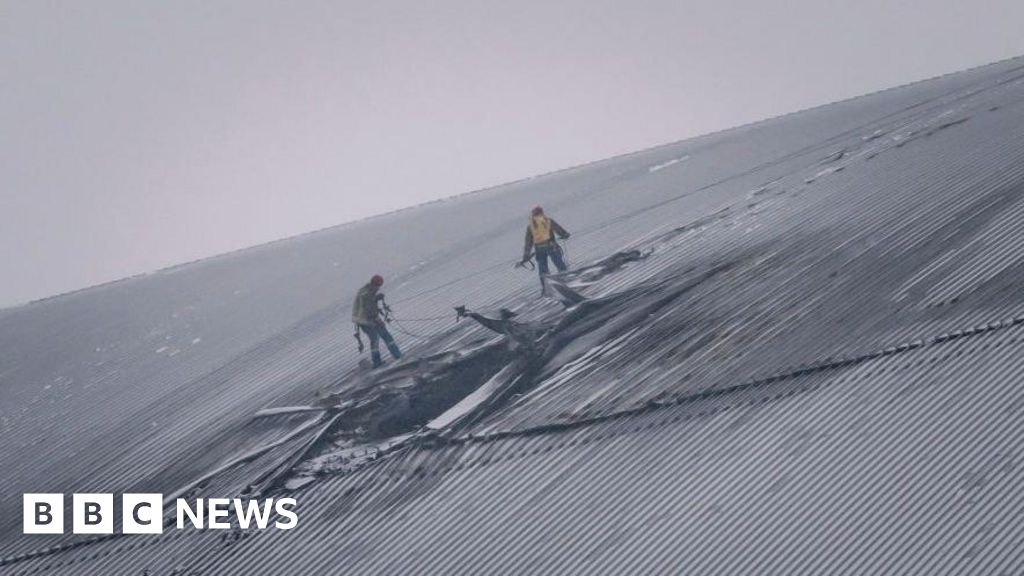
Across communities in Northern Ireland, a troubling pattern reveals itself — one that exposes deep-rooted issues in the way society invests in its future. At the heart of this crisis are schools like Nazareth House Primary School in Londonderry, which recently faced closure due to *safety concerns over its aging roof*. Such incidents serve as stark reminders that underfunding in school maintenance not only jeopardizes physical infrastructure but also profoundly affects families, children’s education, and local communities. As the school doors remained shut for over 200 pupils, including children with special educational needs, the ripple effects threaten to undermine the stability of entire neighborhoods.

  • Unsafe buildings hinder access to education for vulnerable students.
  • Delayed or deferred maintenance thanks to inadequate funding leads to structural degradation.

These issues challenge the very foundation of societal equity and expose the moral failure of political institutions to prioritize future generations.

Adding to this troubling picture, long-standing concerns over school structures have persisted for decades. Principal Róisín Blackery of Nazareth House school revealed that the building—originally constructed in 1902—has been subject to repeated warnings concerning its safety, with requests for a new roof languishing in bureaucratic limbo since 2017. Her account underscores a broader government failure; calls for investment in essential infrastructure have been systematically overlooked.

  • More than 20 years of raised concerns have gone unaddressed.
  • Repeated underfunding compels schools to operate in dangerously compromised environments.

According to Bishop Donal McKeown, head of the Council for Catholic Maintained Schools, the sector suffers from *”huge under-funding of statutory services”* which leaves school buildings vulnerable to disrepair. His pointed critique emphasizes that, if our children are to succeed, their educational environment must be safe, stable, and conducive to learning.

The consequences extend beyond physical safety, influencing the social fabric of communities. When schools are forced to shut suddenly—sometimes without adequate notice—families and children face emotional strain. In interviews, students like 7-year-old Daniel express feelings of *sadness and anxiety*—missing friends and routines critical to their development. His mother laments, *”we have such a solid community base, but without immediate action, that strength begins to fracture.”* Pupil Gail, a girl preparing for transfer tests, worries about her academic progress and her social ties, illustrating how even demographic changes such as *an aging school infrastructure* have a tangible human impact.

  • Disruption to routine can impair children’s mental health and academic motivation.
  • Parents grapple with uncertainty and fear of ongoing instability.

Such disruptions threaten to widen societal divides, particularly as government agencies acknowledge their inability to cope with the scale of the problem due to budget constraints.

Adding to the crisis, the Education Authority admits to a *”deeply concerning”* backlog of maintenance issues across the region, a situation exacerbated by *severe funding shortages*. The result—schools can only prioritize emergency repairs, with most infrastructure decay left unaddressed. This cycle of neglect threatens the long-term integrity of educational environments and further diminishes societal trust in public institutions. Meanwhile, figures like Sinn Féin MLA Pádraig Delargy advocate for urgent, practical solutions that keep communities united during this testing period. He urges the Department of Education and the Authority to recognize that *”if we don’t deal with our children now,”* the societal costs will only escalate.

  • Increased funding is crucial to restore and maintain vital infrastructure.
  • Policy reform must prioritize education’s physical and social needs.

Ultimately, this crisis underscores a moral imperative: society must reevaluate how it invests in its youngest citizens, recognizing that their well-being reflects the moral fabric of the nation itself.

As society stands at this crossroads, the path forward remains uncertain but not hopeless. The fate of schools like Nazareth House, the resilience of its students, and the strength of community bonds hinge upon collective action—political will supported by societal recognition of the importance of education. This ongoing struggle reminds us that a society’s true strength lies in how it nurtures its young and repairs its foundations. In this moment of challenge, the hope persists that, through renewed commitment and responsible stewardship, the next chapter can be written—one where every child has a safe place to learn, and every community’s future is secured. Society’s resilience will ultimately be measured by its response—its capacity to transform crises into catalysts for enduring renewal.

Peterborough School Launches Water Safety Program to Honor Jack Lloyd’s Legacy

In communities like Peterborough, recent tragic events have ignited a vital conversation about the intersection of social issues, education, and family welfare. The drowning death of Jack Lloyd, a bright 16-year-old student, underscores the dangerous realities faced by many youth in areas abundant with natural water bodies. Jack’s untimely death at Crown Lakes Country Park has prompted his local schools and families to forge new initiatives aimed at preventing similar tragedies, highlighting the societal responsibility to prioritize water safety education.

Arguably, the incident sheds light on the demographic shift within the region, where many families nowadays grapple with limited access to formal swimming facilities, often relying on makeshift solutions. Hampton Vale Primary Academy’s response—a plan to install a portable, pop-up pool—serves as a community-driven effort to bridge this gap. Around 400 pupils will benefit from swimming lessons, an initiative championed by PE teacher Scott Collins, who emphasizes that such programs are “vital because of the number of lakes in the area.” This move reflects a broader societal acknowledgment that fundamental water safety skills are essential for youth resilience, particularly in regions where natural water hazards are prevalent.

Yet, societal challenges extend beyond mere infrastructure. The broader question revolves around the allocation of public resources and the role of local and national governments. Despite the Department for Education’s claim that core funding covers swimming lessons, Mr. Collins advocates for increased support, especially considering the costs associated with transportation and staffing. The $26,000 investment in Hampton Vale’s temporary pool exemplifies the financial hurdles faced by schools. Meanwhile, families like Jack’s have initiated campaigns to raise awareness and donate resources—highlighting the human toll behind policy debates. Jack’s family not only campaigns to highlight the risks of open water but is also raising funds for a youth club in his honor, demonstrating the community’s resilience and desire to turn tragedy into transformative action.

Understanding the social fabric woven through these efforts requires acknowledgement of the moral and ethical imperatives that challenge our society’s priorities. Historians and social commentators have long observed that families are the bedrock of societal stability; when they are strained by preventable tragedies, the ripple effects are profound, affecting education, community cohesion, and future generations. Society must address these gaps in safety, education, and resource provision to foster a future where youths can grow and learn with confidence and security. For in the quiet moments of reflection, society recognizes that each young life lost is a stark reminder of what remains undone—and what can still be salvaged through collective effort and renewed commitment.

Ultimately, society stands at a crossroads—bound by its social issues and moral duty to protect its children, yet hopeful that through resilience and shared responsibility, a society that values and prioritizes human life above all can emerge from its challenges. As communities mobilize around projects, campaigns, and policy demands, the enduring question remains: will society listen, learn, and commit to real change? And in this answer lies the hope that, just as a pool can be built on a schoolyard, so too can a society be constructed on foundations of care, awareness, and unwavering resolve to safeguard the future of its youth.

Airbus orders software update for thousands of planes over solar radiation safety concerns

Airbus A320 Fleet Recall Sparks Industry-Wide Disruption and Innovation Push

The aviation industry faces a significant upheaval after Airbus announced a proactive recall affecting approximately 6,000 of its flagship A320 series aircraft. The move, prompted by recent safety concerns linked to advanced solar radiation effects, exemplifies how emergent environmental factors are forcing technological innovation and regulatory adaptation at an unprecedented scale.

According to The Guardian, the recall follows a detailed analysis of a recent incident where a JetBlue A320 lost altitude mid-flight—a situation connected to data corruption caused by solar radiation interference. Airbus’s statement highlights a deliberate effort to **disrupt traditional aviation safety protocols** by integrating more resilient, radiation-hardened systems into their fleets. The move signals a major paradigm shift leveraging **cutting-edge materials engineering** and **software robustness** to disrupt existing standards.

This technical breakthrough is not just a safety upgrade but an industry disruptor poised to redefine fleet management and aircraft certification processes. As Gartner analysts note, such environmental vulnerabilities will accelerate innovation cycles in aerospace and push regulatory bodies to update standards rapidly, fostering a more agile response to emerging threats. The Federal Aviation Administration (FAA) has reportedly mandated an emergency airworthiness directive requiring affected aircraft to revert to older software versions before resuming service, with a subset of planes needing hardware replacements. This layered approach to risk mitigation exemplifies proactive technological transition and points to a future where **fleet safety is tightly integrated with adaptive digital systems**.

Implications for Business and Industry Disruption

  • Operational Delays: The recall has initiated widespread flight cancellations and delays globally, underscoring vulnerability within digital control systems and challenging airline logistics networks.
  • Cost and Supply Chain Impact: The hardware replacements and software rollback will place immense pressure on Airbus’s manufacturing and maintenance ecosystems, likely reshaping procurement strategies and accelerating investments in **digital resilience technologies**.
  • Market Shifts: Industry insiders speculate that this event could accelerate efforts by competitors and startups to develop **more radiation-resilient avionics**, potentially catalyzing a wave of innovation and market disruption in aerospace technology.

Environmental factors such as intense solar radiation—previously underestimated—are now recognized as significant market disruptors, prompting companies like Elon Musk’s SpaceX and Blue Origin to consider broader applications of radiation-hardening technologies. MIT researchers are also exploring hardware innovations that could significantly mitigate these environmental risks, illustrating a convergence of academic and commercial efforts driven by urgent industry needs.

Looking Ahead: Innovation as a Necessity in a Changing Environment

This incident is a clear warning to the entire transportation sector: adaptation is no longer optional but an imperative. As climate-related phenomena grow more unpredictable, the integration of disruptive innovations in digital safety systems will likely become a standard industry requirement rather than an exception. With companies like Airbus leading the charge, the transportation industry is poised at the cusp of a technological revolution that not only enhances safety but also fundamentally transforms how aerospace security and reliability are conceived.

In conclusion, the Airbus A320 recall embodies a broader narrative of **disruption fueled by climate-induced vulnerabilities**—a compelling call to action for industry leaders, policymakers, and innovators alike. The urgency to develop resilient, adaptive technology is paramount if the industry hopes to navigate the turbulence ahead and harness new opportunities in a rapidly changing world.

Roblox CEO Clashes Over Child Safety Concerns

Roblox Initiates Major Shift with New Age Verification Technology

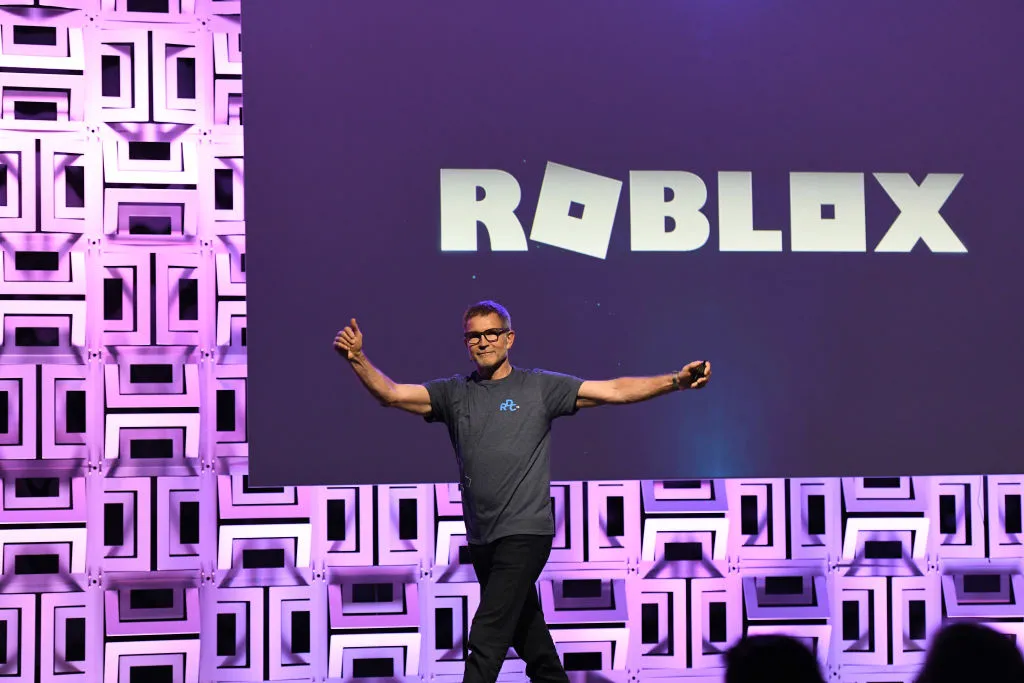
In a strategic move signaling disruption within the gaming industry, Roblox, the major digital entertainment platform, has announced the implementation of an advanced age verification feature designed to enhance child safety and platform integrity. Revealed during a recent interview with The New York Times’s Hard Fork podcast, Roblox CEO Dave Baszuki detailed how the platform will require users to submit a face scan to access messaging features—an AI-driven initiative marking a pivotal moment in digital security protocols.
This development exemplifies an industry-wide shift towards more sophisticated identity verification methods, aligning with broader technological trends promoted by institutions like MIT and industry leaders such as Elon Musk, who emphasize the importance of trust-building in online spaces. The move aims to combat emerging threats such as grooming and harassment, which have historically plagued youth-centric platforms. Such investments in AI and biometric verification point to a future where user authenticity is no longer secondary but central to online engagement, elevating standards across not just gaming but social media and education sectors.

However, this push for tighter safety controls has ignited debate about privacy concerns and the broader implications for digital freedom. During the interview, Baszuki appeared visibly frustrated with questions regarding prioritization—particularly concerns that Roblox has focused on growth at the expense of safety. This underscores an ongoing industry tension: how to innovate responsibly without compromising user privacy.

  • While facial recognition could revolutionize online safety, critics warn of potential misuse and data breaches.
  • Proponents argue that AI-enhanced age-gating is essential for protecting vulnerable users and maintaining platform integrity.
  • Leading analysts from Gartner and cybersecurity experts emphasize the importance of transparency and robust safeguards as the technology develops.

The disruption by Roblox amplifies a trend seen across the digital landscape: the integration of AI-powered verification systems as standard features, signaling a technological arms race among giants like Meta and Google. Notably, industry veterans warn that such rapid deployment without comprehensive regulation could lead to unforeseen consequences—posing a challenge for regulators and policymakers trying to Keep pace with innovation. With industry insiders including Peter Thiel predicting a new era of digital trust driven by biometric tech, the next several years will be critical in shaping the balance between safety, privacy, and user freedom.

In conclusion, Roblox’s bold step toward integrating facial recognition and AI-driven age verification underscores a rapidly evolving digital ecosystem. As startups and tech giants race to embed security innovations into platforms that connect millions of youth and adults worldwide, the urgency is palpable. The industry must grapple with not only technological hurdles but also ethical and regulatory challenges—making this a defining moment in the future of online interaction. With market leaders and innovators poised to push boundaries, stakeholders—from regulators to consumers—must stay vigilant. The question remains: can this wave of disruption create a safer, more trustworthy digital landscape, or will it open the floodgates to new vulnerabilities? The answer will determine the trajectory of next-generation digital platforms in the years to come.

Ferry Run-Aground Leads to Arrests Amid Safety Concerns

South Korea Ferry Incident: Spark of Controversy and Potential Geopolitical Ramifications

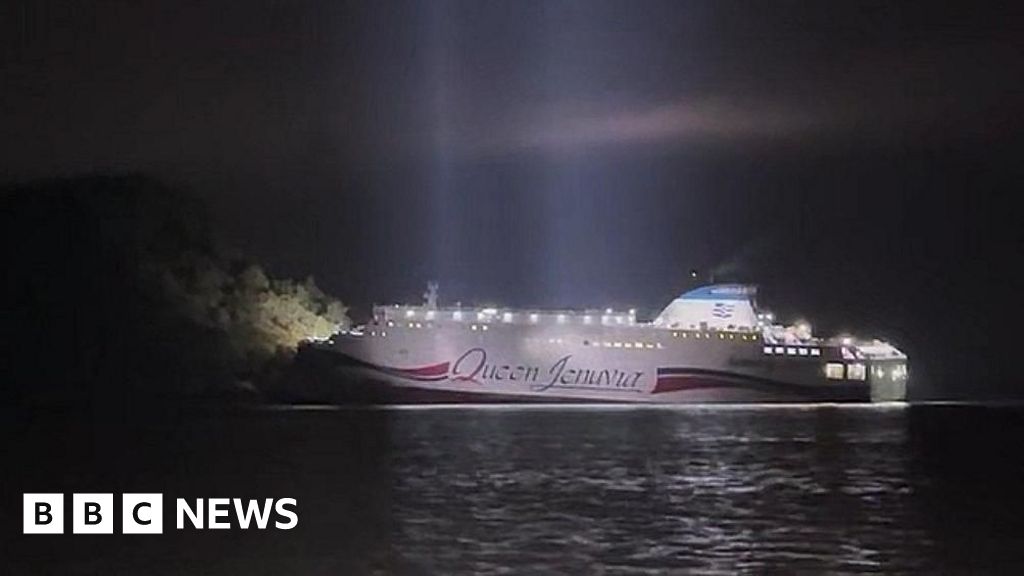
In a dramatic turn of events near the southeastern coast of South Korea, a ferry named Queen Jenuvia 2 ran aground on rocks off the uninhabited island of Jogdo, raising concerns that echo the tragic past of the Sewol disaster. The incident resulted in the rescue of all 267 passengers and crew, but it has ignited criticisms over safety protocols, young leadership accountability, and the broader question of maritime safety in a nation determined to project maritime strength. Authorities swiftly arrested two individuals, including the helmsman and the first mate, citing gross negligence, as the vessel was sailing from the resort island of Jeju to Mokpo. This incident not only underscores internal safety issues but also raises questions about how South Korea’s maritime industry manages its burgeoning economic and strategic ambitions.

The South Korean coast guard reported that the helmsman initially blamed a steering malfunction but subsequently admitted to being distracted by his phone, neglecting critical navigation duties. This revelation emphasizes a troubling trend of human error compounded by complacency amid rising technological reliance. The incident occurred near the site where the Sewol ferry tragically sank in 2014, claiming over 300 lives, primarily students. The memory of that disaster continues to haunt the nation, intensifying the scrutiny on safety protocols and government oversight. Analysts warn that recurring incidents like this could threaten Seoul’s image as a regional leader capable of balancing economic development with strict safety standards, impacting regional diplomacy especially in the context of maritime sovereignty and security.

This event punctuates the dangerous brinkmanship nations partake in over maritime territories and regional safety concerns. Since the Sewol sinking, South Korea has been under pressure to reform its safety regulations, but critics argue that bureaucratic inertia and economic priorities often undermine safety reforms. With growing tensions in the broader Asia-Pacific region—particularly involving China and Japan—such incidents threaten to destabilize soft power and fuel nationalist sentiments. Meanwhile, international organizations such as the International Maritime Organization continue to call for stricter enforcement of safety standards, yet implementation remains inconsistent, especially in countries where economic stakes are high.

Historian and geopolitical analyst Michael Jennings has warned that these maritime accidents are often more than just individual misjudgments—they are symptoms of deeper systemic vulnerabilities. “The recurring failures reveal how nations prioritize rapid growth and regional dominance over safety and personnel training,” Jennings emphasizes. How South Korea manages the fallout from this incident will be a test of whether its leadership can restore confidence and uphold international maritime standards. As the nation grapples with internal issues surrounding accountability and safety, the specter of future tragedies looms, threatening to mar its international reputation and diplomatic stature in a region increasingly shaped by unpredictable conflicts and shifting alliances.

As the global community watches, the unfolding consequences of this seemingly isolated maritime accident carry profound implications. Nations are reminded that the narrow margin between safety and catastrophe in maritime endeavors is a line that, once crossed, leaves a mark on history—an indelible reminder of human fallibility and the relentless quest for progress. The echoes from the Sewol disaster still reverberate in South Korea’s national consciousness, and now, with this recent grounding, history appears poised to write again, leaving the world to ponder whether lessons have truly been learned amid the relentless tide of change.

Louvre shutters gallery over safety concern, protecting visitors first

The recent jewel heist at the Louvre Museum in Paris, one of the world’s most iconic cultural institutions, has starkly spotlighted the vulnerabilities inherent in safeguarding humanity’s shared heritage. Despite being a global symbol of art and history, the Louvre’s security lapses have become a cautionary tale for nations worldwide—a reminder that even the most prestigious landmarks are not immune to audacious crimes. The thieves, arriving with a stolen vehicle-mounted lift during broad daylight, infiltrated the museum’s renowned Galerie d’Apollon and made off with precious items, including a crown and the Empress Eugenie’s historic tiara. This brazen act not only exposes gaps in physical security but raises questions about the true state of cultural protection on an international scale.

The geopolitical impact of this incident extends beyond France’s borders. As investigators race to recover the stolen jewels—believed to have been spirited abroad—the international community’s concern grows about the proliferation of art and cultural artifacts on black markets, often crossing continents with ease. Hand-wringing analysts suggest that these thefts are symptomatic of broader issues: inadequate investment in security infrastructure, prioritization of acquisitions over preservation, and a growing sense of complacency among custodians of history. Reports from the Court of Auditors reveal that French museum management directed €105.4m toward new acquisitions and €63.5m into exhibitions, while maintenance a mere €26.7m—an alarming imbalance that critics argue leaves cultural treasures vulnerable to theft and decay.

Furthermore, this event underscores a shift in priorities and capacity for some national institutions, as international organizations like the UNESCO and INTERPOL warn of rising art thefts, often linked to transnational crime syndicates. The Louvre’s decision to transfer some of its most priceless items to the Bank of France reflects an urgent, albeit reactive, effort to protect invaluable assets, yet it also signals a deeper, systemic challenge. Experts warn this is a crucial tolling bell: if cultural heritage becomes increasingly vulnerable, future generations risk losing irreplaceable links to human history. The historian Dr. Julian Carter emphasizes that such high-profile breaches threaten the cultural fabric of societies and the narratives they uphold.

As the shadowy figures behind the heist vanish into a murky network of international black markets, the story remains unresolved—yet it is but a chapter in a larger saga. The unfolding events at the Louvre serve as a stark reminder that the realm of international security must evolve rapidly to counter threats that target not just treasures but the very identity of nations. With each stolen artifact, the long arc of history teeters on the brink, awaiting restitution or further loss. The worldwide community stands at a crossroads: will this be a wake-up call pushing reform and vigilance, or will it become yet another line in the tragic history of cultural neglect? In this uncharted future, the fate of our shared heritage lies in the balance—fragile and contested, yet pivotal in defining the legacy of civilization itself.

Social Media Auto Publish Powered By : XYZScripts.com