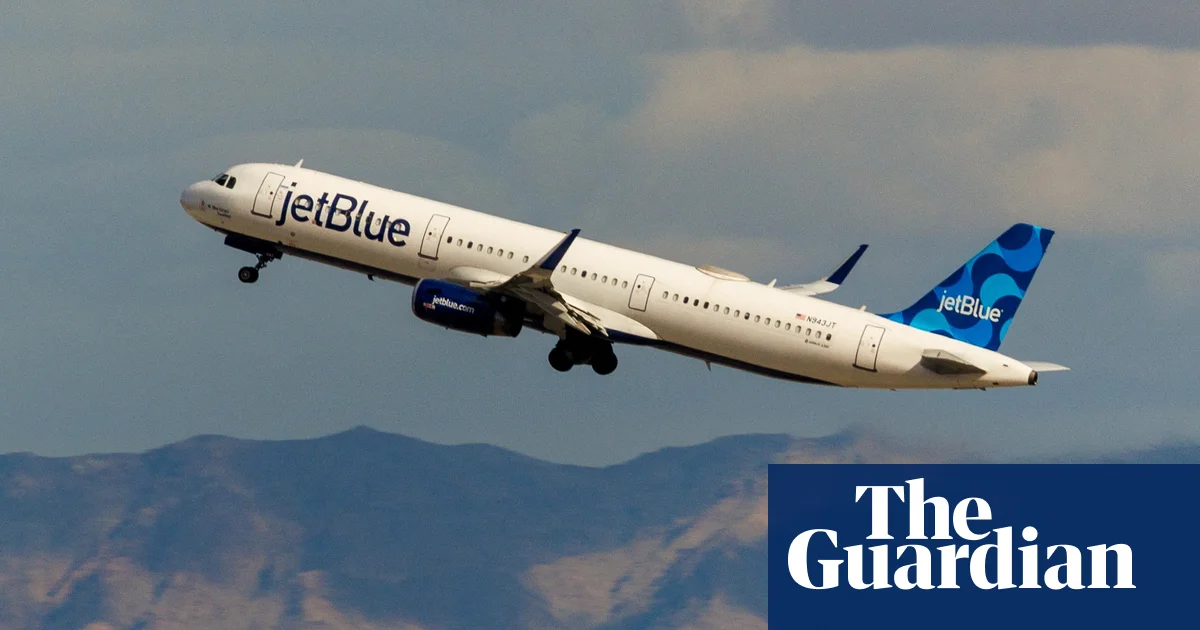

JetBlue Under Legal Fire in Wake of Surveillance Pricing Allegations
In an unfolding international debate over consumer privacy and corporate practices, JetBlue has found itself embroiled in a legal challenge that could have profound geopolitical and societal ramifications. A proposed class action alleges that the airline employs surveillance pricing—a controversial method of using individual customers’ personal data to set ticket prices—raising questions about the transparency and ethics of data-driven pricing strategies in the modern aviation industry. The lawsuit, filed by passenger Andrew Phillips, claims that JetBlue’s practices violate federal anti-wiretapping laws and New York consumer protection statutes, signaling an intensifying scrutiny over how corporations utilize personal data in an increasingly interconnected world.
While JetBlue maintains that it does not employ artificial intelligence or personal data to inform ticket prices, its responses have only fueled suspicion. The controversy was heightened after a social media exchange where a passenger lamented a sudden $230 increase in ticket costs, prompting the airline to suggest clearing cookies or using incognito mode—a response many critics dismissed as dismissive and insufficient. This incident underscores concerns about how digital data and behavioral tracking influence market dynamics, especially in sectors where prices fluctuate rapidly based on demand and perceived customer profiles. International organizations and industry analysts have warned that such practices, if proven true, could serve as a precedent for a new era of opaque, personalized pricing, undermining fair competition and consumer trust worldwide.
Global institutions like the World Economic Forum have expressed alarm over the unchecked expansion of data-centric algorithms in commerce, emphasizing the need for robust regulations to protect consumer rights amidst a rapidly evolving digital landscape. Notably, U.S. Congress has begun pushing airlines—including Delta Air Lines—to disclose their utilization of generative AI and personal data in pricing decisions. While Delta has publicly denied such practices, the question remains: are American airlines crossing ethical boundaries in pursuit of profit? This debate illuminates a broader global concern: how entities leverage technological advances at the expense of societal fairness and transparency.
The significance of this legal confrontation extends beyond the airline industry, touching upon the very fabric of modern sovereignty and digital governance. As international watchdogs and legal experts scrutinize these practices, the resulting shifts in regulation and consumer rights could reshape global commerce. The case against JetBlue is not just a dispute over ticket pricing; it symbolizes a pivotal moment where the choices of corporations and governments will determine the future boundaries of personal privacy, corporate accountability, and market fairness. The weight of history hangs heavily—its outcome could define the landscape of international commerce and societal trust for decades to come, echoing through the corridors of power and the daily lives of millions worldwide.