Matox News

Truth Over Trends, always!

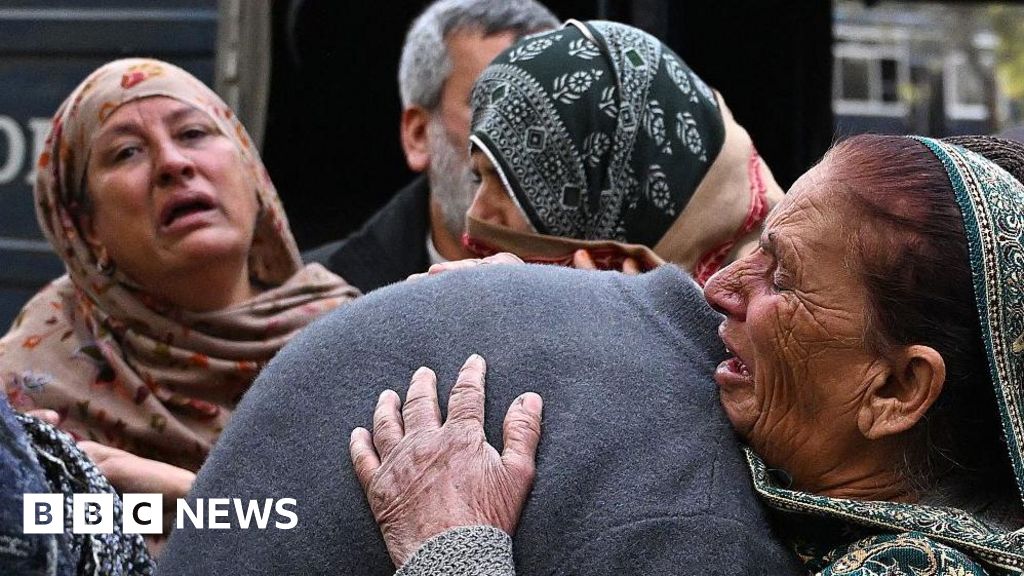
Over 30 Dead in Pakistan Mosque Blast—A Tragic Reminder of Security Gaps

In a tragic and shocking event that has sent shockwaves through the international community, nearly 170 individuals were injured in an explosion that occurred during Friday prayers in Islamabad. The attack, which struck the core of Pakistan’s capital, has ignited fears of increasing instability in the region, with wide-reaching implications for regional security and global diplomacy. As investigators scramble to determine the origins and motives behind this deadly assault, global leaders and institutions are weighing their responses amidst a backdrop of mounting tensions.

Analysts suggest that this act of violence is not merely a tragic incident but a stark manifestation of the deep-seated conflicts and geopolitical struggles in South Asia. Many experts, including officials from the United Nations and regional security think tanks, view this attack as potentially linked to ongoing insurgencies, extremist factions, or even covert international interventions. The repercussions are profound: a destabilized Pakistan risks further fraying the fragile balance of power in a region already fraught with nuclear-armed neighbors and rivalries. This event underscores the fragility of peace in a geopolitically pivotal country caught between the interests of larger powers like China and India.

  • Pakistan, amid internal political turmoil and economic struggles, faces heightened security challenges that threaten its sovereignty and stability.
  • The attack occurs at a time of rising regional tensions over border disputes, trade alliances, and influence pacts, which could be further exacerbated by this violence.
  • International bodies, including Carnegie Endowment for International Peace and Security Council, have called for restraint and increased intelligence cooperation, emphasizing the need to address underlying grievances.

Historical perspectives from leading scholars such as Professor Ayesha Siddiqa and Dr. Peter R. Neumann warn that such attacks could be precursors to broader escalation unless urgent de-escalation and dialogue are prioritized. This event may serve as the latest chapter in a series of incidents that threaten to ignite wider conflicts in the region if not contained. For Pakistan, the consequences are dire: increased *internal security measures*, public fear, and strained diplomatic ties with neighboring states. The attack also raises grave questions about the efficacy of existing counterterrorism efforts and intelligence-sharing frameworks, which many analysts argue are insufficient to prevent such tragedies from recurring.

As the world watches with tense anticipation, the question remains: will this tragedy galvanize international efforts for peace or escalate into a broader conflict? The weight of history presses heavily on leaders’ shoulders. The unfolding aftermath of the Islamabad explosion will determine whether this is a fleeting horror or the harbinger of a new, more dangerous chapter in regional geopolitics. With each failed attempt at peace, the danger grows—an uncertain future still shaped by decisions made in the corridors of power, where the echoes of yesterday’s violence may either forge pathways to reconciliation or plunge the world deeper into chaos.
Australian Politics Live: Marles Boosts Herzog’s Visit, Vows Strong Security Measures

The geopolitical landscape of Australia is currently undergoing a complex transformation, influenced by domestic political upheavals and significant international diplomacy. The recent visit of Israeli President Isaac Herzog to Australia has ignited fierce debate within the country’s political circles, highlighting the _deep divisions_ over Australia’s role on the global stage and its domestic policies. This visit, officially sanctioned by the Prime Minister and Governor General, is seen by many as a move to reaffirm alliances in a shifting international climate. Yet, critics—particularly from Labor factions—express profound _concerns_ about the implications of such diplomatic gestures, especially given the ongoing tensions in the Middle East and the internal fractures over Israel’s actions in Gaza.

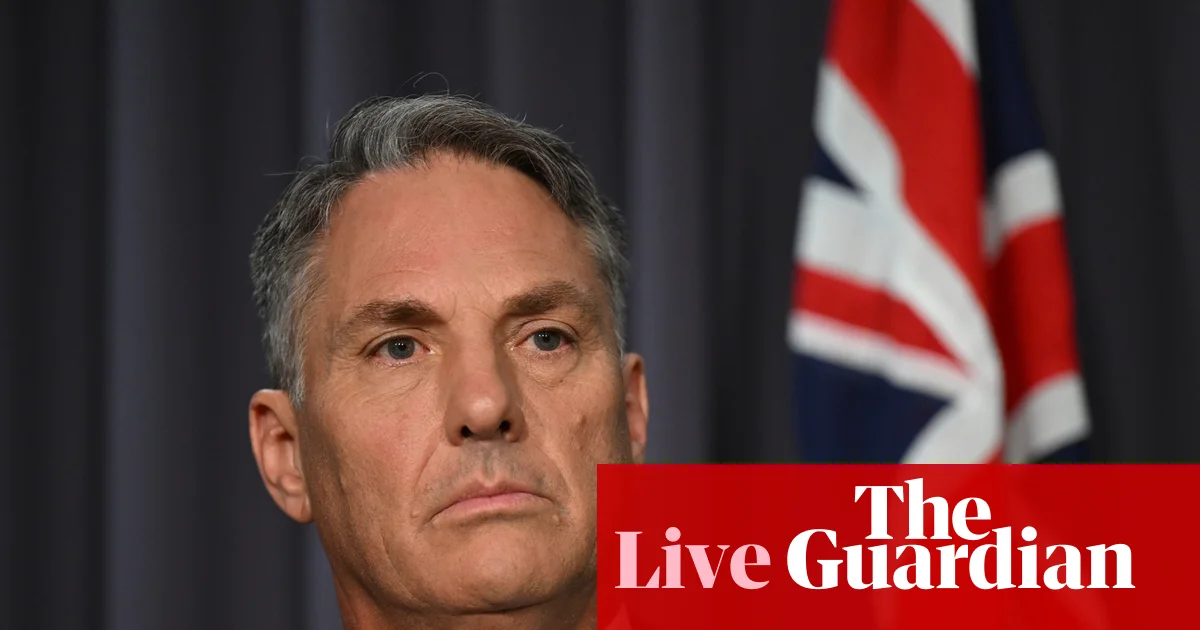
High-profile critics like Ed Husic, a Labor MP, have voiced _deep concerns_, questioning the moral and strategic wisdom of extending diplomatic warmth to President Herzog amidst the backdrop of Israel’s recent military operations. Husic’s reservations are echoed by various international legal and human rights organizations, such as the UN commission of inquiry on Palestinian territories, which have urged the Australian government to reconsider the invitation in light of the _controversy and violence_. In the corridors of power, Richard Marles, Australia’s Deputy Prime Minister, has defended Herzog’s visit, emphasizing its _importance_ for security and diplomatic relations. Nonetheless, this move exposes Australia’s delicate balancing act—maintaining strong bilateral ties while managing domestic divisions and international scrutiny.

The decision to host President Herzog is not made in isolation but is intertwined with wider strategic concerns. The government has underscored its commitment to _security_ and _diplomatic engagement_, yet this stance arrives amidst criticisms that Australia is _aligning too closely_ with Western allies at the expense of marginalized voices concerned with human rights and justice. Simultaneously, the ongoing political struggles within Australia’s Parliament—most notably, the leadership dispute involving Sussan Ley and the right faction—signal a nation in ideological flux. Analyst voices from global institutions warn that these internal conflicts risk _undermining_ Australia’s credibility and strategic coherence in the Indo-Pacific and beyond.

  • The Australian government has publicly maintained that its _foreign policy_ remains consistent, with Minister Marles affirming, “there haven’t been any changes or shifts in our strategic or tax arrangements.” However, the political maneuvering behind the scenes indicates a nation grappling with _intergenerational_ challenges, especially around housing affordability and tax reforms like the _capital gains tax discount_.
  • Amidst these tensions, the Australian Council of Trade Unions has called openly for _reform_ of property taxes, citing the _”deep unfairness”_ in housing inequality exacerbated by policies enacted over decades—particularly the _discount introduced in 1999_ under John Howard, which has significantly fueled investment in existing housing—further widening disparities and impeding the dream of homeownership for younger generations.
  • On the international stage, figures such as Chris Sidoti, an UN inquiry commissioner, have urged the Australian government to _reconsider_ its diplomatic commitments related to Israel, emphasizing the _moral_ and _strategic_ stakes involved. This internal dialectic — between diplomacy, domestic politics, and societal values — underscores a pivotal question: How will Australia’s leadership navigate this volatile terrain without losing its footing in a rapidly changing geopolitical order?

As history continues to unfold, the weight of these decisions will resonate far beyond today’s headlines. With the internal pressure mounting from within and the global community watching critically, Australia stands at a crossroads—its choices rippling across the Indo-Pacific and shaping the future of international diplomacy. Will it persist in steadfast alliances and domestic policies that favor strategic stability, or will the _internal divisions_ and _international controversies_ fracture its resolve? The coming days will reveal whether this nation can uphold its sovereignty and sense of justice, or if it inevitably becomes entangled in a web woven by shifting alliances and internal discord. In this moment, history’s pen is poised, and the story of Australia’s future is still being written—each decision a stroke in the vast canvas of a nation seeking its place amidst a tumultuous world.

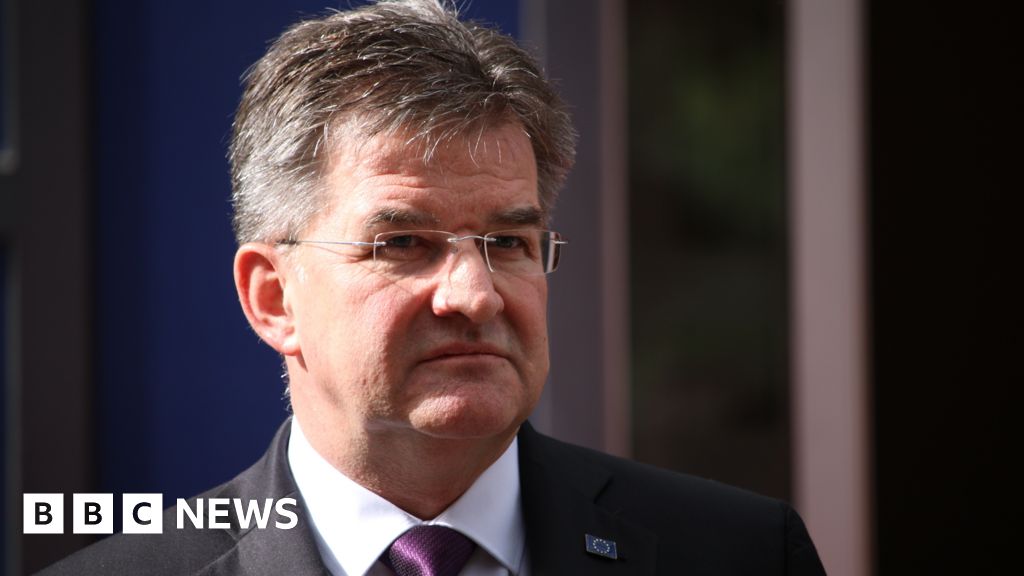
Slovakia's security adviser quits over Epstein scandal—raises questions for youth security mindset
Slovakia’s security adviser quits over Epstein scandal—raises questions for youth security mindset

International Diplomacy in Turmoil: Miroslav Lajčák’s Resignation Sparks Global Investigation

In a startling development that underscores the fragile state of international diplomacy, Miroslav Lajčák, a prominent figure in global diplomatic circles and former high-ranking official at the European Union, has resigned amid revelations of inappropriate exchanges involving the late sex offender. Recently released communications paint a troubling picture, revealing Lajčák discussing personal relationships, including references to girls, in conversations with a figure linked to severe criminal conduct. Such disclosures have ignited an international debate over integrity within diplomatic ranks and the potential ramifications for global diplomacy’s credibility.

The controversy erupted after leaked transcripts surfaced, illustrating that Lajčák engaged in discussions that breach the expected boundaries of diplomatic decorum. While some analysts initially speculated on the motives behind releasing these conversations, the broader implication remains clear: questions about accountability and the ethical conduct of high-profile diplomats are now front and center. The international community’s trust in diplomatic channels—especially those involving key mediators in multilateral agreements—comes under unprecedented scrutiny. Critics argue that these revelations threaten to undermine years of diplomatic effort aimed at fostering stability, cooperation, and peace among nations, especially in regions heavily reliant on diplomatic negotiations.

Against this background, international institutions such as the United Nations and influential regional organizations have issued statements emphasizing the importance of integrity and transparency. Notably, some geopolitical analysts argue that these developments could serve as a turning point, exposing underlying vulnerabilities in diplomatic oversight. Historically, figures like Lajčák have been regarded as skilled negotiators, yet now their reputations are scrutinized through the lens of personal conduct. The gradual erosion of trust in diplomatic figures might influence future engagement strategies, forcing nations to reassess the vetting processes for those entrusted with sensitive negotiations. In the broader sense, this case illuminates how individual moral lapses can threaten entire diplomatic architectures—potentially leading to a reevaluation of international protocols on conduct and accountability.

The geopolitical impact of this scandal extends beyond individual careers. It raises pressing questions about how decisions made behind closed doors affect entire societies. Countries that rely on diplomatic mediators to navigate conflicts, denuclearization efforts, or trade negotiations could find themselves facing increased instability if trust falters. As international observers dissect the implications, voices from respected historians and foreign policy analysts warn of a dangerous precedent: that the credibility of diplomacy itself is fragile and can be compromised by scandals of personal misconduct. The ongoing investigations and potential repercussions threaten to alter the landscape of international negotiations, compelling governments to implement stricter ethical guidelines and oversight mechanisms.

As history continues to unfold in real time, the world watchfully stands on the precipice of change. The luster of diplomatic authority dims in the shadow of personal malfeasance, yet this moment also insists on reflection: can trust be restored once breached? With the weight of the global community at stake, the fallout from Miroslav Lajčák’s resignation serves as a stark reminder that the fabric of international diplomacy is woven carefully through both words and deeds. The future hinges on whether nations will learn to uphold integrity in the face of scandal—or allow these revelations to fracture the delicate web of cooperation that sustains peace in an increasingly volatile world.

US Government Partially Shuts Down Over Homeland Security Funding—A Win for Fiscal Responsibility

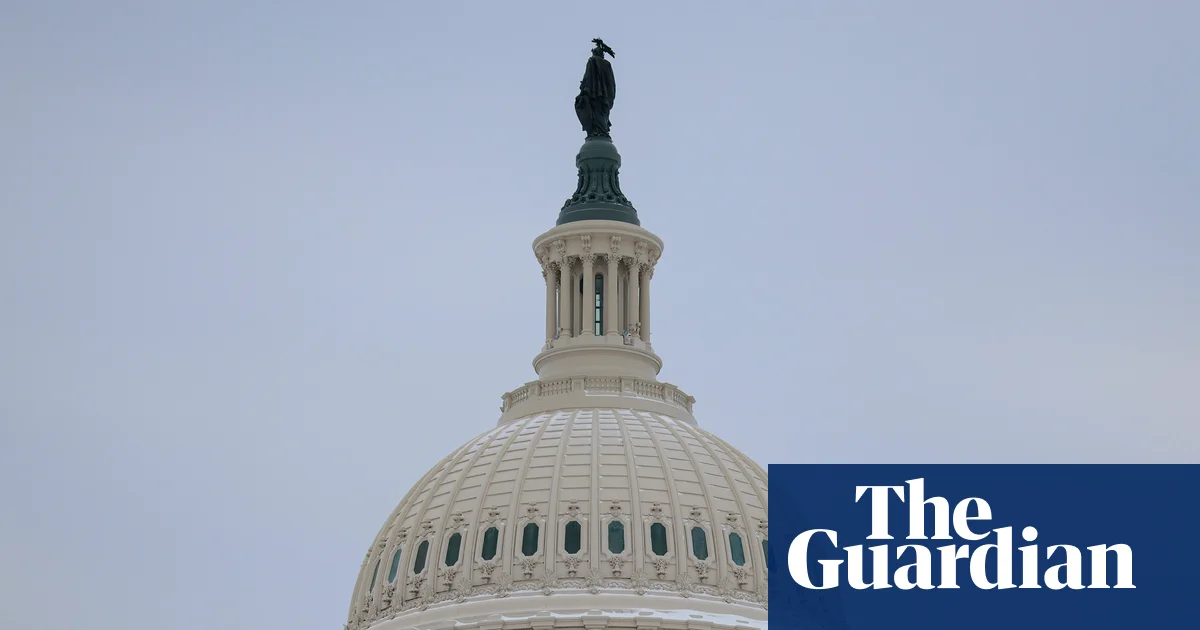
In a dramatic turn of US political turmoil, funding for several federal departments has lapsed amidst a fierce standoff in Congress. This partial government shutdown, initiated on Saturday, exposes the deep divisions over immigration enforcement and domestic policy, as Democrats and Republicans clash over new restrictions on federal agents following a series of controversial killings. The trigger was a dispute over the Department of Homeland Security’s (DHS) funding, which became politicized after incidents involving federal agents—namely the deaths of Alex Pretti in Minneapolis and Renee Good earlier in January. Democratic senators have refused to endorse the bill without crucial reforms, citing concerns over police conduct, masks, and accountability—a stance that risks further paralysis in one of the world’s most powerful nations.

  • Democrats are pushing for reforms such as mandatory body cameras, bans on “roving patrols,” and independent investigations into officer misconduct.
  • Republicans, meanwhile, insist on maintaining broader funding without punitive restrictions, fearing that such demands might politicize law enforcement further.
  • The Senate narrowly passed a two-week DHS funding extension, but the House, controlled by a slim Republican majority, remains uncertain about approving the measures, especially as right-wing factions push to attach voting identification provisions like the Save Act.

Analysts, including political strategists and international observers, warn that this internal squabble signals deeper geopolitical implications. The US, historically viewed as a global leader in stability and governance, now appears fractured, with domestic infighting threatening to weaken its international standing. The partial shutdown echoes past crises, but this time it occurs amidst rising tensions worldwide, from China’s expanding influence to Russia’s assertiveness. Each delay at home distracts from the formidable task of managing global crises, and experts warn that prolonged dysfunction could embolden adversaries who doubt America’s resolve.

According to prominent historians and international institutions like the Council on Foreign Relations, the current crisis underscores the **fragility of American institutions**. The focus on issues such as immigration enforcement and police accountability reveals the profound societal divide, impacting both how nations view American leadership and how American society perceives itself. The internal debates are not merely about policy but reflect broader questions of sovereignty, justice, and national identity. With the government’s future hanging in the balance, a culture of political brinkmanship risks turning external perception into doubt—a crucial moment that could redefine the US’s influence for generations to come.

As the nation teeters on the edge of further shutdowns, the world watches with trepidation, knowing that the unfolding events in Washington are more than domestic politics—they are a symbol of a **nation at a crossroads**. Will America forge a path towards unity, or will internal divisions deepen, leaving an indelible mark on history? The echoes of today’s crisis will resonate through the corridors of power and across every continent, as policymakers account not only for the immediate fallout but for what this tumult reveals about the **geopolitical superpower’s** resilience in confronting both internal and external challenges. The story remains unwritten—yet its chapters are being inscribed with every passing day, shaping the course of history in a world hungry for leadership amidst chaos.

North-East Syria Security Tension Grows as Fear of IS Return Flares Up

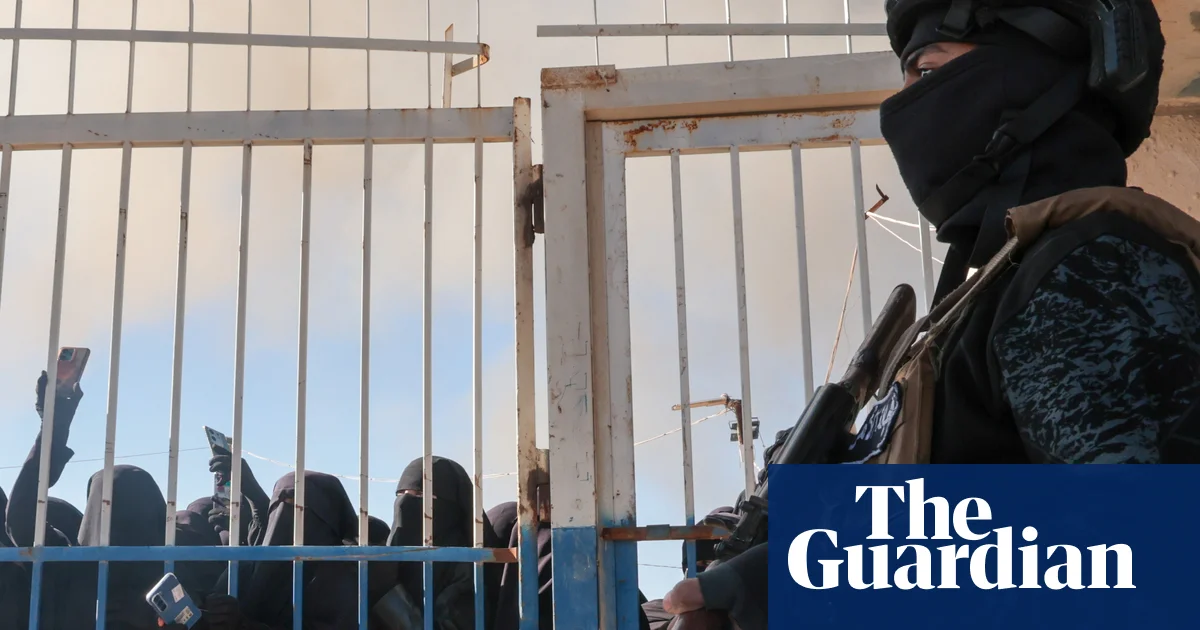
Amidst the tumultuous landscape of north-east Syria, a crisis of monumental proportions is unfolding, with consequences that reverberate across the geopolitical spectrum. Western officials, closely monitoring the deteriorating security situation, express grave concern over the resurgence of Islamic State militants (IS). The recent chaos involves a dramatic transfer of approximately 150 IS fighters from a frontline prison in Hasakah to Iraq, as the United States signals a readiness to evacuate up to 7,000 detainees. This move underscores the fragility of peace in the region and the peril that lurks within these unresolved conflicts, making it clear that the threat of a dangerous breakout remains alive—an alarming development for global security.

The chaos was fueled by a swift advance of Syrian government forces, which seized control of key prisons and camps housing former IS fighters and thousands of women and children connected to the terror network. The events led to an unprecedented change of hands over camps like al-Hawl, home to over 20,000 women from roughly 70 countries, highlighting the international dimension of this humanitarian crisis. Reports of escapes and a loss of control have amplified fears across Europe, where many of these foreign detainees pose a persistent threat. According to analysts such as Nanar Hawach from Crisis Group, the region is not witnessing a reborn caliphate but rather a dispersed insurgency rebuilding in the cracks—an insidious threat that could ignite anew if containment fails.

The geopolitical impact of these developments extends deeply into the strategic calculations of global players. The recent Washington decision to abandon support for the Syrian Democratic Forces (SDF)—long considered the primary anti-IS force on the ground—marks a pivotal shift. US special envoy Tom Barrack emphasized that the US’s primary partner in holding down IS had shifted towards reliance on the Damascus regime, led by President Ahmed al-Sharaa. Such a move signals a strategic recalibration, as Washington appears to prioritize stability over ideological affinity, even if it means tacitly endorsing the Assad regime’s evolving authority. This shift not only impacts the balance of power but also risks empowering insurgent networks and prolonging chaos, which analysts warn could destabilize the entire region further.

The ongoing conflict, marked by rapid territorial gains by Syrian government forces and fragile ceasefires, continues to ripple through the region’s delicate mosaic of alliances and enmities. Despite the official cessation of hostilities, the collapse of the ceasefire and the rapid advances by Assad’s forces threaten to escalate into a wider confrontation, with Kurdish factions caught in the middle. As the international community watches with concern, the fate of camps like al-Hawl remains uncertain, burdened by resource shortages and the inability of the Syrian government to fully manage the complex humanitarian demands. Experts like Hawach warn that managing these camps and preventing the resurgence of insurgent elements is complicated by institutional weakness—an issue that could undermine any efforts toward stabilization.

As history unfolds in the shadows of war, the fate of north-east Syria hangs in the balance. With alliances shifting and the specter of chaos lurking, this volatile corner of the Middle East embodies the high stakes and profound consequences of modern geopolitical decisions. Whether this crisis escalates into a renewed caliphate or spirals into broader regional destabilization, the world bears witness to a chapter where the weight of history continues to be written in the dust and violence of a land scarred by decades of conflict—an uncertain future that demands vigilance, resolve, and a careful understanding of the intricate webs that bind nations together in this stage of relentless upheaval.

Hong Kong tycoon convicted in major national security crackdown, signaling tough stance on dissent

Hong Kong’s Jimmy Lai Conviction Marks a Turning Point in Global Geopolitics

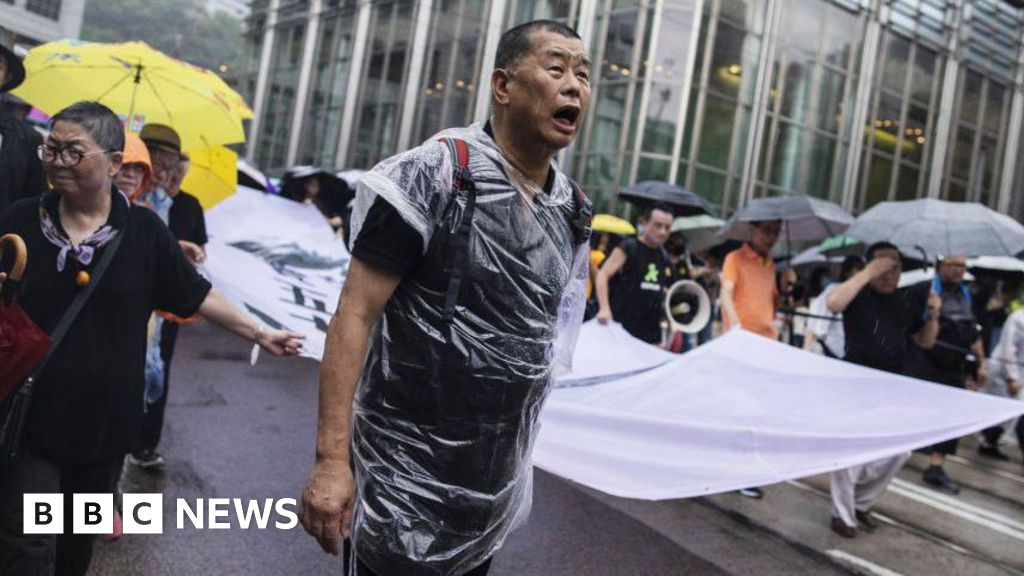
The recent verdict against Jimmy Lai, the famed Hong Kong pro-democracy activist and media tycoon, signals a profound escalation in the ongoing struggle over the city’s future and the broader battle for influence between China and the West. Found guilty of colluding with foreign forces under the city’s controversial national security law (NSL), Lai’s conviction reverberates far beyond Hong Kong’s borders, serving as a stark warning to dissenters and a testament to Beijing’s unwavering commitment to tightening its grip on the former British colony.

This legal action, which many scholars and analysts are calling a turning point in judicial independence, exemplifies how Beijing is actively rewriting the rules of engagement within the region. The U.S. and UK, long advocates for civil liberties in Hong Kong, condemned Lai’s trial as an example of “politically motivated persecution,” emphasizing that his conviction was motivated not by justice but by China’s desire to silence anyone daring to challenge Communist Party authority. International watchdogs, including Human Rights Watch, have asserted that the NSL and related legal practices are used to crush dissent and dismantle Hong Kong’s once vibrant pro-democracy movement. The judgment underscores how decisions made in Hong Kong are now deeply intertwined with geopolitical impact, shaping a conflict that pits Western values of free expression against an authoritarian Chinese state eager to consolidate power.

The case of Lai, who used his now-defunct Apple Daily newspaper as a platform to promote democratic ideals and lobby foreign governments for sanctions, is a stark symbol of the broader clash for ideological control. His advocacy, coupled with open meetings with U.S. officials like then-Vice President Mike Pence and Secretary of State Mike Pompeo, demonstrated how the pro-democracy movement in Hong Kong was viewed as a direct challenge to Beijing’s sovereignty. The Chinese government, through state media like Global Times, has responded with unwavering resolve, asserting the case sends a “clear message” — that any attempt to undermine the integrity of the nation will be met with “severe punishment.” Such rhetoric highlights how Beijing’s strategy employs legal measures as a tool for political consolidation, signaling to the world that dissent in Hong Kong—and beyond—is increasingly dangerous and, ultimately, futile.

In analyzing this development, experts warn that the implications extend well beyond Hong Kong. The fallout influences international relations and impacts the ability of democracies to stand up for their principles. Governments including the UK and US have criticized the Chinese authorities, demanding Lai’s immediate release, claiming his trial exemplifies the danger facing free societies worldwide. This clash over Hong Kong’s legal sovereignty is viewed by many as a broader contest over the future of freedom in a rising tide of authoritarianism. The question remains: how long can the West afford to ignore the tide of Chinese expansion that is now sharply focused on rewriting regional laws and norms to serve the interests of a rising autocratic power? The decisions taken in this courtroom will resonate throughout history, testing the resolve of nations that cherish liberty and debating the limits of State power in the name of security.

As history continues to unfold, Lai’s fate whispers a haunting warning — that the battle for the soul of Hong Kong is not just a local story. It is a story written in the margins of a global power struggle, where freedom’s defenders confront an increasingly assertive state that will go to any lengths to silence those who dare challenge the order. The echoes of Lai’s verdict serve as a stark reminder: in the shadows of justice, the true conflict for history’s verdict still looms, waiting to be written with the blood and defiance of those who dare challenge the silence imposed from Beijing to the world stage itself.

AT&T’s Connected Life: A Fresh Play in the Smart-Home Arena

AT&T Reimagines Smart Home Market with Connected Life Launch

The telecommunications giant AT&T is making a bold second move into the smart home ecosystem with its newly announced Connected Life platform. After the company’s earlier effort, Digital Life, was phased out in 2022—owing largely to the obsolescence of its underlying 3G network—AT&T is now leveraging a strategic partnership with Google and Abode to disrupt traditional home security and automation markets. This move highlights a growing trend among established tech and telecom giants eager to integrate connected devices into a unified, user-friendly ecosystem that capitalizes on existing customer bases and facilitates rapid adoption.

At the core of Connected Life is a focus on innovation and disruption. The platform bundles Google Nest smart devices—though not the latest versions—and security sensors into two different kits: the Starter Kit at $11 per month (or $399 upfront) and the Advanced Kit at $19 per month (or $699 upfront). The Advanced Kit expands on features with additional sensors, a security keypad, and a Nest Cam security camera, providing an integrated end-to-end smart home experience designed to simplify user setup and management. This market shift towards turnkey solutions is driven by consumer demand for seamless integration, together with the rise of professional installation services that reduce barriers for less tech-savvy users. Google’s API integration through the Google Home platform ensures devices are manageable via a single app, emphasizing the importance of interoperability—a principle championed by MIT’s recent research on smart ecosystems.

From a business perspective, AT&T’s move signifies a strategic disruption of incumbents in smart home security. Given that AT&T has over 119 million wireless mobile customers and more than 10 million fiber optic internet subscribers, its potential reach to pitch a unified smart home solution is unprecedented. This business model consolidates multiple lines of service: telecommunications, internet, and smart devices—creating an ecosystem that fosters customer retention and opens new revenue streams. Industry analysts from Gartner suggest that such integrated platforms could redefine consumer expectations, forcing competitors like Amazon, Apple, and smaller startups to accelerate their own innovation cycles. What remains to be seen is whether AT&T can leverage its scale to deliver on reliability and user experience, critical factors for disruption success in this crowded space.

Looking to the Future: Innovation as the New Norm

The launch of Connected Life signals an industry-wide pivot towards consolidated, AI-enhanced smart environments. With ongoing advancements in AI, sensor technology, and 5G connectivity, the industry is on the cusp of a new era where homes will become autonomous, predictive, and deeply integrated with daily life. It’s a call to industry leaders and innovators alike: innovation and disruption are no longer optional but essential for survival in this rapidly evolving market.

As Elon Musk and Peter Thiel have often noted, disruption is the engine of progress. Falling behind in this race risks obsolescence, especially as consumer expectations shift toward ease and security. With AT&T’s formidable scale coupled with strategic partnerships, the company is clearly positioning itself to be a market leader—not just in connectivity but in the digital transformation of the smart home. The next few years will be crucial in determining whether this initiative can sustain innovation and truly disrupt industry giants. The future belongs to those who accelerate—this is the moment for bold moves, rapid iteration, and relentless pursuit of the cutting edge.

US security moves mirror Russia's vision, Moscow asserts
US security moves mirror Russia’s vision, Moscow asserts

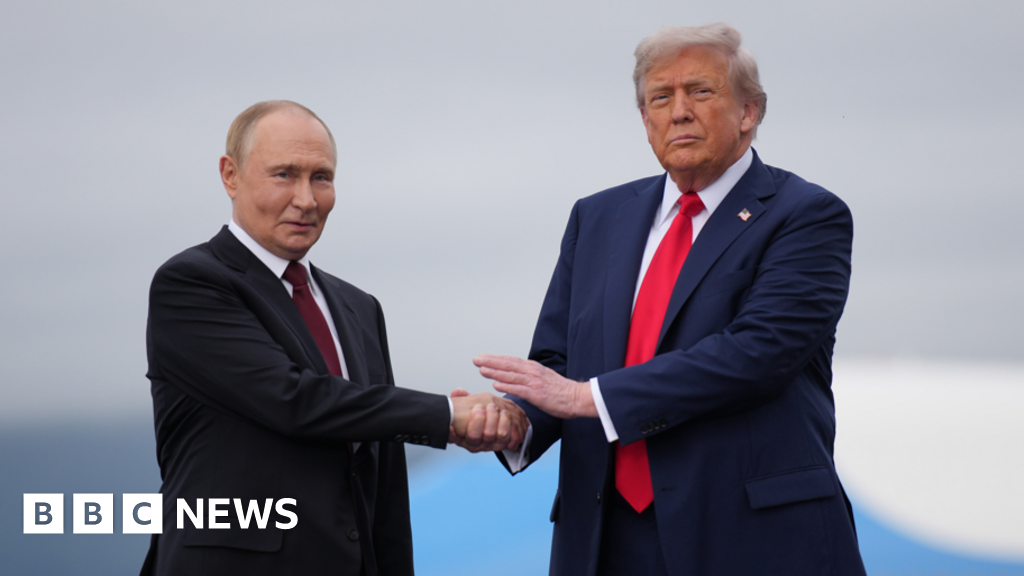
The recent unveiling of the United States’ National Security Strategy signals a pivotal moment in international geopolitical dynamics. While the document’s tone might seem conciliatory towards Russia, it also underscores a strategic realignment aimed at reinforcing America’s global influence. Moscow’s swift endorsement, described by Kremlin spokesperson Dmitry Peskov as “largely consistent” with Russian interests, indicates a mutual understanding—at least on the surface—designed to calibrate the ongoing tensions surrounding Ukraine and the broader European security architecture. However, this perceived alignment masks deeper strategic intentions that could reshape alliances and regional stability for years to come.

This strategy paints a stark picture of Europe’s future, portraying it as facing “civilisational erasure” due to intra-continental shifts, mass migration, and perceived censorship. Such framing signals the US’s intent to influence domestic European politics, championing patriotic European parties and advocating for a “revival of Western identity.” Instead of viewing Europe solely as an ally, Washington now appears to see it as a battleground for ideological and civilizational contest, with key stakeholders openly discussing the threat of economic destabilization and societal transformation. Historians emphasize that such rhetoric, when combined with the call for “re-establishing strategic stability,” could further entrench divisions, possibly undermining the very stability that transatlantic partnerships have bet upon for decades.

Meanwhile, Europe’s leadership navigates a complex web of relations, as some officials like German Foreign Minister Johan Wadephul stress the enduring US alliance within NATO—focused chiefly on security. Yet, critics from across the political spectrum, including former Swedish Prime Minister Carl Bildt, condemn the strategy for aligning too closely with extreme right factions and the far-right Alternative für Deutschland (AfD). Such connections raise concerns about the US’s flirtation with radical elements, threatening to polarize Europe further and undermine stability from within. Analysts warn that this alignment could embolden nationalist rhetoric and threaten the unity of European institutions, complicating efforts to resolve conflicts in Ukraine and Eastern Europe. As the US pushes for increased defense spending in countries like Japan, South Korea, Australia, and Taiwan, the geopolitical stakes escalate, with implications extending far beyond immediate security concerns.

Critics in Congress, including representatives such as Jason Crow and Gregory Meeks, warn that this strategy could severely damage America’s reputation and leadership in the international arena. The narrative of “America First,” paired with military interventions in the Caribbean and possible action in Venezuela, signifies a retreat from the value-based diplomacy that once underpinned U.S. foreign relations. As historians and analysts stress, such shifts threaten to isolate the United States from traditional allies and diminish its strategic credibility. In a world increasingly divided, the weight of history presses upon the choices made today—choices that could redefine the global order and determine the fate of countless societies. As the ink dries on this strategy document, the true repercussions remain cloaked in uncertainty, yet their echoes will resonate through the corridors of history, shaping the destiny of nations for generations to come.

Guardio Secures $80M from ION Crossover to Boost Cybersecurity for the Next Generation

Guardio Emerges as Pioneering Force in Securing AI-Generated Web Content

The rapid proliferation of vibe coding tools has sparked a paradigm shift in the web development landscape, unleashing unprecedented innovation but also exposing critical security vulnerabilities. As startups and corporations race to capitalize on AI-driven code generation, the industry now faces a looming threat: malicious actors leveraging these same tools for cybercrime. Guardio, a cybersecurity innovator founded in 2018, is positioning itself at the forefront of this disruption, developing groundbreaking solutions that address the emergent blind spots in vibe-coded web applications.

Disrupting Traditional Security Models with AI-Focused Threat Detection

Unlike conventional cybersecurity approaches that rely on static signatures or reactive scans, Guardio harnesses its extensive expertise in detecting malicious sites and phishing campaigns to target AI-authored malicious code. The company’s latest initiative is a specialized tool that examines artifacts in vibe-coded sites and codebases, seeking signs of nefarious activity embedded within AI-generated content. This move signifies a paradigm shift: security now must evolve from perimeter defense to proactive threat identification in dynamic, AI-enhanced ecosystems.

  • Innovation in code artifact analysis tailored to AI-generated content
  • Real-time scanning integrated into browser extensions and mobile apps
  • Partnerships to embed security directly into AI development platforms

Its collaboration with Lovable, a platform that develops vibe-coded websites, exemplifies this shift. After reports of security gaps in sites built on Lovable, Guardio’s comprehensive scanning infrastructure is now used to weed out malicious or vulnerable sites preemptively, thereby disrupting the typical reactive cycle of cybersecurity.

Business Implications and Market Disruption

Guardio’s recent $80 million funding round, led by ION Crossover Partners, underscores a broader investor recognition: cybersecurity intertwined with disruptive AI-driven web development is a fast-growing market. The company’s valuation has tripled since its previous fundraising, reflecting confidence in its ability to innovate and scale. With over 500,000 paying users and reaching $100 million in annual recurring revenue, Guardio’s trajectory highlights a significant market shift: security solutions are now central to the future of AI-generated content and web development platforms. This evolution threatens incumbents unprepared for the rapid pace of change, creating lucrative opportunities for agile disruptors.

  • Disruption of legacy security models that lack AI-specific threat detection capabilities
  • New revenue streams from integrated security tools embedded within AI coding environments
  • Potential industry-wide pivot towards proactive, integrated cybersecurity in AI ecosystems

As Gilad Shany of ION Crossover notes, Guardio’s convergence of consumer market experience with top-tier cyber innovation presents a unique competitive edge. Its focus on embedding security directly into the development pipeline signals a forward-looking strategic play for tech giants and startups alike.

Future Outlook: Urgency for Security in the AI-Driven Web Era

The critical takeaway for industry leaders, developers, and policymakers is clear: the era of unchecked AI-driven code creation is over. Guardio’s aggressive innovation not only disrupts existing cybersecurity paradigms but also signals that the future of web development will be inseparable from robust, intelligent security measures. As AI continues to accelerate innovation, the threat landscape will expand exponentially, demanding a proactive, disruptive approach to cybersecurity. Industry experts, taking cues from institutions like MIT and thought leaders such as Elon Musk, emphasize that those who outpace security threats today will dominate the digital economy of tomorrow. The urgency is undeniable: the race to secure AI-empowered web environments is on, and the stakes could not be higher.

Hezbollah suspect faces trial in Germany amid rising security concerns

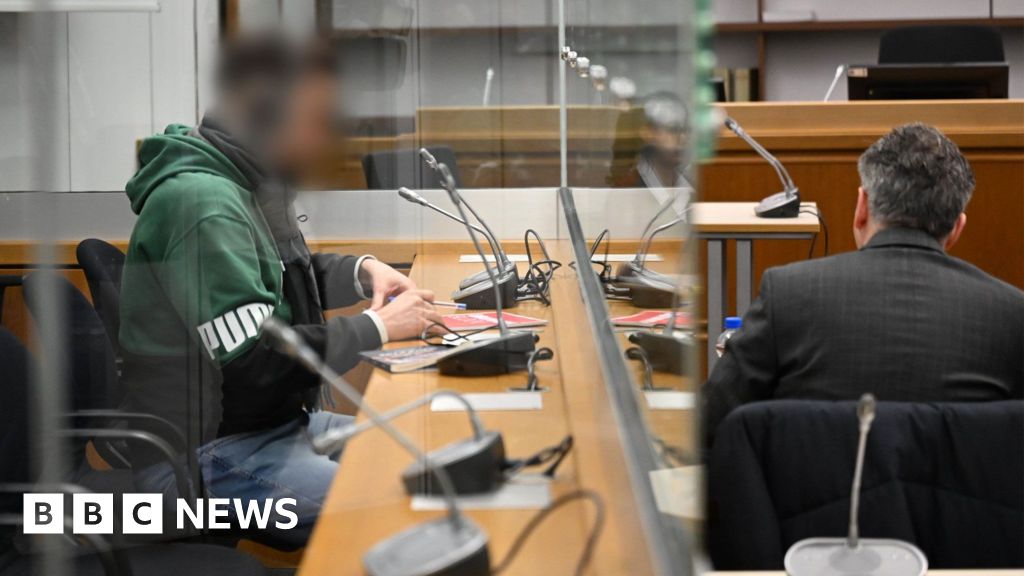
The recent trial of Fadel Z, a Lebanese national accused of assisting Hezbollah’s burgeoning drone arsenal, has cast a spotlight on the organization’s expanding military capabilities and the broader regional implications of its actions. Amidst ongoing hostilities and international concern, this case underscores the sophistication of Hezbollah’s covert operations that stretch across continents and threaten stability in the Middle East. According to German authorities, Z is alleged to have played a vital role in procuring components for Hezbollah’s drone program, which has reportedly amassed over 10,000 units by mid-2024. This development signifies a clear escalation in Hezbollah’s military strategy, transforming it from a clandestine militia into a technologically advanced force capable of offensive operations, with serious implications for geo-strategic stability.

Since launching an extensive drone program, Hezbollah has increasingly utilized European, Chinese, and American suppliers to arm its arsenal, often through front companies registered under false identities. This clandestine supply chain has enabled the group to acquire essential parts such as motors, propellers, and explosives. Prosecutors detail how operations like those of Fadel Z facilitate illicit trade across borders, aiding Hezbollah’s efforts to target Israeli military and civilian sites—most notably, the drone attack on a retirement home in Herzliya during Yom Kippur. Such acts of aggression are not isolated; they reflect an organized campaign backed by regional actors and global trade networks, heightening concerns over the destabilizing influence of Iran-backed militias. Analyst Dr. Martin Shaw from the International Strategic Studies Institute emphasizes that these developments serve to deepen Iran’s footprint across the Levant, challenging Western and regional efforts to contain Tehran’s influence.

Meanwhile, the escalation of violence between Israel and Hezbollah follows recent hostilities linked to Hamas’s October 2023 attack, prompting a deadly cycle of retaliation. Hezbollah’s response with drone strikes and rocket barrages marks a concerning shift in tactics, blurring the lines between state and non-state actors in a conflict that threatens regional and international stability. The conflict’s toll is staggering: Lebanese authorities report approximately 4,000 casualties, many civilians, along with the displacement of over 1.2 million residents, while Israel suffered over 80 soldier fatalities and dozens of civilian deaths. The United Nations and strategic analysts warn that continued escalation could ignite a broader regional conflict, drawing in powerful neighbors and global powers alike. As world leaders deliberate over diplomatic avenues, the decades-long ambiguity surrounding Hezbollah’s true military strength and covert activities remains a pressing geopolitical concern, with experts warning that, if unchecked, such insurgencies could redefine Middle Eastern geopolitics for generations to come.

As courts in Europe examine the depth of Hezbollah’s clandestine network, the global community watches with anticipation—and trepidation. The case of Fadel Z highlights a larger narrative: the intertwining of terrorism, advanced technology, and international trade that fuels ongoing conflicts. The unfolding story of this trial and the ongoing violence illustrates how decisions made behind closed doors can have rippling effects across continents. With history’s weight shifting ever more decisively, nations face an uncertain future—one where the balance of power hangs on the edge of a new technological arms race, teetering on the precipice of a broader regional war that could reshape the very fabric of the Middle East for decades yet unborn.

Social Media Auto Publish Powered By : XYZScripts.com