Matox News

Truth Over Trends, always!

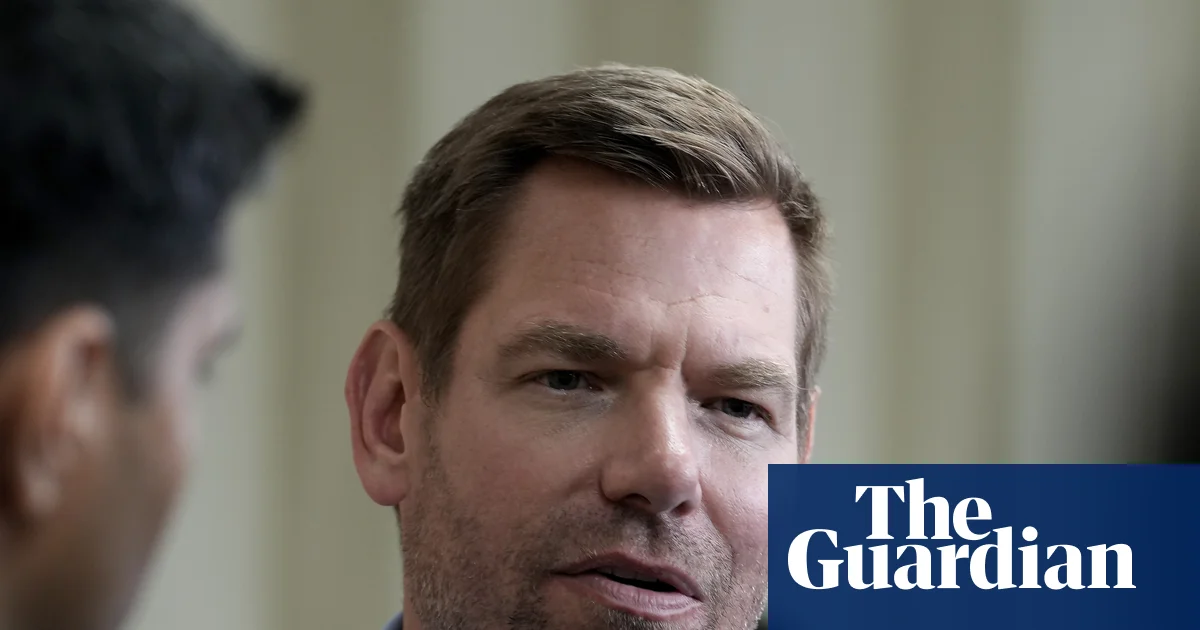
California: Swalwell’s Team Quits Amid New Sexual Assault Allegations

In an era characterized by rapid geopolitical shifts and an increased focus on moral integrity within leadership, the recent turmoil surrounding California’s gubernatorial race signals more than a local scandal; it underscores a profound how domestic political decisions shape international perceptions of moral standards. The downfall of Eric Swalwell, a leading figure in California and a prominent advocate of aggressive anti-Trump rhetoric, exemplifies how internal crises can weaken what many see as the vanguard of progressiveness. As allegations of sexual misconduct emerge, the ripple effects extend beyond state borders, casting long shadows over the Democrat’s broader national strategy that hinges on continued social and political upheaval.

With multiple staffers resigning and key endorsers rescinding their support, Swalwell’s campaign now stands on the brink of collapse. The revelations came from detailed reports published by the San Francisco Chronicle, citing anonymous testimonies of women claiming misconduct dating back years. Despite denials from the congressman, the damage to his credibility has already shifted the political landscape. Historians and analysts warn that such internal crises have a destabilizing effect on the Democratic Party’s efforts to mobilize youth and progressive voters who once saw Swalwell as a symbol of anti-establishment resistance. This upheaval is a clear indication that the global community, particularly adversarial nations, observe these scandals as signs of internal decay, affecting the perception of American leadership at large.

  • Major political endorsements—including those from Senator Adam Schiff and Arizona Senator Ruben Gallego—have been withdrawn, signaling a significant loss of institutional backing for Swalwell’s candidacy.
  • The call for him to step down from both the gubernatorial race and Congress has grown louder, with figures like Antonio Villaraigosa describing the attacks as a “disgrace to our democracy.”
  • Within days, the internal fissures in the Democratic camp reveal that their ability to present a united front is diminishing, an issue that resonates globally as political parties grapple with issues of accountability and moral integrity.

The international geopolitical impact of this turn of events is palpable; in a world where governments are scrutinized heavily through the lens of ethical conduct, internal scandals like Swalwell’s serve as a cautionary tale. As noted by expert political analysts, such incidents weaken a democracy’s moral authority and embolden adversaries, both foreign governments and internal dissidents who argue the U.S. lacks the moral rigor to impose its values elsewhere. The fallout also influences how allies and rivals perceive America’s willingness to uphold its self-professed standards of justice and decency, which is increasingly vital in a multipolar world riddled with conflicts.

Through these tumultuous days, a powerful message emerges: the fabric of a nation’s leadership is woven with both policy and principle. As history continues to unfold, the question remains whether the United States can survive these internal crises without succumbing to fragmentation—a nation at a crossroads, with its destiny still uncertain, its future forged by both the choices it makes and the scandals it confronts. This chapter may well become a turning point for defining the resilience of American democracy in a turbulent era, and the world watches, uncertain and expectant, as the weight of history presses down on every decision made in the halls of power.

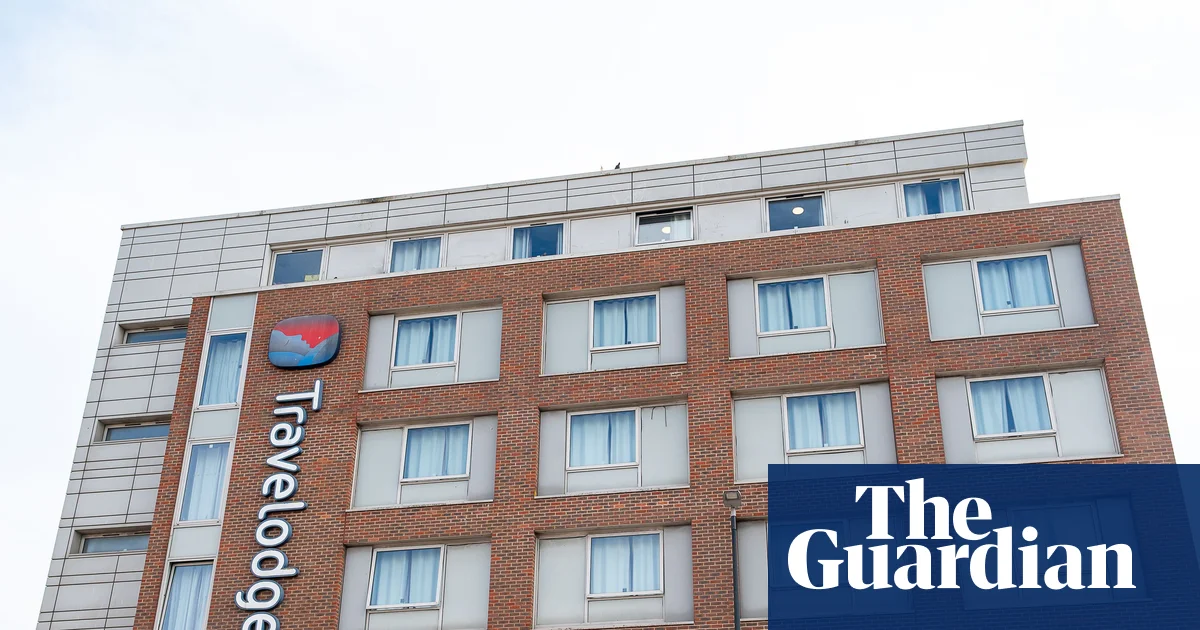
Starmer demands Travelodge chief address MPs on sexual assault allegations

In an increasingly interconnected and vigilant world, domestic security breaches quickly escalate into matters of international concern. The recent scandal involving Travelodge—a prominent hotel chain—has not only ignited outrage within the United Kingdom but also prompted a broader debate on the responsibilities of global corporations in ensuring safety and security. The case of Kyran Smith, a convicted sexual offender who unlawfully accessed a woman’s room after staff facilitated his entry, underscores the critical importance of security protocols in hospitality establishments that serve millions. Prime Minister Keir Starmer has formally demanded accountability from Travelodge, insisting on swift and comprehensive reforms to prevent future tragedies, thus illustrating the rising influence of national entities in regulating corporate conduct amidst rising concerns over security lapses.

  • The incident has prompted over 20 MPs to request an urgent hearing with Travelodge executives, highlighting the heightened political sensitivity surrounding security failures in key industries.
  • Starmer’s intervention emphasizes a broader geopolitical trend: governments increasingly hold corporations accountable for safeguarding citizens, reflecting a shift from laissez-faire approaches to explicit regulatory oversight.
  • Travelodge’s commitment to an independent review led by KC Paul Greaney signals an attempt to assuage public and political fears, yet critics question whether corporate reforms can keep pace with evolving threats.

Leading international organizations and security analysts warn that isolated incidents such as this serve as warnings of systemic vulnerabilities in the private sector’s infrastructure. Globally, the case resonates far beyond this single hotel chain, embodying the ongoing debate about the effectiveness of corporate governance in protecting vulnerable populations. Historians remind us that such scandals often catalyze significant legislative or regulatory shifts; the challenge lies in translating these responses into tangible protections. Meanwhile, experts caution that superficial changes—like upgraded access controls—must be followed by a cultural shift within corporations to prioritize security as an integral part of their operational ethos.

The geopolitical impact of the Travelodge case extends beyond Britain. As nations grapple with internal threats—from terrorism to organized crime—how multinational firms manage security reflects a global struggle to secure societies against internal vulnerabilities. This incident also underscores how local security failures can have ripple effects, affecting diplomatic relations, investor confidence, and international perceptions of safety. Countries with emerging markets and growing tourism sectors are now watching closely, recognizing that security protocols are not just a matter of customer service, but a fundamental element of national resilience in a rapidly volatile world stage. Historian and analyst commentary point to this event as a potential turning point—highlighting the necessity for corporate accountability within the larger framework of national security policy.

As the case unfolds, destinies remain intertwined with the decisions made today. Travelodge’s response, the political will to enforce tighter standards, and societal calls for change illustrate that history is not a static narrative but a continuous story—a story where the line between commercial enterprise and national security sharply blurs. The weight of these events reminds us that each misstep can become a catalyst for deeper transformation. In the shadow of future crises, the question echoes: will this be a moment remembered as a catalyst for meaningful change, or merely a fleeting scandal amidst the relentless march of history?

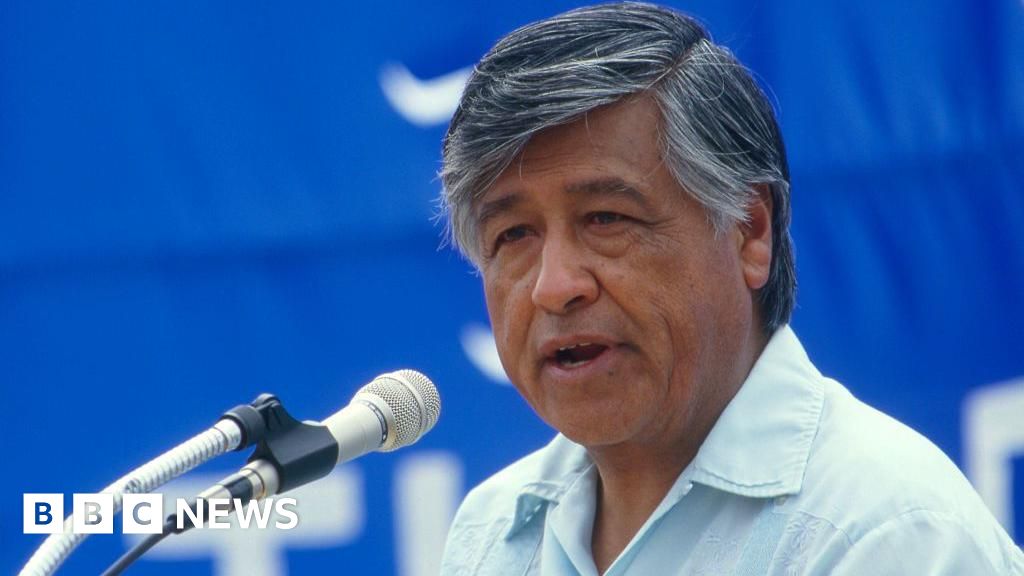
US Civil Rights Icon Cesar Chavez Alleged to Be Involved in Sexual Abuse Scandal

The international community is witnessing a significant shift as recent allegations against a prominent global figure have prompted widespread upheaval across political and cultural spheres. The accusations have ignited a ripple effect, leading to the cancellations of planned events and celebrations that once sought to honor this individual later this month. These developments highlight the fragile nature of leadership images in the digital age, where allegations can rapidly destabilize seemingly unassailable positions of influence.

Experts warn that such incidents are not isolated but are emblematic of a broader trend in global geopolitics—where moral and ethical considerations increasingly influence international relations. Historians and analysts highlight that these turning points can reshape public perceptions, elevate conversations about accountability, and even recalibrate diplomatic alliances. The decision to cancel events traditionally reserved for recognition or celebration underscores a significant shift—one that questions the long-standing narratives of leadership and integrity.

  • The allegations, which remain under investigation, have prompted several countries and organizations to reevaluate their stance towards the accused leader.
  • Global institutions, seeking to demonstrate adherence to transparency and moral accountability, have issued statements urging thorough investigations.
  • Some nations have used the allegations as leverage to push for reforms or greater scrutiny of their own officials, fueling a wave of anti-corruption sentiments across continents.

The geopolitical impact of these events extends far beyond the immediate sphere of the accused figure’s influence. How nations respond to such crises often influences diplomatic relations, shifts in power balances, and even internal social cohesion. Countries sympathetic to the accuser’s motives may powerfully condemn the alleged misconduct, strengthening their alliance against what they perceive as authoritarian overreach. Conversely, defenders of the accused often rally around their leader, framing the allegations as politically motivated attacks, thereby deepening societal divides.

International organizations like the United Nations and regional blocs are now being called upon to navigate this complex web of legal, ethical, and diplomatic considerations. These entities face the challenge of upholding international standards while managing the sensitivities of national sovereignty. Political analysts from think tanks underscore that the way these organizations handle such crises can set precedents that influence global governance for years to come.

As the world watches the unfolding drama, the words of seasoned commentators serve as stark reminders of history’s weight—reminding us that these moments of crisis are the forge in which future leaders and nations are tested. Will justice prevail, and what lessons will humanity draw from this chapter in the ongoing story of global politics? The answers are yet to be written, but one thing remains clear: the decisions and reactions shaping this crisis will echo through history, defining the moral contours of our era. In this turbulent time, the world stands at a crossroads, where every move may tip the scales of history, and each choice bears the potential to reshape the global order forever.

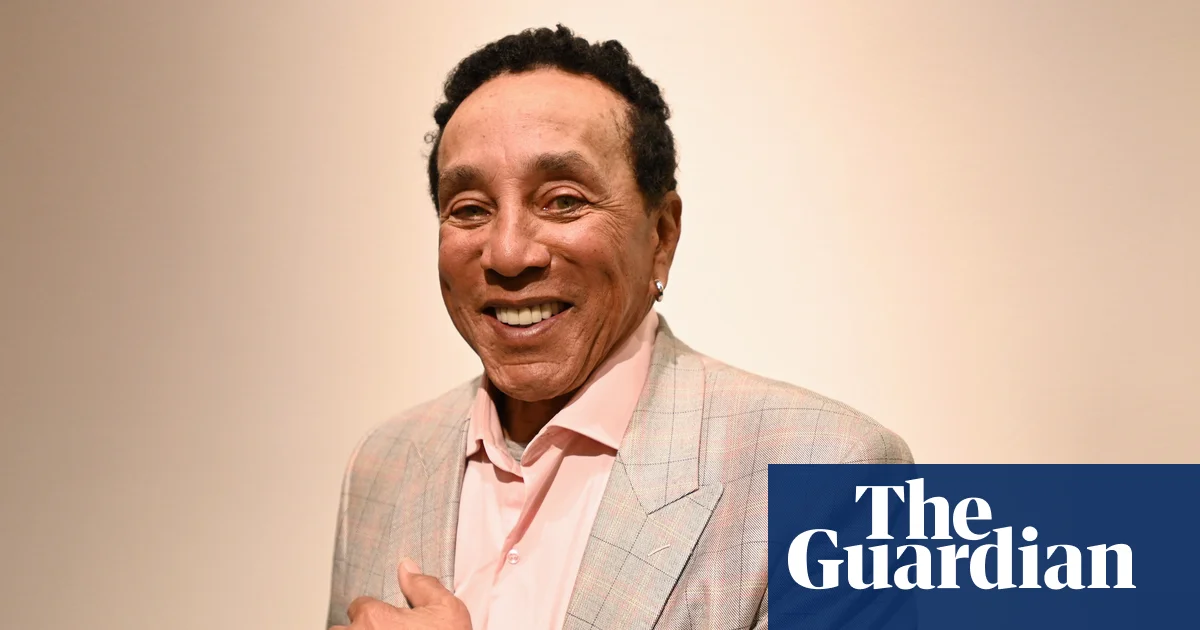
Ex-Employees Accuse Smokey Robinson of Sexual Assault—Allegations Shake the Music Legend

Controversy Surrounds Music Legend Smokey Robinson Amid Allegations and Legal Battles

The music industry’s legendary figure, Smokey Robinson, faces a rising tide of legal and ethical challenges that threaten to cast a long shadow over his storied career. Allegations of sexual assault have now been leveled against the 85-year-old icon by additional former employees, including both men and women. These accusations come amidst a broader context of increased scrutiny over power abuse and misconduct in the entertainment sector. The recent addition of two anonymous accusers to a pending lawsuit underscores the gravity and complexity of the allegations, which have already resulted in a high-profile legal confrontation.

The allegations describe disturbing incidents involving Robinson’s conduct, with one former male employee claiming he was exposed to inappropriate behavior and attempted sexual contact, while a female housekeeper alleges persistent attempts to coerce physical acts from her during personal moments. Robinson’s lawyer, Christopher Frost, dismissed these claims as part of a alleged conspiracy, asserting that the accusations are designed to generate adverse publicity and financial gain for the plaintiffs. Such rhetoric echoes a pattern often seen in high-profile cases, where defenses frame allegations as malicious attempts at extortion, complicating the quest for truth and justice amid an age of relentless media scrutiny. How these allegations influence the legacy of a cultural icon remains a subject of intense debate among analysts and historians alike.

International Implications of Legal and Social Reckoning

The controversy surrounding Robinson transcends national borders, as his ongoing performances at events like the UK’s Love Supreme jazz festival and London’s Eventim Apollo continue despite the allegations. This raises important questions about international cultural diplomacy and the societal appetite for distancing art from the artist amid serious accusations. Decisions made at this crossroads can serve as a reflection of broader societal values—whether to separate artistic achievement from personal misconduct or to hold cultural icons accountable for their actions. Democracy and justice advocates warn that silence or inaction amid such allegations could embolden misconduct, while defenders of Robinson’s legacy argue for due process and the presumption of innocence.

Global institutions and legal experts emphasize that the case exemplifies a wider trend: the erosion of unchecked immunity traditionally granted to celebrities and influential figures. The MeToo movement has significantly reshaped norms, compelling society to confront uncomfortable truths about power and exploitation. Analysts have noted that this case underscores the importance of legal transparency and victims’ rights, contrasting sharply with claims of conspiracy and profiteering made by Robinson’s representation. The international scene watches closely, as the outcome may influence policies and societal attitudes toward celebrity accountability in a rapidly changing social landscape.

The Weight of History and the Unfolding Saga

As the legal battle unfolds, Smokey Robinson’s legendary musical legacy remains influential, but now intertwined with enduring allegations that threaten to redefine his public narrative. Recognized for iconic hits with The Miracles and groundbreaking contributions to the Motown sound, Robinson’s music has become a cornerstone of American cultural history. Yet, in a time where societal values demand accountability, his story exemplifies the complex intersection of fame, morality, and justice. This turbulent chapter in Robinson’s life leaves a haunting question: will history remember him solely for his artistic genius, or as a symbol of accountability in an era of social change? With each legal development, society inches closer to a verdict that could reverberate far beyond the stage, echoing through the annals of history as a pivotal moment where personal conduct and societal expectations collide.

Social Media Auto Publish Powered By : XYZScripts.com