Matox News

Truth Over Trends, always!

Teachers harness AI to streamline mock exam grading, shaping smarter youth education

Reimagining Feedback in Education: Bridging Gaps and Strengthening Communities

In an era where social equity and academic excellence are increasingly intertwined, the recent remarks by Headteacher Julia Polley highlight a promising shift in educational practices. By emphasizing that students now receive quicker and more detailed feedback without the interference of teacher bias, there is a recognition of the need to foster a more fair and inclusive learning environment. This evolution directly impacts families and communities, addressing longstanding disparities that have historically marginalized certain groups, especially within disadvantaged neighborhoods.

Historically, bias and inconsistency in assessment have contributed to a widening gap between students from different socio-economic backgrounds. Sociologists such as Pierre Bourdieu have documented how *social capital and educational opportunities* often reinforce existing societal hierarchies. Today, the application of equitable feedback mechanisms aims to dismantle these barriers, ensuring that all students — regardless of background — can access quality encouragement and targeted support. This progress is particularly crucial for families seeking to elevate their children’s prospects in a highly competitive society. Furthermore, such methods cultivate a sense of dignity and motivation among students, fostering a belief that their future is not predetermined by circumstances beyond their control.

The push toward more objective assessment tools also highlights an important debate within our educational landscape: how to measure learning and growth fairly. Critics and educational experts underscore that teacher bias— calibrated by unconscious prejudices or systemic inequalities—can skew student evaluations, influencing self-esteem and long-term motivation. As sociologists like Carol Gilligan point out, transforming feedback practices is not solely about academic outcomes; it’s about nurturing moral development and self-efficacy. This shift promises to safeguard the dignity of marginalized students and encourage their engagement with learning as a powerful tool for social mobility.

Yet, challenges remain in translating these innovations into broad societal benefits.

  • Implementing equitable feedback mechanisms requires significant training and resources, which may not be accessible across all schools.
  • Addressing deeper issues such as educational disparities rooted in socioeconomic inequality demands a comprehensive approach involving families, local governments, and civil society.
  • Ensuring that technological advances in assessment do not inadvertently widen existing gaps, especially in underfunded communities, remains an ongoing concern.

As social commentators emphasize, the future of education is intertwined with the broader goals of building stronger, more resilient communities. From the perspectives of historians like Tony Judt, societal progress hinges on collective efforts to democratize opportunities and foster a shared sense of purpose. Our children’s ability to thrive depends not only on curriculum content but also on the moral fabric of the institutions that nurture them. The pursuit of equitable, unbiased feedback is a vital step toward restoring that moral compass. Ultimately, as society faces the persistent challenge of social inequality, the hope remains that concerted action—guided by fairness, integrity, and a commitment to inclusivity—will lead to a society where every young person’s potential is recognized, respected, and realized.

India’s New Digital Rules Target Social Media Posts, Shaping Online News and Politics

In the rapidly evolving landscape of international digital policy, India’s recent regulatory developments signal a turning point with significant geopolitical implications. As global platforms grapple with compliance in India, a nation boasting over a billion citizens, the balance of power in digital sovereignty is shifting decisively. Critics argue that pressing market access has driven platforms to conform, but at what cost to freedom of speech and legal accountability? This strategic move by New Delhi underscores the broader direction of state control over global online spaces, positioning India as both a burgeoning digital frontier and a case study in authoritarian-leaning regulation.

According to digital policy analyst Pahwa, “Keen to preserve market access in India, platforms comply. Citizens whose speech is restricted receive no notice, no hearings, no reasons, and neither government nor platforms can be held to account by a legal system that is increasingly outpaced by regulatory agility.” This stark commentary exposes a critical conflict between corporate interests and individual rights within the world’s most populous democracy. As India’s authorities tighten their grip, international observers warn that the erosion of due process and transparency could set a dangerous precedent, intensifying global tensions around digital governance.

The geopolitical impact extends far beyond India’s borders. Major technology firms face a dilemma: to align with national directives risking foreign brand integrity, or to push back against policies seen as infringing on fundamental freedoms. International agencies like The United Nations have expressed concern over the rise of unilateral regulatory measures. Historian O’Connor warns that such trends might catalyze a fragmentation of the global internet, threatening interoperability and cross-border cooperation. Furthermore, analysts suggest that India’s approach might inspire other nations with similar ambitions to prioritize state control over a free digital arena, thereby reshaping the core principles upon which the internet was built.

As these developments unfold, the world stands at a crossroads. With domestic policies tightening and international repercussions mounting, the future of global digital landscapes remains precarious. The decisions made today in India will influence markets, societies, and the very fabric of international relations. The weight of history presses down, and how India’s government balances sovereignty, economic growth, and civil liberties will determine whether the global order will remain united or fracture into isolated spheres of control. As the digital age advances, the core question endures: will this new wave of regulation become a catalyst for authoritarian consolidation, or a step toward more accountable governance? Only time will judge if the choices taken now will forge a future of liberty and openness, or usher in a new era of digital dominance wielded by increasingly powerful states.

The fierce race shaping America's weight-loss revolution
The fierce race shaping America’s weight-loss revolution

The recent decline in weight-loss drug prices in the United States marks a significant shift in the landscape of healthcare globally. Once considered a niche market catering mainly to affluent segments, these medications—particularly innovative drugs like semaglutide—have begun to permeate mainstream consumer markets, fundamentally altering the economics of weight management. The dramatic price reductions are driven by increased competition, advances in pharmaceutical manufacturing, and patent expirations, raising questions about whether this model can be replicated across other nations with diverse healthcare systems.

Analysts suggest that the US market’s openness to regulatory reforms and the free-market dynamics have created a conducive environment for dramatic price adjustments. In parallel, international health organizations and economic think tanks are closely monitoring these developments, as they could have profound geopolitical impact. Countries with struggling healthcare budgets or high obesity rates might be motivated to seek similar approaches to fast-track access to effective treatments. However, experts warn that replicability depends on local regulatory frameworks, pharmaceutical policies, and economic capacities, which differ widely across nations. Some fear that the US’s particular market conditions may not be easily transplanted elsewhere, risking a fragmented global response.

Furthermore, the reduction in costs may have ripple effects well beyond just consumer affordability. Policymakers in various nations are observing how access to affordable weight-loss drugs could influence public health outcomes and economic stability. Increased use of such medications could potentially ease the burden on healthcare systems by reducing obesity-related illnesses, from diabetes to cardiovascular disease. Yet, critics and international health agencies cautions that overdependence on pharmaceutical solutions might overshadow broader preventive measures, including lifestyle changes and public health initiatives. The debate intensifies as global institutions like the WHO consider whether a shift toward pharmaceutical solutions aligns with holistic health goals.

As history unfolds, the blueprint of the US experience holds a compelling narrative of market innovation, regulatory flexibility, and societal demands. If other nations can adapt this blueprint—balancing innovation with equitable access—they might forge new pathways toward healthier societies. However, the stakes remain high: political will, economic resilience, and societal values will determine whether these promising developments lead to a true revolution in global health or become another chapter in a complex story of medical commercialization. The world watches, bearing witness to a transformative chapter where decisions taken today could reshape the fabric of international health policy for generations to come, leaving the global community at a crossroads between progress and caution.

Locals honor beloved primary school teacher shaping future generations

In examining the fabric of educational and social progress, stories like that of Becky Munnings resonate deeply within communities striving to nurture well-rounded, values-driven individuals. The head teacher of a Sudbury school recently highlighted Munnings’ profound impact, stating she “touched the lives of all she taught.” Such tributes underscore the vital role educators play not only in imparting academic knowledge but also in shaping societal norms, moral development, and individual character. As society grapples with increasing divisions and a shifting cultural landscape, the importance of compassionate, engaged educators remains more vital than ever.

Underlying this recognition is a broader narrative of cultural change and demographic shifts that influence how communities define success and moral purpose. Over recent decades, sociologists emphasize a transition towards more individualistic values within Western societies, often at the expense of community cohesion and shared moral frameworks. This trend, while fostering personal freedoms, can also lead to social fragmentation—a challenge faced by many families, schools, and local organizations. The loss of a collective moral compass can manifest in educational environments that prioritize self-expression over discipline or communal responsibility, leading to a debate on how best to equip young people for the responsibilities of citizenship amid this shifting moral terrain.

The contributions of dedicated figures like Munnings exemplify how families and communities seek to counterbalance these social tensions by emphasizing core values such as responsibility, resilience, and respect. From the perspective of social commentators and educational theorists, fostering an environment where such virtues thrive is crucial for cultivating a generation capable of addressing complex societal challenges.

  • Implementing reinforced moral education programs
  • Supporting teachers in delivering character-building initiatives
  • Encouraging parental involvement in community-based activities

These strategies are seen as key in re-establishing a shared sense of purpose and moral clarity within youth culture.

Furthermore, addressing these issues requires understanding the social fabric’s intricate interdependence—how families, educational institutions, and communities must work synergistically. Historical perspectives remind us that societal resilience depends on active, morally grounded civic participation, while sociologists warn that neglecting these bonds risks further social alienation. It is in this context that stories like Becky Munnings’ serve as a poignant reminder of the human capacity for kindness, dedication, and moral influence. They inspire reflection on the societal choices that shape the lives of future generations, urging us to forge a path where education restores moral clarity while nurturing the individual talents of the young.

As society stands at a crossroads, contemplating the enduring values that sustain social harmony, it might be worth recalling that the greatest transformation often begins with one committed individual. In a world increasingly fractured by social tensions and cultural shifts, the hope of building a stronger, more cohesive society lies in recognizing and emulating those who, like Becky Munnings, touch lives with the quiet power of moral conviction. It is within this shared responsibility—between families, educators, and communities—that society’s greatest potential for renewal resides. Only by nurturing such virtues can we hope to create a future where every child, every family, can flourish amidst the complexities of modern life, leaving behind a legacy of hope and resilience that future generations can build upon.

V&A to Spotlight Schiaparelli: The Art, Style, and Innovation Shaping Tomorrow’s Trendsetters

In 2023, fashion’s fascination with extravagance and outré design reached a new peak as Kylie Jenner took to the marble steps of Paris’s Petit Palais, donning an eye-catching outfit featuring a fake lion head attached to her dress. While her statement look might have raised eyebrows at first, it spotlighted a broader shift in cultural values: the rising celebritainment-driven phenomenon of turning fashion into a form of theatrical self-expression. This isn’t just about high society’s whimsy; it’s a vivid reminder of how social media saturation has propelled fashion into a hyper-stylized, image-conscious arena where every look becomes a statement—often fleeting but endlessly viral.

What’s truly notable, however, is that this trend has deep roots in the legacy of icons like Elsa Schiaparelli. The V&A’s latest exhibition on the legendary Italian designer makes this connection clear: today’s BIG moments in fashion—be they red carpet crushes or TikTok trend cycles—are echoes of Schiaparelli’s original approach to culture creation. As Roseberry, designer derrière Schiaparelli’s modern revival, puts it, Elsa was not just a dressmaker but an image-maker and culture creator. Her collaborations with avant-garde artists like Salvador Dalí and her innovative trompe l’œil techniques continue to influence contemporary designers like Martin Margiela and Rei Kawakubo. This synergy between art and fashion exemplifies how design is intertwined with broader societal narratives.

Elsa Schiaparelli and Salvador Dalí collaboration, 1938
Skeleton dress, designed by Elsa Schiaparelli and Salvador Dalí, 1938. This piece exemplifies her mastery of surrealist design, a hallmark that continues to inspire haute couture today.

Fast forward to 2024, and the impact of Schiaparelli’s daring aesthetic is palpable in the brand’s haute couture collections. A recent show featured whimsical pieces like glittery robot babies and trompe l’œil leather and knitwear hybrids that seem to defy conventional textile logic. The brand’s knack for blending wit, humor, and wearable art has secured its status as a cultural powerhouse while resonating with a new generation eager for authenticity tinged with spectacle. Influencers like Bella Hadid and Teyana Taylor have been seen sporting these inventive looks on red carpets, making Schiaparelli a staple of the social media-era wardrobe.

  • The “Schiap pack”—a term affectionately coined in fashion circles—references the brand’s signature couture looks that continue to dominate Instagram feeds and TikTok videos.
  • Designs feature tongue-in-cheek accessories like brass necklaces shaped like lungs or crystal thongs, emphasizing the brand’s mastery of humor balanced with high fashion.
  • The V&A’s retrospective aims to draw over half a million visitors, showcasing how the brand’s edgy, provocative style has seeped into mainstream consciousness, redefining what it means to be trendsetting.

While the spectacle of fashion’s current moment is truly flamboyant, the underlying question remains: are we witnessing a passing trend driven by social media’s short-lived attention span, or is there a deeper cultural shift towards viewing fashion as performance art and personal identity? As designers like Roseberry continue to weave the threads of history and modernity, the next big question becomes: will the future of style embrace even more technological integration and boundary-pushing creativity, or will it settle into a more sustainable, understated aesthetic? The answer might well determine whether fashion continues to serve as a mirror of social values—oscillating between absurdity and authenticity—or transforms into something entirely new.

From affordable alternatives to literary shadows: the rising surge of doppelgangers shaping today’s culture | Books

In an era inundated with the noise of digital doubles and disconcerting parallels, the double has metamorphosed from a mere literary device into a profound symbol of our collective consciousness. As Ortega y Gasset once observed, civilization is built upon a fabric of tradition—a tapestry woven from shared memory and cultural identity. Today, this tapestry seems frayed, replaced by a fragmented series of facsimiles, echoes, and simulacra, yet it is precisely through these doubles that we confront the essence of who we are and who we might become. The burgeoning fascination with doppelgängers—from fashion runways to Hollywood, from books to the digital realm—mirrors a deeper societal yearning: the desire to reconcile our inner fears with external images that promise both familiarity and alienation.

Contemporary culture, saturated with images of clones and mirror images, reflects an underlying anxiety about authenticity and selfhood. The literary tradition, from Charlotte Brontë’s Bertha Mason to Nabokov’s Hermann in Despair, illustrates the double as a manifestation of repressed desires, guilt, or unacknowledged truths. Modern works—be it Isabel Waidner’s As If or Deborah Levy’s August Blue—embrace the uncanny, revealing that amidst our technological advancements, the internal struggle for self-understanding remains as primal as ever. Our fascination with flesh-and-bone copies—be they supermodels or Hollywood icons—serves as a cultural assertion: identity is more than appearance; it is a reflection of society’s values, fears, and fissures.

Furthermore, the trend extends beyond entertainment into the realm of political doubles. Parody, duplicity, and illusion have become tools for the powerful, who craft empty promises and brandish pretenses of authenticity as shields against accountability. The proliferation of digital facades—filters, curated profiles, and false identities—only accentuates our collective paranoia. As T.S. Eliot lamented, our modern world risks becoming a “hollow men,” where superficiality replaces substance, and doubles serve both as masks and mirrors. Yet, in this chaos, the double remains a potent critique—a symbol of societal dislocation, yet also a hope for deeper understanding rooted in tradition and shared memory. It reminds us that at the core of our identity lies a mysterious, often shadowy, echo of the past—a prophecy inscribed within our cultural DNA, whispering that, ultimately, to know oneself is to confront the mirror that is both haunting and illuminating.

NextGen Athletes: Spotlight on Rising Stars Shaping the Future of Sports

Eastern Conference Showdown: Who Holds the Edge?

As the NBA season unfolds, the race in the Eastern Conference is intensifying, with analysts like Tim Bontemps and Brian Windhorst weighing in on the current contenders. With several teams vying for supremacy, the landscape appears more competitive than ever, raising the stakes as we approach the playoffs.

Among the top teams, the Milwaukee Bucks have recently surged, showcasing their championship experience under the leadership of Giannis Antetokounmpo. His impressive averages of 30.0 points and 11.5 rebounds per game have been instrumental in the Bucks’ rise. Additionally, the Philadelphia 76ers, led by Joel Embiid, are also making a case for supremacy with a strong offensive display and a robust defense.

  • Milwaukee Bucks ride high with consistent performances from their stars.
  • Philadelphia 76ers boast a potent combination of offensive prowess and defensive solidity.
  • Emerging challengers like the Boston Celtics and Miami Heat cannot be overlooked with their evolving rosters.

Key matchups to watch include the fierce battles between the Celtics and Heat, which promise to be pivotal in determining playoff positioning. Notably, clutch moments like last week’s nail-biter in which the Celtics edged out the Heat underscore the unpredictable nature of this conference. Coaches are emphasizing the importance of defense as teams prepare for the crucial stretch run.

Ultimately, this season’s Eastern Conference narrative goes beyond the scoreboard. As teams battle for dominance and fans rally behind their franchises, basketball continues to serve as a unifying force in communities across America. In a world often divided, it is on the hardwood where rivalries ignite passion, camaraderie is built, and young talent emerges as the future stars of this beloved sport. The chase for the championship is not merely about wins; it represents resilience, hope, and the enduring power of teamwork.

Source link

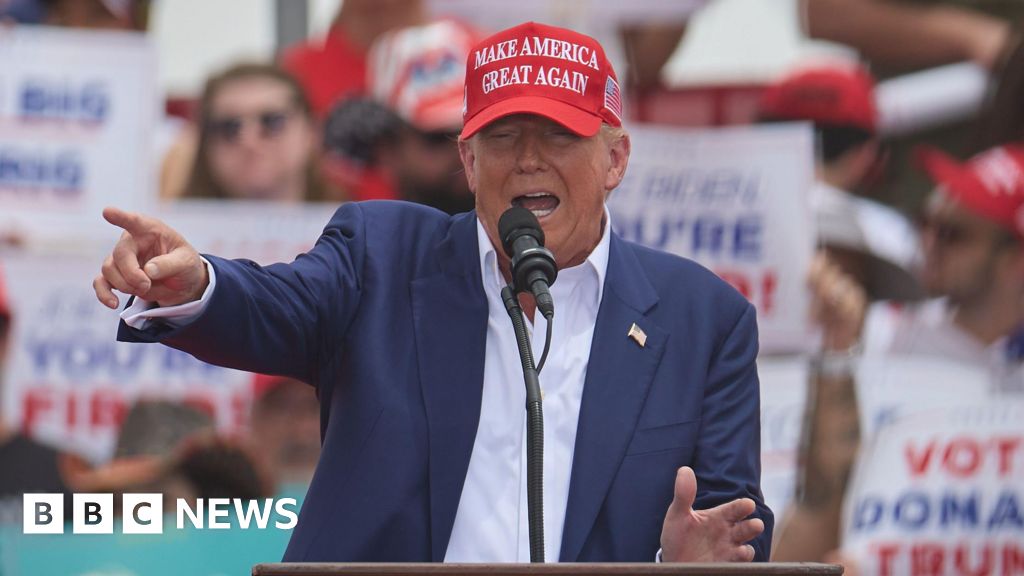
Project 2025: The blueprint from Venezuela to immigration shaping Trump's next move
Project 2025: The blueprint from Venezuela to immigration shaping Trump’s next move

America’s Bold Pivot: A New Chapter in Global Power Dynamics

The recent assertion by White House spokesman Davis Ingle underscores a narrative that President Donald Trump has fundamentally reshaped America’s position on the world stage over the past year. According to Ingle, the administration’s efforts have not only fortified the nation internally but have also elevated the United States to an unparalleled level of influence and economic strength. These claims highlight a strategic shift rooted in a focus on sovereignty, economic nationalism, and a reassertion of American priorities amidst a rapidly evolving global landscape.

Significant policy moves, including the securing of the border, historic tax reforms targeted at the middle class, and an influx of trillions of dollars in foreign investments, have energized critics and supporters alike. However, the true geopolitical impact extends beyond economics. It signals a decisive move away from globalist policies favoring multilateral agreements, towards an America-centric approach. As many analysts suggest, this transition could redefine international alliances, with ripple effects on trade agreements, security alliances, and diplomatic priorities across continents.

  • Border security efforts aim to curb illegal crossings and affirm national sovereignty amid increasing migration pressures.
  • Tax cuts are designed to stimulate domestic investment, employment, and innovation, fostering a resilient economy with global implications.
  • Foreign investments have surged as foreign nations and corporations see America as a safe haven and hub for future growth, further empowering U.S. global influence.

However, this strategic realignment raises fundamental questions about the future of international diplomacy. Critics warn that turning inward could diminish existing cooperative efforts like the Paris Agreement or WHO collaborations, and spark a recalibration of alliances such as NATO. Conversely, supporters argue that a restored sense of national pride and economic independence will enable America to lead more effectively in addressing transnational issues — a sentiment echoed by historians like Dr. James Roebuck, who caution that the global stage is in flux and that leadership is as much about resilience as cooperation.

Globally, this shift has caused concern in regions like Europe and Asia, where longstanding alliances are tested against the backdrop of America’s newfound assertiveness. Trade tensions and strategic realignments threaten to redefine geopolitical boundaries, resemble a new Cold War landscape where economic strength and diplomatic defiance become the core currencies of power. The decisions made today will shape our collective future, echoing through generations of nations seeking stability and prosperity amid upheaval.

In the shadow of these transformations, the question remains: will this new era herald renewed strength and clarity for the United States, or will it ignite conflicts that threaten global stability? As historians and analysts watch closely, the weight of history presses down, hinting that the coming years will determine whether this chapter of decisive action will carve a legacy of sovereignty and resilience — or sow chaos in a world still teetering on the edge of transformation. The story of our time is still being written, and the future remains unwritten, hanging in the balance of choices made today.

Celebrity Spotlight: The Iconic Figures Shaping the JFK Jr. Legend—A Youthful Take on a Timeless Love Story

In the midst of a new era dominated by rapid social change and redefined notions of legacy, television continues to serve as a mirror and mold of society’s evolving values. The recently premiered FX series Love Story: John F. Kennedy Jr. & Carolyn Bessette stands out not just as a dramatized recounting of iconic 90s figures but as a definitive cultural artifact that underscores a fascinating shift in societal narratives. This series deftly intertwines celebrity, fashion, and societal expectations, bringing a nostalgic yet critical lens to the glamour and intricacies of the early ’90s—an era often romanticized for its rebellious spirit but also scrutinized for its social hierarchies.

Remarkably, the series has captured the imagination of a youth demographic increasingly obsessed with nostalgia and the trauma of social media fame. Influencers and analysts have pointed out that it’s not just a biopic; it’s a reflection of a societal obsession with legacy and celebrity culture. Through characters like Calvin Klein and Kate Moss, the series spotlights how fashion and fame interacted to create the archetype of modern celebrity: a blend of style, scandal, and societal influence. Walking the tightrope between admiration and critique, the show’s depiction of figures like Mark Wahlberg and Madonna reveals how societal shifts have affected the public’s perception of morality and success. These stories reveal how societal values are *perpetually in flux*, with youth in particular questioning what it means to truly be authentic amidst a backdrop of hyper-glamorous illusions.

The cultural impact of this series extends beyond mere entertainment; it rekindles debates about how social identities and societal perceptions are constructed through Hollywood, fashion, and politics. Scholars like Dr. Lisa Miller suggest that these portrayals serve as a lens into the *shifting social norms*—especially how gender roles and power dynamics are portrayed and challenged through the personal stories of these high-profile figures. The narrative’s focus on Carolyn Bessette’s rise amidst Hollywood’s superficial allure hints at a deeper desire among today’s youth for authenticity in a social climate often dominated by curated images and fleeting viral moments. Meanwhile, the recurring references to iconic celebrities like Michael Bergin and Kate Moss present a layered illustration of how the fashion industry’s influence on personal identity has escalated in the digital age, intensifying the societal obsession with appearance and influence.

Interestingly, the series also sets the stage for one of the most compelling questions of today’s social media-driven world: *Are we witnessing the end of traditional celebrity?* As younger audiences increasingly seek genuine connections over curated personas, the enduring legacy of these 90s icons prompts us to ask—*what does fame really mean in an age where anyone with a smartphone can be a star?* With influencers emerging as the new cultural icons and platforms amplifying authentic voices, the next big question is whether society is headed toward a renaissance of genuine, unfiltered fame or if we are merely reshaping our obsession with superficial glamour into a new digital spectacle. As the lines between reality and social media blur, the true challenge will be understanding if the future of fame will be rooted in raw authenticity or further entrenched in curated illusions.

Germany pushes for voluntary military service for 18-year-olds, shaping a stronger future youth force

Germany Revamps Its Military Policy in Response to Rising Geopolitical Tensions

The recent decision by Germany’s Bundestag to introduce voluntary military service marks a pivotal moment in European defense policy. In a close vote of 323 to 272, the German parliament approved the measure, signaling a strategic shift amidst swirling uncertainties stemming from Russia’s full-scale invasion of Ukraine. Chancellor Friedrich Merz has made rebuilding the Bundeswehr into Europe’s strongest conventional army a central goal, aligning himself with a broader NATO push to bolster collective defense capabilities. This decision comes at a time when European nations grapple with existential threats that threaten to reshape the continent’s security landscape.

Historian and defense analysts underscore that this move signifies more than just military expansion; it signals Germany’s acknowledgment of a changed geopolitical reality. Historically, Germany has maintained a pacifist stance since ending compulsory service in 2011, but the current threat environment has compelled a reevaluation. The new policy envisions raising the standing army by 20,000 personnel over the next year and increasing the reserve forces to about 200,000—aiming to meet NATO’s evolving force standards. The decision to implement voluntary service is reportedly designed to maximize recruitment incentives, offering approximately €2,600 per month to volunteers—an attractive proposition in contrast to neighboring France, where volunteers will receive at least €800 monthly.

How Decisions Shape Nations and Societies

The widespread protests from German youth reflect a significant societal divide about the nation’s renewed militarization. Many young Germans oppose the move, citing personal and moral reservations about military service. As student protests erupt across 90 cities like Hamburg, critics argue that the shift toward militarization risks igniting a generational rift—raising concerns about the long-term societal impact of increased recruitment and training. The protest organizers warn that war offers “no prospects for the future” and could threaten the livelihoods of young Germans already wary of a return to a militarized society, illustrating how **domestic opinion** can influence, and sometimes hinder, strategic national policies.

By aligning with NATO strategies and increasing its defense spending, Germany demonstrates an intent to shift from a peaceful, post-Cold War stance to a more assertive military posture. The move also signals a broader European response, with France recently announcing voluntary military training for 18- and 19-year-olds, emphasizing a continent-wide recognition of the escalating threats from Russia and other geopolitical adversaries. International organizations, such as the European Union and NATO, now watch closely as the policies taken by Berlin unfold, with many analysts warning that these steps could trigger a renewed arms race and further destabilize an already fragile geopolitical order.

The Long Shadow of History and an Uncertain Future

As Germany prepares to reintroduce a form of conscription—initially voluntary, but with the potential for future mandatory service—history looms large. The Cold War army of nearly half a million starkly contrasts with today’s force of 182,000, illustrating decades of demilitarization and peace-oriented policy shifts. Yet, the current trajectory reflects a ©reversal of practice, motivated by concerns that in a crisis, time would be wasted determining who is operationally capable of defending the homeland. It is a stark reminder of how international conflicts can swiftly recalibrate national priorities, transforming internal debates into urgent questions of sovereignty and security.

As the world watches, the weight of history presses heavily on Germany’s shoulders. The nation’s future, now entangled with questions of military readiness, societal values, and international stability, hangs in a delicate balance. Each decision echoes through the corridors of power, shaping the course of Europe’s security architecture. The current moves may be seen as definitive steps towards renewed strength, but they also carry the unpredictable risks of reigniting old conflicts on a continent scarred by war—reminding the global community that in the theater of geopolitics, history’s unfinished story remains perilously open-ended.

Social Media Auto Publish Powered By : XYZScripts.com