Matox News

Truth Over Trends, always!

Barnaby Joyce's resignation fuels talk of a One Nation shift, stirring youth debate
Barnaby Joyce’s resignation fuels talk of a One Nation shift, stirring youth debate

Global Salvo: Australia’s Political Realignment Sparks International Reflection

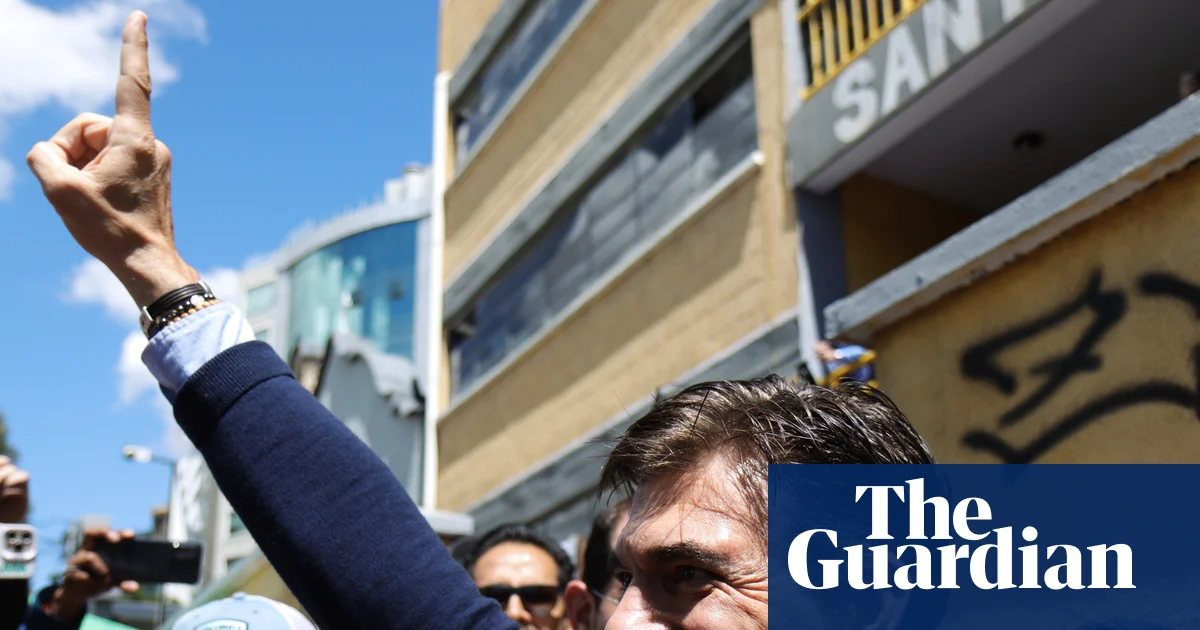
In a development poised to send shockwaves through the Australian political landscape, Barnaby Joyce, a prominent figure within the National Party, has announced his intention to exit the party. This move, reportedly driven by internal conflicts and ideological disagreements, signals a potential shift of one of the country’s most influential conservative leaders onto the crossbench—or even into the ranks of One Nation, Australia’s far-right populist party. The ripple effects of such a decision extend beyond national borders, challenging traditional political alliances and raising questions about the future of Australia’s domestic and foreign policy orientations.

The geopolitical impact of Joyce’s possible defection is multifaceted. Historically, Australia’s political cohesion has been a cornerstone of its stability and its strategic alignment with the United States and the West. However, this potential shift hints at mounting factional tensions within the conservative bloc, especially surrounding the contentious issue of climate policy and economic sovereignty. Joyce, long known for his vocal opposition to net zero by 2050 commitments, has campaigned furiously against renewable energy projects, positioning himself as a champion of traditional industries and core conservative values. Analysts warn that his departure from the Nationals could embolden similar populist voices, weakening Australia’s capacity to present a unified front on global issues such as climate change, regional security, and trade alliances.

International organizations and geopolitical analysts caution that such internal political fractures risk undermining Australia’s reliability as a key ally in the Indo-Pacific. John Mearsheimer, a leading realist scholar, notes that internal political instability can lead to unpredictable foreign policy decisions, which adversaries like China and Russia might exploit. Moreover, the potential realignment towards One Nation—which has a more skeptical stance on multiculturalism and foreign alliances—could impact Australia’s diplomatic posture, especially in the context of its longstanding security pacts with the US and regional partners.

Within Australia, the controversy has ignited debates about the direction of conservatism and the influence of populist parties. Pauline Hanson, leader of One Nation, has openly welcomed Joyce, fostering speculation about a broader political realignment that could sway upcoming elections. Historians warn that such shifts reflect a broader trend of polarization and fragmentation in Western democracies, undermining the bipartisan consensus that historically guided international engagement. As the nation teeters on the brink of unprecedented political change, the world watches—some in concern, others in anticipation—asking whether this is the beginning of a new chapter or the unraveling of longstanding alliances.

Every decision in this unfolding story narrative carries the weight of history—choices that could redefine Australia’s role in regional geopolitics and the global order. As Joyce ponders his next move, it remains clear that Australia’s internal political struggles are not isolated—they are threads woven into the larger fabric of international power dynamics. In the shadows, global powers survey with keen interest, ready to adapt to whatever terrain emerges from this political upheaval. The pages of history turn inexorably forward, and the outcome of this internal struggle could shape not only Australia’s future but also the delicate balance of power across the Indo-Pacific and beyond—leaving the world pondering whether these shifts herald a new era of resilience or chaos.

Why Isn’t Pokémon Evolving? Examining the Cultural Shift Behind the Franchise’s Stagnation – The New York Times

In the realm of cultural innovation, few franchises have epitomized the delicate balance between tradition and evolution quite like Pokémon. Since its inception, this globally beloved series has been rooted in the compelling narrative of evolution, not merely within the confines of its in-game creatures but as a metaphysical reflection of growth and change in society itself. However, as Zachary Small of The New York Times insightfully observes, the franchise’s own trajectory hints at a paradox: despite its foundational theme, Pokémon has exhibited a remarkable resistance to change over its extensive lifespan. This stagnation, far from accidental, appears to be intricately linked to the corporate structures and cultural conservatism that underpin its development.

A detailed analysis reveals that the inertia within the Pokémon Company’s ecosystem—dominated by longstanding industry players—is akin to a cultural grandfather clock: endlessly precise yet resistant to the sweeping forward motion needed to foster true innovation. As Small articulates, the company’s structure may inadvertently inhibit the kind of radical reinvention that the franchise’s core theme of evolution would suggest is essential. Instead, it adheres to a cautiously conservative approach, often prioritizing nostalgia and safe bets over groundbreaking developments. This conservative stance echoes the concerns voiced by Ortega y Gasset who cautioned against the tyranny of mere tradition, warning that stagnation often masquerades as stability, obstructing the cultural vitality necessary for societal progress.

From a broader cultural vantage, the reluctance to evolve reflects a broader societal tendency to cling to the known and the familiar. Tocqueville’s observations on American society highlight how tradition forms the bedrock of social cohesion but warns against the peril of complacency—where the habit of habit, rather than the pursuit of renewal, becomes the dominant force. The case of Pokémon exemplifies a paradox: a symbol of change that perhaps fears its own potential to push beyond boundaries, risking alienation from its loyal base. Yet, as critics like Chesterton have argued, the strength of a tradition lies not only in its endurance but in its capacity to inspire renewal from within. A true cultural icon must therefore engage in a continuous process of reinvention—embracing change not as an end, but as a timeless means of relevance and vitality.

Ultimately, the essence of culture lies in its dual capacity as both memory and prophecy. It transcends the present, summoning collective identity from historical roots while projecting possibilities into the future. Just as T.S. Eliot’s poetic vision reminds us that modernity is not a rejection of the past but its acknowledgment and reimagining, so too must cultural institutions like Pokémon reflect a conscious willingness to evolve. It is precisely at this intersection of tradition and transformation that cultural vitality flourishes, shaping not only individual identities but the very fabric of society. Culture, then, is not merely a repository of memory but an ongoing symphony—an ever-unfolding prophecy—that guides humanity through the shadows of yesterday into the promise of tomorrow.

Bari Weiss’s rise to CBS News spotlights the shift pushing US media rightward

Global Media and the Shifting Geopolitical Landscape

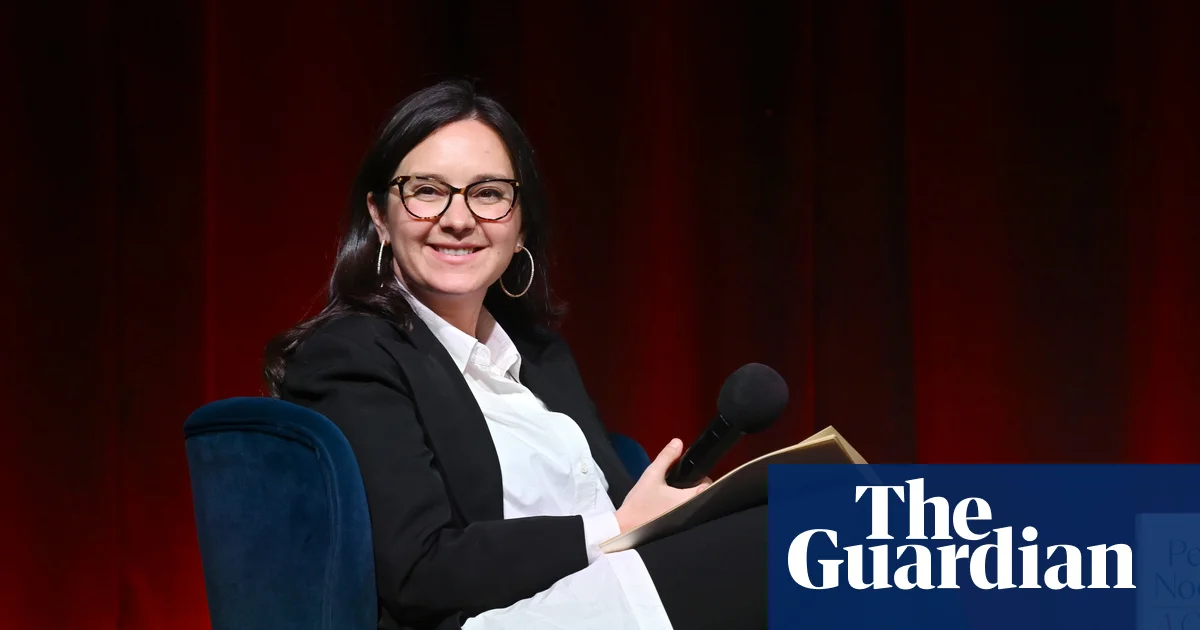
In recent months, the United States has witnessed dramatic upheavals within its media industry, emblematic of a broader shift to the right that echoes across walls of power and influence. Paramount Skydance’s decision to appoint Bari Weiss as its new editor-in-chief and to acquire her conservative-leaning Free Press signals more than a simple corporate merger—it marks a strategic move in a rapidly evolving geopolitical chess game. Weiss, renowned for her critique of progressivism and unwavering Zionist stance, now finds herself at the helm in a media landscape that is increasingly aligned with a MAGA-driven agenda, steering narratives that favor nationalistic and conservative causes.

These developments are not isolated but form part of an accelerating trend among American media giants, who are now visibly tilting rightward to accommodate the new political realities under the second Trump administration. As analysts from the Heritage Foundation and international organizations warn, this shift impacts global perceptions of liberty, sovereignty, and national identity. It also signals a redefinition of the geopolitical impact—a media landscape that’s increasingly resistant to progressive narratives and more susceptible to Pentagon and corporate influence. The very fabric of the press, once seen as a safeguard of free discourse, now bears the marks of a systemic realignment driven by internal and external pressures.

Historical Turning Points and International Echoes

Much of the current scenario can be traced back to the ideological clashes that defined the post-2020 era. Historians like Charles Lipson and Anne Applebaum suggest that the media’s pivot mirrors the broader resurgence of nationalism and a global pushback against the liberal order established after the Cold War. The memories of 2020’s upheaval, from Black Lives Matter protests to the Capitol riot, continue to shape strategies across countries. In fact, some European nations are quietly observing how American corporations recalibrate their narratives under threat of regulation and political retribution, adjusting their coverage to exhibit less critique of the current regime.

Decisions made within U.S. boardrooms now ripple outward with profound consequences. The recent settlement of Trump’s lawsuit against CBS over a 60 Minutes interview—an instance seen as a tactical retreat—underscores how corporate interests are aligning with the so-called “MAGA” resurgence, often at the expense of journalistic independence. International organizations warn such biases could herald a new era of media manipulation and information warfare, influencing elections and political stability worldwide. Critics argue this erodes the foundational principle of free discourse, embedding partisan narratives deeper into societal fabric.

Consequences for Society and the Road Ahead

As powerful media entities adapt, the geopolitical landscape is witnessing a paradigm shift without precedent. Foreign policy experts warn that the rightward drift might embolden regimes that favor authoritarianism over democratic accountability. At the same time, the public faces increasing challenges in discerning truth from orchestrated narratives—a phenomenon recruiters at Russia Today or China’s CCTV are watching keenly. The power dynamics underneath this media realignment suggest an era where information is weaponized, and societal divisions are inflamed with relentless precision.

In a narrative that remains unwritten, the weight of history presses heavily on the present. The decisions current leaders make—how they shape media landscapes and influence international alliances—will determine whether societies fracture further or find the resilience to uphold liberty. As shadows lengthen over the unfolding future, the critical question remains: Will the giants of industry serve the principles of free discourse, or will they become pawns in a larger, more insidious geopolitical game?

Mugabe's Son Faces Drug Charges in Court—Youth Perspectives Shift Buhari, but Justice Must Prevail
Mugabe’s Son Faces Drug Charges in Court—Youth Perspectives Shift Buhari, but Justice Must Prevail

Zimbabwe’s Political Legacy Faces New Scrutiny as Mugabe’s Son Encounters Legal Troubles

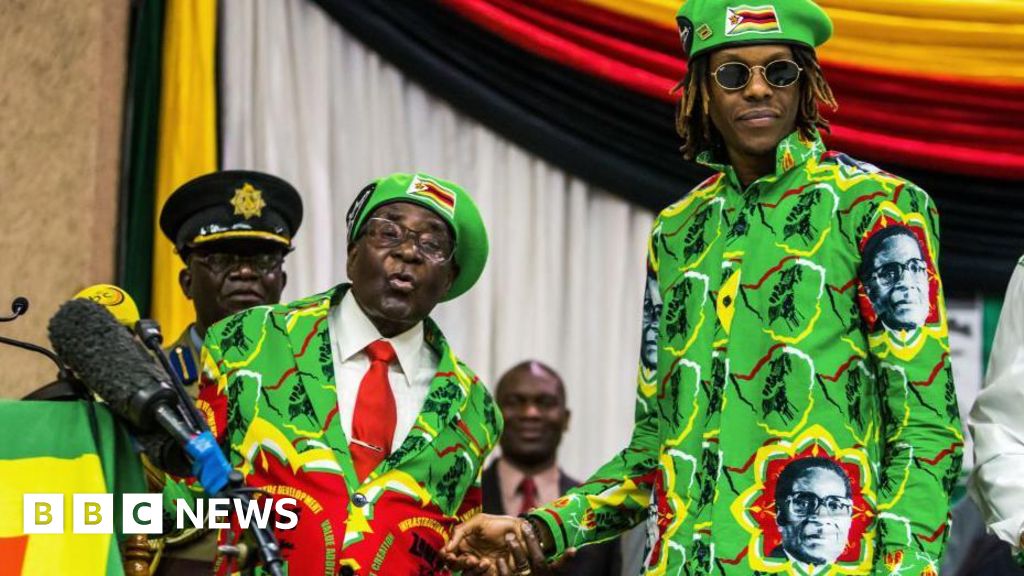
The recent arrest of Robert Mugabe Jr., the son of the late Zimbabwean ruler Robert Mugabe, has sent ripples through the nation’s fragile political landscape and raised questions about the lingering influence of his family’s dynasty. Mugabe Jr., aged 33, appeared in a Harare court on charges of drug possession after police intercepted him for driving the wrong way on a one-way street. Authorities claimed they discovered small sachets of cannabis in his possession—a detail contested by the defendant’s legal team—highlighting ongoing issues of law enforcement and judicial transparency that continue to shape Zimbabwe’s internal stability.

This incident is not isolated but part of a broader pattern that underscores the tumultuous ongoing struggle for political legitimacy and social control within Zimbabwe. The police reported arresting five alleged members of a criminal syndicate linked to Mugabe Jr., who purportedly possessed five sachets of marijuana and six ecstasy pills. Such allegations, although currently under investigation, bear important symbolic weight—they illustrate how the nation’s recent history of political upheaval, economic hardship, and social unrest remains intertwined with the Mugabe legacy. Analysts warn that these events may serve as pretexts for factional power struggles, especially as Zimbabwe navigates its post-Mugabe era, with current leader Emmerson Mnangagwa attempting to consolidate authority amid economic and political uncertainty.

Historically, Zimbabwe has been marked by a mix of liberation and repression. Its founding father, Robert Mugabe, was celebrated for his heroic role in ending colonial rule but later condemned for implementing policies that led to economic decline, hyperinflation, and widespread social discontent. International observers, including the United Nations and several regional organizations, have repeatedly called for transparency and reform, yet the country’s political culture remains deeply entrenched in patronage and corruption. With Mugabe Jr.’s incidents now coming to light, some analysts see it as a reflection of the persistent influence his family continues to wield behind the scenes, subtly shaping Zimbabwe’s geopolitics and internal dynamics.

In the broader scope of regional geopolitics, Zimbabwe’s internal upheavals hold implications for southern Africa’s stability. As South Africa, Zambia, and other neighboring states keenly observe shifting alliances and political factions, the specter of unresolved historical grievances looms large. How Zimbabwe handles these internal crises—particularly in terms of justice, transparency, and leadership accountability—will influence regional cooperation and investor confidence alike. Scholars suggest that Mugabe’s legacy remains a cautionary tale about the perils of authoritarianism and economic mismanagement. Looking forward, the decision of Zimbabwe’s judiciary regarding Mugabe Jr.’s bail and potential conviction will test the country’s commitment to the rule of law and its capacity for genuine political reform. As history continues to unfold, the nation faces a pivotal crossroad—whether to reconcile its past or allow echoes of a turbulent past to determine its future.

In the shadows of these unfolding events, the world watches with bated breath. The fate of Zimbabwe may not define the entire continent, but its trajectory carries profound implications for the resilience of democracy and the ongoing quest for justice in a nation scarred by decades of conflict. As Mugabe’s legacy persists, the question remains: will the currents of change finally break the cycle of repression, or will history once again be written in the blood and tears of Zimbabwe’s people? The answer lies ahead, but one certainty endures—history’s weight presses heavily on Zimbabwe’s shoulders, and the world stands witness to a nation still searching for its true destiny amid the shadows of its past.

Social Media Auto Publish Powered By : XYZScripts.com