Matox News

Truth Over Trends, always!

Virginia voters approve new congressional maps, signaling a shift away from Trump influences

Redistricting Battles Shift the Geopolitical Landscape in the United States

The recent redistricting decisions across key battleground states in the United States underscore the ongoing *battle* over control of Congress, with profound geopolitical implications. In Virginia, voters approved new congressional maps aimed at boosting Democratic prospects in the upcoming midterm elections. This development forms part of a broader strategic chess match, where each side attempts to influence the balance of power in Washington through manipulated district boundaries. Such efforts are not merely local political maneuvers—they resonate globally, showcasing how **domestic electoral processes** can ripple outward, affecting international perceptions of stability and governance.

Initiated by the aftermath of former President Donald Trump’s attempts to leverage *redistricting tactics* to preserve control over Congress, the map changes reflect a broader geopolitical narrative of partisan rivalry and institutional influence. After Trump’s proxy efforts in Texas to redraw lines and oust Democratic lawmakers, California and Virginia followed suit with their own measures, setting the stage for a heated contest over *who controls the narrative and, ultimately, policymaking*. Analysts and historians, like Dr. Emily Carter from the International Policy Institute, emphasize that these map redraws serve as *turning points*—where domestic political battles could influence broader international stability if unchecked.

The **U.S.** is witnessing a strategic battle that extends beyond borders, with international organizations warning of *potential destabilization* should partisan redistricting become unchecked. The success of Virginia’s referendum—supporting *nonpartisan redistricting*—might embolden other states to resist partisan manipulation. Notably, this victory has garnered reactions from influential figures, including Barack Obama, who celebrated the outcome and its implications for fair electoral processes. Meanwhile, Republican leaders such as Ron DeSantis are positioning themselves to capitalize on the momentum, with plans to redraw Florida’s districts in the upcoming special legislative session. *This potential shift could reshuffle the political deck and influence U.S. foreign policy*, especially as the country faces mounting international challenges.

Moreover, the direct *geopolitical impact* of redistricting is evident in the escalating rhetoric from both sides. House Democratic leader Hakeem Jeffries issued stern warnings to Republican efforts in Florida, emphasizing that corruption of the electoral process would only create \“more prime-pick up opportunities for Democrats\”. Such statements illustrate the high stakes involved—*a battle over ideological dominance that could determine America’s role on the world stage*. With Missouri, North Carolina, and Utah also engaging in redistricting, the political landscape remains dynamic, while international observers watch keenly, aware that **internal american politics** often set the tone for global alignments in a turbulent geopolitical epoch.

As history prepares to write its next chapter, the recent wave of redistricting decisions exemplifies how the resilience of democratic processes is often tested amid fierce ideological rivalries. The outcome of these battles may well foretell the future shape of America’s domestic and international policy landscape. In a world where the *fate of nations hinges on a line on a map*, the unfolding redistricting saga stands as a stark reminder: history remains an ongoing story, and its next pages are yet to be written, shaped by choices made today.

Muslim Voters Shift from Labour to the Greens: A Sign of Changing Society

Rising Social Tensions and Demographic Shifts Reshape Communities, Families, and Education in Britain

The demographic landscape of Britain is undergoing profound transformation, with Muslim communities increasingly asserting political influence while traditional working-class neighborhoods experience a sense of disconnection and abandonment. Sociologists warn that these social shifts are not merely external phenomena but deeply affect the fabric of families, education, and community cohesion. As communities become more diverse, issues surrounding identity, support, and political representation are at the forefront of societal change. The voices of individuals like Mohammed Suleman and Khaled Musharraf exemplify how demographic evolution fosters new political alliances and social activism, often motivated by shared concerns such as rising racial tensions and climate change.

The rise of political activism among Muslim voters reveals a departure from long-standing party loyalties, with data indicating waning support for traditional parties like Labour. Muslim voters now question whether their needs and voices are truly recognized by mainstream institutions. Surveys from Labour Muslim Network highlight this growing discontent: disapproval of Labour’s effectiveness in representing Muslim interests jumped from 46.8% in 2020 to 63% in 2022. This shift, accentuated by episodes of racial violence and heightened fears of discrimination and marginalization, has shifted many Muslims toward parties that they see as more aligned with their interests, including the Green Party. Supporters such as Musharraf argue that issues like climate justice resonate deeply with Muslim communities, especially those impacted directly by environmental crises back home.

This evolving political landscape reflects broader social tensions and cultural shifts that ripple into family units and local communities. The effects on families are multifaceted: increased feelings of alienation among younger generations, a rise in activism, and an urgent demand for representation and respect. In places like Walker, where tradition once maintained social cohesion through faith and industry, residents express a sense of loss and disconnection, often hanging British flags alongside signs of economic deprivation. Campaigns led by figures like Matt Williams and grassroots movements reveal a community desperate for true change and social recognition. The challenges here are compounded by a lack of opportunities and the erosion of social supports, which historically kept these communities united.

Despite the narrative of division, many activists believe there remains hope for societal transformation, rooted in community-led initiatives and moral resistance. Figures like Begum challenge stereotypes, advocating for respect grounded in faith and shared human dignity. Her defense against accusations of oppressive customs illustrates the importance of understanding and challenging prejudice at its root, emphasizing the moral necessity of supporting families against social marginalization. As social commentators debate the future of multicultural Britain, the critical question remains: will these communities be recognized and empowered, or will they continue to drift apart, fractured by neglect and prejudice? In times of upheaval, societal resilience hinges on our collective capacity to listen, to bridge divides, and to restore the bonds that sustain families, education, and community life. Only through such unity can society hope to face its challenges—not with despair, but with a renewed conviction that change begins within each shared home and school, shaping a future rooted in justice and compassion.

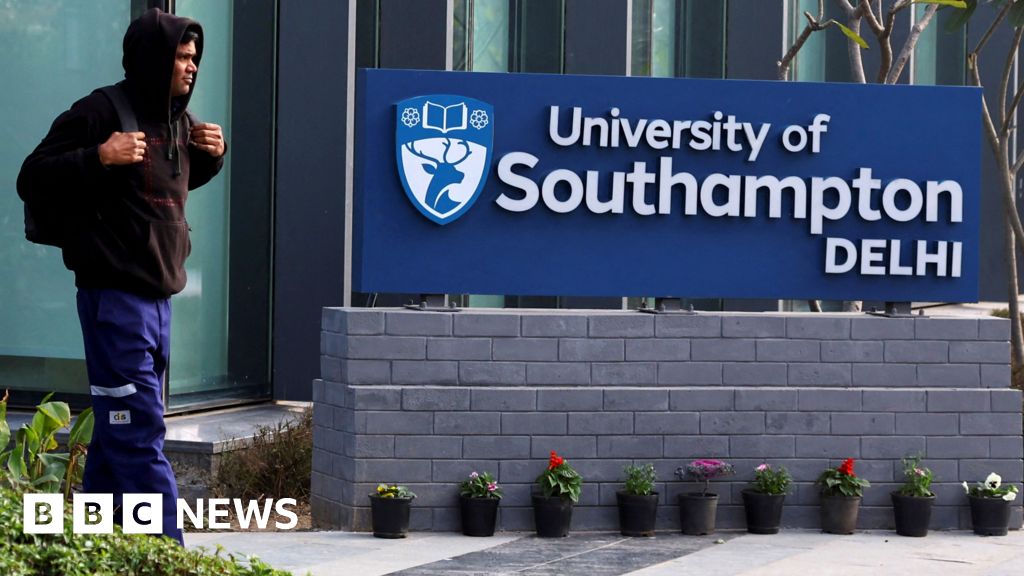
UK Universities Shift Focus to India: York and Southampton Lead the Way

Bridging the Gap: The Socioeconomic Divide in India’s Education System

The staggering figures emerging from India’s educational landscape reveal both a nation of promising potential and a deepening social divide. Annually, approximately eleven million students complete their Grade 12, marking the national threshold of secondary education. Yet, within this vast pool, only about 1.5-1.7 million students secure a place in the country’s top academic institutions. This stark disparity underscores a persistent inequality of opportunity, with a select few ascending to what many see as the gateways to socio-economic mobility, while the majority remain outside the privileged orbit of elite education.

The reality is that educational access often mirrors societal hierarchies rooted in economic status, regional disparities, and social caste. India’s most prestigious universities admit only about 200,000 students annually from this vast talent pool, leaving millions of talented youths excluded from the pathways that lead to leadership and innovation. Sociologists like André Béteille have long argued that these disparities not only limit individual potential but also entrench **social stratification**, where privilege is perpetuated through generations. In this context, education becomes less of a universal right and more of a symbol of societal division.

The ramifications for families and communities are profound. Many families from lower socioeconomic strata invest heavily in private coaching, often at great financial sacrifice, hoping to secure a foothold into India’s competitive academic world. Yet, the lack of equal opportunity creates an unfair playing field, amplifying social tensions. For educators and policymakers, this stark reality calls for urgent reforms—ranging from improving access to quality primary and secondary education in rural areas to dismantling systemic barriers that favor urban, affluent communities. These issues touch upon not only individual futures but also the moral fabric of society, calling into question whether the ideals of fairness and meritocracy remain meaningful in such an ecosystem.

Looking forward, there is hope that societal reflection and strategic policy may pave the way for a more inclusive future. Institutions and civic leaders must embrace the challenge of equality, fostering environments where talent does not go unrealized due to societal bias. By addressing root causes of disparity, from inadequate infrastructure in marginalized areas to the prevalent social stigmas, communities can nurture a generation capable of lifting itself beyond inherited divides. As sociologist Arjun Appadurai emphasizes, fostering *cultural resilience* and *social cohesion* are essential in transforming the promise of education into tangible social progress. Society stands at a crossroads where the resilience of families, the dedication of educators, and the resolve of policymakers may either reinforce the barriers of today or dismantle them in pursuit of a more *equitable* tomorrow. Only then can India truly aspire to be a land where opportunity is not dictated by circumstances of birth but fueled by the collective hope of its youth.

Australia updates: Hybrid car sales surge as youth shift from petrol; Iranian footballer departs despite asylum offer

In a compelling turn of events, Australia finds itself at the crossroads of shifting geopolitical and societal dynamics, as recent reports reveal a significant increase in the adoption of hybrid and electric vehicles, paralleled by the controversial departure of Iranian women’s football squad members seeking asylum. The latest data from the Australian Automative Association (AAA) underscores a transformative moment in the nation’s motor industry, with hybrid vehicles reaching record sales—a clear testament to the global push towards greener mobility. In the final quarter of 2025, hybrids accounted for 19.13% of all new light vehicle sales, outperforming traditional petrol cars which now constitute a mere 66.3% of the market, down from over 70%. Such figures are emblematic of Australia’s broader aim to lead in environmental transition while grappling with its geopolitical obligations, especially amidst surging fuel prices attributable to regional tensions in the Middle East.

Parallel to this shift, the geopolitical impact becomes starkly evident in the recent decision by several Iranian women’s football team members to leave Australia after being granted asylum—an act illustrating the nation’s delicate positioning on human rights, international diplomacy, and domestic security. The Australian government, led by Catherine King, publicly expressed that these women faced “enormous pressures” both from their homeland and global circumstances, which compelled them to make “incredibly hard” decisions. historians and analysts suggest this episode reflects shifting international expectations around asylum policies and human rights, especially as nations face increased scrutiny over their response to politically sensitive issues. The dilemma underscores how decisions by athletes—once confined to sporting arenas—now serve as microcosms of a larger geopolitical narrative, wherein societal values and foreign policy intersect with the personal stories of those seeking refuge.

Amid these tensions, Australia prides itself on strategic preparations to mitigate global turmoil. Minister Catherine King reassures that the country is well-positioned to withstand potential disruptions in energy markets, with reserves totaling 37 days of petrol, 30 days of diesel, and nearly 29 days of jet fuel. Such measures are a response to recent global fears triggered by unrest in the Middle East, which temporarily inflated fuel prices and prompted the government to release nearly 20% of its fuel stockpile. This strategic reserve is designed to balance the nation’s energy security against an increasingly volatile international environment, a move that demonstrates the nation’s resolve to safeguard its economy and social stability at a time of international flux. As analysts highlight, these preparatory actions reveal how a society’s resilience hinges on prudent international engagement and internal policy strengths—factors that could determine whether Australia continues its trajectory of stability or succumbs to the chaos brewing elsewhere.

In the grand tapestry of current events, the unfolding story of Australia’s energy transition and human rights stance may well be the prologue to future history—a chapter penned by decisions that will resonate across generations. As the world watches, these developments embody a broader truth: the balance of power and morality in a rapidly shifting geopolitical landscape hinges on the decisions of those in government and society, enduring challenges that threaten to redefine global order. The weight of history presses upon this moment, and the outcome remains unwritten, a testament to the perpetual struggle of nations striving to secure their future amid uncertainty.

Kenyan Youth Embrace New Weight-Loss Trends as Beauty Standards Shift

In recent months, Kenya has experienced a notable rise in the popularity of weight-loss and cosmetic procedures, significantly driven by local celebrities and social media influencers. This trend reflects a broader phenomenon where popular figures shape societal standards of beauty and self-image, often leading to a surge in demand for invasive and non-invasive treatments. While this cultural shift underscores a desire for personal transformation, it has also raised serious questions about the ethical, health, and economic implications within Kenyan society. International observers and health experts warn that this rapid proliferation, fueled by celebrity culture, may have deep ripple effects across neighboring African nations and beyond.

  • Social media influencers and local celebrities openly endorse cosmetic procedures, which many argue reinforces unrealistic beauty ideals.
  • There is a growing influx of cosmetic clinics, often unregulated, offering procedures with dubious standards of safety.
  • Health professionals warn of potential complications, especially as demand outpaces regulation and oversight.

This phenomenon cannot be viewed solely through a cultural lens; it has profound geopolitical impact that extends beyond national borders. As Kenya positions itself as a burgeoning hub for cosmetic tourism, its reputation within the regional marketplace is at a crossroads. Several analysts highlight that this trend could serve as a catalyst for economic growth—attracting international clients seeking affordable procedures—yet it simultaneously exposes vulnerabilities related to the regulation of medical standards. The United Nations and regional health agencies have voiced concern over the potential for illegal clinics and the lack of comprehensive oversight, which could transform what appears to be a routine social phenomenon into a regional humanitarian issue.

Experts like Dr. Ken Njoroge, a renowned Kenyan plastic surgeon, emphasize that the cultural shift driven by celebrities can have unintended consequences, fueling a cycle of body image obsession and dependency on cosmetic interventions. Meanwhile, international organizations such as the World Health Organization warn that unregulated practices could lead to increased cases of botched procedures, infections, and long-term health problems. This raises a pivotal question: how do nations manage the delicate balance between personal choice, economic opportunity, and public health? History suggests that unchecked deregulation often results in social upheaval and health crises, especially in developing contexts where legal frameworks are still evolving.

At the heart of this unfolding story is a complex cultural and geopolitical tapestry: a youth-driven desire for beauty and success intertwined with the economic ambitions of a nation seeking to leverage its demographic dividend. Countries in the neighborhood, such as Uganda and Tanzania, watch closely, pondering whether to emulate Kenya’s “beauty boom” or to implement stringent regulations. The decisions made today foreshadow a future where societal standards of perfection are shaped at the intersection of celebrity influence and government policy. As history continues to unfold, it becomes clear that this surge in cosmetic culture isn’t merely about aesthetics—it is a reflection of rapidly shifting societal values, economic aspirations, and the global fight over social identity.

In the shadow of these developments, one thing remains certain: the future of Kenya’s societal fabric—and indeed, the broader African continent—will be dictated by how this chapter in the social revolution is written. As regional and global entities debate the ramifications, the world waits with bated breath. The choices made at this juncture could resonate for generations, a vivid reminder that in the game of geopolitics and societal evolution, beauty standards are just the surface of a much deeper, more consequential narrative lurking beneath the surface of headlines.

Jensen Huang Signals Nvidia’s Shift Away from OpenAI and Anthropic — What’s Really Going on?

Tech Industry Shakeup: Nvidia’s Strategic Investments and the Geopolitical Tensions Reshaping AI

In a landscape where innovation and disruption define the pace of progress, Nvidia remains a dominant force, yet recent developments expose the complex chess game shaping the future of artificial intelligence (AI). The company’s muted commentary on its latest strategic moves, coupled with a shift in investment scales, signals a nuanced recalibration. As Huang, Nvidia’s CEO, emphasized on the company’s Q4 earnings call, their investments are primarily aimed at “expanding and deepening” their ecosystem reach. However, the actual scale of these investments, particularly in OpenAI and Anthropic, reveals a story of caution and reevaluation amid industry turbulence.

Initially, Nvidia announced a lofty pledge to invest up to $100 billion in OpenAI last September—a move that drew skepticism from industry experts like MIT Sloan professor Michael Cusumano. The plan was described as “a kind of a wash,” highlighting the circular nature of AI investments where alliances and stakes tend to feed into each other. Recently, Nvidia finalized a significantly reduced investment—approximately $30 billion—less than half of their original commitment. This contraction underscores a market wary of overextensions amid signs of a possible bubble, where speculative investments threaten to distort valuation metrics. The changing scale points toward a strategic pragmatism as Nvidia recalibrates its AI ambitions, understanding that different industry shifts could impact both its market dominance and geopolitical positioning.

Adding another layer to this dynamic is Nvidia’s relationship with Anthropic. Despite recent investments, tensions have surfaced, notably with Anthropic CEO Dario Amodei comparing the U.S. chip industry’s export controls to “selling nuclear weapons to North Korea,” highlighting the geopolitical fragility endemic to AI supply chains. The Trump administration’s decision to blackist Anthropic—barring federal agencies and defense entities from deploying its models—illustrates the dangerous intersection of AI innovation with national security concerns. Meanwhile, OpenAI’s swift pivot to contract with the Pentagon—marked by a strategic, yet contentious, military technology deal—further accentuates the industry’s shifting alliances. This divergence in trajectories underscores a broader trend: AI firms are increasingly caught at the crossroads of innovation and geopolitics, with their business models and strategic partnerships under intense scrutiny.

Implications for the Industry: Innovation, Market Disruption, and Policy Challenges

  • Innovation and Disruption: Nvidia’s redefining of its AI investments exemplifies how disruptive innovations can outpace traditional strategic planning, unveiling new opportunities for startups and established players alike. As AI models become more advanced, the pressure to balance innovation with geopolitical prudence intensifies, pushing firms to adopt more flexible, diversified approaches.
  • Market Shifts and Industry Realignment: The stark contrast between Nvidia’s cautious scaling and the aggressive Pentagon deal underscores a tectonic shift in market alliances. Firms that align with government and defense sectors may unlock enhanced capabilities and funding, but at the risk of alienating other markets or inviting regulatory backlash.
  • Business and Geopolitical Implications: Major corporations need to prepare for a future where global supply chains, export controls, and international diplomacy directly influence AI development. The industry’s trajectory may well depend on policy decisions increasingly driven by national interests, which could either stifle innovation or propel it into new geopolitical realms.

Analysts from Gartner and institutions like MIT warn that industry leaders must navigate these choppy waters with agility—balancing cutting-edge technological breakthroughs against emerging regulatory and geopolitical headwinds. The move by Nvidia, and industry shifts like the Pentagon-OpenAI deals, signal that the future of AI is not just about technological supremacy, but also about strategic positioning within a rapidly evolving global framework. With new alliances forming and old ones fracturing, the industry faces an inflection point where urgency and anticipation are paramount.

As we look ahead, the key question remains: who will shape AI’s next chapter—those who innovate at the edge or those who control the geopolitical levers? In this high-stakes game, the winners will be those capable of maintaining technological leadership while navigating the complex matrix of international policy and market disruption. The clock is ticking, and the future of AI—along with its vast implications—hangs in the balance, calling for strategic foresight and unwavering resolve.

Majority of Students Secured Top School Options in a Growing Shift Towards Choice

As pupils across the country discover their secondary school placements, a wave of emotional responses and societal implications unfold, revealing much about the resilience and challenges faced by families, communities, and the broader educational landscape. This process of school allocation, often perceived as a routine administrative task, significantly influences the trajectory of a child’s social development, shaping their future opportunities and reinforcing existing social inequalities. For many families, the announcement marks a pivotal moment that tests their sense of hope and adaptability in an increasingly competitive environment.

The distribution of school placements reflects deeper societal issues, such as unequal access to quality education and the persistent socio-economic stratification that continues to define many urban and rural communities. Sociologists like Pierre Bourdieu have highlighted how educational institutions tend to reproduce societal hierarchies, with children from affluent families more likely to secure placements at prestigious schools. Conversely, disadvantaged communities often find themselves confined to underfunded institutions, undercutting students’ prospects and perpetuating cycles of inequality. The impact on families is tangible: parents may feel heightened anxiety, investing significant resources into supplementary tutoring or relocation to secure better educational opportunities for their children.

This social stratification extends beyond individual families to influence community cohesion and social mobility. Institutions such as local councils and educational authorities face mounting pressure to ensure equitable allocation within limited capacities. Yet, systemic barriers often hinder efforts, leaving marginalized populations vulnerable to social exclusion. The consequences resonate in communities, where disparities in school quality contribute to widening racial, economic, and cultural divides. Education historian Dr. Miriam Cohen warns that such disparities not only affect individual success but threaten the fabric of society itself, fostering feelings of alienation and disenfranchisement among youth.

Addressing these challenges requires a multifaceted approach, with an emphasis on reforming admissions policies, increasing investment in underserved schools, and fostering genuine community engagement. Proposed solutions involve expanding access to high-quality education through targeted funding, comprehensive scholarship programs, and initiatives that prioritize inclusive and diverse school environments. The aim is to dismantle barriers rooted in socio-economic background and to foster a sense of shared opportunity. As social commentators argue, sustainable social change hinges on recognizing that every child’s success is inherently tied to the support systems within their community and family, underscoring the ethical imperative to address educational inequities.

Ultimately, the journey of a young pupil receiving their school placement encapsulates the broader societal struggle—balancing tradition with reform, privilege with justice. As communities grapple with these social issues, it is essential to remember that behind every placement letter lies a human story, a family dreams, and a future waiting to be shaped. Society’s challenges demand collective effort, innovative solutions, and a moral commitment to forge pathways where opportunity is not dictated by circumstance but illuminated by hope. In this ongoing narrative of growth and resilience, the question remains: can society truly rise to meet the needs of all its young, offering them not just a place in a school, but a place in a future that values their potential?

Dubai’s Safe Haven Image Cracked as Missile Attacks Shift the Tide

Dubai, long celebrated as a global hub for wealth, innovation, and cosmopolitan life, faces an emerging threat that threatens to reshape its reputation as a safe haven for expatriates and international influencers. Recent Iranian strikes in the region have punctuated a tense geopolitical environment, stirring fears about the stability of this prosperous Gulf city-state. While Dubai’s meteoric rise was largely rooted in its strategic geographic position and forward-looking economic policies, the recent escalation in regional conflict signals that this reputation may soon be tested beyond the mere perception of safety and prosperity.

Dubai, a key player within the United Arab Emirates, has benefited immensely from its open economy and its position as a nexus for trade, tourism, and finance. However, the escalation of hostilities involving Iran—an influential regional power—raises serious questions about the emergent risks facing its flourishing landscape. International security analysts recognize that the recent strikes have not only increased destabilization in the Persian Gulf, but also directly threaten Dubai’s role as a gateway for global commerce. The risk of broader conflict, especially considering Iran’s regional influence, has prompted observers like the International Crisis Group to warn of a potentially destabilizing ripple effect on the wider Gulf Cooperation Council (GCC) countries.

The geopolitical impact of these tensions extends well beyond regional borders. Historically, analysts such as Dr. Emily Andrews from the Council on Foreign Relations have emphasized that decisions taken at this juncture could alter regional alliances and economic partnerships. As the United States, **China**, and **Russia** recalibrate their positions amid this volatile backdrop, Dubai’s strategic importance may shift from a secure financial hub to an exposed territory vulnerable to collateral damage in wider conflicts. The recent Iranian strikes underscore a disturbing trend: regional conflicts now have the capacity to quickly penetrate the safety zones of global commerce, threatening to unravel the delicate balance that has kept Dubai’s economy thriving.

Further complicating the scenario are the perspectives of local and international leaders. UAE officials, under the leadership of **Sheikh Mohammed bin Zayed**, have historically adopted a cautious yet proactive stance in navigating regional tensions. However, the strategic dilemma is clear: continue economic openness in the face of escalating threats or adopt stricter defensive measures that could undermine the very openness that defines Dubai’s emergence. Meanwhile, international organizations such as the United Nations have called for restraint, yet their diplomatic efforts seem, at best, to serve as a temporary buffer in an increasingly unpredictable geopolitical climate. The delicate balance of regional power now teeters on a knife’s edge, with the potential for conflict escalation still looming large.

As history watches from the shadows, Dubai’s ongoing story remains an urgent testament to the unpredictable nature of modern geopolitics. The decisions made in the coming days and months will determine whether Dubai continues to be a beacon of prosperity or becomes a casualty of regional discord. The world stands at a crossroads—whether this city-state’s glittering skyline will stand resilient or give way to the chaos of unintended consequences is still uncertain, but the weight of history with each passing moment grows heavier. The unfolding chapter promises to leave an indelible mark on an era—one where the fragile veneer of prosperity is tested against the relentless march of geopolitical realities.

Trump’s Showbiz State of the Union Signals No Real Shift Ahead

In recent weeks, the United States has been wrestling with a complex internal political landscape, centered around a contentious national address delivered from the White House. While the president reiterated familiar themes—emphasizing economic statistics, domestic policies, and national security concerns—the message has yet to resonate convincingly with the broader public. This political event, although seemingly confined within the borders of America, bears significant geopolitical repercussions, especially as global stakeholders analyze the implications of leadership narratives fueling or undermining international stability.

From an international perspective, the lack of public consensus on such critical domestic messages hints at the growing divide in America’s societal fabric—a divide that does not exist in isolation. Analysts from institutions such as the Council on Foreign Relations underscore how internal political turbulence within prominent nations like the U.S. can weaken international trust and influence. As China and Russia continue to shape a multipolar world, the domestic instability exemplified by unresolved partisan divides undermines America’s ability to project power and uphold its international commitments.

Historically, public perception and internal cohesion serve as bedrocks of global influence. When U.S. leaders appeal to a broad audience—aiming for tens of millions during national broadcasts—they are not only addressing domestic concerns but also signaling to allies and adversaries the current state of leadership stability. Experts warn that persistent narratives of discontent and political inertia risk emboldening rival powers, which are actively seeking to fill perceived vacuums of influence. Meanwhile, international organizations such as NATO and the United Nations are increasingly cognizant of how internal political turbulence in leading nations can, in turn, destabilize regional and global security architectures.

In the backdrop of these internal debates, the geo-economic landscape continues to shift. Nations such as India and Brazil are demonstrating resilience and strategic independence, leveraging moments of perceived American weakness. The European Union grapples with its own internal divisions but remains keenly aware that the stability of dominant global powers like the U.S. is integral to its own geopolitical posture. As such, the ongoing internal struggles and their international ramifications are echoing in diplomatic corridors worldwide, highlighting the delicate balance between national sovereignty and transnational stability.

Ultimately, history reveals that the fates of mighty nations are entwined through a tapestry of decisions, conflicts, and moments of introspection. As America faces a pivotal crossroads—balancing authentic political engagement with the weighty expectations of global leadership—future events remain unpredictable yet inevitable. The currents of history continue to sweep forward, carrying the world into uncharted realms where the outcome of internal political delays could define the course of international affairs for generations. The question remains: in the unfolding mosaic of geopolitics, whose vision of the future will prevail, and at what cost to civilization’s collective hopes? Only time will tell, but the echoes of current choices will undoubtedly resonate for decades—an enduring reminder that history’s pen remains inexorably poised to inscribe the next chapter.

Six Key Impacts of Trump’s New Climate Policy Shift

In a landmark development on Thursday, a sweeping policy change has effectively dismantled the legal foundation that supported much of United States environmental legislation. This move signals a dramatic pivot in the nation’s approach to environmental regulation and heralds a new era where economic priorities seemingly outweigh ecological concerns. The decision has ignited fierce debates among policymakers, environmental advocates, and global observers, each scrutinizing the long-term implications for both domestic ecological health and international climate commitments.

Recognized by many analysts as a pivotal moment, the removal of this legal bedrock marks a significant setback for global efforts to combat climate change. Historical perspectives, such as those provided by environmental historians and international organizations like the United Nations Environment Programme, caution that weakening legal protections in one of the world’s largest economies could undermine multilateral agreements and global progress. Critics argue that this shift is not merely a domestic policy change, but a de facto signal to the world that America is retreating from its leadership role in environmental stewardship. Meanwhile, supporters contend that this move restores national sovereignty and prioritizes economic growth over global environmental mandates—an ideological battle that will echo across decades.

The geopolitical impact of this decision extends beyond American borders. As the world’s second-largest emitter of greenhouse gases, US policies hold sway over the effectiveness of international climate strategies. With the withdrawal or weakening of environmental protections, nations dependent on American leadership now face increased uncertainty in their own climate and energy policies. European leaders, often seen as advocates for stricter environmental standards, have voiced concern that this development may weaken global commitments. The G20 and other multinational institutions are now recalibrating their strategies, aware that the US’s policy trajectory influences economic and environmental stability worldwide.

Many international analysts point to this shift as part of a broader political realignment. As noted by geopolitical experts at the Council on Foreign Relations, decision-makers are increasingly placing national interests above multilateral agreements, a stance that carries profound implications for humanity’s collective future. Some worry that this decision marks a turning point where individual countries prioritize short-term gains over long-term sustainability—an act that could distort global efforts toward a resilient and sustainable planet. As history reaches a new chapter, the choices made today will undoubtedly serve as a defining moment—either sparks for renewed international collaboration or catalysts for deeper divisions with consequences yet to be fully realized.

In the shadows of this decisive move, the weight of history remains palpable. Nations and societies stand at a crossroads—where the future of environmental stewardship may be shaped by the decisions of today. Will this new chapter propel the world towards greater ecological resilience, or will it accelerate a descent into global fragmentation? The answers lie ahead, carved into the uneven terrain of geopolitical ambition and human resolve, as the story of our planetary fate continues to unfold amidst the relentless march of history.

Social Media Auto Publish Powered By : XYZScripts.com