Matox News

Truth Over Trends, always!

US judges: Trump admin must keep SNAP benefits flowing during shutdown

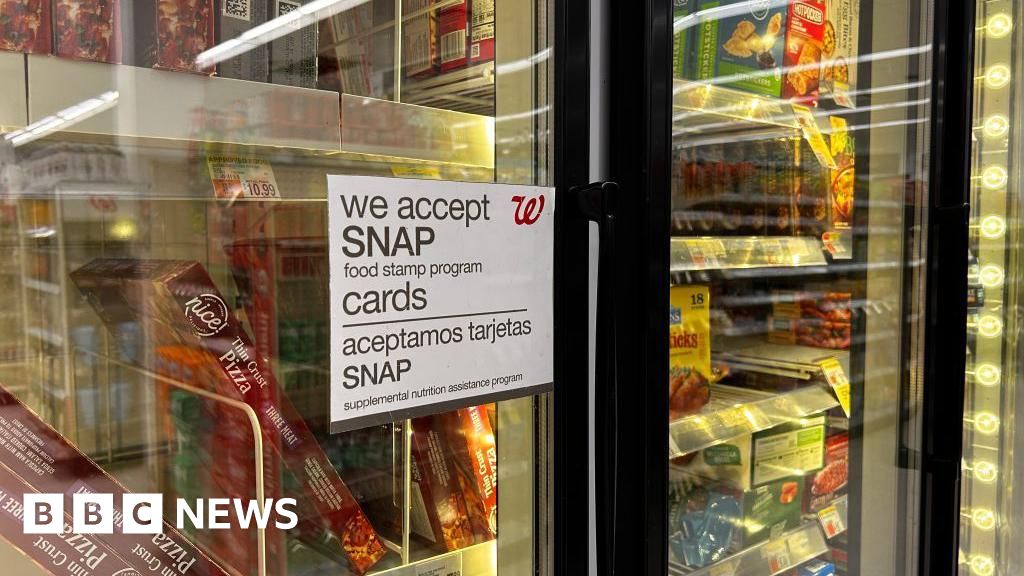
As the United States approaches its second month of a debilitating government shutdown, the focus has intensified on the humanitarian consequences unfolding across the nation, especially among its most vulnerable populations. Despite the political impasse that has paralyzed federal operations since October 1st, the judiciary has delivered a decisive blow to the Trump administration’s attempt to withhold food assistance for over 40 million low-income Americans. Two federal judges in Rhode Island and Massachusetts have ruled that the government must utilize emergency funds to continue the disbursement of SNAP benefits, commonly known as food stamps.

This legal intervention underscores a critical turning point in the ongoing crisis, emphasizing the fundamental role of judicial authority in safeguarding basic human needs against political stalemates. The courts’ rulings assert that funds necessary for essential aid cannot be arbitrarily withheld under the guise of budget disputes. Analysts highlight the geopolitical impact of such decisions in terms of American domestic stability. Historians warn that prolonged neglect of social safety nets can deepen societal divisions, trigger food insecurity, and exacerbate economic disparities, reflecting what they term a “moral failure.” Meanwhile, international organizations, such as the UN, have expressed concern about the global image of a superpower unable to meet the basic needs of its people, risking a narrative of decline amid domestic chaos.

At the core of the legal battles laid out in courtrooms is the Trump administration’s claim that the contingency funds meant for emergencies are insufficient for this crisis, a stance challenged as mistaken by judicial authorities. The USDA’s decision to halt SNAP distributions, citing “the well has run dry,” has been met with widespread backlash from both sides of the political aisle and society at large. Despite efforts by several states to fund benefits independently, the federal government’s warning that they will not be reimbursed only fuels fears that millions of Americans—families like those surviving on less than $6 a day per person—are being left adrift in a storm of political game-playing. The Center on Budget and Policy Priorities estimates that even if the contingency fund is accessed, it might only cover approximately 60% of the usual beneficiaries—another grim reminder of how decisions made in Washington resonate deeply in American living rooms.

In this moment of crisis, the echoes of history serve as a stark warning: when social safety nets are undermined, societal stability fractures. The dominant narrative echoing through policy circles and international commentators alike is that these conflicts are not merely political disputes, but fundamentally a test of American values and resilience. As the courts demand action and Congress remains gridlocked, the fateful question persists—will this be remembered as the point when the world’s most powerful nation chose to abandon its own people, or will it rise to the occasion? The unfolding story remains a testament to a society at the crossroads, with the weight of history pressing heavily upon the pages yet to be written. As the nation teeters on the brink of crisis, the true impact of these decisions will only be measured by how they shape the future of millions who depend on the promise of a better life—promised but now continually challenged by political indifference.

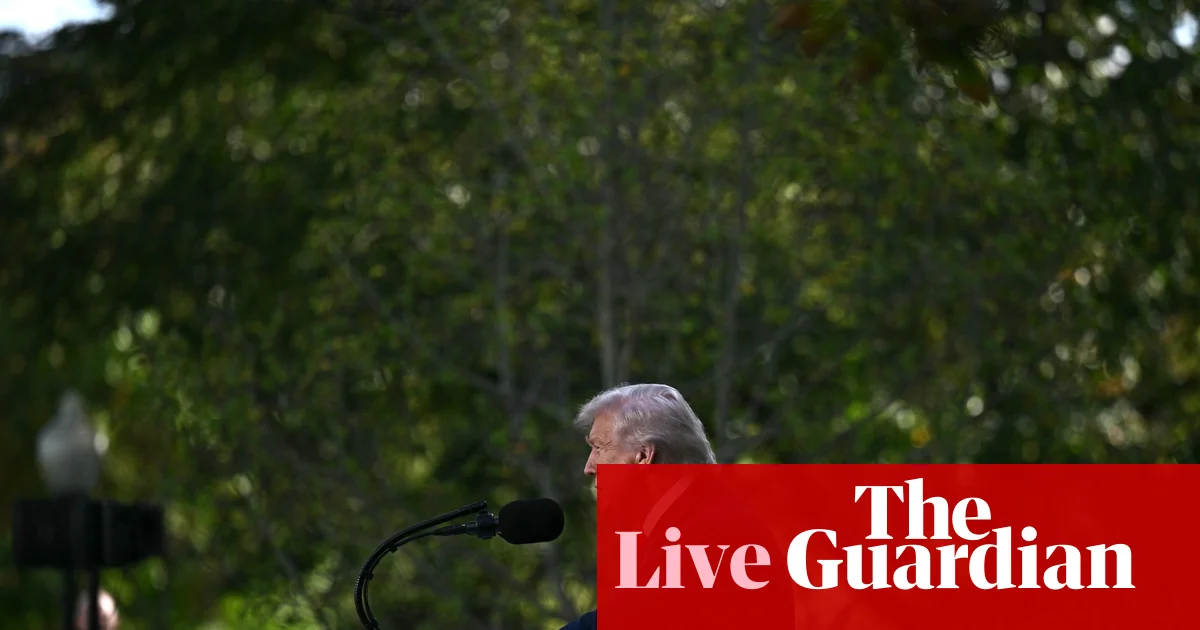
Trump urges Senate to ditch filibuster, push to end shutdown now — US politics update

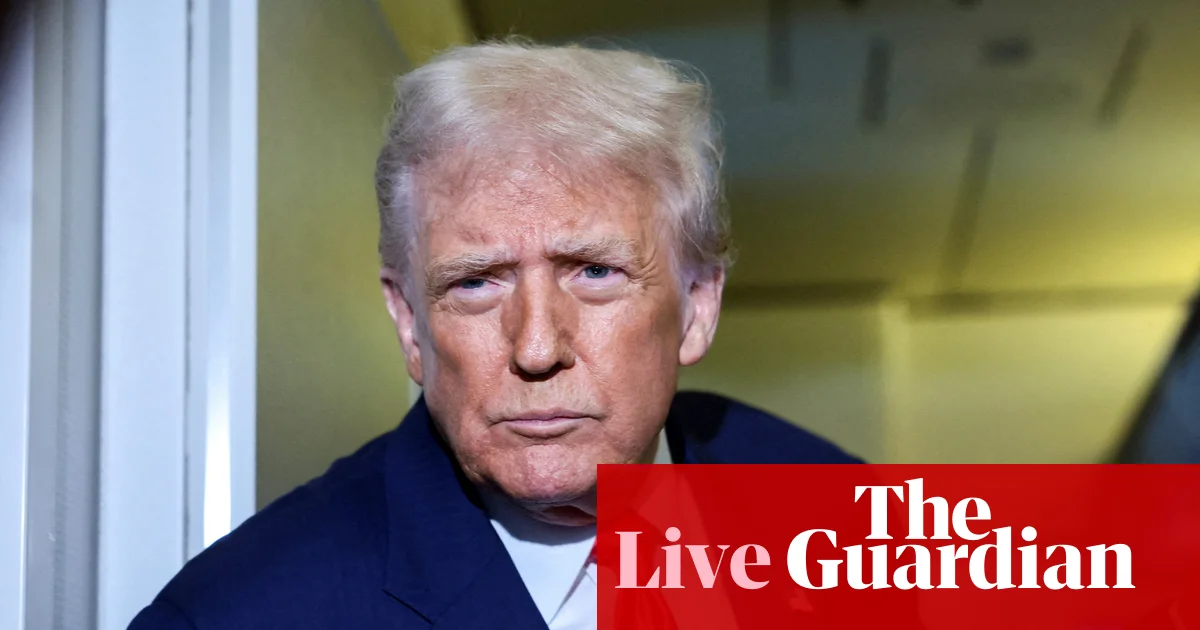
In what may be remembered as a defining moment of early 21st-century geopolitics, the United States finds itself at a crossroads, with internal debates and international actions shaping a new global landscape. President Donald Trump, freshly returned from a week-long diplomatic tour across Asia, is pressing hard for radical reform within the U.S. Senate—specifically, calling for the abolition of the historic filibuster to end the ongoing government shutdown. His rhetoric on social media underscores a broader push for decisive, even contentious, changes that could, depending on their outcome, significantly reshape the nation’s legislative processes.

This shift in strategy is paired with extraordinary bipartisan reactions that signal mounting frustration. Notably, a handful of Senate Republicans—including Mitch McConnell and Lisa Murkowski—have broken from tradition to join Democrats in voting against Trump’s tariffs on over 100 countries, a move that highlights growing dissent among the political elite about the scope of executive authority and the reach of trade policies. The tariffs, which Trump enacted via executive order, have faced mounting resistance—a reflection of tensions between the executive branch and Congress, which analysts say could lead to a constitutional showdown. Historian and political analysts warn that if the ‘nuclear option’ is employed to eliminate the filibuster, it will dismantle a cornerstone of Senate deliberation, fundamentally altering the legislative landscape and possibly increasing polarization.

Meanwhile, international responses to American military actions have cast a shadow over U.S. global leadership. The UN High Commissioner for Human Rights has condemned recent US military strikes against boats in the Caribbean Sea and Pacific Ocean, alleging that these operations violate international law and constitute extrajudicial killings. This marks a rare, perhaps unprecedented, condemnation from the UN against U.S. military tactics, raising questions about America’s compliance with human rights standards while fighting drug cartels. President Trump, on his part, justifies these strikes as necessary to stem drug flow, yet the mounting civilian casualties, with at least 61 reported deaths, threaten to delegitimize this counter-terrorism effort, especially as it takes place outside the bounds of active armed conflict. Such developments threaten to diminish America’s moral standing on the world stage while emboldening adversaries who question U.S. commitment to international law and human rights.

Compounding these international tensions, the domestic political landscape remains volatile. The Senate’s vote to reject Trump’s Tariffs signifies a pushback not only against trade policies but also against executive overreach. The opposition’s rare bipartisan effort underscores a wider sentiment that the President’s aggressive economic and military strategies risk escalating global conflicts and domestic instability. As analysts warn of a possible escalation towards greater authoritarianism if the Senate’s constitutional boundaries are further eroded, the world watches with bated breath. The sense that the U.S.—once a beacon of liberal democracy—is inching towards uncharted, perhaps perilous, territory hangs heavy in the air. As history’s pages turn, the unfolding drama of these internal struggles and external conflicts will invariably define the foreign policy and social fabric of nations for generations to come. In the shadow of these tumultuous events, one truth remains clear: the shadows of history are lengthening, and the outcome remains unwritten.

Trump supporter Timothy Mellon funds $130M to secure troop pay amid shutdown

In a startling display of private influence over public policy, timing and financial dominance converge as news broke of an anonymous donation that temporarily eased the burdens of U.S. troops during the prolonged federal shutdown. According to The New York Times, the donor, identified only as Timothy Mellon, committed a staggering $130 million to the U.S. government — a move unprecedented in its clandestine nature and its implications for americas’ political landscape. Mellon’s history as a major Republican benefactor and heir to an industrialist legacy underscores a broader trend: wealthy private actors increasingly shape governmental functions, blurring the lines between citizen participation and covert influence.

This infusion of private capital raises critical questions about how international and domestic policy decisions are influenced by billionaires. The donation, accepted under the Pentagon’s “general gift acceptance authority,” was reportedly aimed solely at subsidizing service members’ salaries and benefits. Yet, the controversy lurks in the potential violations of the Antideficiency Act, which explicitly prohibits federal agencies from spending beyond their congressional appropriations or accepting voluntary services outside emergencies involving human safety. Such measures drift dangerously towards undermining the checks and balances fundamental to American democracy, where the power of the purse traditionally rests with elected representatives, not anonymous magnates.

Historically, figures like Mellon symbolize a nexus of wealth, political influence, and ideological confrontations. As research by analysts and historian suggest, Mellon’s substantial campaign contributions — totaling over $165 million in recent election cycles — exemplify how interwoven private fortunes are with the fabric of candidate support and policy advocacy. His recent backing of intense border projects in Texas, and support for antitrust ideological movements, reveal a strategic effort to shape regional and national narratives aligned with a broader conservative resurgence.

The geopolitical impact of such private influence extends beyond American borders. As international organizations warn of increasing transnational power struggles, the US’s internal reliance on billionaire benefactors risks destabilizing the foundational principles of democracy in favor of a shadowy corporatocracy. The actions of Mellon and similar donors set a precedent where financial might can quietly mold policy outcomes, often at odds with citizen interests. Their role invites scrutiny from global governance bodies, which are already observing the fragility of the American political order amidst growing societal divisions.

As history continues to unfold in the corridors of power, the weight of these clandestine financial maneuvers threatens to redefine the very notion of sovereignty. With each secret donation, each act of influence, the dividing lines between the public and private sphere blur further, raising urgent questions about accountability and transparency. As nations look on, they recognize the inescapable reality that the future of free societies hangs by a thread, woven with the invisible threads of wealth and power, leaving the world to ponder — whose interests truly shape the course of history?

Trump plans White House gathering with GOP senators amid shutdown and construction chaos

In a landscape defined by relentless internal strife and mounting geopolitical challenges, the actions of the United States under President Donald Trump continue to reverberate across the global stage. Recent developments reveal a nation embroiled in constitutional crises, military deployments, and economic confrontations, which threaten to reshape the international order.

The internal chaos reached a new peak as the US government extended its longest shutdown in history into its 21st day, with no resolution in sight. As the Senate repeatedly failed to pass a funding resolution, millions of federal workers and critical services remain disrupted. Prominent Republican figures, such as House Speaker Mike Johnson, defend the shutdown as a strategic move against Democratic opposition—particularly over healthcare policy. Meanwhile, grassroots protests erupt nationwide, pressuring lawmakers and fueling political polarization. Many analysts view this as a critical turning point—a test of the resilience of American institutions amid turbulent times.

Amid the domestic turmoil, President Trump has taken decisive steps with undeniable geopolitical impact. Construction crews have begun demolishing parts of the White House East Wing to make way for a $250 million ballroom, stirring widespread controversy. Critics decry the renovation as a blatant indulgence at a time of national crisis, while opponents argue it symbolizes a deeper neglect of national priorities. Trump’s active engagement in this internal renovation underscores a broader trend—the consolidation of power and the spectacle of showmanship, often at odds with the global responsibilities the U.S. bears.

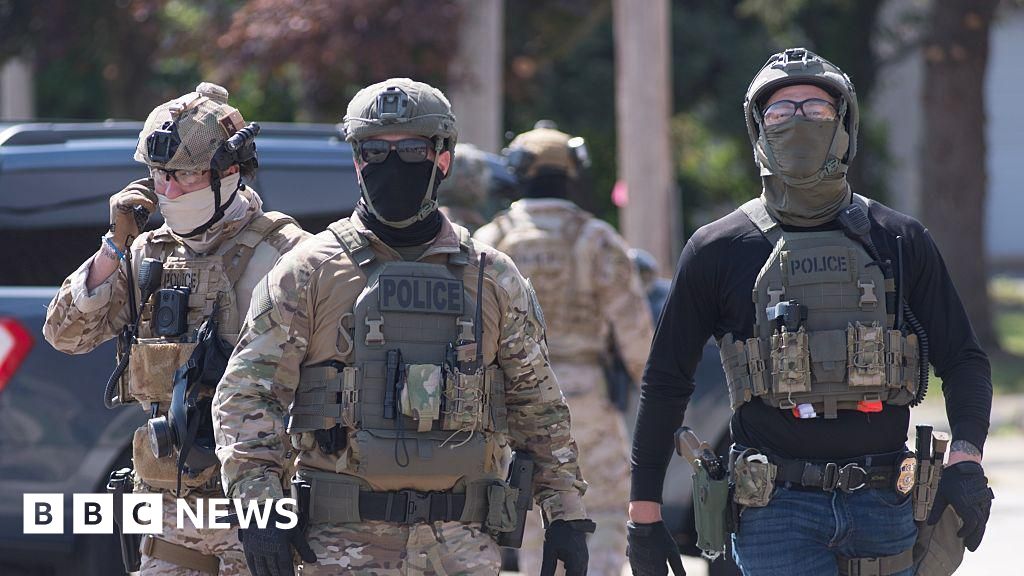
  • In a legal victory that further consolidates his authority, Trump’s administration secured a ruling allowing federal troops to deploy to Portland, Oregon, amidst ongoing protests.
  • Oregon’s governor, Tina Kotek, has called on the courts to review this decision, emphasizing concerns over federal overreach and the erosion of local sovereignty.
  • The tensions escalate as the Ninth Circuit Court of Appeals considers whether to rehear the case, a move that could broaden the legal framework permitting federal intervention in domestic protests—a concerning precedent with long-lasting consequences for civil liberties.
  • Simultaneously, in a disturbing display of partisan divergence, figures like James Comey seek to dismiss serious charges, exemplifying the judiciary’s partisan battleground and stripping away the veneer of legal impartiality.

Amidst these developments, international reactions are shaping the new geopolitical landscape. Trump’s endorsement of the AUKUS pact with Australia and PM Anthony Albanese signals a strategic pivot in alliance politics. The deal, emphasizing nuclear submarine cooperation and critical mineral exports—especially aligned against China’s tightening grip—underscores the shift toward militarized diplomacy and economic brinkmanship. While Trump praises Albanese’s leadership, behind closed doors, American military and diplomatic officials are reportedly seeking to clarify ambiguities in the controversial nuclear deal, reflecting an era of high-stakes stratagems.

Across the Atlantic and Eurasia, the postponement of President Trump’s planned Budapest summit with Vladimir Putin hints at mounting tensions with Russia—an indicator of how internal instability in America cascades outward, destabilizing international diplomacy. As nations watch with a mixture of skepticism and trepidation, the world faces an uncertain future where the decisions made within American borders echo across continents, sparking new alliances, rivalries, and conflicts—destined to influence the course of global history.

In this epoch of uncertainty, historians and international analysts warn that the choices made by U.S. leaders today will either sustain or fracture the fragile global order. As the nation faces unprecedented internal battles, the wheels of history continue to turn—often unnoticed by the masses—yet undeniably shaping the future of nations and societies alike. The unfolding drama remains a stark reminder that beneath the spectacle of power, the course of history is written with the ink of decisive, often tumultuous, action—a story still being authored, with humanity’s future hanging in the balance.

Trump administration seeks funds to pay federal officers amid shutdown dominance

U.S. Government Shutdown and Its Global Geopolitical Impact

The prolonged shutdown of the United States federal government, now entering its third week, underscores a deepening political crisis that extends beyond domestic borders. Despite repeated votes in the Senate, the legislature remains deadlocked, illustrating a growing rift between Democrats and Republicans. The inability to pass funding legislation not only halts regular government operations but also sets a troubling precedent for the stability of the world’s leading superpower. International analysts warn that such internal chaos can weaken America’s standing on the global stage, complicating diplomatic relations and economic strategies worldwide.

Financial Strains and Alternative Measures with Global Consequences

Faced with the crisis, the Trump administration has begun exploring alternative ways to finance critical programs. While the government remains paralyzed, essential services such as military operations are being maintained through previously allocated funds, raising concerns about the long-term sustainability of such decisions. Officials confirm that approximately 750,000 federal employees have already been furloughed, a figure with serious social and economic repercussions that ripple through markets, affecting global investors and allied nations reliant on U.S. stability.

  • The federal workforce faces significant financial uncertainty, with ongoing layoffs impacting multiple agencies.
  • The administration has sought cost-effective ways to sustain essential services, including using tariff revenue to fund nutritional aid programs for vulnerable populations.
  • The military remains operational, yet the question of funding continuity remains unresolved, with warnings of further disruptions looming.

International commentators, including financial analysts and political historians, indicate that the U.S. political impasse threatens the reliability of American policy and economic commitments. This internal discord may embolden geopolitical opponents, who see in America’s weakness an opportunity to expand influence in regions like Eastern Europe, the Indo-Pacific, and beyond. Such instability could result in shifts in alliances, emergent regional conflicts, and a recalibration of international power dynamics.

Turning Point or Prelude to Greater Turmoil?

The unresolved dispute over funding for critical programs, such as welfare for women and children and law enforcement agencies, signals a fragile domestic landscape. The potential for further financial hardship, coupled with rhetorical escalations from leaders, suggests a turning point in American governance that could redefine its influence for decades to come. Historians warn that prolonged governmental deadlock not only undermines domestic trust but also erodes international credibility.

As the world watches, the unfolding crisis in the US offers a stark reminder: in a time of shifting alliances and rising powers, internal stability remains the cornerstone of a nation’s capacity to lead. The decisions made within the halls of Congress now reverberate across continents, shaping the global order and determining whether the future will be one of renewed strength or unprecedented decline. The pages of history are turning — and only time will tell what chapter they will write next.

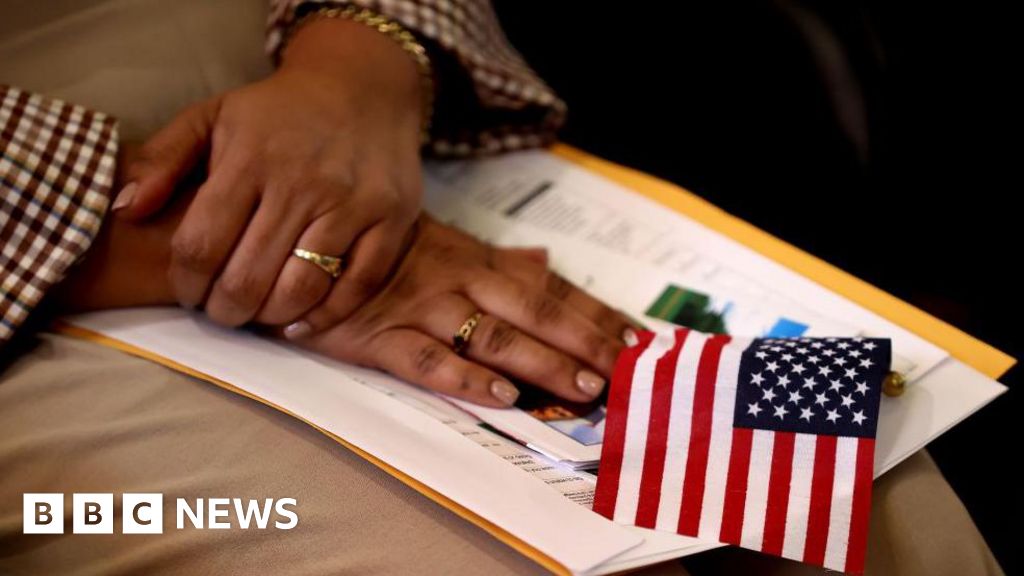
Shutdown halts U.S. citizenship ceremonies, impacting new Americans

In what can only be described as a stark illustration of political paralysis impacting the lives of millions, a recent government shutdown in the United States has temporarily halted vital immigration services, leaving aspiring citizens in limbo. Amidst ongoing internal political deadlock in Washington, over 700,000 federal workers are now on unpaid leave, and the shutdown’s ripple effects threaten to undermine the integrity of America’s immigration system. This scenario underscores the profound geopolitical impact of internal divisions in one of the world’s leading powers, demonstrating how internal policy fractures have tangible consequences on individuals’ destinies and national reputation.

With the deadline for government funding having expired on October 1, lawmakers have been deadlocked in an increasingly bitter confrontation that exposes deep partisan fissures. The inability to reach a consensus has led to the shutdown, affecting core government functions. Notably, the U.S. Citizenship and Immigration Services (USCIS), although typically resilient due to funding through application fees, faced disruptions in services that are critical to those seeking U.S. citizenship and new opportunities on American soil. This disruption manifests not only as inconvenience but as a major setback for countless hopeful immigrants, many of whom have invested years, even decades, of effort in pursuit of the American dream. The shutdown accentuates a broader narrative of Washington’s failing governance, where ideological disputes threaten the fabric of social mobility and national integration.

Internationally, analysts and historians have pointed to this shutdown as a symptom of a shifting global order—one where internal discord in superpowers like the U.S. might dampen their ability to lead on the world stage. Countries in Asia, Europe, and elsewhere watch nervously as recent US policies reveal a nation grappling with its internal divisions. As political scientists warn, such internal crises could weaken U.S. soft power, embolden rivals, and fuel regional instability. Moreover, the decision to delay or cancel naturalization ceremonies—though seemingly administrative—carries symbolic weight, signaling to both allies and adversaries that America’s own governance is under strain. In a world of rising powers, where China and Russia challenge the rules of the international order, the internal disarray within the U.S. diminishes its moral authority and strategic influence.

Despite promises from officials that services will resume once a budget agreement is reached, the uncertainty continues. As the ongoing stalemate prolongs, critics argue that this exposes a fragile democracy in distress, where partisan conflicts threaten to erode institutional trust and undermine societal stability. Many experts, including prominent historians and policy analysts, warn that such internal discord could have long-lasting effects—shaping the future narrative of a nation still struggling to reconcile its ideals with political realities. Meanwhile, those caught in the crossfire remain anxious, faced with an uncertain horizon where their hopes for a new life hinge on the fragile pause of a government unable to function.

As the world watches, a profound question lingers: will this internal crisis serve as a turning point—a moment of reckoning for a nation that once projected strength and resolve—or will it mark the beginning of a period of enduring decline? History continues to unfold in the shadows of political impasse, echoing with the weight of American promises and the promise of global futures yet to be written.

Trump Town Faces Shutdown Boot as Budget Crisis Builds

The US Government Shutdown: A Local Impact with Global Geopolitical Ripples

As the United States government enters its third month of shutdown, the geopolitical consequences are rippling far beyond the halls of Washington, impacting local communities and societies with tangible immediacy. In Martinsburg, West Virginia, a town emblematic of the broader American fabric, federal employees, veterans, small business owners, and residents find themselves at the mercy of political deadlock. While the immediate effects include furloughed workers and shuttered services, analysts warn that this crisis highlights the deeper fissures and vulnerabilities within the very structure of American governance.

The shutdown began after a contentious political impasse over federal funding, with Democrats and Republicans entrenched in their stance since October 1st. The result has been the suspension of vital programs that sustain not only the lives of millions but also the stability of local economies. For instance, in Martinsburg—an area with a significant federal workforce—over 3,300 federal employees are directly affected, with additional thousands commuting to the capital daily. The impact on veteran care, as seen through the story of Army veteran Jonathan Giba, exemplifies the human toll: delayed medical treatment, halted career transition programs, and a growing sense of worry among those already scarred by service. Somber voices,” as noted by analysts, suggest this crisis is not merely about politics but about the systemic neglect of everyday Americans’ needs.

Within the broader geopolitical context, this shutdown underscores divisions within the United States—dubbed “Trump country”—where a fierce sense of independence and skepticism toward establishment politics runs deep. The political stalemate reflects more than a budget dispute; it embodies an ideological struggle that risks eroding trust in democratic institutions at a time when international confidence in American stability could waver. Historians fragility warn that repeated shutdowns risk long-term damage to the @America’s global standing, as allies and adversaries watch with keen interest. International organizations, like the United Nations, have expressed concerns over the stability of US policies and their capacity to meet global commitments, emphasizing that the world cannot ignore the internal crises of the most powerful nation on Earth.

Meanwhile, the impact is felt deeply within the American heartland—where small businesses like Tina Hissam’s suffer from the ripple effects of disrupted federal contracts and service closures. With USDA service centers shuttered and furloughed IRS workers further delaying claims and refunds, local economies flounder in uncertainty. According to economists and local leaders, such as Kelly Allen of the West Virginia Center on Budget and Policy, the suffering touches every stratum—from laid-off federal personnel to the most vulnerable members whose survival depends on stable government support. These mounting pressures threaten to further destabilize a politically divided society, fueling an urgent call for resolution amid a landscape of growing economic fragility.

As the crisis drags into the months, the narrative remains one of profound uncertainty—where history offers grim lessons: prolonged shutdowns lead to deeper policy failures, increased societal fractures, and a diminishing capacity for government to serve its people. With each passing day, the weight of history presses down; the American experience is once again at a crossroads, teetering between political brinkmanship and the imperative for leadership, unity, and purpose. The question persists—will this be a moment of reckoning, or a chapter of further decline, as the unstoppable momentum of history continues its relentless course?

Trump Orders Pentagon to Keep Troops Paid Amid Shutdown

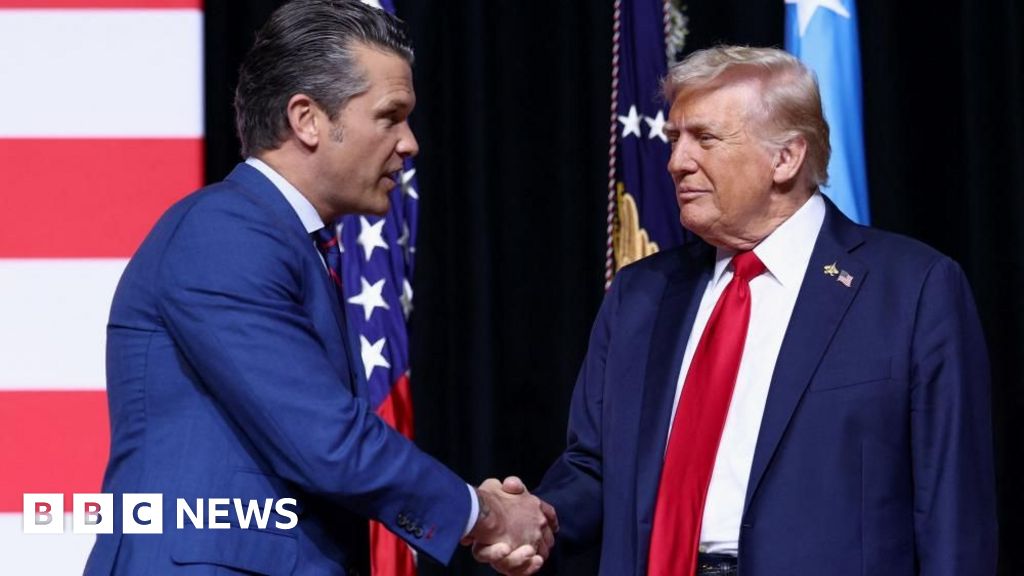
The United States faces an escalating political crisis as a prolonged government shutdown enters its third week, highlighting deep partisan divisions that threaten the stability of American institutions. President Donald Trump has issued a direct order to Defense Secretary Pete Hegseth to prioritize military personnel’s pay despite the shutdown, which began on October 1st. This decision underscores the importance of military readiness in the face of political gridlock, as the administration seeks to prevent a crisis within the armed forces. It also signals a tactical move to shield troops from financial hardship, even as other federal departments face significant layoffs and budget cuts. The decision’s geopolitical impact could ripple across international security dynamics, especially as allies monitor Washington’s fragile political resolve.

The shutdown stems from a standoff between Republicans and Democrats, with each side blaming the other for failing to reach a compromise. The Democrats have demanded the preservation of expiring tax credits aimed at lowering healthcare costs and reversing cuts to Medicaid, which primarily affects vulnerable populations. Conversely, Trump and his party accuse Democrats of obstructing national security and economic stability to achieve political goals. As analysts warn, this impasse not only endangers domestic policies but also risks weakening America’s global image as a reliable superpower. The measure to ensure military pay reflects a strategic calculation: maintaining military morale while politicians remain deadlocked, but it also raises questions about the long-term implications of political brinkmanship on international alliances.

Meanwhile, the administration has initiated unprecedented layoffs of thousands of government workers, an aggressive tactic designed to pressure Democrats to cave. Disaster response teams, health agencies, and security services have been affected, with over 4,000 employees laid off within just days. White House officials claim these layoffs are temporary, yet union representatives, including leaders from the American Federation of Government Employees and AFL-CIO, argue that these actions are not only illegal but also detrimental to public safety and national well-being. The potential for widespread government paralysis exposes the fragile foundations of America’s internal stability, as factions dig deeper into their trenches. International observers and organizations are watching with concern, recognizing that such political confrontations could embolden external adversaries or destabilize sectors such as cybersecurity, healthcare, and infrastructure—areas already strained by the ongoing crisis.

This critical juncture underscores a broader truth: the decisions made within the halls of power now will echo through history, shaping the **geopolitical landscape** for generations. As foreign nations assess Washington’s internal struggle, they scrutinize whether the American political system can withstand internal strife or if it risks falling into disarray. Historians warn that prolonged governmental shutdowns—if left unresolved—have profound consequences, weakening America’s power projection and eroding trust among allies and adversaries alike. The dark clouds of uncertainty loom as essential services teeter on the brink, leaving humanity to wonder if this chapter marks a temporary crisis or the prologue to a much darker era of American decline. With the pen in the hands of divided leaders, the weight of history presses heavily on the present, yet the story remains unwritten, waiting to be shaped by the choices of those still in power.

Trump Administration Sends Layoff Notices to Over 4,000 Workers Amid Shutdown

U.S. Federal Workforce Reductions Signal a New Chapter in Geopolitical Power Dynamics

The United States is currently navigating a rare and tumultuous chapter marked by an unprecedented government shutdown that carries far-reaching geopolitical implications. As the Trump administration initiates large-scale layoffs of thousands of federal workers—over 4,000 initially, with more to come—the international community observes a clear signal of internal discord and strategic recalibrations. These strategic workforce reductions, announced directly by White House officials, reflect a broader intent to reshape America’s internal machinery under the guise of efficiency but carry risks of destabilizing credibility on the world stage.

Decisions Rooted in Political Strategy, Not National Security

  • In the midst of the ongoing government shutdown, President Donald Trump has repeatedly leveraged the crisis to push for a significant cutback in federal employment—an ideological move that echoes long-held conservative priorities.
  • Agency layoffs—initially a few thousand—are only the beginning, with White House officials openly downplaying the current figures, hinting that the true scale may be far larger. Federal legal frameworks, including laws mandating a 30-day notice to those laid off, are being challenged and sidestepped in an effort to accelerate the process.
  • Most significantly, major agencies such as the Treasury and Health and Human Services are bearing the brunt, with estimates indicating over 4,600 employees already facing layoffs. These were announced without clear timelines or comprehensive details, raising questions about transparency and the long-term impact on government functions.

International Concerns and Potential Consequences

International organizations and analysts are sounding alarms over the destabilizing effects of internal US conflicts. The Partnership for Public Service and other watchdog groups warn of the long-term erosion of public trust and competency in the U.S. administrative apparatus, potentially diminishing global influence. China’s state media, for example, have seized upon these developments as evidence of American political chaos, portraying the internal strife as a sign of declining American dominance. Meanwhile, in Europe, policymakers are evaluating how the internal division might affect NATO commitments and the U.S.’s promise of leadership in international security alliances.

Historical Context and the Blurred Line Between Policy and Power

Historian Andrew Busch notes that such internal conflicts, especially the manipulation of workforce reductions during a shutdown, resemble tactics historically used by authoritarian regimes to consolidate power under the guise of efficiency. Analysts say that the current move—under president Trump—is emblematic of a broader shift where internal policy decisions are increasingly used as geopolitical tools to project strength or weaken perceived adversaries. The approach also exemplifies how internal disagreements can have external ramifications, from diplomatic relations to global markets, as uncertainty clouds the stability of the world’s largest economy.

The Future Unfolds, but the Cost Is Tangible

Looking ahead, the trajectory of America’s internal crisis remains uncertain. The decision to hollow out the federal workforce under the banner of efficiency, while dismissing legal protections for workers, echoes a grim warning for societies worldwide: that internal discord and politicized governance can profoundly undermine credibility and stability in the international arena. As the Biden administration and global observers watch nervously, history continues to write its complex narrative—one where internal struggles have the potential to reshape the geopolitical landscape for decades to come. The weight of what is happening now echoes through history’s corridors, hinting that the consequences of these decisions are yet to fully unfold, with each layoff and political clash adding a new chapter to the story of a nation at a crossroads.

White House plans layoffs as federal shutdown drags into third week—America’s government at risk

U.S. Government Shutdown: A Crisis with Far-Reaching Geopolitical Ramifications

The recent announcement by the White House of federal layoffs exemplifies a pivotal moment in America’s internal crisis. As the government persists through a third week of shutdown, the decision to initiate a reduction-in-force (\RIF) process signals not only domestic instability but also a potential shift in international influence and security stability. While officials remain opaque about affected departments, the impact resonates across essential sectors such as cybersecurity, food safety, and public safety — critical pillars that hold the foundation of both economic strength and geopolitical standing.

Analysts herald this situation as more than just a partisan squabble; it underscores a deeper erosion of trust and stability in the U.S. political system. Historically, such gridlock hampers America’s ability to project power and maintain its alliances. The union leaders’ condemnation, claiming these layoffs are “illegal” and “devastating,” encapsulates a wider ripple effect that transcends national borders. Uncertainty regarding the federal workforce’s future directly threatens America’s capacity for rapid response and diplomatic leverage, especially at a time when global rivals like China and Russia continue their strategic pursuits, often exploiting American domestic vulnerabilities.

Domestic Political Standoff: How Decisions within Washington Shape the Future

The core of the crisis stems from a deadlock between Republican and Democratic leaders over funding. The GOP’s insistence on a narrow funding proposal, coupled with Democratic demands for social policy safeguards, exemplifies the legislative impasse. This standoff doesn’t merely threaten the livelihoods of federal workers; it jeopardizes the U.S.’s ability to uphold international commitments and operational readiness. The refusal to reconcile these differences jeopardizes the paycheck of 700,000 federal employees and continues to erode public confidence in government institutions. Historically, protracted shutdowns have spurred unpredictable geopolitical consequences, as internal weakness invites external adversaries to test American resolve and commitment.

With the Senate functioning as a choke point—requiring at least 60 votes to pass legislation—the situation intensifies. The Democratic opposition’s demands for extending health subsidies and safeguarding public media echo broader societal divisions. Experts like Max Stier warn that such internal disarray hampers essential services, from air traffic control to veteran care, strengthening the narrative that America’s internal vulnerabilities are exposing weaknesses to the world. Strategists globally perceive that ongoing chaos at home could significantly diminish America’s leadership during critical moments, hampering future diplomacy and military coordination.

The Unfolding Narrative of Discontent and Power

As the crisis deepens, the public and military faces an uncertain future; many service members and federal workers are on the brink of missing multiple paychecks. This internal strife carries a stark warning: how political decisions ripple outward, threatening societal stability and international standing. The government, historically a symbol of strength and resilience, now appears fractured, as legal battles erupt over the legality of firings and layoffs. According to recent reports by organizations like the Center for American Progress, the timing and extent of these layoffs are constrained by complex legalities, yet the administration’s threats persist, casting a long shadow over the nation’s internal cohesion.

The precise weight of this internal crisis extends far beyond the borders of the United States. With traditional allies watching cautiously and rivals such as China and Russia eager to exploit perceived weaknesses, the global geopolitical chessboard shifts ominously. The parallels with past moments of American internal discord serve as a stark reminder: history often records the passage of internal chaos as a prelude to broader international recalibration. As the final pages of this chapter remain unwritten, the world braces for the next move—aware that the true impact of Washington’s turmoil may well define the global order for generations to come.

Social Media Auto Publish Powered By : XYZScripts.com