Matox News

Truth Over Trends, always!

DHS Funding Freeze Becomes Longest Partial Shutdown in U.S. History Under Trump

The ongoing partial shutdown of the United States Department of Homeland Security (DHS), now reaching the longest in American history, underscores a deepening crisis rooted in political stalemate. For over six weeks, the DHS, responsible for crucial national security and immigration enforcement, has operated with less than 10% of its workforce active, leaving nearly 200,000 employees, including airport security personnel, in limbo. This paralysis is not just a domestic mess but a signal that the fragile fabric of American governance is fraying. Such internal instability is bound to ripple outward, affecting international perceptions of the world’s most powerful democracy and its capacity to project stability in a turbulent global landscape.

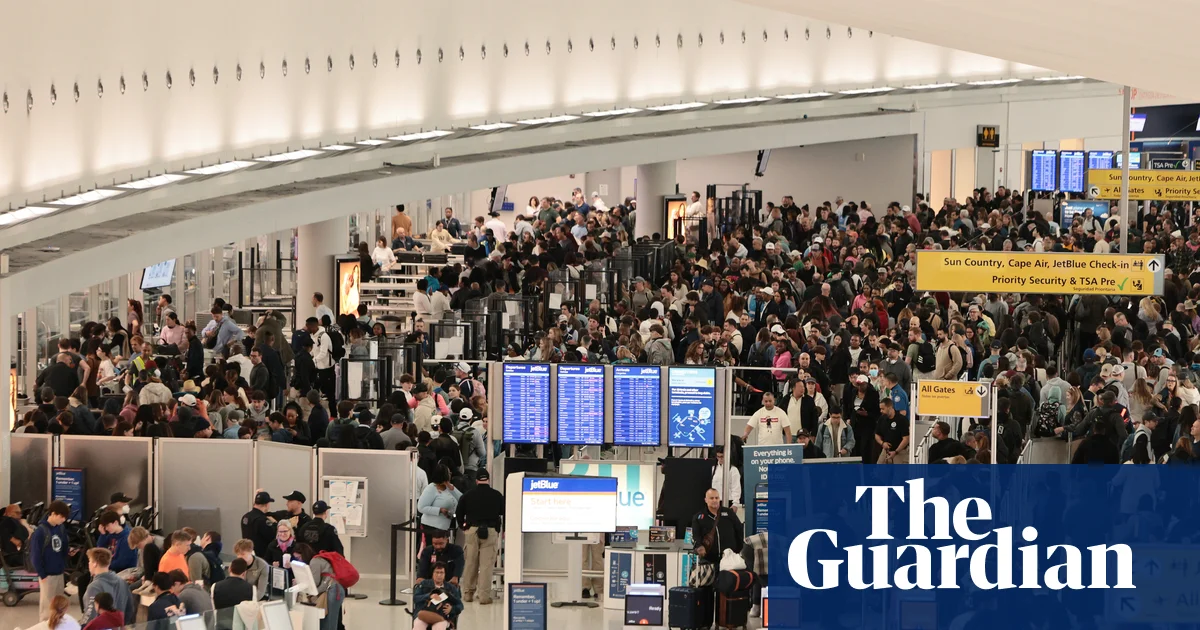
The root of this crisis lies in Congress’s failure to bridge partisan divides concerning immigration and border enforcement policies. Despite numerous attempts by President Donald Trump to allocate emergency funds, negotiations have repeatedly collapsed, leaving agencies like FEMA and the US Coast Guard without resources. As the shutdown prolongs, the chaos at America’s airports epitomizes its consequences: overcrowded security lines, missed flights, and over 480 TSA workers having left service since the shutdown began. Notably, authoritative voices such as the American Federation of Government Employees president Everett Kelley have denounced this government failure as a betrayal of the American people. Kelley’s call for lawmakers to “return to Washington, honor their oath and do their job” underscores the urgent need for leadership that prioritizes national stability over partisan gamesmanship.

From a geopolitical perspective, the shutdown weakens America’s global credibility. As international institutions and allied nations watch the wreckage caused by internal political discord, they are forced to question whether the U.S. can sustain its commitments or lead global efforts. Meanwhile, organizations like Airlines for America and the Modern Skies Coalition warn of a broader economic fallout. These groups point out that the shutdown hampers vital transportation infrastructure, jeopardizes international trade, and signals a retreat from the American keystone role in global stability. As global analysts cautioned, such internal dysfunction leaves the door open for adversaries to exploit America’s vulnerabilities, further destabilizing an already volatile international order.

In the wider context, these government challenges are symptomatic of a deeper political polarization. Experts such as law professor Eric Chaffee warn that short-term legislative fixes are merely delaying the inevitable, emphasizing that the true solution demands a political environment where the public’s will and national interests are prioritized. The current deadlock, with bills rejected and leaders retreating into partisan bunkers, risks being a prelude to further crises—not just within the U.S., but across the world stage. As history continues to unfold and the weight of this crisis bears down, the question remains: will American democracy rally or falter under the weight of its own divisions?

As the shutdown drags on, the world watches a nation claiming to be a global leader caught in a spiral of self-inflicted chaos. The narrative remains unwritten, but the shadows of past conflicts suggest that history’s gaze will be unforgiving to those who let internal discord threaten to dismantle their nation’s sovereignty. The next chapter in this saga holds the power to redefine America’s reputation—either as a resilient beacon of democracy or as a fractured power adrift in a world with no room for weakness. With each passing day, the weight of history presses down, waiting for leaders to act before the nation’s legacy is forever altered.

House Republicans block Senate deal, pushing partial government shutdown further

The recent failure of United States Congress to address the funding crisis has plunged the nation’s airport security system into unprecedented turmoil. With security agents going unpaid for over a month, chaos has erupted across major transportation hubs, exposing not only the immediate consequences for travelers but also underscoring deeper geopolitical concerns. This critical failure reflects mounting discord within the U.S. political establishment, potentially weakening one of the country’s most vital infrastructure components and revealing cracks in the bipartisan consensus necessary for governance in turbulent times.

The disruption stems from an ongoing budget impasse in Congress, where partisan disagreements have prevented the passage of crucial funding bills. The failure to allocate resources for airport security agents—an essential frontline element—has led to widespread understaffing, delays, and a breakdown of passenger screening procedures. Transportation Security Administration (TSA) officials warn that the integrity of airport security is compromised, jeopardizing not just domestic stability but also the broader diplomatic image of the United States. As analysts note, this crisis is a tangible manifestation of deeper political polarization that threatens to undermine public confidence in government institutions, especially amid rising concerns over security and migration.

International organizations and geopolitical analysts recognize the significance of this domestic instability on a global scale. The International Institute for Strategic Studies (IISS) emphasizes that a weakened U.S. security apparatus can have far-reaching consequences, including empowering hostile actors and encouraging regional destabilization. The disruption of travel and commerce can also ripple into economic vulnerabilities, affecting allies and trading partners who depend on stable transit routes. Some foreign governments have issued cautionary advisories, wary of the broader implications in a world where unpredictable internal conflicts can quickly escalate into diplomatic crises.

Historians and security experts warn that, far from a routine political debate, this standstill symbolizes a larger trend: the gradual erosion of American political consensus that has sustained the nation’s global dominance since the end of World War II. As key international treaties and alliances hang in the balance, the failure to fund essential operations signals a dangerous recalibration of priorities—where partisan bickering takes precedence over national security. The consequences are dire: if the U.S. cannot resolve its internal dysfunction, it risks ceding ground to adversaries who look to capitalize on American vulnerabilities, both at home and abroad.

In a world increasingly shaped by shifting alliances, rising authoritarian powers, and economic upheaval, this domestic crisis is a stark reminder of history in the making. As the day’s headlines continue to unfold, one thing remains clear: the decisions made within Washington’s hallowed halls will echo through history, shaping the future of countless nations and societies. The weight of this unfolding story leaves the global community pondering—how long can the superpower preserve its internal cohesion before the cracks become too deep to mend?

Airline CEOs Demand Congress End Shutdown and Pay TSA Heroes

The U.S. government shutdown: A warning sign for international stability

The recent partial government shutdown in the United States has underscored the profound geopolitical impact of domestic political failures on global systems. As CEOs of major American airlines publicly urged Congress to swiftly end the 29-day crisis, the ripple effects have extended beyond U.S. borders. Over 50,000 airport security officers have been forced to work unpaid, causing widespread disruption at key international gateways. The consequences resonate internationally, where a stable U.S. economy and security frameworks are foundational to global financial markets and diplomatic relations. Prominent analysts warn that prolonged political stalemates threaten America’s reputation as a reliable partner, potentially emboldening adversaries and unsettling allies.

The useless partisan brinkmanship and its costs

The crisis traces back to Congress’s failure to approve funding for the Department of Homeland Security, with disagreements rooted in contentious immigration reforms that led to the funding lapse on 13 February. The shutdown has prompted significant operational setbacks; airlines warn of increased delays during what is expected to be a record-breaking spring travel season, with an anticipated 171 million flyers. The CEOs of airlines like American, United, Delta, Southwest, JetBlue, and Alaska Airlines have jointly emphasized that such disarray damages consumer confidence and compromises national security. These disruptions highlight a broader phenomenon: how internal U.S. political disputes can destabilize markets, hurt citizens’ daily lives, and expose vulnerabilities in the country’s leadership and governance.

International repercussions and historical lessons

Internationally, this political chaos signifies more than a mere domestic issue; it serves as a cautionary tale valued by global powers and institutions. The United Nations and World Economic Forum have warned of the risks posed by hyper-partisanship in Western democracies, suggesting that such instability can undermine collective efforts against international threats like terrorism and climate change. Historically, as noted by historians like Charles Beard and Barbara Tuchman, internal divisions—particularly during crises—have frequently left nations vulnerable on the world stage. The current scenario in the US demonstrates that in a deeply interconnected world, political gridlock in one large power can have cascading effects on global commerce, security, and diplomacy, sowing uncertainty far beyond national borders.

As the world watches the United States grapple with its internal conflicts, an enduring question remains: how long can the world afford to wait for their fractured political system to stabilize? The ongoing paralysis leaves international societies pondering the resilience of Western institutions—whose credibility and stability remain essential for global peace and prosperity. In this turbulent time, where history continues to write itself with each headline, the weight of the future’s uncertainty presses heavily upon us. The unfolding saga of the US government shutdown remains a stark reminder: in an era of swift change, nations must brace for the unpredictable echoes of their internal struggles as the world’s compass continues to sway.

Shutdown delays airports, but ICE stays operational—what it means for travelers

Disruption in U.S. Homeland Security Signals Transition: Tech and Policy Implications

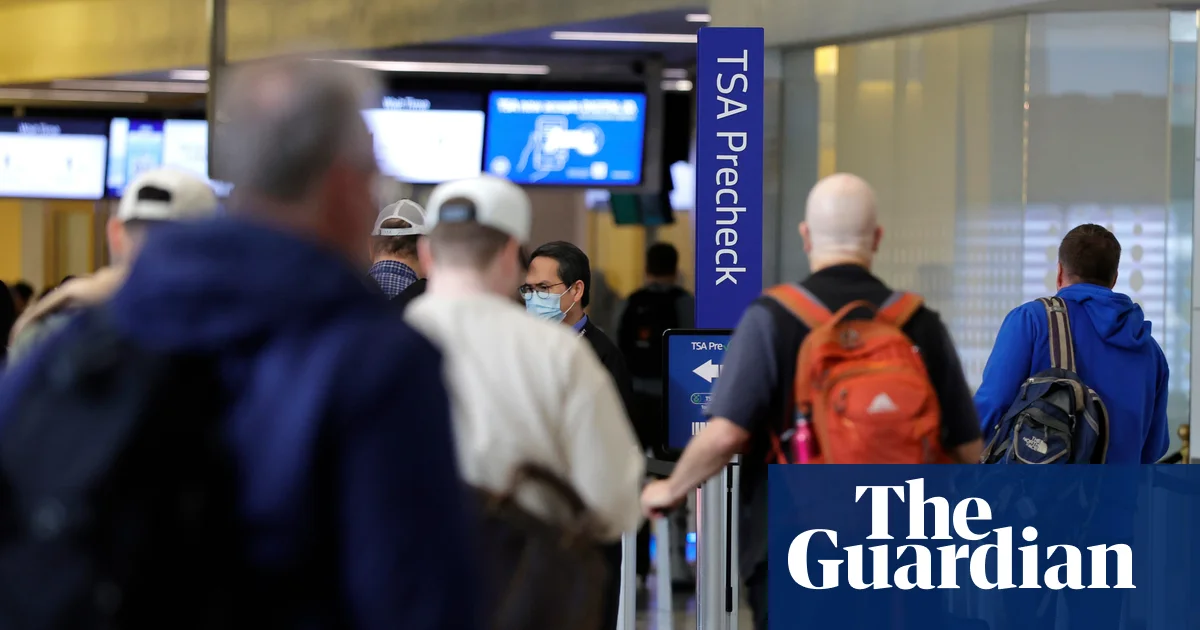
Recent turmoil across U.S. airports, marked by hours-long security lines and staffing shortages, underlines a broader challenge confronting government infrastructure. The Transportation Security Administration (TSA), the primary agent responsible for airport security, has been hamstrung by underfunding, revealing vulnerabilities in legacy systems that rely heavily on traditional manpower. In a rapidly evolving tech landscape, this crisis underscores the imperative for disruption-driven solutions capable of streamlining operations amidst political gridlock. As the Biden administration faces a partial shutdown stemming from a deadlock over immigration enforcement, the industry is witnessing a wake-up call for integrating innovative technology to ensure resilience and efficiency.

At the core of this debate is ICE (Immigration and Customs Enforcement) and CBP (Customs and Border Protection), which currently operate with unprecedented, multiyear federal funding insulated from political pressures—more than $170 billion allocated by the controversial One Big Beautiful Bill Act. While these agencies boast cutting-edge infrastructure, the ongoing funding stalemate exposes a critical industry dissonance: the reliance on traditional enforcement paradigms and slow adaptation to technological disruption. Experts from MIT and Gartner warn that such heavy investment in physical infrastructure—like detention centers and border check-points—must be complemented with AI-powered, analytics-driven tools to preempt threats and manage resources in real-time. Firms innovating in AI, facial recognition, and distributed ledger technology stand poised to redefine enforcement, putting traditional models at risk of obsolescence.

Meanwhile, Democrat-driven reforms seek to introduce transparency and accountability measures, such as body cameras and uniform standardization, to mitigate abuses and improve public trust. However, critics argue that these policy adjustments are merely superficial fixings compared to the rapid disruptive potential of next-gen security tech. As Elon Musk and leading Silicon Valley thinkers accelerate AI development, government agencies face a binary choice: embrace disruptive innovation or remain vulnerable to operational collapse. The 2025-2026 shutdown elucidates a strategic window for integrating autonomous systems, edge computing, and blockchain-based accountability solutions into homeland security, transforming rigid bureaucracies into agile, tech-enabled entities.

The business implications of this tectonic shift are profound. Legacy government agencies, often seen as bureaucratic and slow-moving, are approaching a pivotal moment where disruption could render old processes obsolete, fostering a competitive advantage for private sector partners pushing advanced security tech. According to analyst reports from Gartner, agencies adopting a forward-looking technology strategy will not only reduce operational costs but also elevate national resilience. Waiting too long risks falling behind, leaving critical infrastructure exposed to cyber threats and operational failures. As the political climate intensifies, the urgency to blend policy reform with technological innovation signals a new era—one where the old guard must adapt or face marginalization in the face of disruption.

Future Outlook: A Call for Urgent Innovation

In the current wave of governmental upheaval, the message to industry leaders and policymakers is clear: disruption is no longer optional. The crisis at DHS exemplifies a broader evolution—where the integration of AI, blockchain, and autonomous systems will be vital for safeguarding national interests. Governments that leverage pioneering technologies now stand to redefine the landscape of security and enforcement, securing their position in the 21st-century digital economy. The clock is ticking: the choices made today will determine whether legacy agencies become relics of the past or pioneers of the future. The trajectory is unmistakable—embrace innovation boldly or risk catastrophic operational failure in the face of next-generation threats.

Monarch Tractor warns of layoffs and potential shutdown as they prep for tough times

Monarch Tractor Faces Uncertain Future Amidst Innovation Challenges

Autonomous vehicle startups continue to embody the disruptive spirit fueling the next wave of agricultural revolution. Monarch Tractor, a pioneer in electric, autonomous tractors, now finds itself at a critical crossroads. The startup has issued a warning to over 100 employees of potential layoffs and even shutdown risks, signaling a significant setback in America’s push to innovate farming through cutting-edge technology. This development underscores a broader trend: even promising ventures in high-stakes tech sectors are vulnerable to technical flaws, market misalignments, and shifting strategic visions.

Historically, autonomous machinery has been hailed as a game-changer, promising increased efficiency and sustainability in agriculture. Yet, Monarch’s recent struggles reveal a stark reality: the inherent difficulty of translating autonomous concepts into reliable, scalable products. A lawsuit from an early dealer alleges that Monarch’s tractors were “unable to operate autonomously”—a serious blow that threatens investor confidence and market legitimacy. Despite substantial backing and bold visions by founders like Tesla veteran Mark Schwager, the company’s technical shortcomings have cast shadows over its future prospects. Analysts at Gartner warn that such failures highlight the steep learning curve and the disruptive risks involved in deploying autonomous systems at scale.

In parallel, the company’s shift away from manufacturing hardware towards a SaaS-based model signals a strategic pivot tailored to leverage software-driven revenue streams. Monarch’s new focus aims at providing full-fledged autonomy as a service, which could open lucrative partnerships with OEMs and other industry stakeholders. This aligns with industry-wide trends toward software-powered disruption; companies like Tesla and Mobileye have demonstrated that the future of autonomous driving hinges on software sophistication and networked ecosystems rather than just hardware. However, as timing and execution remain unpredictable, the risk of a startup failure remains high, especially in a market that demands flawless reliability and rapid rollout.

  • Innovation in autonomous tractors faces technical hurdles that only the most resilient tech giants can overcome
  • Disruption through SaaS enables new revenue streams but requires robust consumer trust and scalable operational models
  • Market shifts favor integrated hardware-software solutions, yet consumer adoption remains cautious amid technical setbacks
  • Business implications include potential consolidation within agri-tech, with larger firms exploiting gaps left by struggling startups

As industry leaders like Elon Musk and Peter Thiel emphasize, the path to disruptive innovation is fraught with risks but also ripe with opportunities for firms willing to invest in breakthrough technology. With industry giants and startups competing fiercely in the autonomous landscape, the urgency for rapid, reliable, and scalable solutions has never been greater. The current turbulence at Monarch Tractor serves as a stark warning: only those capable of overcoming technical hurdles and redefining business models will survive the fierce disruption looming on the horizon.

Looking ahead, industry stakeholders must heed these signals. The race to dominate autonomous farming is far from over, but the window for breakthrough success narrows. Innovation cycles are compressing, and consumer expectations for safe, reliable autonomous systems continue to rise. Companies that can master this balance will set the foundation for the next decade of agricultural and industrial transformation, leaving no room for complacency in an intensely competitive landscape. The future belongs to those who understand that disruption demands relentless innovation, strategic agility, and the courage to evolve faster than the competition—because in the relentless march of technology, the winners are those who act now, or fall behind forever.

House Approves Funding Bill to End Shutdown — How Your Representatives Voted

The recent resolution to end the historic US government shutdown marks a significant moment in American political history, but it also highlights the deep divisions and strategic calculations shaping the geopolitical landscape. After 42 days of deadlock, President Donald Trump officially signed legislation that restores government funding through January, bringing a temporary respite to millions of Americans affected by furloughs, delayed flights, and food insecurity. This episode reflects both the resilience of procedural politics and the underlying tensions that continue to define the Biden administration’s approach to governance amidst a highly polarized environment.

Key to understanding the geopolitical impact of this shutdown is the internal debate among U.S. lawmakers over healthcare subsidies, border security, and fiscal priorities. The compromise emerged from a Senate-brokered deal in which only a handful of Democrats chose to sacrifice some healthcare support to achieve broader financial stability. The legislation, extending federal funding at current levels until January, also allocates funds to critical departments such as Veterans Affairs, the USDA, and the legislative branch—a move aimed at stabilizing core institutions. International analysts see this outcome as a temporary fix that underscores the fragile state of U.S. political consensus, which could influence global perceptions of American stability and credibility on the world stage.

Renowned historians and think tanks, such as the Council on Foreign Relations, warn that episodic crises like this shutdown serve as cautionary tales of internal discord spilling over into global confidence. “When Americans debate over fiscal priorities while facing national security threats and international commitments, it creates uncertainty among allies and adversaries alike,” noted Dr. Linda Garcia, a foreign policy analyst. The shutdown’s aftermath may also embolden foreign actors to test U.S. resilience and diplomatic resolve, especially in regions like Eastern Europe, where the ongoing conflict in Ukraine demands unwavering support and decisive leadership. The temporary compromise reveals that internal political fractures could undermine America’s ability to project power and uphold its commitments worldwide.

The words of international observers remind us that decisions taken in Washington do not occur in isolation; instead, they ripple across the global map. China and Russia watch closely, aware that domestic tumult weakens America’s diplomatic leverage. Meanwhile, nations dependent on U.S. aid and influence are left to ponder the durability of America’s political will. As Congress grapples with fiscal disputes, the underlying message rings loud and clear: the stability of democracies relies not only on government continuity but on the unyielding unity of its institutions and citizens. History warns that neglecting these foundational elements risks descending into chaos that no amount of quick legislative patchwork can mend. The unresolved fissures within the U.S. political system threaten to shape the course of history in unpredictable and potentially perilous ways, leaving the future hanging precariously in the balance—an enduring reminder that the weight of democracy’s fate rests on the resolve of those who govern and those they serve.

Four Challenges on the Horizon as House Moves to End the Shutdown — What Young Americans Need to Know

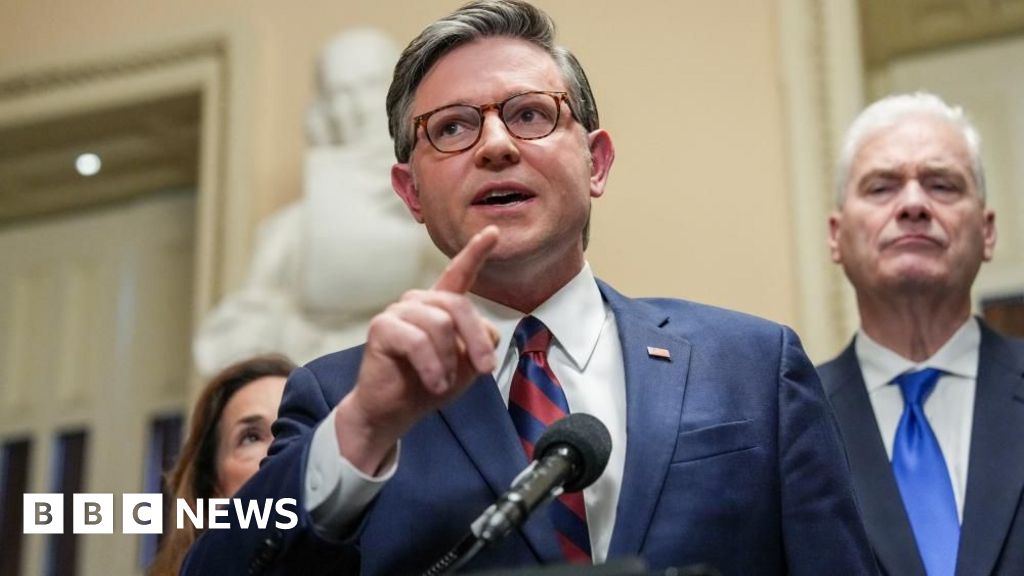
Amidst the chaos of ongoing political tug-of-wars in Washington, the nation’s focus turns to the impending budget battle in the House of Representatives. As the longest government shutdown in U.S. history threads into the past, the current financial debate centers on an issue that touches everyone—healthcare affordability. The primary obstacle remains whether House Republicans will support the renewal of tax credits that help 24 million Americans maintain accessible insurance. While the Senate, under the influence of conservative voices, has taken tentative steps toward extending subsidies, the House leadership, spearheaded by Speaker Mike Johnson, remains cautious, likely hesitant to commit to votes that could risk political fallout. With the clock ticking, all eyes are on whether these vital safety nets will survive the partisan crossfire, or if the US will face another surge in healthcare costs.

This contentious debate about healthcare subsidies exemplifies a broader ideological divide—one between those prioritizing fiscal responsibility and those fighting for social safety. Conservative voices, such as Marjorie Taylor Greene, warn against any move that could cause premiums to skyrocket, emphasizing that healthy, affordable insurance is a cornerstone of American vitality. Meanwhile, Democrats, energized from recent election wins, argue that cutting these tax credits would be a setback for everyday Americans who rely on affordable coverage to stay healthy, especially amid rising healthcare costs. The political stakes are high, as a failure to extend these credits risks not just financial hardship for millions but also tarnishes the credibility of a government purported to serve its citizens’ interests. Citizens are watching, their health directly linked to national political will and leadership.

Beyond healthcare, the debate highlights a deeper cultural shift centered on personal responsibility and self-reliance. As fiscal hawks push for tighter spending controls, including income caps and direct aid to individuals, renaissance thinkers like Jordan Peterson and Ben Shapiro encourage a return to the values of individual empowerment. The narrative is shifting away from dependence on government assistance and toward embracing a lifestyle rooted in personal impact. For the youth, especially, this signifies an awakening—an opportunity to forge a path where wellness hinges on personal choices, resilience, and a pragmatic outlook on government’s role. For many, this isn’t just about fiscal policy; it’s about reclaiming agency and shaping a life where freedom fuels wellbeing and independence.

  • Stay informed about potential travel delays—they’re inevitable as staffing for air traffic controllers faces constraints.
  • Focus on self-care and wellness routines that enhance resilience during uncertain times.
  • Engage with trusted voices advocating personal responsibility and prudent fiscal policy to understand the larger picture.

As political debates continue to unfold, it’s important to remember that life is a journey, where every decision—from voting to personal health choices—shapes our collective future. In a world where government and individual responsibility are intertwined, finding balance is the key. The current moment in American politics underscores a crucial lesson: true wellbeing isn’t solely dependent on policy, but on how each of us chooses to navigate the complexities of modern life with integrity, hope, and purpose. In this moment of flux, perhaps the greatest power lies in our ability to adapt, stay grounded, and embrace the timeless values that foster a resilient and prosperous society.”

Which Democrats Fought to End the Shutdown? Find Out Who Stepped Up for Our Future

Shifting Political Alliances in Washington: A Glimpse Into the US Budget Deal

In a surprising turn of events, the United States Senate saw a rare display of bipartisan cooperation as seven Senate Democrats, alongside one independent, crossed the aisle to support a Republican-led deal aimed at **reopening the federal government**. This development breaks months of deadlock that had left millions of Americans in limbo, highlighting a nuanced dynamic in the nation’s political landscape. The deal, which garnered support from senators like Tim Kaine and Maggie Hassan, was justified by its backers as a pragmatic step towards stabilizing key government functions and addressing pressing social needs, including healthcare and economic security for federal workers and other vulnerable groups.

For many young Americans observing this political shift, the message is clear: the quest for effective governance often requires crossing traditional lines. Senators like Kaine, a known ally of Hillary Clinton and a Virginia native, emphasized their desire to safeguard federal employees and uphold essential services. His support was rooted in a commitment to protect workers and help fix what he described as “the healthcare mess” created by previous political failures. Similarly, senators such as Jeanne Shaheen and Catherine Cortez Masto cited their concern for their constituents—highlighting the immediate impact of government shutdowns on healthcare access, food security, and safety. Their votes reflect an understanding that *lasting solutions* are often born from collaboration*, even if it means moments of political compromise.

Understanding the rationale behind such bipartisan support involves looking at the broader context of wellness and community resilience. Health experts like Dr. Andrew Weil emphasize that personal well-being is intertwined with community stability. When government functions are disrupted, access to healthcare, social services, and economic opportunities suffers, impacting the health, safety, and morale of the nation’s youth. The deal’s supporters argue that securing back pay for federal workers and preventing layoffs contribute to restoring this vital equilibrium, underpinning a sense of **stability** necessary for individuals to thrive. The message is clear: sustaining a healthy society involves more than individual effort—it relies on a functioning government that supports the wellbeing of its citizens.

  • Seek out local community initiatives that promote wellness and economic resilience.
  • Support policies that foster mental and physical health for young families and students.
  • Engage with leaders who understand that social stability is key to personal growth and national progress.

As the debate continues and the dust begins to settle, these moments of bipartisan cooperation serve as a reminder that lifestyle and societal well-being are intertwined in ways that often defy traditional politics. The support for this budget deal symbolizes a step towards restoring faith in a government that works for its people. For young Americans, witnessing representatives willing to find common ground amidst ideological differences offers a lesson in patience, perseverance, and pragmatism. It signals that, despite the ongoing challenges, the path to a resilient and vibrant society is paved with collaboration and shared responsibility. As we navigate our personal journeys, perhaps the ultimate message is this: embracing unity in the face of adversity is the cornerstone of lasting progress.

Senate Approves Deal to End Historic Govt Shutdown

Breaking News: US Government Shutdown Ends After Historic 40-Day Stalemate

The prolonged shutdown of the United States government — the longest in history — has finally come to a tentative close, signaling a potential shift in the country’s political landscape. After intense negotiations over the weekend, Senate Majority Leader John Thune and a coalition of senators from both sides reached an agreement to temporarily fund federal operations. This deal, receiving a narrow majority vote, is seen as the first tangible step toward resolving the impasse that has left roughly 1.4 million federal employees unpaid and critical services suspended since October 1. The impact on everyday Americans has been profound: essential food assistance, air travel safety, and other services have been hamstrung by partisan gridlock, exposing the fragility of America’s political system.

Despite broad bipartisan support for ending the deadlock, the deal has exposed deep divisions within the Democratic and Republican parties. The agreement, which requires further approval from the House of Representatives, includes crucial provisions such as a vote scheduled for December to extend healthcare subsidies—an issue fiercely contested by Democrats. Analysts warn that unresolved healthcare crises and mounting debt threaten to send the nation tumbling back into turmoil. High-profile Democrats, including Chuck Schumer, have publicly criticized the deal for lacking substantive measures to address the broader healthcare crisis gripping millions of Americans. Meanwhile, Republican leaders emphasize this as a victory for pragmatic governance but acknowledge that the fight over long-term solutions remains unresolved.

Geopolitical Impact and How Decisions Shape Societies

The resolution of the shutdown underscores a critical lesson for international observers: in an era of mounting global challenges—climate change, economic instability, and shifting alliances—the internal stability of a superpower like the US is paramount. Historians warn that continuous political deadlock weakens America’s ability to project influence abroad and undermines confidence in its leadership. According to analysis from the Council on Foreign Relations, unsettled domestic politics can embolden rivals such as China and Russia, threatening the global balance of power.

Furthermore, domestic decisions regarding budget and policy priorities ripple globally, shaping markets and geopolitics alike. As European nations and Asia-Pacific countries monitor Washington’s commitments, the possibility of recurring shutdowns casts a shadow over future diplomatic negotiations. The rise of multilaterals and bilateral agreements cannot compensate for the unpredictability emanating from Washington’s Capitol Hill—a lesson learned painfully by allies and adversaries alike. Some international analysts warn that a weakened US could leave vacuum spaces that rival powers are already positioning to fill.

The Road Ahead: From Short-Term Relief to Long-Term Stability

While today’s agreement halts the immediate crisis, the underlying issues remain unresolved. Seasoned political analysts suggest that the real fight begins now, with debates over long-term fiscal responsibility and healthcare reform looming large. The Debt Ceiling, the rising national debt, and the future of social programs pose fundamental questions that threaten to ignite the next political firestorm. The coming weeks will test whether bipartisan cooperation is merely a temporary lull or the start of genuine reform.

This chapter in American history may be closing, but the story remains far from over. As the world watches with bated breath, the unfolding saga of governance—filled with negotiations, betrayals, breakthroughs—continues to write itself in history’s bleak yet hopeful pages. The weight of what is to come rests now on the fragile bridges of compromise that lawmakers attempt to build, for the turbulent currents of change threaten to sweep away the landmarks of the past.

US Senate Moves Toward Vote to End Historic 2025 Federal Shutdown

US Political Deadlock Threatens Broader Stability and Global Markets

The United States finds itself at a critical juncture as the 40-day federal shutdown continues to demonstrate the deepening partisan divide within its borders. The US Senate is now on the brink of an historic vote aimed at reopening the government, but the negotiations reveal far more than mere government funding. Underneath the surface, this impasse underscores a broader struggle over the nation’s policy direction, especially concerning healthcare and fiscal responsibility. The looming possibility of a temporary stopgap measure, combined with politically contentious negotiations over the Affordable Care Act subsidies, highlights how internal U.S. politics are increasingly driven by intra-party brinkmanship, with real-world consequences for millions of Americans.

Key players like Senate Democrats and House Republicans are engaged in a high-stakes chess match, with each side wielding leverage over the other. Democrats demand the extension of healthcare subsidies, framing the issue as a matter of protecting vulnerable populations—a stance endorsed by many analysts and human rights organizations who warn of a looming healthcare crisis. Conversely, Republicans like Mike Johnson, the House speaker, refuse to extend these subsidies without concessions, often citing concerns over government spending and the avoidance of what they term “costly entitlements.” The dispute has turned the legislative process into a battleground, threatening not only domestic stability but also challenging vertical and horizontal trust in U.S. democratic institutions. As historians warn, prolonged political crises such as these can erode the nation’s political capital, with skies darker than ever over Washington’s ability to govern effectively.

The repercussions, however, extend well beyond America’s borders. A key geopolitical impact involves the destabilization of global markets, especially as international investors grow wary of a nation beset by internal chaos. The US plays an outsized role as a global economic leader; disruptions here ripple through currencies, stock markets, and foreign alliances. Numerous analysts suggest that the prolonged shutdown could threaten the stability of allied economies, particularly those closely linked through trade and security agreements. The ongoing chaos also complicates diplomatic negotiations with China, Russia, and other major powers—each watching to exploit any perceived weakness. The World Bank and IMF have issued cautious statements, warning that internal US conflicts risk undermining global economic resilience, particularly in fragile emerging markets.

Despite the political theatrics, the real at-risk group is the average American citizen. Reports indicate that federal workers and families relying on social programs like SNAP are suffering mounting hardships, with food insecurity spreading. The crescendo of this crisis may well mark a turning point in US social policy: many experts warn that if the current trajectory persists, a more divided and socio-economically fractured society will emerge. International voices—notably from OECD member nations—point out that internal US instability feeds into a global narrative of declining American influence. As history looms large, the question persists: will bipartisan leaders be able to craft solutions to heal their fractured nation or will enduring conflict cast a dark shadow over the unfolding pages of history?

In the final analysis, the US political crisis encapsulates an era of uncertainty, one in which decisions made within Capitol Hill ripple outward with profound implications. As negotiations hang in the balance, the world watches, waiting for the moment when American democracy will either pull back from the brink or succumb to the chaos of internal strife. The story of this shutdown is not merely a domestic tale but a powerful reminder of how fragile the fabric of international stability remains when the world’s beacon of democracy falters—an uncertain future now, etched into the annals of history.

Social Media Auto Publish Powered By : XYZScripts.com