Matox News

Truth Over Trends, always!

Trump Town Faces Shutdown Boot as Budget Crisis Builds

The US Government Shutdown: A Local Impact with Global Geopolitical Ripples

As the United States government enters its third month of shutdown, the geopolitical consequences are rippling far beyond the halls of Washington, impacting local communities and societies with tangible immediacy. In Martinsburg, West Virginia, a town emblematic of the broader American fabric, federal employees, veterans, small business owners, and residents find themselves at the mercy of political deadlock. While the immediate effects include furloughed workers and shuttered services, analysts warn that this crisis highlights the deeper fissures and vulnerabilities within the very structure of American governance.

The shutdown began after a contentious political impasse over federal funding, with Democrats and Republicans entrenched in their stance since October 1st. The result has been the suspension of vital programs that sustain not only the lives of millions but also the stability of local economies. For instance, in Martinsburg—an area with a significant federal workforce—over 3,300 federal employees are directly affected, with additional thousands commuting to the capital daily. The impact on veteran care, as seen through the story of Army veteran Jonathan Giba, exemplifies the human toll: delayed medical treatment, halted career transition programs, and a growing sense of worry among those already scarred by service. Somber voices,” as noted by analysts, suggest this crisis is not merely about politics but about the systemic neglect of everyday Americans’ needs.

Within the broader geopolitical context, this shutdown underscores divisions within the United States—dubbed “Trump country”—where a fierce sense of independence and skepticism toward establishment politics runs deep. The political stalemate reflects more than a budget dispute; it embodies an ideological struggle that risks eroding trust in democratic institutions at a time when international confidence in American stability could waver. Historians fragility warn that repeated shutdowns risk long-term damage to the @America’s global standing, as allies and adversaries watch with keen interest. International organizations, like the United Nations, have expressed concerns over the stability of US policies and their capacity to meet global commitments, emphasizing that the world cannot ignore the internal crises of the most powerful nation on Earth.

Meanwhile, the impact is felt deeply within the American heartland—where small businesses like Tina Hissam’s suffer from the ripple effects of disrupted federal contracts and service closures. With USDA service centers shuttered and furloughed IRS workers further delaying claims and refunds, local economies flounder in uncertainty. According to economists and local leaders, such as Kelly Allen of the West Virginia Center on Budget and Policy, the suffering touches every stratum—from laid-off federal personnel to the most vulnerable members whose survival depends on stable government support. These mounting pressures threaten to further destabilize a politically divided society, fueling an urgent call for resolution amid a landscape of growing economic fragility.

As the crisis drags into the months, the narrative remains one of profound uncertainty—where history offers grim lessons: prolonged shutdowns lead to deeper policy failures, increased societal fractures, and a diminishing capacity for government to serve its people. With each passing day, the weight of history presses down; the American experience is once again at a crossroads, teetering between political brinkmanship and the imperative for leadership, unity, and purpose. The question persists—will this be a moment of reckoning, or a chapter of further decline, as the unstoppable momentum of history continues its relentless course?

Trump Orders Pentagon to Keep Troops Paid Amid Shutdown

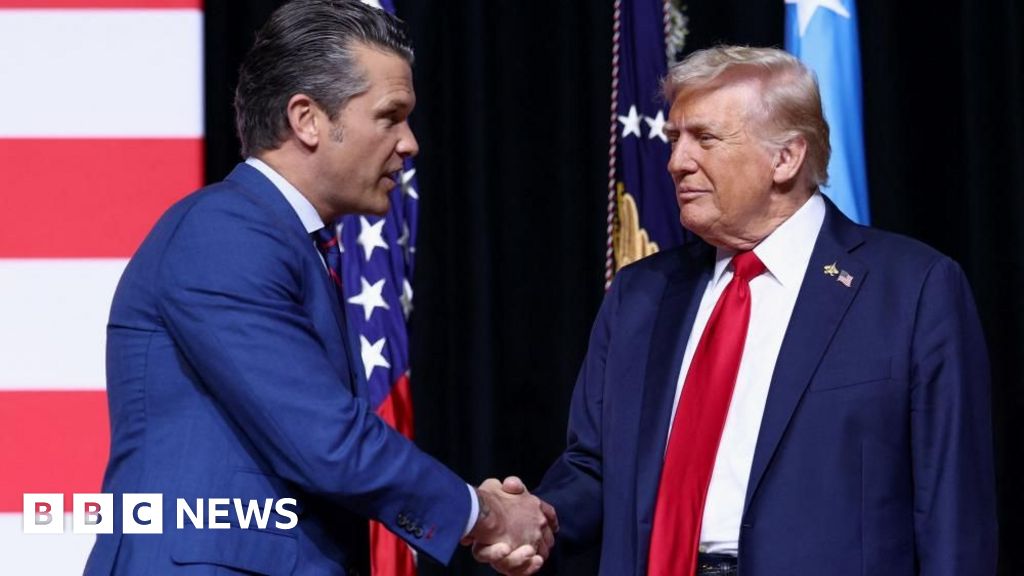
The United States faces an escalating political crisis as a prolonged government shutdown enters its third week, highlighting deep partisan divisions that threaten the stability of American institutions. President Donald Trump has issued a direct order to Defense Secretary Pete Hegseth to prioritize military personnel’s pay despite the shutdown, which began on October 1st. This decision underscores the importance of military readiness in the face of political gridlock, as the administration seeks to prevent a crisis within the armed forces. It also signals a tactical move to shield troops from financial hardship, even as other federal departments face significant layoffs and budget cuts. The decision’s geopolitical impact could ripple across international security dynamics, especially as allies monitor Washington’s fragile political resolve.

The shutdown stems from a standoff between Republicans and Democrats, with each side blaming the other for failing to reach a compromise. The Democrats have demanded the preservation of expiring tax credits aimed at lowering healthcare costs and reversing cuts to Medicaid, which primarily affects vulnerable populations. Conversely, Trump and his party accuse Democrats of obstructing national security and economic stability to achieve political goals. As analysts warn, this impasse not only endangers domestic policies but also risks weakening America’s global image as a reliable superpower. The measure to ensure military pay reflects a strategic calculation: maintaining military morale while politicians remain deadlocked, but it also raises questions about the long-term implications of political brinkmanship on international alliances.

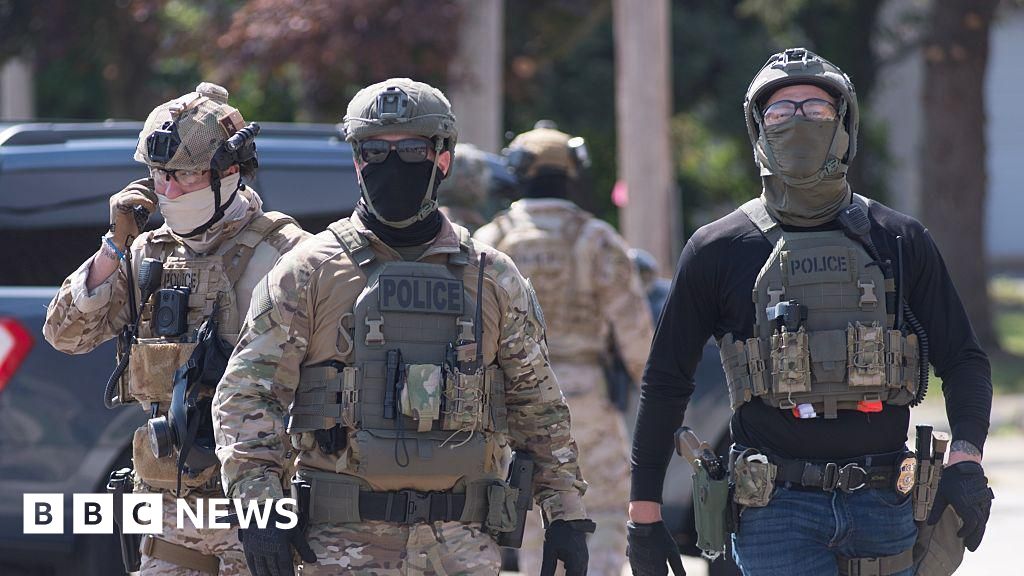
Meanwhile, the administration has initiated unprecedented layoffs of thousands of government workers, an aggressive tactic designed to pressure Democrats to cave. Disaster response teams, health agencies, and security services have been affected, with over 4,000 employees laid off within just days. White House officials claim these layoffs are temporary, yet union representatives, including leaders from the American Federation of Government Employees and AFL-CIO, argue that these actions are not only illegal but also detrimental to public safety and national well-being. The potential for widespread government paralysis exposes the fragile foundations of America’s internal stability, as factions dig deeper into their trenches. International observers and organizations are watching with concern, recognizing that such political confrontations could embolden external adversaries or destabilize sectors such as cybersecurity, healthcare, and infrastructure—areas already strained by the ongoing crisis.

This critical juncture underscores a broader truth: the decisions made within the halls of power now will echo through history, shaping the **geopolitical landscape** for generations. As foreign nations assess Washington’s internal struggle, they scrutinize whether the American political system can withstand internal strife or if it risks falling into disarray. Historians warn that prolonged governmental shutdowns—if left unresolved—have profound consequences, weakening America’s power projection and eroding trust among allies and adversaries alike. The dark clouds of uncertainty loom as essential services teeter on the brink, leaving humanity to wonder if this chapter marks a temporary crisis or the prologue to a much darker era of American decline. With the pen in the hands of divided leaders, the weight of history presses heavily on the present, yet the story remains unwritten, waiting to be shaped by the choices of those still in power.

Trump Administration Sends Layoff Notices to Over 4,000 Workers Amid Shutdown

U.S. Federal Workforce Reductions Signal a New Chapter in Geopolitical Power Dynamics

The United States is currently navigating a rare and tumultuous chapter marked by an unprecedented government shutdown that carries far-reaching geopolitical implications. As the Trump administration initiates large-scale layoffs of thousands of federal workers—over 4,000 initially, with more to come—the international community observes a clear signal of internal discord and strategic recalibrations. These strategic workforce reductions, announced directly by White House officials, reflect a broader intent to reshape America’s internal machinery under the guise of efficiency but carry risks of destabilizing credibility on the world stage.

Decisions Rooted in Political Strategy, Not National Security

  • In the midst of the ongoing government shutdown, President Donald Trump has repeatedly leveraged the crisis to push for a significant cutback in federal employment—an ideological move that echoes long-held conservative priorities.
  • Agency layoffs—initially a few thousand—are only the beginning, with White House officials openly downplaying the current figures, hinting that the true scale may be far larger. Federal legal frameworks, including laws mandating a 30-day notice to those laid off, are being challenged and sidestepped in an effort to accelerate the process.
  • Most significantly, major agencies such as the Treasury and Health and Human Services are bearing the brunt, with estimates indicating over 4,600 employees already facing layoffs. These were announced without clear timelines or comprehensive details, raising questions about transparency and the long-term impact on government functions.

International Concerns and Potential Consequences

International organizations and analysts are sounding alarms over the destabilizing effects of internal US conflicts. The Partnership for Public Service and other watchdog groups warn of the long-term erosion of public trust and competency in the U.S. administrative apparatus, potentially diminishing global influence. China’s state media, for example, have seized upon these developments as evidence of American political chaos, portraying the internal strife as a sign of declining American dominance. Meanwhile, in Europe, policymakers are evaluating how the internal division might affect NATO commitments and the U.S.’s promise of leadership in international security alliances.

Historical Context and the Blurred Line Between Policy and Power

Historian Andrew Busch notes that such internal conflicts, especially the manipulation of workforce reductions during a shutdown, resemble tactics historically used by authoritarian regimes to consolidate power under the guise of efficiency. Analysts say that the current move—under president Trump—is emblematic of a broader shift where internal policy decisions are increasingly used as geopolitical tools to project strength or weaken perceived adversaries. The approach also exemplifies how internal disagreements can have external ramifications, from diplomatic relations to global markets, as uncertainty clouds the stability of the world’s largest economy.

The Future Unfolds, but the Cost Is Tangible

Looking ahead, the trajectory of America’s internal crisis remains uncertain. The decision to hollow out the federal workforce under the banner of efficiency, while dismissing legal protections for workers, echoes a grim warning for societies worldwide: that internal discord and politicized governance can profoundly undermine credibility and stability in the international arena. As the Biden administration and global observers watch nervously, history continues to write its complex narrative—one where internal struggles have the potential to reshape the geopolitical landscape for decades to come. The weight of what is happening now echoes through history’s corridors, hinting that the consequences of these decisions are yet to fully unfold, with each layoff and political clash adding a new chapter to the story of a nation at a crossroads.

White House plans layoffs as federal shutdown drags into third week—America’s government at risk

U.S. Government Shutdown: A Crisis with Far-Reaching Geopolitical Ramifications

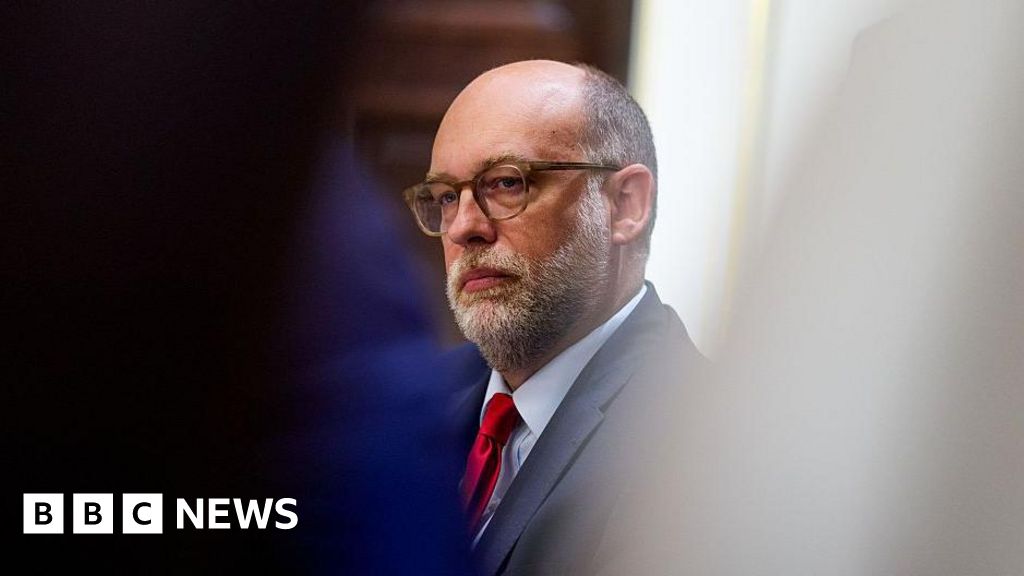
The recent announcement by the White House of federal layoffs exemplifies a pivotal moment in America’s internal crisis. As the government persists through a third week of shutdown, the decision to initiate a reduction-in-force (\RIF) process signals not only domestic instability but also a potential shift in international influence and security stability. While officials remain opaque about affected departments, the impact resonates across essential sectors such as cybersecurity, food safety, and public safety — critical pillars that hold the foundation of both economic strength and geopolitical standing.

Analysts herald this situation as more than just a partisan squabble; it underscores a deeper erosion of trust and stability in the U.S. political system. Historically, such gridlock hampers America’s ability to project power and maintain its alliances. The union leaders’ condemnation, claiming these layoffs are “illegal” and “devastating,” encapsulates a wider ripple effect that transcends national borders. Uncertainty regarding the federal workforce’s future directly threatens America’s capacity for rapid response and diplomatic leverage, especially at a time when global rivals like China and Russia continue their strategic pursuits, often exploiting American domestic vulnerabilities.

Domestic Political Standoff: How Decisions within Washington Shape the Future

The core of the crisis stems from a deadlock between Republican and Democratic leaders over funding. The GOP’s insistence on a narrow funding proposal, coupled with Democratic demands for social policy safeguards, exemplifies the legislative impasse. This standoff doesn’t merely threaten the livelihoods of federal workers; it jeopardizes the U.S.’s ability to uphold international commitments and operational readiness. The refusal to reconcile these differences jeopardizes the paycheck of 700,000 federal employees and continues to erode public confidence in government institutions. Historically, protracted shutdowns have spurred unpredictable geopolitical consequences, as internal weakness invites external adversaries to test American resolve and commitment.

With the Senate functioning as a choke point—requiring at least 60 votes to pass legislation—the situation intensifies. The Democratic opposition’s demands for extending health subsidies and safeguarding public media echo broader societal divisions. Experts like Max Stier warn that such internal disarray hampers essential services, from air traffic control to veteran care, strengthening the narrative that America’s internal vulnerabilities are exposing weaknesses to the world. Strategists globally perceive that ongoing chaos at home could significantly diminish America’s leadership during critical moments, hampering future diplomacy and military coordination.

The Unfolding Narrative of Discontent and Power

As the crisis deepens, the public and military faces an uncertain future; many service members and federal workers are on the brink of missing multiple paychecks. This internal strife carries a stark warning: how political decisions ripple outward, threatening societal stability and international standing. The government, historically a symbol of strength and resilience, now appears fractured, as legal battles erupt over the legality of firings and layoffs. According to recent reports by organizations like the Center for American Progress, the timing and extent of these layoffs are constrained by complex legalities, yet the administration’s threats persist, casting a long shadow over the nation’s internal cohesion.

The precise weight of this internal crisis extends far beyond the borders of the United States. With traditional allies watching cautiously and rivals such as China and Russia eager to exploit perceived weaknesses, the global geopolitical chessboard shifts ominously. The parallels with past moments of American internal discord serve as a stark reminder: history often records the passage of internal chaos as a prelude to broader international recalibration. As the final pages of this chapter remain unwritten, the world braces for the next move—aware that the true impact of Washington’s turmoil may well define the global order for generations to come.

Air Safety Workers Feel the Heat as Shutdown Drags On

Cracks in the Sky: FAA Staffing Shortfalls and System Disruptions Signal Urgent Need for Technological Disruption

The recent turmoil within the United States’ aviation infrastructure has underscored a stark reality: our current air traffic management systems are ill-equipped to handle modern challenges. From the catastrophic January commercial airline incident, which marked the worst in decades, to widespread staffing shortfalls and technological glitches at key airports, industry analysts are sounding alarms. As agencies face cumulative cuts and operational setbacks, the imperative for disruptive innovation becomes undeniable. Leaders like Elon Musk and MIT researchers have long championed the transition from legacy systems to AI-driven automation, recognizing that technological stagnation risks jeopardizing safety and business efficiency.

The crisis extends beyond mere staffing issues; it exposes systemic vulnerabilities that threaten the future of aviation safety.

  • Short-term furloughs impacting 11,300 employees contribute to delays in system repairs and response times.
  • Recent technology failures at major hubs like Newark Airport highlight outdated infrastructure unable to cope with escalating demands.
  • Government shutdowns add political gridlock to operational chaos, creating a perfect storm for disruption.

Experts warn that without rapid adoption of next-gen solutions, the industry could face catastrophic failures reminiscent of early aviation tragedies but on a digital scale—a clear call for innovation-driven disruption. The business implications are profound: reduced efficiency, mounting costs, and increased safety risks could erode public trust, providing fertile ground for insurgent startups and tech giants aiming to redefine airspace management.

Forward-thinking companies, especially those pioneering artificial intelligence, automation, and decentralized control systems, stand at the forefront of this transformation. Industry analysts such as Gartner emphasize the potential of integrating AI and machine learning into ATC systems, promising safer and more efficient operations. Disruptors like Lilium and Volocopter push urban air mobility solutions that could redefine short-haul travel. Meanwhile, mainstream tech giants with aviation ambitions—think Google’s Wing and Tesla’s advances in battery tech—are positioning themselves as critical players in this new era. The opportunity to overhaul a decades-old infrastructure presents a window for entrepreneurs and investors to accelerate rapid development, but the clock is ticking. Without urgent intervention, the risk of falling further behind international competitors—and even risking safety—grows exponentially.

In conclusion, the ongoing difficulties within the U.S. air traffic control ecosystem serve as a resounding wake-up call. The convergence of technological obsolescence, resource scarcity, and political inertia demands a bold strategy rooted in innovation and disruption. Industry leaders, policymakers, and tech innovators must recognize that the future of safe, reliable air travel hinges on revolutionary change—before the skies become too congested or unsafe to manage conventionally. As Peter Thiel once warned, “The capture of key industries by bureaucracies breeds stagnation.” It is now imperative that industry actors seize this moment to forge a new frontier in aviation technology—one that guarantees safety, efficiency, and industry leadership in the decades to come. The urgency is clear: the sky is not the limit; it is the battleground for the next wave of technological supremacy.

Is the Shutdown a Silver Lining? Your IPO Gets a Boost as Investors Jump In

SEC’s New IPO Fast-Track Strategy Signals Shifting Regulatory Landscape

In a move prompted by the recent government shutdown, the U.S. Securities and Exchange Commission (SEC) has introduced a significant procedural adjustment that could fundamentally alter the landscape of initial public offerings (IPOs). As detailed in official SEC press releases, companies now have the option to utilize an obscure automatic approval process—originally designed as a procedural backstop during regulatory staffing shortages—to expedite their IPO filings. Most notably, this process allows firms to bypass the traditional requirement of disclosing pricing information, signaling a disruptive recalibration of market transparency norms.

With approximately 90% of SEC staff furloughed, startups and late-stage tech firms can now file their IPOs and see them become effective after a mere 20 days—an unprecedented acceleration that could turn the tide of disruptive innovation in capital markets. While this automatic process always existed, its enhanced adoption during the shutdown underscores a broader industry trend: firms are increasingly willing to operate in regulatory gray zones to access capital swiftly. Although the SEC retains legal authority to demand amendments post-filing, the risk calculus shifts, empowering companies to prioritize speed and market entry over full disclosure. This raises questions about the future of market transparency and investor protection amid growing regulatory flexibility.

The business implications of this development are profound, spotlighting a potential paradigm shift that could upend traditional IPO models. Startups aiming for rapid market entry can now leverage this loophole to circumvent protracted review processes—perfectly aligned with the aggressive timelines pushed forward by visionary entrepreneurs like Elon Musk and Peter Thiel. Moreover, the move hints at a broader willingness within regulatory agencies to adapt in real-time to economic upheavals, a sign that disruption is extending beyond technology to encompass financial markets and regulatory frameworks. Major institutions such as Gartner and MIT’s Sloan School have emphasized that innovation often accelerates amid crisis, and this latest pivot exemplifies that dynamic.

However, strategic caution remains essential. While the immediate benefits are alluring for burgeoning companies, the potential long-term ramifications threaten to undermine investor confidence and market stability. Industry analysts warn that a sustained reliance on this ‘automatic’ approval process could lead to less rigorous oversight, fostering an environment ripe for speculative bubbles and market manipulation. As the regulatory landscape becomes more agile, the onus is on companies and investors alike to exercise vigilance — acknowledging that rapid capital access must be balanced against sustainable growth and long-term transparency. This regulatory flex illustrates a critical inflection point: the future belongs to those who innovate not only in technology but also in navigating the evolving terrain of governance and market integrity.

Looking ahead, the swift adoption of such policies signals that industries must remain alert to emerging opportunities and risks. As both regulators and market players adapt dynamically—propelled by technological advancements and shifting economic realities—the window closes quickly for those who hesitate. The coming months could redefine how America’s capital markets operate, emphasizing disruption, innovation, and strategic agility as key drivers in global competitiveness. For visionary entrepreneurs and investors, this moment embodies an urgent call to action: harnessing regulatory shifts to accelerate growth, while safeguarding the foundational principles of transparency and trust. The future belongs to the bold—those willing to lead through the chaos of change.

Tourists in D.C. Feel the Pinch as Shutdown Closes Big Attractions

The United States has entered its second day of a government shutdown, a critical event that signals deeper fractures within the nation’s political landscape. As federal agencies grind to a halt, the immediate domestic effects are profound—numerous national monuments and public institutions have closed their doors, denying millions access to their cultural and historical landmarks. While many in the American public initially perceive this as an internal political impasse, analysts warn that the ripple effects go far beyond borders, threatening both economic stability and geopolitical credibility.

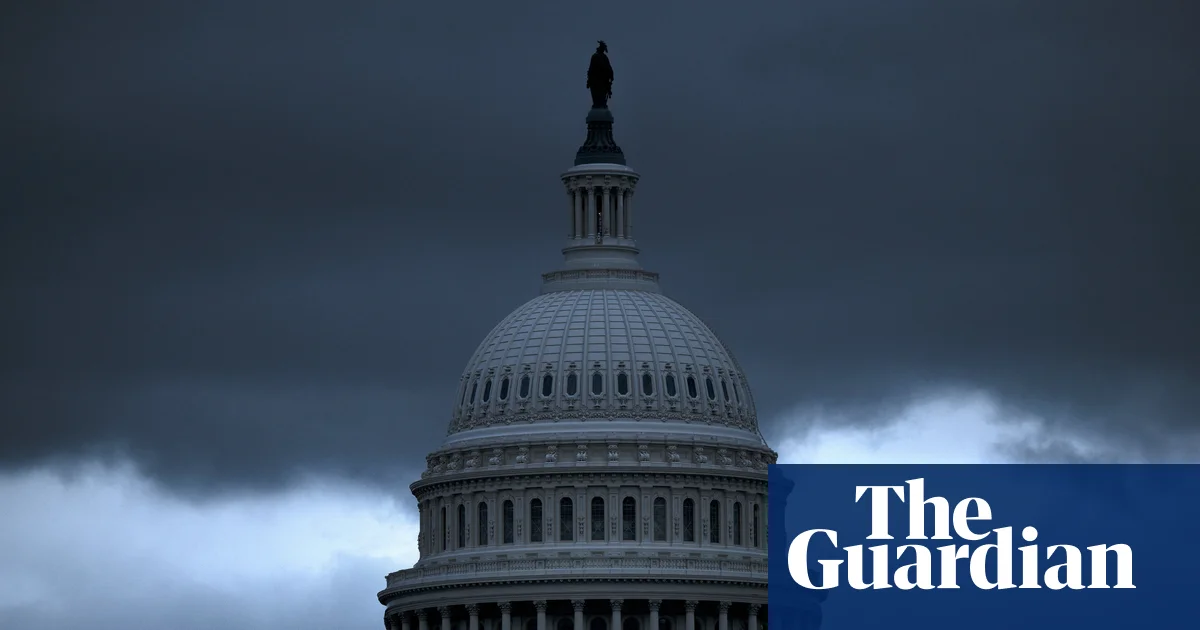
This shutdown underscores a broader trend of political polarization in Washington, with lawmakers locked in intractable disputes over funding and policy priorities. The BBC’s coverage highlights global concern as tourists from around the world experience firsthand the consequences of elected officials’ failure to compromise. In particular, the closure of sites like the Capitol, the Smithsonian museums, and national parks serves as a stark reminder of how internal political discord can tarnish a nation’s image and undermine the strength of its institutions. Past historian analyses emphasize that prolonged governmental paralysis not only diminishes public trust but also erodes the United States’ standing as a reliable partner on the international stage.

From a geopolitical impact perspective, the shutdown hampers America’s ability to project influence, especially amid ongoing global conflicts and shifting alliances. International organizations such as the United Nations and G7 are closely observing the internal chaos, recognizing that internal political stability is fundamental to maintaining dominance in world affairs. Economic consequences are particularly alarming: with government programs and contracts frozen, markets are reacting with volatility, potentially impacting global supply chains and investor confidence. Experts warn that unless resolved quickly, the inability of the US government to function effectively could embolden adversaries, who will interpret the chaos as signs of weakness and disarray.

Furthermore, the shutdown exemplifies a broader struggle in democratic governance—a cautionary tale about the fragile balance of power and the cost of partisan brinkmanship. Many international observers are drawing parallels with other recent crises in democracies worldwide, noting that such internal conflicts threaten not only national stability but also the international order as a whole. As nations watch with concern, policymakers and analysts alike stress the importance of swiftly reaching a resolution. Conversely, some warn that persistent divisions and political stagnation threaten to set a dangerous precedent — one where governance itself becomes hostage to ideological extremes, leaving nations vulnerable to external challenges.

As the crisis unfolds and history continues to write itself, the image of shuttered monuments and furloughed workers serves as a stark reminder: the decisions made in the halls of power today will echo through generations. With each passing day of the shutdown, the weight of history hangs heavier. Nations worldwide watch intently, pondering whether this wasn’t just a fleeting political crisis but a reflection of deeper and more perilous fissures in the foundations of Western democracy, which may ultimately reshape the landscape of international geopolitics for years to come.

Here’s a rewritten headline in a moderate right-wing, youth-oriented lifestyle news tone: “What’s Behind the Possible US Government Shutdown? Here’s What You Need to Know—and When It Could Happen”

Unveiling the Turmoil: The Potential US Government Shutdown and Its Impact on Personal Well-being

In a nation often heralded as the pinnacle of economic and political power, the looming threat of a US government shutdown demands more than just political analysis—it calls for a reflection on how such upheavals influence everyday life, personal well-being, and our collective resilience. As Congress grapples with partisan disagreements over budget provisions, the possibility of a shutdown signals a stark reminder of how intertwined political stability is with individual health, leisure, and the pursuit of a lifestyle aligned with values of autonomy and fiscal responsibility. Historically, shutdowns are not anomalies but recurring patterns—yet their recurrence continues to challenge the American psyche, especially among the youth who aspire to carve out vibrant, independent lives amidst shifting political tides.

The core issue fueling the current crisis revolves around heated debates over healthcare and social safety nets, with Democrats pushing to extend tax credits and Medicaid provisions, and Republicans advocating for expenditure cuts aimed at reducing the size of government. This dissonance underscores a broader cultural shift towards personal responsibility and limited government interference. For young Americans seeking freedom in their careers or personal pursuits, prolonged shutdowns threaten to introduce uncertainty into daily routines—delaying travel, freezing certain government services, and creating financial insecurities. The potential halt of non-essential services juxtaposed with the continued operation of law enforcement and border protection paints a nuanced picture: some facets of national life remain steady, yet the ripple effects of a shutdown ripple into social and economic domains, affecting everything from travel plans to mental health.

What makes this period even more compelling is how the White House’s stance diverges from past shutdowns, with officials seemingly comfortable with extended government pauses that echo the Trump administration’s aggressive spending cuts. Such an approach raises the question: are we witnessing a strategic use of government shutdowns as a mechanism for accelerating reform? For the young generation yearning for income stability and meaningful engagement with their communities, the prospect of a shutdown signifies a test of resilience. Will they adapt to an environment where government functions such as social security and Medicare continue, but with potential delays—and perhaps a partisan atmosphere that fosters uncertainty rather than unity? Understanding these shifts is vital for those hungry for a lifestyle rooted in self-reliance and proactive engagement.

In essence, the American experience with shutdowns encapsulates a broader narrative—a push-pull between individual liberty and collective governance. As history shows, these episodes, though often brief, leave lasting impressions on national productivity and individual morale. For the aspiring young adult, the key takeaway is clear: embracing a lifestyle of preparedness, financial literacy, and personal health during turbulent political times can turn potential chaos into an opportunity for empowerment. With each shutdown, there is a chance to reevaluate personal goals, prioritize wellness, and anchor oneself in values of independent thought and resilience. The journey through such periods may be fraught with uncertainty, but it also offers a canvas to build a life that reflects unwavering commitment to oneself—integrating wellness, ambition, and the unwavering pursuit of liberty as fundamental rights worth defending and nurturing every day.

Social Media Auto Publish Powered By : XYZScripts.com