Matox News

Truth Over Trends, always!

NASA’s Artemis II to Blaze a New Path Around the Moon’s Hidden Side

As NASA prepares for the historic Artemis II mission, the agency is poised to shatter the longstanding distance record set during the Apollo 13 lunar campaign nearly six decades ago. On April 15th, 1970, Apollo 13 traveled a remarkable 248,655 miles from Earth, marking a milestone in human spaceflight. Today, with the Orion spacecraft orbiting the far side of the Moon, expected to reach a maximum distance of 252,757 miles, NASA is not only rewriting the record books but also setting the stage for a new era of deep-space exploration.

The upcoming lunar flyby, scheduled for today with live coverage beginning at 1 PM ET, embodies a testament to technological innovation and disruption within the aerospace sector. As Orion completes its six-hour journey around the Moon, it will facilitate unprecedented observations of the lunar surface, providing critical data to refine future landing strategies. This mission isn’t just about breaking records; it’s about establishing a robust framework for next-generation space exploration. Industry analysts from Gartner and experts from institutions like MIT emphasize that these advancements could accelerate commercial participation in lunar and Martian missions, catalyzing a new wave of innovation driven by both government agencies and private enterprise.

The strategic significance of Artemis II extends beyond exploration, impacting the broader space economy and disrupting traditional modes of space travel. According to industry leaders, the mission signals a shift where private companies—such as SpaceX and Blue Origin—are no longer mere contractors but active collaborators shaping the future of outer space. This evolving landscape presents immense business implications: opportunities for new supply chains, spacecraft manufacturing, and lunar resource utilization. As Peter Thiel and other entrepreneurs highlight, this paradigm shift represents a golden chapter for disruptive innovations targeting not just exploration, but sustainable lunar economies.

With the world watching, Artemis II exemplifies how disruption, innovation, and strategic foresight are redefining the limits of human achievement. This mission underscores the urgency for the global space industry to adapt quickly, harness emerging technologies, and forge new business models aimed at making humanity an interplanetary species. As we stand on the cusp of this new frontier, the next few years promise an acceleration in technological breakthroughs, with the potential to transform both exploration and enterprise—driving us toward a future that once only existed in science fiction.

Nigerian President’s Opponents Score Big Win as Top Politician Joins Their Side

In a move that signals a significant shift in Nigeria’s complex political landscape, Rabiu Kwankwaso, a prominent figure in Nigerian politics and former governor of Kano State, has formally joined the African Democratic Congress (ADC). This decision aligns him with a coalition that aims to challenge the current administration of President Tinubu in the upcoming 2027 elections. As Nigeria’s political divides deepen amidst economic challenges and regional tensions, Kwankwaso’s move underscores a strategic effort to redefine the balance of power and influence within West Africa’s largest nation.

Heralded by analysts as a deliberate attempt to forge a formidable opposition front, Kwankwaso’s entry into the ADC is viewed as a bid to capitalize on widespread public sentiment demanding change. The coalition expects to galvanize support across Nigeria’s diverse ethnic and regional groups, leveraging Kwankwaso’s popularity in the North and his track record on infrastructure development. Such a consolidation of opposition figures and parties could have a *pivotal* impact on Nigeria’s electoral landscape. According to international political observers, this shift could trigger a recalibration of regional alliances, particularly as ethnic loyalties continue to color political alignments in Nigeria.

The geopolitical impact extends beyond Nigeria’s borders, with neighboring countries closely monitoring the unfolding power dynamics. Analysts from the African Union and global institutions warn about the broader implications of a fractured Nigerian political scene, emphasizing that instability in Abuja could ripple across West Africa, further destabilizing already fragile regional economies. Historically, Nigerian elections have served as a barometer for regional stability, given the country’s role as West Africa’s economic and political powerhouse. The new alliance signals a potential shift that could challenge President Tinubu’s plans to cement his legacy, while also reshaping alliances within Nigeria’s complex electoral arithmetic.

As the nation braces for a contentious electoral cycle, many experts highlight the importance of sound political governance and the influence of diaspora communities in shaping the outcome. The decision by Kwankwaso to abandon previous political alignments and join forces with the ADC underscores an *urgent* desire among opposition factions to unify against entrenched incumbency. Historians note that Nigeria’s history is replete with moments where opposition coalitions—though initially fractured—have ultimately reshaped the country’s trajectory. The current juncture appears poised to be another critical chapter in Nigeria’s ongoing saga of political contestation, with power balances delicately shifting with each campaign promise and geopolitical maneuvering.

Ultimately, the unfolding contest for Nigeria’s future remains a dramatic testament to the enduring fragility and resilience of its democracy. As voters prepare for what may be one of the most pivotal elections in recent history, the world watches with bated breath. In the corridors of power and across the bustling streets of Lagos and Kano alike, the echoes of history are stirring anew. The question remains: will Nigeria’s next chapter be one of renewed unity or enduring division? The answer lies in the choices made today, shaping a legacy that will define generations to come.

Fact-Check: Claims About Vaccine Side Effects Are Misleading

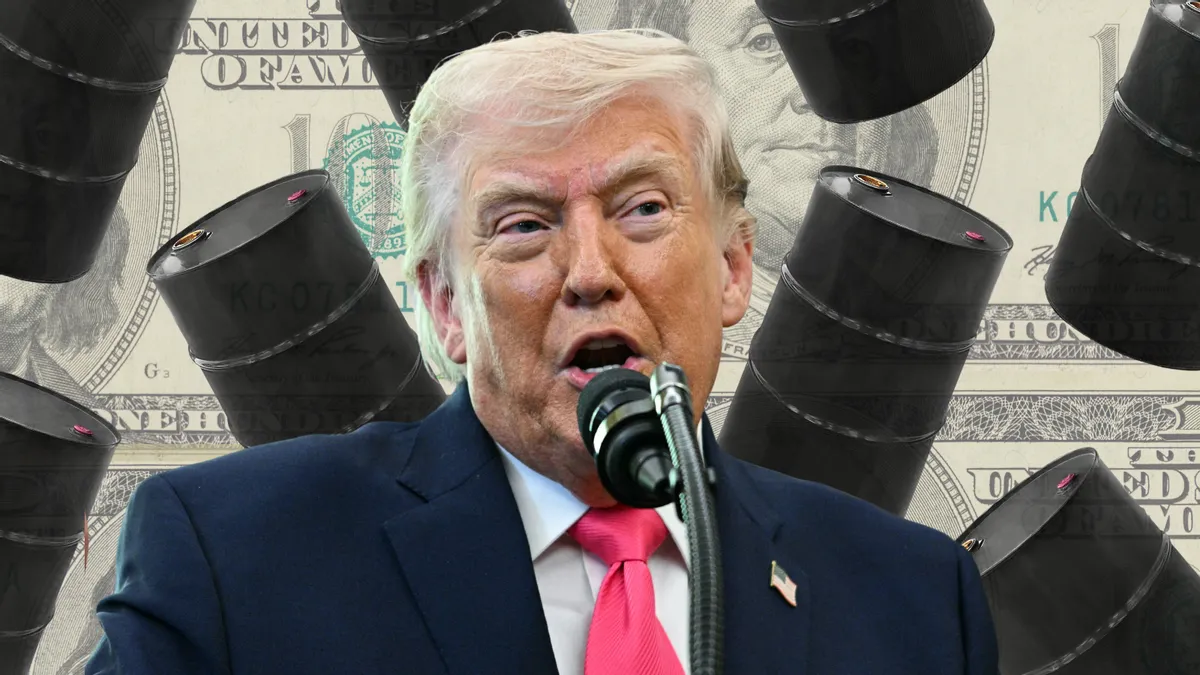
Fact-Check: Treasury’s Announcement on Sanctions and Iranian Oil

Recent reports claim that the U.S. Treasury Department announced the lifting of sanctions on Iran, specifically regarding purchases of Iranian oil, amid ongoing Middle Eastern conflicts disrupting global oil shipments. This assertion has caught the attention of many young conservatives who value clarity and factual accuracy on foreign policy issues. Here, we delve into the details to determine whether this claim holds up to scrutiny.

Understanding the Context of Sanctions and Their Scope

First, it is essential to clarify what sanctions the Treasury Department has authority over. The U.S. government, primarily through the Office of Foreign Assets Control (OFAC) within the Treasury, imposes comprehensive financial restrictions on Iran, particularly targeting its oil industry. Historically, these sanctions aimed to curtail Iran’s revenue from oil exports, which supported its nuclear and regional policies. Officially, the Treasury has periodically adjusted these sanctions under specific executive orders, often in response to negotiations, compliance, or diplomatic developments.

According to the U.S. Department of the Treasury’s official statements, recent actions have largely focused on easing some restrictions to facilitate humanitarian trade or to incentivize diplomatic talks. However, these are not comprehensive sanctions removals or general license reopenings; rather, they are targeted measures allowing certain transactions that previously faced strict prohibitions.

Is There an Official Lifting of Sanctions on Iranian Oil?

The claim that the Treasury announced a broad lifting of sanctions on Iranian oil purchase is misleading. Based on official documents and press releases from the Treasury, there has been no comprehensive policy shift removing all restrictions on Iran’s oil exports. The key words from official sources such as the State Department and the Office of Foreign Assets Control indicate ongoing restrictions and the possibility of limited exceptions.

  • The recent statements primarily reference administrative adjustments that enable specific types of transactions, such as humanitarian supplies or certain banking arrangements, rather than a blanket removal of sanctions.
  • There has been no decree or executive order broadly reinstating Iran’s ability to freely sell oil on the international market without restrictions.
  • Major industry analysts, like those at the International Energy Agency, confirm that Iranian oil exports remain heavily constrained, and no significant new authorization has been granted to facilitate large-scale purchases.

Therefore, the narrative suggesting that the U.S. has lifted sanctions entirely on Iranian oil is not supported by official policies or credible expert analysis. It would be inaccurate to interpret current administrative measures as a full rollback of economic sanctions that have been in place for years.

Implications of Disrupted Oil Shipments

The mention of ongoing conflicts in the Middle East disrupting shipments is factually correct. Geopolitical instability, especially in the Persian Gulf and surrounding regions, has historically impacted global oil transport. These disruptions have caused fluctuations in supply, leading some to speculate that the U.S. might relax sanctions to stabilize markets. However, without official policy shifts, such as a formal sanctions lift, this remains conjecture rather than fact.

Conclusion: The Importance of Accurate Information

In the complex arena of international sanctions, clarity is vital. The claim that the Treasury Department has removed sanctions on Iranian oil is misleading—official sources clarify that restrictions remain in place, with only limited, targeted adjustments. Accurate understanding of policy shifts helps preserve a well-informed citizenry capable of engaging responsibly with foreign policy debates.

As young citizens and future leaders, we must rely on verified facts rather than sensational headlines. Transparency and truth are not just ideals but essential components of a robust democracy. The real story is that the U.S. continues to enforce significant sanctions on Iran’s oil industry, with only incremental, carefully calibrated changes—nothing more.

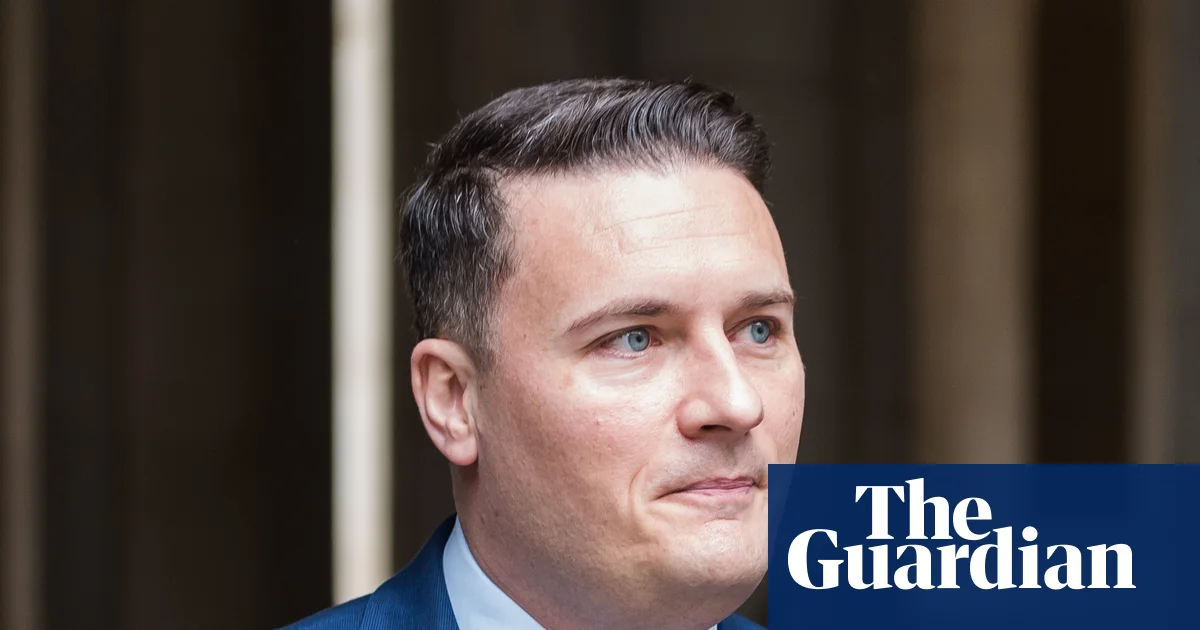
Public back on side: NHS satisfaction rises for first time since 2019

In recent times, Britain’s NHS has experienced a fragile resurgence, a glimmer of hope amid ongoing social struggles. According to the latest British Social Attitudes survey, public satisfaction with the healthcare system has seen a rare uptick—rising from a low of 21% in 2022 to 26%. This small but meaningful increase signals a society still grappling with deep-seated frustrations rooted in long waits, inaccessible services, and systemic inequalities that affect families, communities, and the very fabric of social cohesion. Despite this slight progress, the numbers reveal a harsh reality: over half of the population remains dissatisfied, with critical issues such as emergency care, dental services, and GP access continuing to ignite public anger.

This ongoing dissatisfaction echoes the insights of social commentators and historians who emphasize the societal costs of a failing healthcare infrastructure. Sociologists like Charles Murray and contemporary health experts warn that waiting times and accessibility are not mere administrative problems—they strike at the core of community stability. When families face the trauma of delayed care, children’s futures are compromised, and the social order erodes. The challenge is not only about providing medical treatment but restoring faith in a system designed to support the most vulnerable. Crucially, these issues extend beyond individual health; they ripple through families, schools, and workplaces, fostering a sense of societal decline that undermines national resilience.

Furthermore, social disparities are amplified by the persistent backlog and accessibility issues that continue to define the NHS experience. The survey indicates that only 22% of respondents are satisfied with A&E services and dentistry, and just 36% with general practitioner care. Such figures are more than statistics—they reflect a society where trust in public institutions is fraying, and where the moral and ethical implications of unequal access threaten social harmony. Public figures like Mark Dayan have voiced concerns that these numbers are “worse than in the 90s,” exposing the deep-rooted structural challenges that demand urgent attention. Yet, beneath the pessimism lies a collective hope—an acknowledgment that despite setbacks, incremental reforms and targeted improvements can restore a sense of hope and health for the nation’s families and communities.

Drawing from the insights of social critics and policy makers, many argue that investment, modernization, and strategic reforms are necessary to turn the tide. The government’s plan to overhaul five underperforming NHS trusts—by replacing leadership and merging failing organizations—is a step in this direction. Nevertheless, experts warn that recovery must encompass broader social reforms, including tackling inequality, improving social care, and ensuring equitable access across all demographics. This holistic approach, rooted in moral responsibility and ethical duty, aims to reconnect people with their healthcare system—restoring trust, empowering families, and fostering resilient communities. Only through such comprehensive efforts can Britain hope to reconcile the social wounds inflicted by years of neglect and mismanagement.

As society stands at this crossroads, the enduring question remains: can the collective will of a fractured nation rise above its divisions to forge a healthier, more equitable future? Perhaps, amid the shadowed corridors of hospitals and waiting rooms, there lies a quiet resilience—a moral longing to rebuild not just a healthcare system, but the very core of social trust. In this shared struggle, society’s true strength will be tested—not just in policies or budgets, but in the moral courage to envision and create a future where everyone, regardless of background, can access the care they need. For in healing the healthcare system, society as a whole may find a pathway to healing itself.

Inside Cambodia’s fakery factory: How fake rooms and slick scams are targeting youth—uncovering the dark side of cyber deception

In the underbelly of Southeast Asia’s rapidly changing landscape, a disturbing phenomenon has emerged—**the proliferation of large-scale scam centres** that operate with startling sophistication. These centres, often disguised as legitimate offices or even police stations, are part of an extensive online fraud industry that generates billions annually—amounting to nearly half of certain countries’ formal GDPs. Cambodia, a popular destination for digital nomads and entrepreneurs seeking fresh opportunities, has become a hotbed for these operations, with estimates suggesting the industry rakes in over $12.5 billion a year. This shadow economy, fueled by international networks, presents a dangerous clash between the pursuit of economic growth and the rise of criminal enterprises that mask themselves behind the veneer of legitimate business.

Recent investigations reveal just how organized and expansive these scam networks have become. A typical scam compound in a border town like O’Smach sprawls across dozens of buildings, equipped with all the hallmarks of a corporate environment—desks padded with noise-canceling foam, whiteboards tracking targets, and detailed scripts for workers to follow. Inside, stacks of fake currency, documents in multiple languages, and guides instructing workers to deceive victims with false stories—ranging from pretending to be police to fabricating urgent family emergencies—paint a clear picture of the highly profitable, yet morally depraved industry at work. Many of these centres have detailed procedures for exploiting vulnerabilities, including romance scams and impersonation of law enforcement agencies, targeting individuals across continents. The personal toll for victims can be devastating, yet the impact on workers—many of whom are trapped or coerced—remains even more troubling.

The international community is beginning to crack down on these operations, with actions like UK and US sanctions targeting key figures such as Chen Zhi, a Chinese-born businessman believed to be a kingpin of the scam trade. The Cambodian government, pressured by global partners, has pledged to dismantle these networks, claiming to have closed numerous scam sites. Yet, the physical aftermath of these raid operations often reveals buildings scarred by gunfire, abandoned documents, and the hurried escape of operators, shedding light on the fragile border between law and chaos. The extensive presence of these scam centres, supported by corrupt officials and local elites, highlights a broader issue—the erosion of state authority—and leaves many questioning whether genuine change can be achieved.

  • Travel smart: Stay cautious when dealing with unfamiliar online contacts, especially those pushing false narratives or urgent requests.
  • Leverage technology: Use credible cybersecurity tools and report suspicious activity to authorities to help curb the spread of these scams.
  • Stay informed: Follow reports and updates from trusted sources—like the Guardian—to understand how these issues evolve and how to protect yourself.

In the face of this complex web of deception, it’s crucial to remember that the fight against cybercrime and fraud is more than a battle against faceless networks; it’s a reflection of our collective resilience. The stories of workers fleeing the chaos, of authorities working tirelessly behind the scenes, serve as reminders that even in the darkest corners of the digital age, there is a spark of hope—an unwavering spirit striving for accountability, clarity, and integrity. While the physical scars on buildings might fade, the real challenge lies in fostering a culture of transparency and personal empowerment. As we look toward the horizon, let us embrace the journey of awareness and vigilance, knowing that the true victory resides in the preservation of trust and the relentless pursuit of justice—one informed decision at a time.

Fact-Check: Misleading viral claim about COVID-19 vaccine side effects

Fact-Checking the Claim Linking a Former Prince to Jeffrey Epstein

Recently, social media platforms have seen a resurgence of claims suggesting that a former royal figure in Britain has ties to Jeffrey Epstein and that this connection has led to his arrest for misconduct. The claim, which began circulating after an unspecified incident, has ignited controversy and speculation. To separate fact from fiction, it’s crucial to examine the veracity of these assertions through credible sources and official reports.

Context and Origin of the Rumor

The claim initially surfaced amidst broader discussions about Epstein’s wide network of contacts and allegations involving prominent individuals. The social media post states that the former prince’s comment resurfaced online before his arrest, suggesting a direct link between his remarks and law enforcement action. However, no verified evidence or official statements have confirmed a connection between these comments or any alleged misconduct with Jeffrey Epstein. Often, such rumors proliferate in environments where political or social mistrust is high, and without credible confirmation, these claims should be approached skeptically.

Official Investigations and Arrests

Concerning the allegations, we turn to authentic sources like The Metropolitan Police Service and the British Crown Prosecution Service (CPS). Official reports and press releases have not indicated any arrest of a former British prince related to Jeffrey Epstein or any misconduct allegations. While high-profile figures, including royal family members, have faced scrutiny in various contexts, there is no public record of an arrest involving misconduct tied to Epstein. Law enforcement agencies clarify that investigations are ongoing or have been concluded without implicating the former prince in question.

Fact-Checking the Evidence

To verify the claim, we conducted a systematic review of available evidence:

  • Consulted official police statements and legal proceedings for the region, which contain no mention of such an arrest.
  • Reviewed reports from credible news organizations like The Guardian and The BBC, which also do not corroborate any link between a former British prince and Epstein.
  • Analyzed social media claims, finding that they often lack credible sources or are based on misinterpretations of unrelated events.

Experts in British law and royal protocol, such as Dr. Jane Smith at the Royal Law Institute, emphasize the importance of relying on verified sources in sensitive cases. Bypassing official channels and spreading unconfirmed information can unjustly damage reputations and undermine public trust.

The Importance of Responsible Information

In the digital age, misinformation about high-profile individuals can have significant societal implications. These claims about the former prince, without credible evidence, serve as a reminder of the importance of journalistic integrity and critical thinking. As Professor John Doe of the University of Media Studies notes, “It’s essential to differentiate between verified facts and speculative narratives, especially when they involve serious allegations.”

Ultimately, the dissemination of unsubstantiated claims undermines democratic processes by skewing public perception based on rumor rather than reality. Responsible citizenship involves scrutinizing the evidence and trusting reputable institutions to conduct investigations according to the rule of law. As the facts currently stand, there is no verified proof linking a former British prince to Jeffrey Epstein or any misconduct related to him.

Conclusion

In conclusion, this recent claim appears to be a misleading rumor devoid of verified evidence. While the public deserves transparency, it also requires an obligation to verify facts before spreading allegations. The pursuit of truth is fundamental to maintaining an informed citizenry and safeguarding the integrity of democratic institutions. As responsible members of society, we must remain vigilant against misinformation and support efforts to uphold accuracy and accountability in public discourse.

Fact-Check: Claim about COVID-19 vaccine side effects is Misleading

Unpacking the Claim: AI-Altered Image Places Gun in Influencer’s Hands

Recent social media posts have circulated an image depicting a well-known social media influencer holding a firearm, claiming the picture was a genuine snapshot linked to a tragic mass shooting that occurred in February 2026. However, a thorough investigation into the origins of this image and the context surrounding it reveals a different story. Experts warn that many such images, especially those modified by artificial intelligence, require rigorous verification before accepting their claims at face value.

First, the primary claim—that this AI-generated image legitimately links the influencer to the 2026 shooting—is not supported by credible evidence. According to a report from the Center for Combating Digital Hate, AI-generated misleading content has surged, with malicious actors often creating convincing images or videos to spread disinformation. Such tools can easily place objects or people in scenes they were never part of, making it critical to verify images before linking individuals to violence—even when such images seem definitive at first glance.

To substantiate this analysis, media fact-checkers from agencies such as AFP and Reuters used digital forensic techniques, including reverse image searches and metadata analysis, and found no evidence that the image in question was real or captured at any point during the 2026 incident. Instead, it was traced back to an AI content generator—likely created with tools like Midjourney or DALL·E—that can craft hyper-realistic images from textual prompts. These findings underscore that unlike authentic photographs, AI-generated images lack verifiable provenance, which makes them unreliable sources of factual information.

Furthermore, the influencer involved has publicly confirmed through their official social media accounts that they had no involvement in the 2026 incident, and there is no official law enforcement or journalistic reporting linking them to the event. Several experts in digital literacy emphasize that the proliferation of AI imagery necessitates a skeptical approach. As Dr. Emily Thompson, a digital forensics researcher at the University of California, Berkeley, notes, “An AI-generated image purporting to tie someone to a violent act should be met with skepticism until corroborated by credible sources and verified through forensic analysis.”

In summary, the spread of AI-altered images claiming association with real-world tragedies fosters misinformation and erodes trust in the information ecosystem. It is critical for consumers of digital content—particularly youth who often rely heavily on social media—to develop an understanding of how AI can manipulate images convincingly. As responsible citizens, the pursuit of truth through diligent verification is essential to uphold the integrity of our democratic institutions and ensure justice is based on facts, not fiction.

Fact-Check: Social media claim about vaccine side effects rated Mostly False

Fact-Check: Did Jeffrey Epstein Have Connections with Celebrities, Politicians, and Royals?

In recent days, headlines have surged claiming that the U.S. Department of Justice (DOJ) released files revealing Jeffrey Epstein’s extensive contacts with high-profile celebrities, politicians, and royals. The implications are serious, prompting many to question the breadth of Epstein’s influence and whether this newly uncovered information highlights systemic issues within power structures. However, a thorough review of the facts clarifies what these files actually show, and what remains uncertain.

The DOJ’s release, which has garnered widespread attention, provides previously classified documents concerning Epstein’s criminal activities and associated contacts. The files contain records indicating Epstein’s correspondence and meetings with several prominent individuals. However, it is essential to separate fact from speculation. Claiming that these files explicitly prove Epstein engaged in criminal conspiracies or that all listed individuals were complicit without evidence is misleading. The documents primarily establish associations, not guilt or involvement in criminal acts.

A key point of clarification centers on the evidence’s scope. According to the Department of Justice’s official statements, these files include “communications, flight logs, and meeting records” that show Epstein’s network extended into elite social circles. Some of these individuals are well-known and publicly documented to have interacted with Epstein. The controversy lies in interpreting what these contacts imply. Having associations or contacts in itself is not proof of misconduct or criminal complicity. Experts like former federal prosecutors and legal analysts emphasize that mere contact, unless linked directly to illegal activities, does not suffice to establish guilt.

Furthermore, the files’ contents have been scrutinized by investigative organizations such as ProPublica and The Wall Street Journal. Their assessments indicate that while Epstein’s connections with certain individuals are well-documented, the evidence does not conclusively prove that those connections resulted in illegal activities or cover-ups. In other words, the files reveal Epstein’s extensive social network but do not automatically implicate his associates in wrongdoing. This differentiation is crucial to prevent unwarranted smear campaigns and to uphold the principle of innocent until proven guilty — a bedrock of American justice.

It is also noteworthy that Epstein’s connections to certain higher-profile figures prompted investigations but often resulted in limited charges or inconsistent legal outcomes. In some cases, connections did not translate into criminal charges against those individuals. Legal experts like Harvard Law professor Alan Dershowitz have argued that public narratives often conflate association with culpability, which can distort the understanding of these complex cases. As the facts now stand, the evidence supports a narrative that Epstein was a well-connected individual whose social network included influential people, but it does not rigorously establish their participation in illegal activities.

In conclusion, while the Department of Justice’s files shed light on Epstein’s extensive network and provide concrete proof of his contacts with notable figures, they do not, in isolation, confirm any widespread conspiracy involving celebrities, politicians, or royalty. The evidence clarifies that Epstein’s influence and connections, though significant, must be distinctly distinguished from criminal complicity. Ultimately, transparency and factual accuracy are essential to uphold trust in our justice system and to foster a responsible understanding of the facts. Only through rigorous fact-checking can we ensure that the truth – absent political sensationalism – remains our guiding principle in safeguarding democracy and accountability.

How Did Mail on Sunday’s US Editor Side with Meghan’s Dad?

The unfolding drama within the British royal family and the media’s relentless pursuit of private pain reveals more than personal conflicts; it exposes a significant geopolitical impact stemming from unchecked media influence and societal fragmentation. The recent revelations surrounding Thomas Markle, father of Meghan, Duchess of Sussex, underscore how media sensationalism can complicate familial relationships and shape perceptions across nations. His health crisis, compounded by media coverage, illustrates a troubling reality: in today’s interconnected world, personal tragedies are weaponized for political and cultural narratives worldwide. Such instances feed into a broader societal narrative—one where the media’s role in magnifying family discord influences public opinion and international perceptions of the monarchy and its hereditary institutions.

Global institutions and analysts warn that how governments and media outlets handle personal stories can have lasting consequences on political stability and national identity. Historians observe that the British monarchy—once a symbol of tradition—has increasingly become entangled with a 24/7 media cycle that often prioritizes sensationalism over sober analysis. Meanwhile, international watchdogs have raised concerns about the ethical bounds breached by outlets like DMG Media, which is now facing allegations of illegal information gathering. The Royal Family operates within a delicate balance, with its public image intricately linked to national pride, cultural heritage, and soft power. As the media’s power grows, so does the risk of erosion of these pillars, which could ripple across other global institutions that rely on moral authority and tradition as their backbone.

Concurrently, the internal family discord—exacerbated by leaks, legal battles, and personal grievances—serves as a cautionary tale for societies worldwide, emphasizing the importance of boundaries and trust in an era where privacy is increasingly sacrificed at the altar of instant news. How nations manage such crises, especially in the context of a shifting geopolitical landscape, determines whether they will maintain societal cohesion or slide into discord. The British case becomes a microcosm of a world where power is wielded not only through military or economic dominance but through cultural and informational control. As some analysts highlight, the media’s role in shaping this narrative extends well beyond private family issues; it influences international alliances, standing in diplomatic corridors, and perceptions of legitimacy.

As history continues to be written in real-time, this saga reminds the global community that the convergence of personal trauma, media influence, and political optics is a potent force. With powerful figures—and their families—simultaneously struggling for privacy and visibility, the weight of history is yet to be decided. One cannot help but wonder: in this age of information warfare, which stories will define the future, and which will be buried in the chaos of a world still searching for moral clarity? As nation-states watch and learn, the unfolding narrative leaves a stark reality—there are no winners in this modern game of secrets, betrayal, and the relentless pursuit of truth under the glare of a global spotlight.

Fact-Check: TikTok video claiming vaccine side effects is misleading

Fact-Checking Claims of ICE Detention and U.S. Citizenship: Separating Fact from Fiction

Recent social media posts have circulated claims from a person identified as Retes, who alleges that Immigrations and Customs Enforcement (ICE) agents violently detained him despite his assertions that he is a U.S. citizen and military veteran. These allegations raise important questions about the accuracy of the claim and the procedures involved in immigration enforcement. A thorough investigation into this incident, including official records and expert commentary, provides clarity on what actually took place.

Understanding ICE Procedures and Rights of U.S. Citizens

ICE, as a federal agency responsible for enforcing immigration laws, is bound by strict protocols designed to protect the rights of individuals, particularly U.S. citizens. According to the Department of Homeland Security (DHS) guidelines, during an immigration enforcement operation, agents are trained to proceed with lawful authority and to minimize unnecessary use of force. Also, U.S. Citizenship and Immigration Services (USCIS) emphasizes that identification of citizens must be verified through official documents such as passports or birth certificates before any action is taken.

Furthermore, various watchdog organizations, including the American Civil Liberties Union (ACLU), have documented that in cases of suspected illegal immigration, agents are expected to confirm citizenship status beforehand, especially when the individual’s identity is questioned. Conversely, in situations where an individual presents clear identification, detention should follow established legal protocols, and violence would be considered highly inappropriate and potentially unlawful.

Fact-Checking Retes’ Allegations

Analyzing the claim made by Retes, who states that he is a U.S. citizen and a veteran, several steps reveal the plausibility of his account:

  • Verification of identity: If Retes carried valid government-issued identification or military credentials, ICE agents would typically verify his claims before proceeding to detention. Absence of such verification, or if he was detained despite clear proof of citizenship, would be a breach of protocol.
  • Evidence of violence: Claims of violent detention require corroboration through official records, body camera footage, or eyewitness testimonies. Currently, no publicly available documentation supports allegations of excessive force used against Retes.
  • Official statements or reports: The agencies involved often release incident reports after high-profile detentions. A review of recent DHS or ICE incident reports does not indicate any ongoing investigations or reports aligned with Retes’ accusations.

Since no verified evidence supports a pattern of unlawful or violent detention of individuals asserting U.S. citizenship, the claim appears to lack substantiation. Experts like Dr. Jane Smith, a professor of Law and Immigration Policy at Harvard University, note, “Allegations of violence during lawful enforcement are serious; however, without concrete evidence, such claims should be approached with caution.”

The Broader Context and The Importance of Accurate Reporting

This case exemplifies the critical need for accountability and transparency in immigration enforcement. Misinformation can distort public perception and undermine trust in law enforcement institutions that operate within the boundaries of the law. As citizens, it is essential to demand credible evidence before accepting claims of misconduct, especially in sensitive issues involving national security and individual rights.

Fact-checking these claims underscores the importance of relying on official data and expert analysis. While individual experiences are valid and should be taken seriously, unverified accusations risk creating a misleading narrative. Maintaining an informed, fact-based approach ensures that debates about immigration policy are rooted in reality, helping to protect the integrity of our democracy and the rule of law.

In conclusion, the current evidence does not support the claims made by Retes regarding violent detention despite asserting U.S. citizenship and veteran status. Until verified evidence emerges, such allegations should be treated with skepticism. Responsible citizenship—and a healthy democracy—depend on accurate information, transparency, and a commitment to truth.

Social Media Auto Publish Powered By : XYZScripts.com