Matox News

Truth Over Trends, always!

Nazareth House Primary remains closed for a second day as society questions safety concerns

Societal Challenges in Education: A Reflection on Infrastructure and Community Welfare

Across communities in Northern Ireland, a troubling pattern reveals itself — one that exposes deep-rooted issues in the way society invests in its future. At the heart of this crisis are schools like Nazareth House Primary School in Londonderry, which recently faced closure due to *safety concerns over its aging roof*. Such incidents serve as stark reminders that underfunding in school maintenance not only jeopardizes physical infrastructure but also profoundly affects families, children’s education, and local communities. As the school doors remained shut for over 200 pupils, including children with special educational needs, the ripple effects threaten to undermine the stability of entire neighborhoods.

  • Unsafe buildings hinder access to education for vulnerable students.
  • Delayed or deferred maintenance thanks to inadequate funding leads to structural degradation.

These issues challenge the very foundation of societal equity and expose the moral failure of political institutions to prioritize future generations.

Adding to this troubling picture, long-standing concerns over school structures have persisted for decades. Principal Róisín Blackery of Nazareth House school revealed that the building—originally constructed in 1902—has been subject to repeated warnings concerning its safety, with requests for a new roof languishing in bureaucratic limbo since 2017. Her account underscores a broader government failure; calls for investment in essential infrastructure have been systematically overlooked.

  • More than 20 years of raised concerns have gone unaddressed.
  • Repeated underfunding compels schools to operate in dangerously compromised environments.

According to Bishop Donal McKeown, head of the Council for Catholic Maintained Schools, the sector suffers from *”huge under-funding of statutory services”* which leaves school buildings vulnerable to disrepair. His pointed critique emphasizes that, if our children are to succeed, their educational environment must be safe, stable, and conducive to learning.

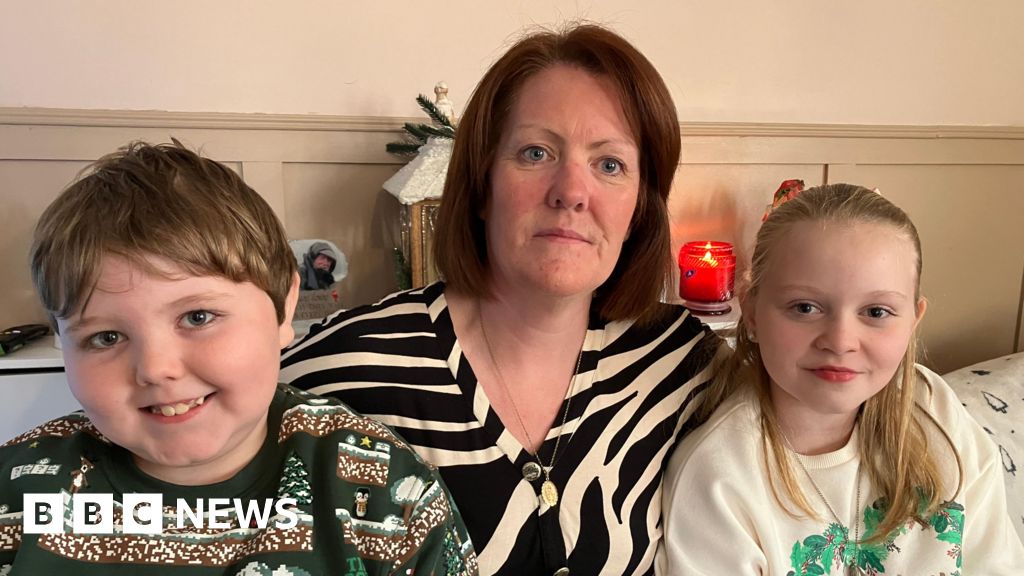
The consequences extend beyond physical safety, influencing the social fabric of communities. When schools are forced to shut suddenly—sometimes without adequate notice—families and children face emotional strain. In interviews, students like 7-year-old Daniel express feelings of *sadness and anxiety*—missing friends and routines critical to their development. His mother laments, *”we have such a solid community base, but without immediate action, that strength begins to fracture.”* Pupil Gail, a girl preparing for transfer tests, worries about her academic progress and her social ties, illustrating how even demographic changes such as *an aging school infrastructure* have a tangible human impact.

  • Disruption to routine can impair children’s mental health and academic motivation.
  • Parents grapple with uncertainty and fear of ongoing instability.

Such disruptions threaten to widen societal divides, particularly as government agencies acknowledge their inability to cope with the scale of the problem due to budget constraints.

Adding to the crisis, the Education Authority admits to a *”deeply concerning”* backlog of maintenance issues across the region, a situation exacerbated by *severe funding shortages*. The result—schools can only prioritize emergency repairs, with most infrastructure decay left unaddressed. This cycle of neglect threatens the long-term integrity of educational environments and further diminishes societal trust in public institutions. Meanwhile, figures like Sinn Féin MLA Pádraig Delargy advocate for urgent, practical solutions that keep communities united during this testing period. He urges the Department of Education and the Authority to recognize that *”if we don’t deal with our children now,”* the societal costs will only escalate.

  • Increased funding is crucial to restore and maintain vital infrastructure.
  • Policy reform must prioritize education’s physical and social needs.

Ultimately, this crisis underscores a moral imperative: society must reevaluate how it invests in its youngest citizens, recognizing that their well-being reflects the moral fabric of the nation itself.

As society stands at this crossroads, the path forward remains uncertain but not hopeless. The fate of schools like Nazareth House, the resilience of its students, and the strength of community bonds hinge upon collective action—political will supported by societal recognition of the importance of education. This ongoing struggle reminds us that a society’s true strength lies in how it nurtures its young and repairs its foundations. In this moment of challenge, the hope persists that, through renewed commitment and responsible stewardship, the next chapter can be written—one where every child has a safe place to learn, and every community’s future is secured. Society’s resilience will ultimately be measured by its response—its capacity to transform crises into catalysts for enduring renewal.

Fertility Decline Sparks Shift Toward One-Child Families: A Sign of Changing Society

Society’s Shifting Fertility Landscape and Its Impact on Families

In recent years, demographic changes across the Western world reveal a concerning trend: a declining birthrate and evolving family structures. According to the Office for National Statistics, the fertility rate in England and Wales last year plummeted to 1.41 children per woman—its lowest on record for three consecutive years. This decline is part of a global movement identified by the United Nations as a “global fertility slump”. Sociologists like Alain Girard argue that this shift reflects more than just individual choice; it signifies the societal pressures, economic anxieties, and shifting gender roles that are reshaping the very fabric of families and communities. Families, once the backbone of social cooperation, are now navigating a landscape where financial and social barriers often overshadow the desire for children.

This era of economic uncertainty, characterized by skyrocketing living costs, unreasonably demanding careers, and inequitable gender expectations, has led many to question the sustainability of larger families. Families with only one dependent child have grown from 42% in 2000 to 44% today, with statistics indicating that the notion of a “standard” two-child family is increasingly out of reach for many. The UN Population Fund emphasizes that many are not “turning their backs” on parenthood but are being denied the freedom to start or expand their families due to economic constraints and persistent gender inequality. This reality underscores a moral crisis—families are no longer driven solely by love and legacy but are often dictated by prudent financial calculations and societal expectations that now seem out of reach for many.

Bridging the ‘Fertility Gap’: Societal and Policy Responses

To combat this troubling trend, policymakers are increasingly aware of the need for supportive measures to bridge the ‘fertility gap.’ Education Secretary Bridget Phillipson recently highlighted the expansion of funded childcare in England as a step toward reviving what she termed “dashed dreams”. Although nursery costs have fallen for the first time in 15 years—averaging around £12,425 for children under two—they still place a heavy burden on many families, especially when considering the broader economic climate. Moreover, studies from University College London indicate that while two-fifths of 32-year-olds express a desire for children, only a quarter actively pursue conception, suggesting that the barriers go beyond just costs—addressing social, emotional, and organizational issues must also be part of a comprehensive strategy.

  • Implementing targeted parental leave policies and flexible work arrangements that align with modern gender roles
  • Ensuring affordable, accessible childcare to ease the economic burden of parenthood
  • Promoting societal narratives that support a diversity of family choices, moving away from stereotypes like the “spoiled only child” myth

Social commentator Dr. Adriean Mancillas challenges long-held myths suggesting that only children are selfish or maladjusted, citing research that demonstrates educational advantages and emotional development opportunities within single-child families. This evidence points toward a societal responsibility to reframe perceptions around family size and quality of life, ensuring that policies nurture family units rather than stigmatize them.

The Societal Impacts and a Call for Moral Reflection

The decline in birth rates does not only threaten the present but casts long shadows over future societal stability. An aging population spells increased strain on public services and pensions, with demographers warning of a “demographic time bomb.” Yet, amidst these challenges, the societal narrative must become one of hope, resilience, and moral clarity—recognizing that families are the moral backbone of society. As Lauren Sandler, author of *One and Only*, reflects, “families are not just economic units, but moral communities where love, care, and shared values nurture society’s soul.”

Society faces an ongoing reckoning: will we continue to let economic and social barriers define the future of family life, or will we foster an environment where the desire to nurture and to belong can flourish freely? The choices we make today, inspired by both policy and moral conviction, will echo through generations. As families like Natalie Johnston’s exemplify—children are not just products of choices but symbols of society’s capacity for compassion and hope. In this ever-changing landscape, society’s true measure lies in our collective resolve to rebuild the moral foundations that uphold family, education, and community—transforming societal fears into a shared vision of renewal and resilience.

DeepFakes: How a Toxic AI Porn Empire Is Exploiting Innocents and Threatening Society

The Hidden Threat of Deepfake Porn: Society’s Growing Crisis

In recent years, technological advances have brought both convenience and peril to families, education, and communities. Among these emerging dangers, the proliferation of deepfake pornography stands out as a disturbing societal challenge that threatens to erode personal dignity and safety. What was once the domain of speculative fiction or fringe tech circles has now become a dangerous reality, with tools that can generate hyper-realistic fake images of anyone, often without their consent. Such technology not only victimizes individuals but also underscores a larger cultural shift marked by misogyny and societal intolerance. Its growth signals a future where privacy is increasingly compromised, and innocent lives are often violated with impunity.

The emergence of Mr DeepFakes, a notorious website dedicated exclusively to producing and distributing fake pornographic images, epitomizes this societal alarm. Originally appearing around 2017-2018 amid the ban on deepfake content on social media giants like Reddit, the site quickly gained notoriety for offering hundreds of videos featuring celebrities, politicians, and ordinary individuals. As the sociologist Dr. Laura Spencer notes, “The internet has become a playground where the boundaries of morality are constantly pushed, and deepfake technology has become a tool for degrading those who dare to step into the public eye.” The site’s creators justified their work by claiming that consent was irrelevant because these images were mere fantasies. Critics argue, however, that this perspective dismisses the human suffering inflicted on victims— especially women—whose images are stolen and manipulated to serve the malicious intent of anonymous perpetrators.

Despite the shutdown of Mr DeepFakes in May 2023, the societal damage endured. Investigations suggest that the behind-the-scenes creators and networks—motivated by money, notoriety, or ideological hatred—continue to operate through less-visible channels and underground forums. The rise of accessible apps and user-friendly AI tools has transformed deepfake creation from clandestine hacker work into a commodity available to anyone with a smartphone. According to social analyst Patricia Higgins, “The problem is no longer confined to specialized tech geeks; it’s embedded in the mainstream internet ecosystem now. This democratization of harmful content makes regulation even more urgent.” It reveals a disturbing truth: social tolerance for misogyny and lawlessness has grown, feeding a cycle of exploitation that further destabilizes family units and community trust. As history demonstrates, unchecked technological abuse can eventually corrode societal fabric, leaving vulnerable groups exposed to ongoing harm.

The demographic changes and cultural shifts fueling this crisis are striking. Predominantly, women and young girls are targeted, their images systematically exploited in digital spaces that are often beyond effective regulation. The language used on these sites—overtly misogynistic, hateful, and dehumanizing—reveals a core societal malaise: a willingness to devalue and degrade at the expense of human dignity. Social commentators like Dr. Marcus Evans warn that “failure to confront this issue head-on risks normalizing violence and misogyny in digital culture, which inevitably translates into real-world consequences.” The rise of such behavior furthers a dangerous narrative—that women’s value is contingent upon their presence in a sexual market determined by images and superficial validation—shortchanging the foundations of a respectful, equitable society. Whether it is through inadequate legislation or cultural apathy, society will **pay the price** for tolerating this erosion of respect and morality.

Yet, through awareness, legislation, and cultural resilience, hope persists. The recent movement by small groups of activists and legal reformers exemplifies society’s capacity to confront this digital erosion. Initiatives that criminalize the creation and distribution of non-consensual deepfake sexual images are gaining traction globally. While technology continues to evolve faster than laws can keep pace, the moral imperative remains clear: society must prioritize human dignity over technological convenience. As the civil rights advocate Sarah Miller reminds us, “We are at a crossroads where we must choose between enabling harmful innovation or protecting our humanity. The strength of our communities depends on the moral courage to set boundaries against abuse.” Society faces a formidable challenge, but as history has shown, every wave of moral awakening begins with just a few brave voices—those who refuse to accept decay as inevitable. It is within these efforts that society’s hope for genuine transformation resides, fostering a future where respect, dignity, and justice are not casualties of technological progress but its guiding force.

Parents Warn Society Ignored Early Signs Before London Nursery Worker Abuse Arrest

Protecting Society’s Future: The Imperative of Safer Childhood Environments

In recent months, the harrowing revelations about Vincent Chan, a nursery worker at a leading chain, have cast a stark light on systemic failures in safeguarding our most vulnerable citizens—children. The disturbing allegations that concerns raised by parents were dismissed, coupled with the perpetrator’s subsequent conviction for multiple sexual offenses against children aged only two to four, underscore the critical need to scrutinize and reform how society protects its innocent future. As sociologists such as Dr. David Finkelhor argue, the trust we place in institutions like nurseries is foundational to societal stability, yet failures in oversight threaten to unravel this trust entirely.

Behind closed doors, the innocence of childhood is being compromised, revealing unsettling issues in cultural attitudes towards safety and accountability. The case has revealed not only individual misconduct but also systemic lapses. Reports indicate that concerns voiced by parents—those who entrust their children to these institutions—were seemingly overlooked or dismissed. Alison Millar, legal representative for many affected families, expressed their profound disgust, recounting stories of children returning home with injuries or exhibiting behavioral issues, often blamed on inappropriate behavior by staff. Families are now questioning whether vivid signs of neglect or misconduct should have prompted earlier intervention. These concerns echo a broader social debate, highlighted by sociologists like Dr. Christopher Jencks, about the adequacy of current social safeguards and the prioritization of profit over children’s welfare amidst a climate of deregulated childcare services.

  • Questions about staff vetting procedures have emerged, especially relating to employees like Alison Whateley, who was recorded sharing her own admission of pedophilia before her arrest in 2017.
  • The case has prompted a governmental review, promising measures such as increased CCTV use within nurseries to prevent future atrocities.
  • Despite assurances, critics argue that such procedural reforms often lag behind the urgency of social needs, exposing children to ongoing risks.

In a society where familial bonds are the first line of defense, the failure of institutions to safeguard children under their care reverberates profoundly through families, educational systems, and communities. The moral fabric of society is tested as public confidence diminishes, and the sacred trust placed in caregiving institutions becomes frayed. As historian Carol Delaney notes, social cohesion depends heavily on collective moral responsibility, which must be renewed through transparent accountability mechanisms. The recent tragedy serves as a stark reminder that societal neglect not only endangers individual lives but threatens to erode the foundational structures that uphold community well-being. Moving forward, society must prioritize not only legislative reforms but also foster a cultural shift where safeguarding children is regarded as a moral imperative embedded deeply within our collective conscience.

Ultimately, the story of Vincent Chan confronts a society at a crossroads—a society that must decide whether to respond with complacency or with renewed vigour for justice and child protection. As communities remain haunted by the memory of ignored warnings and systemic failures, hope persists in the possibility of transformation. In the quiet strength of families, schools, and social institutions, there lies a steadfast promise: that a society capable of acknowledging its flaws can also be resilient enough to rebuild itself anew—where safety, dignity, and innocence are not just ideals but living realities for every child, in every home, and in every community. Society’s true legacy will be measured not by the failures we endure but by the unwavering resolve to forge a future where every child’s smile is safeguarded from harm, and every voice is heard when it cries for help.

Unveiling the Hidden Vibes of Turkey’s Iconic Cool Capital

Discovering Izmir: A City of Ancient Roots and Modern Resilience

In the heart of the Levant, Izmir stands as a testament to centuries of cultural confluence and historical resilience. Once Turkey’s most cosmopolitan city, it was renowned over a century ago for its sophistication, with streets bustling with families from Greek, Armenian, Turkish, and Levantine backgrounds. The era of Parisian fashions, imported Munich beers, and elite schools marking the city’s golden age was abruptly halted in 1922 by devastating fires and political upheavals—yet Izmir’s spirit has refused to fade. Today, this ancient port city embraces a *vibrant blend* of history and modern lifestyle, inviting young explorers to discover its layered legacy while forging their own stories of inspiration.

Walking through Izmir today, the historical imprint is undeniable. The Kemeralti Bazaar, a labyrinth of covered streets and han inns, remains the pulsating heart of the city’s commerce and culture. Its architectures whisper tales of the Silk Road, once making Smyrna Quay the hub for merchants exchanging silk, spices, and exotic goods. Travel buffs and history enthusiasts should heed these echoes of the past, where traditional Turkish coffee still brews over hot coals in Kahveciler Sokağı, and relics like the copper bazaar tell stories of bygone eras. Beyond the bazaar, visitors can explore the Clock Tower in Konak Square, an Ottoman-era masterpiece influenced by North African and Andalusian styles. Its ornate architecture not only provides a scenic backdrop for social media but also embodies the city’s eclectic character—a comforting reminder that beauty often lies in the convergence of diverse influences.

Yet, Izmir is more than a city frozen in time; it is a narrative of revival and entrepreneurial vigor. The reclaimed waterfront along Smyrna Quay, now known as the Kordon promenade, serves as an open-air playground for young people and tourists alike. The promenade invites activities from jogging at dawn to biking amid sunset hues, fostering a wellness culture that values well-being over the mundane. Cultural landmarks like the Adal Sultan Clock Tower symbolize resilience, constructed in 1901 with influences spanning multiple continents, echoing the city’s history of multicultural exchange. Moreover, Izmir’s music scene flourishes through figures like Darío Moreno, a singer whose legendary recordings such as *“Ya Mustafa”* continue to inspire generations. Such stories underscore how personal passions—be it music, art, or street food—fuel the city’s modern heartbeat, making it an ideal destination for the youth seeking an authentic encounter with history while forging new paths toward health and happiness.

  • Explore local cafes serving Ottoman-style coffee over traditional copper cezves.
  • Take a day trip to Ephesus, where Roman streets and mosaics tell stories of Mediterranean trade and civilization.
  • Walk or cycle along the Gulf of Izmir, soaking in views that blend natural beauty with urban revival.
  • Visit hidden gems like Havra Sokak, where ancient synagogues stand as silent witnesses to centuries of multicultural coexistence.

Ultimately, Izmir exemplifies how a city can honor its storied past while embracing a future filled with vitality and youthful energy. Its resilience, driven by centuries of multicultural exchange, reminds us that even amid chaos, there is always an opportunity to rebuild and redefine one’s identity. For the young explorer, entrepreneur, or wellness seeker, Izmir offers a metaphorical journey—a personal odyssey through history, innovation, and lifestyle. As you stand on its shores or wander its ancient streets, you realize that lifestyle itself is an evolution—a continuous act of reclaiming, rediscovering, and celebrating the spirit of resilience. In this city of the phoenix, every moment becomes an invitation to craft your own narrative of strength and inspiration, one step at a time.

Carers’ Allowance Report: Outdated System Failing Our Youth and Society

Society in Crisis: The Hidden Toll of Carer’s Allowance Failures

In recent months, the fault lines within our social safety net have become alarmingly evident, exposing a stark reality that many families and communities are grappling with in silence. A comprehensive review led by Liz Sayce, an independent social policy analyst, has shattered the myth that our welfare system functions as a safeguard for the vulnerable. Instead, it reveals a stark portrait of systemic flaws, bureaucratic cruelty, and a culture that often criminalizes those who dedicate their lives to caring for loved ones. At the center of this crisis are unpaid carers, predominantly women, who sacrifice their own well-being—alive to the harsh truth that their selflessness is recognized less as service and more as an administrative misstep or moral failing.

Devastating impact on carers

Data underscores the tragic toll—nearly 75% of the 1 million individuals claiming the meager weekly £83.30 carer’s allowance are women, often forced to operate in conditions of perpetual poverty and health decline. Many are pushed to their physical and mental limits, facing continuous stress while navigating a system that often dismisses their sacrifices. As sociologists like Ann Oakley have long argued, this pattern of neglect affects not just individuals but the fabric of families, weakening the foundations of our society. When carers are so overwhelmed that local authorities must step in, it signals a failure to recognize and support the critical roles they play—roles that are essential yet undervalued. The emotional and physical toll risks creating a cycle of despair that damages entire families and communities, eroding the social cohesion that holds society together.

The ‘benefits trap’ ruthlessly designed to hit internal targets

This crisis is exacerbated by what the review describes as a deliberately ruthless system. The Department for Work and Pensions (DWP) equipped itself with technology—like the verify earnings and pensions (VEP) alerts—that was intended for fraud prevention but instead became a tool of penalization for honest carers. Investigations reveal officials deliberately limited checks, allowing over 230,000 unpaid carers who exceeded earnings thresholds to remain undetected for up to five years. The so-called “cliff edge” policy, where a mere 1p over the limit results in debts exceeding £4,000, exemplifies a punitive approach that capitalizes on vulnerability, fostering a climate of fear rather than support.

  • Over 850 unpaid carers faced criminal prosecution between 2018 and 2024, with many receiving fines up to £5,000.
  • Officials admitted to intentionally neglecting alerts to meet internal targets, prioritizing financial control over human compassion.

Such policies demonstrate how deep-rooted bureaucratic priorities can distort the very purpose of welfare. As Michael Marmot has noted, systems that punish the disadvantaged erode social trust and perpetuate inequality, making genuine social mobility elusive.

How unpaid carers were treated as criminals by default

The review further exposes how the default assumption of guilt has haunted unpaid carers. Instead of being presumed honest, many were penalized before wrongdoing was established—an approach that disregards the complexity of human circumstances. The report highlights that in six years, 852 carers faced criminal prosecution, a startling number in a society that praises individual responsibility but treats care recipients as suspects. Civil penalties and prosecutions often stem from honest oversight rather than malice—yet the system penalizes these individuals harshly, reflecting a profound moral failing.

According to social historian David Edgerton, these arrangements show a societal shift towards punitive social policies that prioritize austerity over human dignity. The stories of fines and criminal charges reveal a society where the act of caring is viewed as suspicious, rather than noble.

Outdated and disjointed: a failing system laid bare

The foundation of this crisis lies in an outdated benefit system, first introduced in 1976. Its architecture is increasingly incompatible with the realities of a modern, diverse workforce—marked by zero-hours contracts, irregular hours, and a burgeoning culture of unpaid caregiving. The disconnect becomes evident when even officials admit to inconsistent application of rules, highlighting a department out of sync with today’s society. This mismatch, compounded by obsolete technology, creates what many describe as a “benefit trap”: a punitive maze that entraps those who give so much to others.

As the sociologist Hannah Arendt observed, in systems that turn humans into mere data points, morality becomes subordinate to bureaucratic efficiency—ultimately dehumanizing the very individuals they purport to serve.

What the DWP will—and won’t—change as a result

The department’s recent response promises a review of decisions affecting 185,000 carers over a decade, alongside consideration of long-term reforms such as replacing the punitive “cliff edge” with a tapered earnings approach. However, critics warn that these promises are merely the beginning of a long road to repair, and fundamental issues remain unaddressed. As policy analyst Susie Symes notes, genuine reform requires a cultural shift—an acknowledgment that caregiving is a societal priority, not a bureaucratic inconvenience.

While official statements speak of action and accountability, the societal scars remain visible. The dream of a society that truly values its unpaid carers—families that sacrifice in silence—rests on whether these reforms evolve beyond language into tangible changes. The challenge lies ahead: transforming a system built on suspicion into one rooted in dignity and support, restoring humanity where it has been so long neglected.

In the end, society’s true strength is reflected in how it treats its most vulnerable. As we navigate these murky waters of reform, perhaps the greatest hope remains in our collective capacity to listen, to learn, and to rebuild—step by painstaking step—a society that honors the silent sacrifices of its quiet heroes.

Experts slam Free Birth Society for dangerous misinformation threatening mothers and babies

International Ramifications of the Anti-Medical Birth Movement

In recent months, the Free Birth Society (FBS), a controversial organization founded and led by two former social media influencers, has garnered significant international attention. Purporting to promote women’s rights to give birth outside of traditional medical settings, FBS’s platform champions a radical approach that rejects conventional obstetric care. Their message, which claims that birth can be safely conducted at home without medical intervention, has found a global following among young women seeking autonomy. However, key investigations, such as the recent expose by The Guardian, have linked FBS’s unorthodox practices to a disturbing rise in infant fatalities and maternal health crises worldwide.

This movement’s geopolitical impact is profound. From the Western nations with advanced healthcare systems to low-income nations where medical resources are already strained, the encouragement of unassisted childbirth threatens to undermine decades of progress in maternal and child health. International health agencies, including the World Health Organization (WHO), have issued warnings about the dangerous misinformation circulating via FBS’s social media channels. Prominent analysts argue that such rhetoric amplifies risks, especially in regions lacking access to emergency medical care, potentially reversing hard-won gains in reducing maternal mortality and neonatal complications. This situation exemplifies how decisions driven by ideological extremism on social media can destabilize fragile health systems and trigger avoidable tragedies.

Experts, including maritime and medical historians, have identified this phenomenon as a **turning point**—a challenge to the authority of scientific consensus and the practice of evidence-based medicine. Dr. Michelle Telfer of Yale University warns that propagating dangerous myths about childbirth, such as dismissing the importance of sepsis prevention or resuscitation, can have catastrophic consequences. In low-income countries, where the burden of infections like sepsis remains high, these misguided beliefs risk driving infant mortality rates upward. The International Federation of Obstetrics and Gynaecology (FIGO) emphasizes that these extremities are not merely health issues but pose a threat to social stability, especially when communities adopt practices that contravene basic medical science.

As this controversy unfolds, it underscores a broader debate about the role of sovereignty versus international standards, especially in an era where social media platforms wield tremendous influence over health narratives. The rise of FBS is a clear indicator of a wider global shift—a desire among some segments of society to reject what they see as excessive state intervention in personal choices, even when those choices threaten public health. How nations respond to this challenge, balancing individual freedoms with societal safety, will shape the trajectory of global maternal health for decades to come. The story is not yet over, and the weight of history now hangs in the balance, its future written by decisions made in the coming years regarding healthcare regulation, digital misinformation, and the sovereignty of nations’ health policies. In this ongoing saga, the stakes are nothing less than the safety and survival of the most vulnerable among us, and the world can only wait and watch as this dangerous chapter continues to unfold amidst the shadows of history’s unfolding narrative.

Weymouth eyes new dental university to boost local society and youth opportunities

Across the picturesque coastlines of Weymouth, a silent transformation is underway—an effort to redefine the very fabric of community life through ambitious development projects. While these initiatives aim to rejuvenate the town as a thriving coastal destination, they also reflect deeper social dynamics impacting families, education, and social cohesion. The proposed establishment of a new Allied Health Professional University, with a focus on dentistry, symbolizes a forward-looking strategy to retain local talent and create economic opportunities. Yet, beneath the glossy surface of regeneration lies a sobering reality: many communities struggling with social disparities and the erosion of traditional social bonds, which threaten the moral fabric of society itself.

The development plans, in collaboration with Health Sciences University (HSU) and local NHS partners, represent a beacon of hope for the younger generations. As sociologist Dr. Emily Carter points out, such initiatives can serve as catalysts for empowering youth, fostering local leadership, and boosting community resilience. Nevertheless, it is essential to recognize that social issues affecting families—such as economic instability, housing shortages, and accessibility to quality healthcare—often hinder the realization of these aspirations. The social tensions brewed from inequality can deepen divides, making it harder for communities to thrive collectively. The challenge remains: how to balance economic growth with social justice, ensuring that progress lifts all, rather than leaving the most vulnerable behind.

As policymakers and town planners look to boost Weymouth’s economy through projects like a hotel-led development on the Weymouth Peninsula and the creation of new homes and commercial spaces, they must also confront the social tensions brewing within the town’s social fabric. The proposed cultural hub, centered around The Rectory on St Thomas Street, aims to encourage community engagement and cultural expression. Yet, social commentators warn that without intentional efforts to bridge the gaps in education, healthcare, and housing, such projects risk becoming symbols of exclusivity rather than inclusion. Education expert Dr. Marcus Liu emphasizes that equitable access to quality education and social services is vital to fostering a society rooted in shared values and collective human dignity.

Ultimately, Weymouth’s story echoes the broader societal narrative—one where hope and hardship intertwine. The path toward a society where families can flourish, communities can unite, and youth can dream without barriers is fraught with challenges. Yet, it is a path worth pursuing. For within the quiet resilience of towns like Weymouth lies the potential for society’s transformation—an enduring reminder that the true wealth of a community resides in its social bonds, moral integrity, and the courage to confront its struggles head-on. As history reminds us, societal progress is rarely without sacrifice, but it is in those moments of collective effort that society finds its truest hope, and perhaps, its greatest renewal.

Why 'Chronic' Lyme Disease Sparks Debate: What Society Needs to Know | Podcast
Why ‘Chronic’ Lyme Disease Sparks Debate: What Society Needs to Know | Podcast

Lyme Disease: A Growing Public Health Challenge Affecting Families and Communities

In recent years, the rising incidence of Lyme disease has shifted from isolated cases to a broader public health concern, with social and economic repercussions that ripple through families, schools, and communities. Despite increased awareness, the illness remains poorly understood and often misdiagnosed, as prominent figures from the entertainment industry have publicly shared their long struggles with its debilitating effects. From Bella Hadid to Justin Bieber, these stories have cast a spotlight on how Lyme disease can profoundly alter not just individual lives, but entire social fabric, revealing a glaring gap in our healthcare and educational systems.

The impact on families is especially grave when children and young adults are affected. As historians and social commentators warn, chronic illnesses such as Lyme disease can destabilize households, hinder educational attainment, and diminish future opportunities. Madeleine Finlay’s interviews with families dealing with the disease highlight a disturbing trend: many are trapped in a cycle of misdiagnosis, treatment delays, and emotional strain. Such difficulties underline the urgent need for

  • improved medical training
  • expanded research funding
  • greater community awareness

to ensure early detection and proper intervention, especially in school-aged children.

Experts like Prof. John Aucott, director of the Johns Hopkins Lyme Disease Research Center, emphasize that this insidious disease, often transmitted via tick bites, can cause long-term health consequences that ripple beyond the individual. These impacts {intersect} with educational environments, where children suffering from chronic symptoms face difficulty concentrating, missing school, and falling behind their peers. Such disruptions threaten the stability of local communities and jeopardize the future of the next generation. As social scientist Dr. Elizabeth Cohen articulates, the social fabric frays when health crises go unaddressed, exposing underlying inequalities where marginalized groups often lack access to resources and timely care.

Addressing this pressing social issue requires a multifaceted approach that goes beyond medical treatment. It demands a societal commitment to safeguarding the well-being of families and empowering communities. Proposed solutions include increasing funding for research and public health initiatives, fostering community-based awareness campaigns, and integrating comprehensive health education into school curricula. These steps are vital in overcoming the silent burden many families now carry, often in isolation and without the necessary support.

As society grapples with the consequences of emerging health threats, the narrative of Lyme disease underscores a profound moral challenge: the need to heal not only individual bodies but also the fractured social networks affected by this disease. Yet, amid these difficulties, there remains a flicker of hope– a collective opportunity to build resilience, foster understanding, and transform societal neglect into action. When we confront these challenges head-on, we begin to see that the true strength of a society lies in its capacity to uplift those burdened by invisible wounds, ensuring that no family faces their fight alone. Perhaps, in facing this silence and uncertainty, society will discover that hope and renewal are the most enduring remedies of all.

Defending Dialogue: The Vital Role of Free Speech in a Free Society

In an era marked by digital interconnectedness and rapid information exchange, the fundamental importance of free speech in maintaining a vibrant, healthy society cannot be overstated. Critics often posit that unchecked dialogue can foster divisiveness or misinformation, but history and empirical evidence suggest otherwise. John Stuart Mill, in his seminal work On Liberty, argued that the free exchange of ideas is essential not only for discovering truth but for preventing tyranny of the majority. When societies impose undue restrictions on speech, they risk silencing dissent, which can stifle innovation, suppress minority views, and erode the very foundations of democracy. The challenge lies in safeguarding open discourse without allowing harmful content to proliferate, a balancing act that underscores the importance of free and fair dialogue.

Supporters of free speech emphasize that censorship often backfires by driving controversial ideas underground, where they become more difficult to address openly. Economists like Friedrich Hayek have pointed out that free markets of ideas require safeguarding to foster societal progress. Moreover, the digital age has amplified the reach of individual voices, allowing youth-led movements and marginalized communities to challenge entrenched narratives effectively. Nevertheless, critics argue that platforms must moderate content to prevent harm; yet, overreach risks transforming these spaces into echo chambers. Protecting free speech entails constructing boundaries that deter abuse without curtailing authentic debate, a nuanced pursuit that defies simple solutions but remains central to societal resilience.

From a historical perspective, societies that champion liberty of expression tend to experience greater innovation and social cohesion. When citizens are empowered to voice dissent, governmental abuses are held accountable, and policies are scrutinized more effectively. Analysts suggest thatn an environment of robust debate fosters a culture of critical thinking—vital for adapting to complex challenges like technological change or global crises. Limiting speech, on the other hand, can cultivate a climate of conformity, where fear suppresses dissent and free inquiry diminishes. As thinkers like Alexis de Tocqueville observed, “Democratic societies flourish when the individual feels free to speak and think for themselves, even if their views are unpopular.”

Yet, amid the noise and chaos of our digital age, it is essential to remember that free speech is more than a right; it is a moral obligation. It demands responsibility—both from those who exercise it and from societies that protect it. If the future of free societies depends on anything, it is on their ability to defend this sacred space where ideas collide, challenge, and evolve. The weight of this responsibility is immense, for within the marrow of free speech lies the future of human progress itself—an enduring testament to our collective resilience and boundless aspiration, echoing through time as an unbreakable chorus that calls us to remain vigilant and unwavering in the pursuit of truth and liberty.

Social Media Auto Publish Powered By : XYZScripts.com