Matox News

Truth Over Trends, always!

Trump’s blockade threat heightens risks while solutions stay out of reach

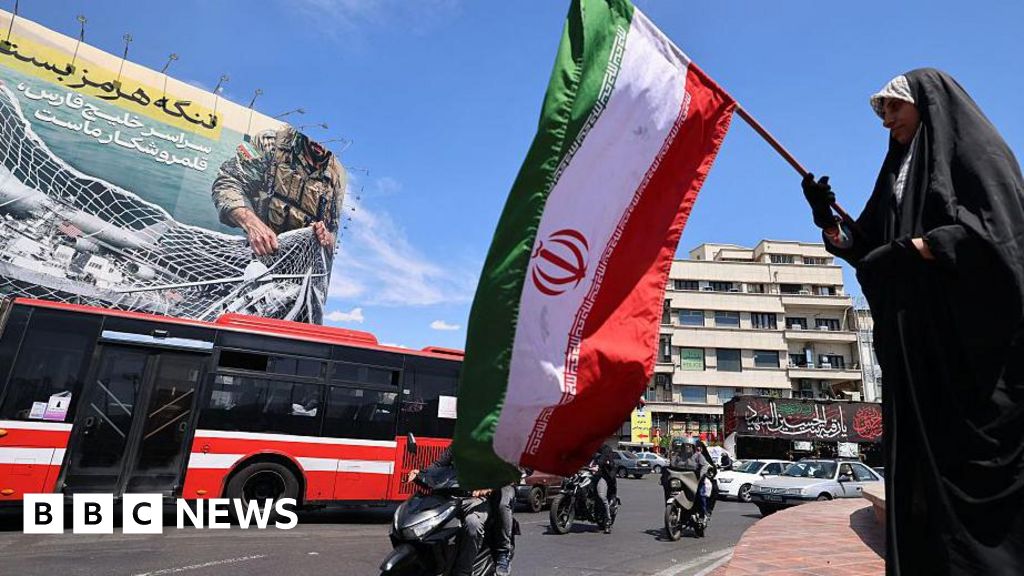
In what has become a defining chapter of 21st-century geopolitics, the ongoing confrontation between Iran and the United States marks a critical juncture in the stability of the Middle East. The conflict is no longer merely a localized dispute but a profound test of international resilience, military resolve, and diplomatic resolve. At its core, this confrontation centers on Iran’s ability to withstand successive strikes and the extent of President Donald Trump’s tolerances for escalating hostilities. As Washington navigates this volatile landscape, the global community watches closely, recognizing that the outcome will shape regional dynamics for decades to come.

The recent spate of strikes—allegedly targeting Iranian-backed militia groups and strategic assets—underscores a decisive shift in U.S. foreign policy. Reports indicate that the Trump administration remains committed to a campaign of maximum pressure, seeking to limit Iran’s regional influence without triggering full-scale war. However, analysts warn that this strategy bears significant risks, as Iran’s capacity to absorb blows—both economically and militarily—raises profound questions about its resilience. Historically, experts such as Dr. Emily Sands of the International Institute for Strategic Studies have emphasized the importance of measuring Iran’s ability to sustain prolonged conflict against the costs of U.S. military engagement, which could spiral into a larger regional war.

Consequently, the geopolitical impact extends far beyond the Persian Gulf. It threatens to destabilize neighboring states, threaten global oil markets, and challenge international norms. Iran’s leadership remains determined not to appear defeated, rallying nationalist sentiments and asserting its sovereignty amid external pressure. Conversely, Washington’s tactical strikes and diplomatic maneuvers signal a persistent effort to curb Iran’s nuclear ambitions and regional influence, calling into question the efficacy of traditional deterrence strategies. The United Nations and other international bodies are calling for restraint, but so far, diplomatic avenues remain fraught with division, as both sides prepare for potential escalation.

Many observers believe this crisis signals a pivotal moment—where long-standing regional tensions could either be diffused through renewed diplomacy or ignite into a broader conflict. As noted by veteran geopolitical analyst James Callahan, “The balance of power hinges on Iran’s capacity to absorb these blows without breaking, and on Trump’s willingness to accept the costs of continued escalation.” For now, the entire region and the world are perched on the edge of history, with each side testing the limits of their resolve. The coming days may determine whether this confrontation transforms into a new frontier of global security or a deadly quagmire with unpredictable consequences. As history waits to write its next chapter, the weight of this moment remains palpable—an enduring reminder that in international politics, choices made today echo into the centuries to come.

Airbnb Launches Private Car Pickup—Fresh Ride Solutions for Travelers

In a move that underscores the relentless push towards integrated, full-stack travel services, Airbnb announced the expansion of its platform to include a new car pick-up service across 125 cities worldwide, partnering with Welcome Pickups. This innovation is not merely an addition but a disruptive shift, signaling a strategic pivot aimed at transforming Airbnb from a home rental platform into a comprehensive travel ecosystem. With the introduction of private car bookings accessible directly within their app, Airbnb is positioning itself to challenge entrenched transportation players while setting the stage for a seamless user experience, blurring the lines between accommodations and mobility.

The company revealed that its pilot program in Europe and Asia demonstrated remarkable success, with “thousands of guests” utilizing the service and achieving an extraordinary average rating of 4.96. When users book a stay, they will now find an option to schedule private transportation, view reservations, and modify details—all within the same platform. This consolidation not only enhances user convenience but also exemplifies the strategic disruption of the traditional travel value chain, wherein distributed services—hotels, transportation, experiences—are converged into a unified digital ecosystem. Analysts from Gartner emphasize that such integrations accelerate industry transformation, forcing competitors to innovate or concede market share.

Moreover, Airbnb’s ambition extends beyond mobility. Building on its summer services launch—which introduced categories like chefs, spa treatments, and personal trainers—the company is aggressively bolstering its comprehensive trip management capabilities. Their recent partnership with Instacart to facilitate grocery orders illustrates an intent to deliver end-to-end trip experiences.

  • Enhanced convenience for travelers
  • Deeper platform engagement
  • Potential for new revenue streams

But such moves also signal a profound shift for the industry—Uber, Expedia, and traditional hospitality giants now face a formidable, integrated challenger that aims to control not just the booking process but the entire traveler journey.

During its Q4 2025 earnings call, Airbnb CEO Brian Chesky emphasized the magnitude of this shift, referencing the “massive” opportunity in hotel stays, with the aim of embedding Airbnb as a primary platform across all aspects of travel. This full-stack approach exemplifies the ongoing disruption in the travel industry, echoing sentiments shared by industry experts like Peter Thiel, who warn of the necessity for companies to innovate at an aggressive pace to stay ahead. As Airbnb explores additional features—such as hotel bookings and even local experiences—the company is rapidly evolving into a comprehensive, all-in-one travel platform. The implications for competitors are clear: adapt or risk obsolescence in a marketplace that’s increasingly favoring integrated digital ecosystems.

Looking ahead, the pace of Airbnb’s expansion signals a broader industry upheaval—<_>disruption is imminent for traditional hospitality and transportation sectors(_). Stakeholders and investors must recognize that the companies which innovate boldly and leverage emerging technologies like AI, data analytics, and seamless omnichannel experiences will dominate the future landscape. As Airbnb’s model exemplifies, the pioneer spirit is alive—and accelerating. The coming years will be pivotal, demanding urgent innovation and a strategic vision that can navigate and capitalize on this unfolding digital revolution.

School phone bans fall short — teens need broader solutions to cut screen time, study shows

Recent research highlighted by the BBC underscores a critical reality facing families, educators, and communities in our rapidly digitizing society. A study conducted by academics at the University of Birmingham reveals that strict phone bans—often championed by schools and parents as a straightforward solution—are not the unequivocal remedy for the increasing dominance of screen time among teenagers. In many instances, such bans have failed to redirect youth attention toward healthier pursuits like sleep, homework, and physical activity outside the classroom. This finding challenges the prevailing narrative that simply restricting access to digital devices will restore balance in young lives, pointing instead to a more nuanced social issue intertwined with broader cultural and societal shifts.

This phenomenon is emblematic of _our society’s complex relationship with technology_, where devices serve as both connectors and distractors. Sociologists like Neil Postman have long warned about the cultural implications of technological immersion, suggesting that the proliferation of screens alters social interactions and priorities at a fundamental level. The study’s findings indicate that merely banning phones fails to address the underlying drivers of screen dependency—such as social validation, entertainment, and escapism—particularly when these activities have become embedded aspects of youth identity. For families, this means grappling with the challenge of fostering genuine connections and resilience, rather than relying on restrictive measures that can inadvertently foster secrecy or rebellion.

Furthermore, the social implications extend beyond individual health to impact education and community cohesion. When teenagers prioritize screens over sleep and physical activity, their academic performance can suffer, and their capacity for face-to-face social engagement diminishes. As social commentators highlight, a society that undervalues interpersonal skills and traditional forms of community participation risks fostering generations less equipped to navigate the complexities of civic life. Schools and policymakers are consequently called to reconsider approaches in favor of comprehensive programs that emphasize digital literacy, emotional intelligence, and community involvement. By addressing the cultural undercurrents that promote excessive screen time, communities can begin to reinvigorate social fabric and ensure that youth are equipped with the moral and social skills necessary for responsible adulthood.

As the debate continues, it is vital to recognize that the roots of this challenge are deeply ethical. Society must reflect on how our moral values shape attitudes toward work, play, and human connection. Social critics advocate for a balanced ecosystem that celebrates traditional virtues such as patience, empathy, and community service, without dismissing the digital age’s undeniable benefits. It is through this balanced lens—acknowledging both the potential and pitfalls of technology—that meaningful change can occur. Ultimately, society faces a pivotal choice: continue down a path of superficial restriction or forge a new way forward—one rooted in educational empowerment, community resilience, and respect for human dignity. As we stand on the brink of an uncertain future, it is only with deliberate moral clarity and collective commitment that we can hope to nurture generations capable not just of surviving, but of thriving within the digital age—grounded in authentic human values and resilient community bonds.

Client Challenges Drive Innovative Solutions

As the global economy navigates a period of significant turbulence, markets worldwide are experiencing a spectrum of shocks that threaten both short-term stability and long-term growth trajectories. Recent reports indicate a marked slowdown in manufacturing and consumer confidence, driven by persistent inflationary pressures coupled with geopolitical uncertainties. Economists from institutions like the International Monetary Fund warn that the economic landscape remains precariously balanced, with risks tilted towards recession in major economies. Investors are reacting swiftly, repositioning portfolios amidst the volatile environment, with some predicting a challenging horizon ahead.

The United States economy, often a bellwether for global trends, shows signs of strain despite resilient employment figures. Consumer spending, historically a cornerstone of growth, is cooling as inflation reduces disposable income. Meanwhile, the European Union faces its own set of hurdles; energy security crises and inflationary spikes threaten to dampen recovery efforts, prompting policymakers to reconsider traditional fiscal responses. In this climate, central banks around the world are caught in a delicate balancing act—tightening monetary policy to combat inflation while avoiding the tipping point that could trigger a recession. The Bank of England has signaled a cautious approach, aiming to control inflation without stifling economic growth, but the path remains fraught.

Market impact is profound:

  • Stock indices in North America and Europe have undergone sharp corrections, encapsulating investor trepidation;
  • Currencies such as the US dollar and Euro experience heightened volatility, reflecting shifts in monetary expectations;
  • The commodity markets see mixed signals—oil prices fluctuate amid supply concerns, while gold retains appeal as a safe haven.

Policy consequences are equally critical. Governments are reassessing stimulus measures and fiscal policies, with some contemplating more aggressive intervention to bolster economies while others emphasize structural reforms to foster resilience. Think tanks like the Council on Foreign Relations underscore the necessity for strategic foresight, cautioning that premature tightening could deepen economic fissures. Meanwhile, the specter of geopolitical conflicts, especially in key regions such as Eastern Europe and East Asia, adds layers of complexity. The overarching narrative suggests that this period is a defining moment—one where economic resilience and adaptive policy will determine the future balance of global power.

Looking ahead, the economic pulse of nations remains a pivotal determinant of global influence, shaping not only material prosperity but also geopolitical strength. As we stand on the cusp of potential upheaval, the resilience of economies and their capacity to innovate amid chaos will serve as the bedrock upon which future power is built. This era underscores the importance of strategic foresight, emphasizing that while markets may falter and policies may shift, the true strength of a nation lies in its ability to adapt and thrive amidst uncertainty. The coming years will reveal whether the global economy can harness this turbulence to forge a new epoch of prosperity or succumb to the shadows of complacency and crisis—either way, history is on the move.

Social Media Auto Publish Powered By : XYZScripts.com