US Military’s Rhetoric and Actions Ignite International Controversy
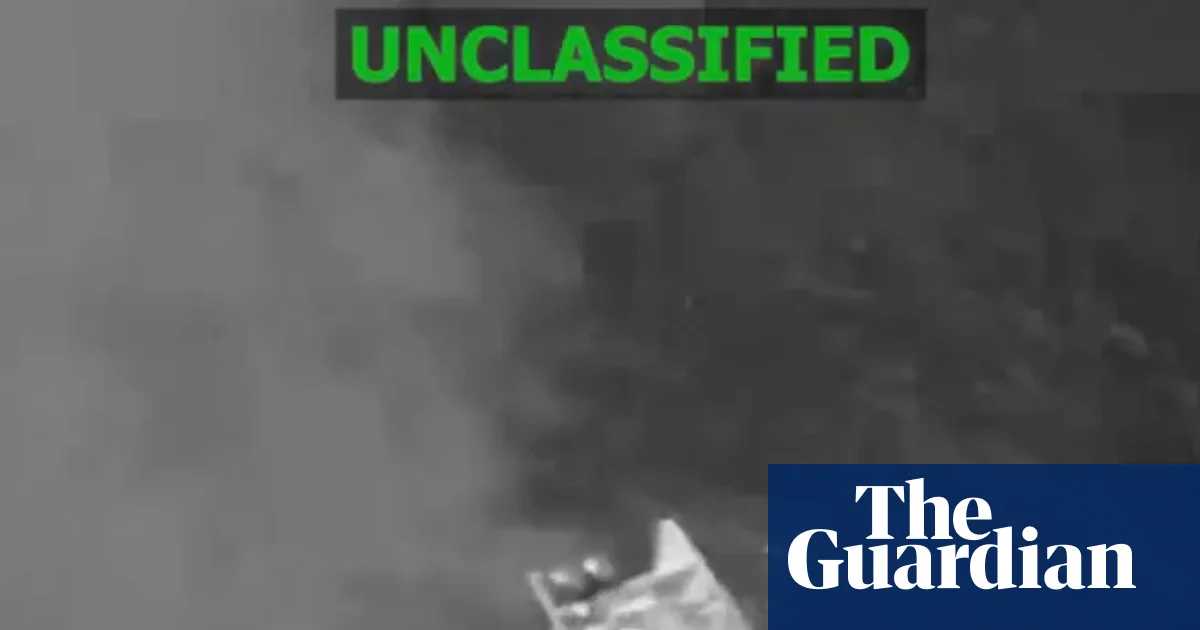
The United States has once again drawn intense scrutiny over its military tactics in Latin America and the Caribbean, following a series of deadly boat strikes in the eastern Pacific Ocean. Over the span of just four days, the US Southern Command announced the killing of at least 11 individuals in what it claims are operations targeting narco-traffickers. However, critics and international observers are raising grave concerns regarding the legality, morality, and geopolitical implications of these actions. The persistent narrative that labels all such victims as “narco-terrorists” has been challenged by legal experts and human rights organizations, who argue that this approach erodes international law and human rights standards.
Legal and Humanitarian Concerns Mount Against Unsubstantiated Claims
Despite the US military’s insistence that these strikes are based on \”intelligence,\” the absence of concrete evidence casts doubt on the validity of these narratives. Legal analysts from NGOs such as the American Civil Liberties Union (ACLU) have condemned these operations as *extrajudicial killings*, warning that such actions violate both US and international law. The UN, along with many international legal bodies, has questioned the US government’s assertion that these targeted individuals posed imminent threats. In January, a federal lawsuit was filed on behalf of families in Trinidad, alleging premeditated and unjustified killings of civilians, including fishermen simply trying to sustain their livelihoods. This growing wave of criticism underscores a broader concern that the US is crossing a legal boundary—one that echoes historical patterns of violence hidden behind a veneer of anti-narcotics efforts.
Shifts in U.S. Policy and International Reactions
President Donald Trump has publicly justified the aggressive tactics, claiming the US is engaged in an “armed conflict” with Latin American drug cartels—a stance that international law experts dismiss as a dangerous reinterpretation. The UN Secretary-General and other diplomatic voices have warned that these actions undermine the norms of international humanitarian law, emphasizing that the killing of civilians without due process amounts to state-sanctioned murder—a dangerous precedent that could destabilize entire regions.
In particular, Latin American nations are observing with cautious concern as US operations threaten their sovereignty and complicate their efforts in fighting drug trafficking through legal and diplomatic means. Notably, analysts from international organizations argue that such unilateral military actions risk fueling anti-American sentiments across the hemisphere, further isolating the US on the global stage. European and other partners are watching these developments closely, as they could influence the future of international cooperation on security and justice.
The Long Shadow of a Turning Point in Global Power Dynamics
Increasingly, historians and geopolitical analysts interpret these events as part of a broader realignment, where the US asserts its perceived right to act decisively in its own interests, often at the expense of respect for international law and sovereignty. The deliberate framing of civilians as combatants—despite overwhelming evidence to the contrary—represents a dangerous shift that could haunt the pages of history. As global institutions grapple with America’s unilateral tactics, the world community faces a stark choice: uphold the rule of law or succumb to a new era of extrajudicial enforcement. This dangerous game of blurred lines highlights the fragile hope for international justice and the lasting impact such policies will leave on future generations.
As the dust settles, history remains unwritten, but the echoes of these decisions will resonate through the ages. Whether nations will stand firm against these oversteps or fall prey to the temptations of unchecked power will determine the course of international order—an unfolding saga of justice, sovereignty, and the moral limits of state violence.