Matox News

Truth Over Trends, always!

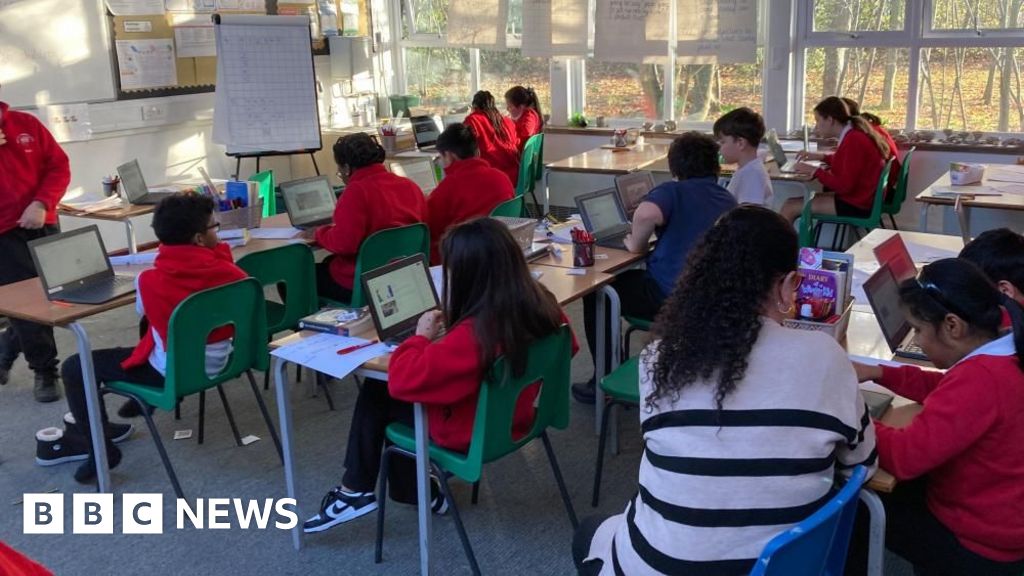
Oxfordshire Schools Step Up to Support More SEND Students, Shaping a Stronger Future for All

Across communities in the UK, a growing crisis in special educational needs and disabilities (SEND) support threatens to undermine the very fabric of inclusive education. As local authorities grapple with ballooning costs and a demographic shift towards greater demand for specialized care, families face the stark reality of limited resources and uncertain futures. Oxfordshire County Council exemplifies this trend, with a forecasted £153 million high needs funding deficit next year. To address this, the council is pioneering efforts to bring children with SEND into mainstream schools, aiming to reduce reliance on expensive private institutions, which can cost up to £64,000 annually per child.

But such solutions are far from simple. The financial pressures extend beyond just funding, affecting families, educators, and entire communities. As Oxfordshire seeks to expand its mainstream support, it faces the challenge of not only increasing funding but also fostering effective leadership and inclusive practices within schools. Paul James, chief executive of the River Learning Trust, emphasizes that creating truly inclusive environments requires more than policy adjustments; it demands ambitious, well-led teaching backed by adequate financial support. Without this, schools are compelled to make difficult cuts—reducing staff, resources, and enrichment activities—compromising the quality of education for all students, particularly those with complex needs.

  • Research by sociologists such as Hannah Arendt warns that without social support and equitable funding, the marginalized—like children with SEND—risk being pushed further into social isolation.
  • Historically, public education systems have reflected societal values; increasingly, the neglect of SEND funding signals that society’s priorities may be shifting away from inclusive justice.
  • Local authorities are calling for clear government strategies to address mounting debts, as the current funding model, approved and kept off councils’ books, leaves communities vulnerable to fiscal crises and potential bankruptcy, which would have devastating ripple effects through local families and services.

Social issues surrounding SEND support profoundly influence families’ stability, educational equity, and community cohesion. As costs escalate—highlighted by the fact that mainstream school support costs around £10,000 per child annually—families find themselves caught between inadequate systemic support and the relentless demand for specialized care, further emphasizing the urgent need for reform. The societal implications go beyond economics; they are a moral question about the human right to equitable education and the societal obligation to nurture every child’s potential. As social commentator Michael Sandel argues, our collective moral core is tested in how we prioritize vulnerable populations; neglecting these needs erodes the fundamental bonds that hold society together.

Yet, amidst these daunting challenges, glimmers of hope emerge. Communities, educators, and policymakers recognize that collaborative, well-funded leadership is essential for meaningful change. With plans to add 340 specialized school places and reduce dependency on private alternatives, local authorities are aiming to rebuild a system rooted in fairness and accessibility. Leaders like Paul James insist that “children only get one go” at their education, and it is a moral imperative that society commits to supporting them fully. Ultimately, society’s capacity for resilience and reform will determine whether we can transform these challenges into opportunities—building a future where families, education, and communities thrive together in the embrace of genuine inclusion.

As society stands at this crossroads, the question remains: can our collective resolve turn the tide of neglect into a wave of hope and transformation? The future of our children—the very essence of society’s moral health—depends on the answer we choose to write today.

Warwick Students Evacuated Amid Hall Fire Emergency

In the quiet early evening of a university campus in Coventry, a sudden fire broke out in a student hall of residence, prompting a swift response from over 40 firefighters and support from advanced drone technology. This tragic event underscores the ongoing societal challenge of ensuring safe living environments for students and highlights the vulnerable state of families, communities, and educational institutions during crises. The incident, which started in a kitchen, not only damaged two flats and sent smoke into several others, but also exposed a broader societal issue: the safety and preparedness of our young people’s communal living spaces.

As the university swiftly evacuated all residents and provided support services, the incident beckons a sobering reflection on the importance of preventative safety measures. Sociologists like Dr. Michael Green, who studies youth and risk, emphasize that many student residences lack the comprehensive fire safety education that could prevent such disasters.

  • Many young students, often unaware of the dangers, underestimate the risks of unattended cooking.
  • Insufficient safety protocols and outdated facilities may exacerbate the impact of accidents.

This event has broad implications for society’s approach to education and community safety. During the chaos, a sense of confusion and helplessness emerged among students, many of whom felt unsure about what steps to take in emergency. The moral responsibility extends beyond immediate response; it challenges families and communities to advocate for more rigorous safety standards and for educational programs that teach practical safety skills early on. The incident reminds us that social cohesion hinges on **collective responsibility**—not only for immediate safety but for fostering a culture where young people are empowered, informed, and supported.

Historically, social commentators have pointed out that a society’s strength can be measured by how well it protects its most vulnerable members—its youth. Taking lessons from past tragedies, including fire safety failures or neglect, society must acknowledge that the path toward transformation involves a shared moral duty. As firefighters supported by drone operators put out the last embers, the lingering question remains: *How can society rebuild not only the physical structures but also trust, resilience, and a renewed commitment to the safety of its next generation?* Because behind every burned flat and evacuated corridor lies a community’s hope — the hope that through vigilance and collective effort, societies can prevent preventable tragedies and forge a future where safety becomes a foundational value, woven into the fabric of our educational and communal life.

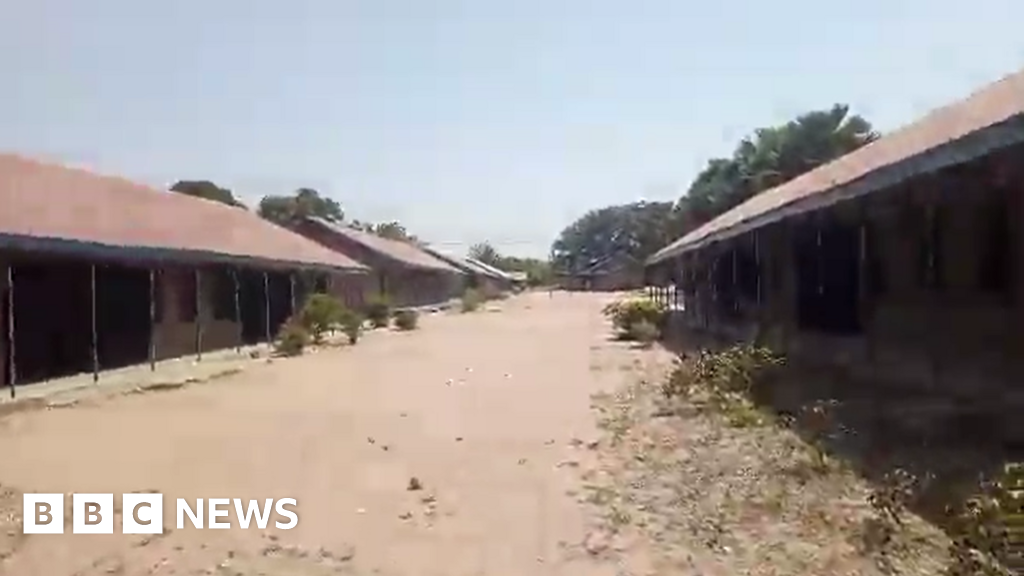
Nigeria suffers major school abduction as 315 students vanish in mass kidnapping

Escalating Crisis in Nigeria: Mass Kidnappings and Their Geopolitical Ramifications

In a disturbing display of the ongoing insecurity plaguing Nigeria, reports confirm that over 300 children and staff have been kidnapped from St Mary’s School in Niger state—a tragic development that echoes the infamous Chibok abduction of 2014. According to the Christian Association of Nigeria, the revised figures indicate a significantly larger number of victims than initially reported, highlighting the grave escalation in armed group activity across the country. These mass abductions are not isolated incidents but part of a disturbing surge in violence by violent coalitions, often labeled as bandits or Islamist militants, that threaten the stability of Nigeria’s fragile security architecture.

Analysts warn that this escalation has profound geopolitical implications. The Nigerian government’s response—claiming to mobilize security forces and order school closures—struggles against a tide of multifaceted insurgencies, including Boko Haram’s remnants and criminal gangs. These groups are exploiting Nigeria’s vast and often inaccessible forested regions, making rescue operations perilous and uncertain. The recent kidnappings occur amid a backdrop of regional instability, as neighboring countries face similar challenges with militant insurgencies, leading some experts from the African Union to warn of a potential destabilization chain reaction in West Africa fueled by these uncontained conflicts.

Furthermore, the international discourse around these events has become polarized. Right-wing figures in the United States, including former President Donald Trump, have recently amplified allegations of persecution of Christians in Nigeria, claiming the government is either unable or unwilling to protect religious minorities. These claims, vehemently denied by Lagos, supply a turning point in the ongoing narrative—whether as a genuine concern or a politicized tool—highlighting how external actors are increasingly involved in Nigeria’s internal affairs. Such narratives risk complicating diplomatic efforts and may embolden militant groups, further destabilizing the region.

The geopolitical impact of Nigeria’s security crises extends beyond its borders. As Africa’s most populous nation and a key player in regional economics and politics, Nigeria’s instability threatens to undermine efforts towards regional integration and economic growth. Historians and security analysts warn that without decisive action—focusing on intelligence, community engagement, and tackling socio-economic roots—Nigeria could descend into a prolonged state of chaos, with ripple effects felt across the continent and beyond. The convergence of internal insurgencies, criminality, and international politicization ensures that Nigeria remains a critical flashpoint. The nation’s future hangs in the balance, a reminder that history is still being written with every flight of gunfire and every child’s cry, as Africa’s most vital country teeters on the edge of crisis—and perhaps, eventual breakthrough or collapse.

Nigerian Catholic School Students Abducted in Shocking Attack

The recent surge of violence and insecurity in Nigeria has precipitated a crisis that threatens the stability of West Africa’s most populous nation. In a series of catastrophic events, armed groups—ranging from criminal gangs to jihadist factions—have intensified their operations, abducting thousands of innocents and unleashing chaos across multiple states. Amidst this upheaval, the recent abduction of students from St Mary’s School in Papiri, Niger state, underscores a disturbing trend: the deterioration of security that now engulfs Nigeria like a relentless storm. The attack, executed by armed men reportedly storming the educational facility in the early hours, left residents in fear and confusion, highlighting the reckless disregard for life and” safety,” as analysts warn of a **”nation on the brink.”**

Geopolitical Impact: Nigeria’s Crisis and the International Response

International observers, including prominent historians and security analysts, connect these domestic upheavals to the broader geopolitical consequences for Africa and the global community. From the mounting human rights concerns to the destabilization of regional economies, Nigeria’s security failures threaten to ripple far beyond its borders. Notably, US President Donald Trump has made controversial claims that Christians are being persecuted within Nigeria, fueling diplomatic tensions. His overt threat to deploy troops—asserting he would send “guns blazing”—was swiftly dismissed by the Nigerian government as a *”gross misrepresentation.”* Despite this, such declarations amplify the fragile perception of Nigeria as a failed state, where the rule of law is under siege.

Meanwhile, the United Nations and various regional blocs have expressed concern over the proliferation of violence, including the ongoing jihadist insurgency in the north-east and resource-driven conflicts between herders and farmers in the central region. Analysts warn that Nigeria’s overlapping crises—religious, ethnic, and criminal—test the limits of state authority and threaten to ignite even greater regional instability. “Without decisive action,” warns one international security expert, “Nigeria could become a failed state whose chaos spills into neighboring countries.”

How Decisions Shape Societies and Futures

The Nigerian authorities have faced immense criticism for their response—or lack thereof. Despite repeated warnings and intelligence reports, government agencies permitted the reopening of schools like St Mary’s, after ignoring directives designed to safeguard students in a time of heightened threat. This persistent neglect is symptomatic of deeper systemic failures, as local authorities scramble to contain the mounting crises without sufficient resources or coordination. Governments’ decisions to mismanage or neglect essential security measures directly influence societal resilience, shaping the lives of millions. For many young Nigerians, the long-term impact is clear: a loss of hope, disrupted education, and the risk of radicalization as chaos becomes the magnetic force drawing vulnerable youth toward insurgent factions.

Furthermore, the international community remains divided in how to address Nigeria’s multifaceted crisis. While some, like the U.S., threaten military intervention, others advocate for enhanced aid, diplomatic pressure, and internal reforms. Yet, as the violence persistently erupts, it becomes evident that the fate of Nigeria—the giant of Africa—may hinge on whether its leaders can muster the political will to confront these criminal and insurgent networks with unwavering resolve. “Decisions made today,” warns a renowned historian, “will determine whether Nigeria’s children can inherit a nation of peace, or a land awash in the blood of the innocent.”

As the world watches Nigeria teeter on the edge, history reminds us that the unfolding chapter remains unwritten—and that every choice, every response, will echo through generations. The duration of Nigeria’s tumultuous struggle is yet to be measured, but the weight of what is happening now leaves no doubt: the continent’s future, and perhaps the global order, hang in the balance as the shadows of conflict stretch across the horizon, looming ominously over a nation’s destiny yet to be determined.

Top Black Friday Tech Deals for Students: Laptops, TVs & More Savings

Black Friday Sparks Innovation Surge & Industry Disruption

As the countdown to Black Friday 2023 begins, the technology sector is witnessing not only an influx of unprecedented deals but also a clear signal of shifting market dynamics driven by rapid innovation and strategic disruption. Well-established giants like Apple and Bose are offering deep discounts, yet the symposium of sales underscores a deeper narrative: the acceleration of competitive innovation that could redefine industry standards in the near future. In a landscape where consumer expectations continually shift toward integrated, ultra-connected devices, the tech giants are vying to lead the next wave of hardware evolution.

Among the most compelling trends is the aggressive pricing strategy that is fostering a disruptive environment for traditional players. For instance, Apple’s latest 13-inch MacBook Air has dropped to an all-time low of $749.99, representing a strategic milestone that could threaten entrenched market shares of Windows-based rivals. Meanwhile, Bose’s QuietComfort Ultra Earbuds are on sale for $50 off, exemplifying how premium brands are balancing innovation with price competitiveness to lure consumers. This model of competitive discounting indicates a broader industry shift—where cost and performance innovations are pushing consumer devices into more accessible territory without sacrificing core functionalities.

Disruption & Business Implications

  • Enhanced Product Ecosystems: Companies are increasingly integrating AI, biometric sensors, and improved wireless connectivity to create more cohesive user experiences, driving loyalty and market differentiation.
  • Emerging Market Leaders: Smaller firms and startups leveraging AI-driven manufacturing and supply chain disintermediation could upend traditional giants, accelerating the pace of innovation.
  • Consumer Data & AI: Heavy investments in AI for personalization and predictive analytics are transforming how companies approach product development and customer engagement, as highlighted by Gartner’s latest forecasts on AI adoption.

Industry analysts such as Gartner and MIT scholars warn that the race for technological supremacy is now intensifying, with startups and established players alike betting heavily on disruptive innovations. Companies like Tesla and Elon Musk have demonstrated the disruptive potential of integrating AI and automation into core business operations—trends that are now permeating the consumer electronics sector. The innovation race is no longer limited to hardware but extends to software, services, and integrated hardware-software ecosystems—setting a precedent for a future where disruption becomes the new normal.

Future Outlook: The Need for Vigilance & Strategic Foresight

As the industry accelerates toward an era of unprecedented innovation, the urgency for companies to adopt proactive strategies grows. The next wave of technological disruption promises to eliminate legacy barriers and democratize access to advanced consumer electronics. However, market leaders must remain vigilant, investing in R&D and safeguarding intellectual property amid increasing competitive pressures. The industry’s trajectory indicates that only those who leverage disruptive innovation while navigating the complexities of global supply chains will thrive.

In conclusion, this holiday season marks more than just a shopping frenzy; it is a tangible reflection of a broader technological revolution that is poised to reshape the business landscape. Innovation, disruption, and strategic agility will be the key drivers of success in the coming years, compelling industry insiders to stay alert and adapt swiftly to emerging trends. The race for technological dominance is heating up, and future competitiveness will hinge on the ability to anticipate and capitalize on next-generation breakthroughs—fundamentally changing how we connect, work, and play.

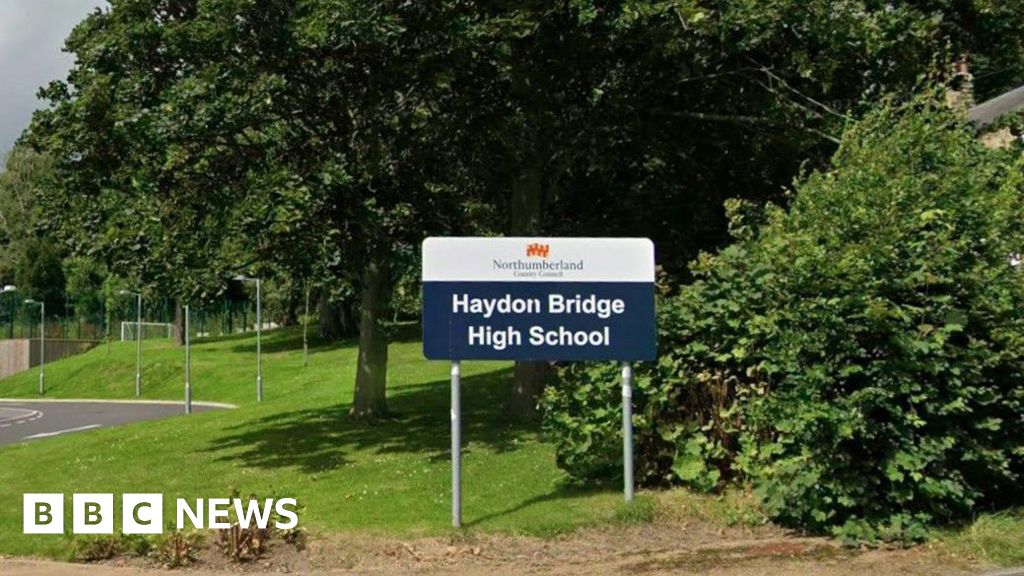
Hexham Hayden Bridge High Students Walk Out Over Bad Behavior

Strikes at Haydon Bridge High School Expose Broader Social Tensions in Education

In Northumberland, teachers and support staff at Haydon Bridge High School are preparing to walk out on two days—November 19 and 25—in a move driven by unresolved issues surrounding disruptive student behaviour and perceived management failures. This industrial action highlights a critical challenge facing many schools nationwide: how social issues directly impact families, education, and community stability. As union representatives from the National Education Union (NEU) and NASUWT rally behind their members, concerns over high suspension levels and an ongoing struggle to maintain safe, productive learning environments have come to the forefront. Headteacher David Nisbet emphasizes that “it is important that the education of the young people we serve is not disrupted by industrial action,” underscoring the delicate balance educators try to maintain amid rising tensions.

Yet, beneath these immediate disputes lies a deeper societal narrative—a demographic and cultural shift impacting school communities, family dynamics, and moral expectations. According to recent Ofsted reports, Haydon Bridge High School, like many institutions across the country, faces challenges stemming from a minority of pupils exhibiting persistent disruptive behaviour, which has led to “high levels of suspension.” The school’s leadership admits that resources are limited, and behavior management remains an ongoing struggle. Sociologists such as Peter Smith have observed that when students face social and economic hardships—factors often linked to broader issues like poverty and family instability—schools become battlegrounds where the societal fabric is stretched thin. The unions’ repeated calls for a “comprehensive behaviour management policy” reveal a demand not only for order inside classrooms but also for the social support systems that underpin community well-being.

This ongoing crisis underscores the real-world consequences for families and communities. Disruptions in education ripple outward, affecting parental engagement, community cohesion, and the future prospects of young people. When schools are forced to suspend students frequently or struggle with safety, it diminishes the confidence families have in their local institutions. Moreover, the challenge emphasizes the importance of fostering an environment where moral and ethical standards are reinforced, and every child is supported in overcoming personal adversities. As historian Dr. James Miller points out, society’s moral health is reflected in how well schools can serve as safe havens for development, especially amid a landscape increasingly marred by social tensions.

  • Union representatives have repeatedly raised alarms about pupil behaviour and its impact on safety, teaching quality, and overall school climate.
  • The school has made recent strides in improving teaching and attendance but continues to grapple with behavioral issues.
  • Government and local authorities are involved, aiming to find solutions before the situation deteriorates further.

As the debate continues, the broader societal narrative remains clear: the stability of our educational institutions reflects the strength of our communities and their moral fiber. The ongoing tensions at Haydon Bridge serve as a microcosm of a society at a crossroads—whether it will resolve its social divides through investment, moral leadership, and community engagement, or succumb to a cycle of disillusionment and disorder. As society stands at this juncture, hope persists in the conviction that through collective effort and moral clarity, the fabric of community life can be mended—restoring a sense of purpose, safety, and hope for future generations. In this delicate dance, the challenge is not only in managing behaviour but in nurturing the moral backbone necessary for society’s resilience and renewal.

Luton School Prepares for Closure to Fix Critical Ceiling Repairs—Safety First for Our Students

Community in Flux: Addressing the Impact of School Repairs on Families and Education

In the heart of communities like Luton, where education serves as the backbone of society, unexpected disruptions to schools reveal much about the ongoing challenges faced by today’s families. The recent closure of Denbigh Primary School for six months, due to necessary ceiling repairs, underscores a broader societal issue: how infrastructure issues can ripple across communities, affecting educational stability, family routines, and social cohesion. Despite being a temporary inconvenience, such measures highlight the urgent need for systematic investment in local schools—an issue that sociologists and community leaders increasingly scrutinize as a failure of policy and priorities.

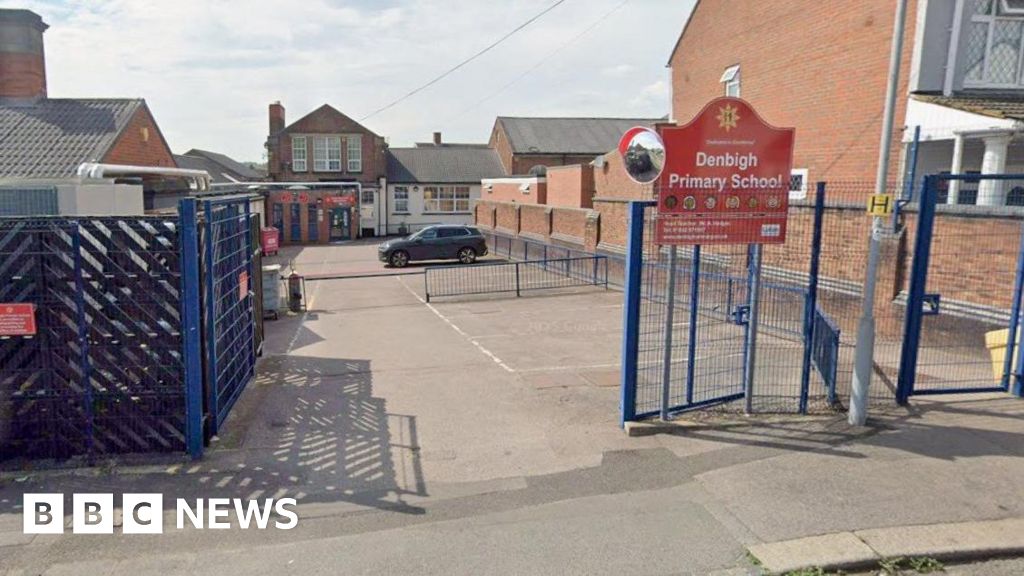
Google The gates outside Denbigh Primary School in Luton.
Students will be moved to a temporary site nearby in January

The decision to relocate students, from January onward, to a temporary site on the Bishopscote Road playing fields until July 2026, is more than just logistical; it exposes the vulnerability of our civic infrastructure. The routine inspection that uncovered the ceiling issues sheds light on a systemic neglect—where routine maintenance often takes a backseat amidst funding constraints and administrative oversight, risking safety and long-term community well-being. As historians like E.P. Thompson have observed, neglect of foundational institutions such as schools often signals deeper societal fissures—fissures that threaten to widen if immediate action isn’t prioritized.

At the core of this issue are

  • the safety of children and staff,
  • the disruption of daily routines for working families,
  • and the collection of socio-economic disparities that often underlie infrastructure deficiencies.

The local authorities emphasize that these repairs are mandatory to preserve the “long-term stability and safety” of the school. Yet, critics argue that such measures should be part of a comprehensive, proactive strategy—rather than reactive fixes—highlighting the importance of investing in building resilient educational environments that can withstand future challenges.

For families, these disruptions translate into upheaval, forcing parents to adapt work schedules and children to face new routines—an emotional toll that can ripple through families’ social fabric. Educational stability is more than just infrastructure; it’s about fostering environments where young minds can thrive without fear or interruption. Addressing these issues calls for not only immediate repairs but also a societal reckoning with *how* and *where* we choose to allocate resources. As social commentators argue, investing in the physical and moral fabric of our schools is an investment in the moral health of our society itself.

Ultimately, society stands at a crossroads: it can continue to neglect the vital institutions that shape its future or embrace a revolutionary approach rooted in proactive investment and community engagement. The challenge is to recognize that social issues are inherently intertwined with infrastructure, education, and family well-being. As communities rally to support their children and staff during this transitional period, they embody a collective hope—a hope that society’s focus will shift from short-term fixes to sustained, meaningful reform. Because in saving our schools, we also save our future generations, reaffirming our shared belief that resilience begins with community action, and hope persists in the steadfast belief that society can, and must, do better.”

Understanding Ofsted: What the New School Ratings Mean for Our Future Students

Society Challenges and Opportunities Amid Ofsted’s New School Inspection System

In a landscape of escalating societal pressures and shifting educational priorities, the recent overhaul of Ofsted’s school inspection grading system marks a pivotal moment. The Office for Standards in Education, Children’s Services and Skills has transitioned from a simplistic, often polarizing judgment model to a more nuanced, detailed approach. Gone are the days of single-word grades—such as outstanding or inadequate—replaced by a comprehensive report card highlighting multiple areas like curriculum quality, inclusion, student wellbeing, and leadership. This transformation aims to provide parents and communities with a clearer picture of a school’s strengths and weaknesses, theoretically fostering better-informed choices and heightened standards across the board.

However, critics warn that this new system, introduced amid emotional and social turmoil, continues to impose overwhelming pressure in an already strained education sector. The tragic death of Ruth Perry, a headteacher devastated by an adverse Ofsted report, propelled protests demanding change. Her story echoes the experiences of countless educators who feel caught between maintaining high standards and coping with an unforgiving inspection regime. Experts such as sociologist Dr. Emma Williams argue that the relentless focus on inspection outcomes can exacerbate social tensions, especially within vulnerable communities where educational inequality persists. With each inspection day, schools bear the weight of societal expectations, affecting not only teachers’ mental health but also the stability of the families they serve. As the new system introduces localized support teams and more frequent oversight, the fear remains that pressure will deepen rather than diminish, impacting families’ trust in educational institutions and community cohesion.

Furthermore, the controversy extends beyond the classroom. The reforms, while designed to foster fairer and clearer assessments, have prompted legal challenges from teacher unions and community groups who fret that the reforms may lead to premature closures or destabilize already struggling schools. With families in marginalized areas often relying heavily on Ofsted ratings to determine the best educational options, misinterpretations or misjudgments can have profound social consequences. The current debate underscores a broader concern—how do we balance accountability with human compassion in education? While proponents argue a more detailed report system will support targeted improvements, social commentators like historian David Wakefield warn that systemic oversight needs to prioritize the human element—children’s mental health, family stability, and community resilience.

The Road Ahead: Society’s Collective Responsibility

The challenge that remains is how to bridge the gap between high standards and social well-being. Education must serve as a foundation for community strength, not just a metric for bureaucratic evaluation. As society grapples with issues of inequality, mental health, and demographic shifts, the role of schools extends beyond academic achievement. They are the heartbeats of entire communities, shaping not only individual futures but also the ethical fabric of society itself. Sociologists like Anthony Giddens emphasize the importance of ensuring that reforms uphold *human dignity* and foster a sense of communal belonging and purpose.

Ultimately, society stands at a crossroads—whether to continue refining inspection systems that can inadvertently contribute to social fractures or to adopt a holistic approach that recognizes the human stories behind the grades. The hope lies in forging an educational future where standards are not just measures of performance but beacons guiding moral growth and community solidarity. As families, educators, and social leaders reflect on society’s collective journey, one truth remains: transformation is possible when rooted in empathy and shared responsibility. Society’s future depends on nurturing not only capable students but resilient communities where every child’s potential can flourish amid the enduring hope of societal renewal.

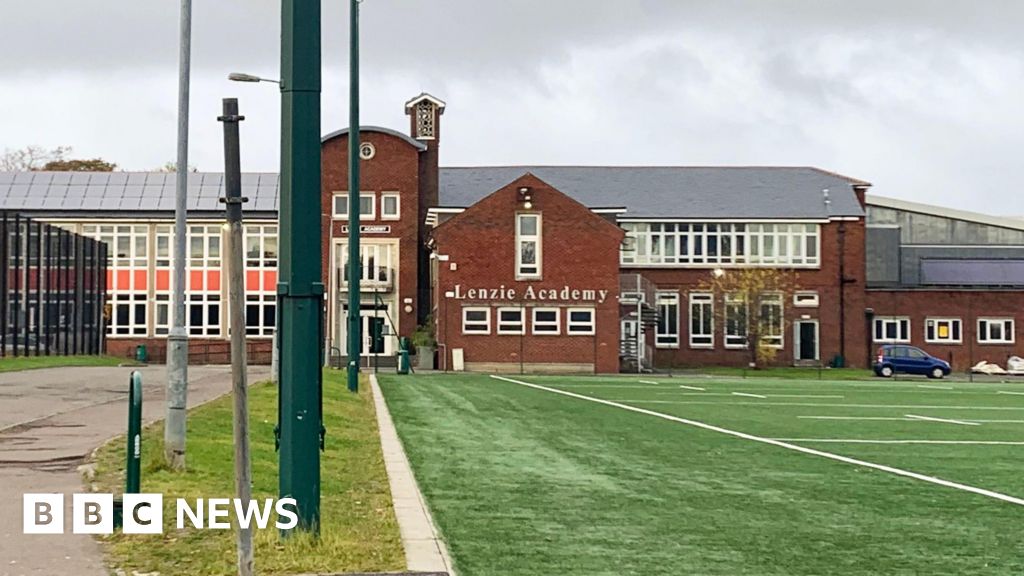
Lenzie School Fire: Serious Risk to Students’ Safety, Report Warns

The state of student safety and school infrastructure continues to be a pressing societal concern, especially as recent reports reveal alarming deficiencies within Lenzie Academy, a prominent secondary school serving over 1,300 pupils in East Dunbartonshire. An independent fire risk assessment, conducted by the council’s fire safety team, uncovered a series of dangerous conditions that not only threaten the physical safety of students and staff but also highlight broader issues of underinvestment, neglect, and systemic failure in local education infrastructure. These findings concern the community at large, shedding light on the direct impact social issues have on families, educational equality, and community resilience.

Among the most critical issues identified in the report are fire safety hazards—notably, fire exits that are not immediately operable, fire doors with damaged self-closers, and missing or broken glass panes. Such deficiencies reflect more than technical oversights; they embody a perceived prioritization of administrative neglect that jeopardizes lives during emergencies. The report’s 25 recommendations, including upgrading fire doors to ensure at least 30 minutes of fire resistance and properly storing combustible materials, underscore the urgency with which these risks need to be addressed. Sociologists like Dr. Lisa Miller argue that inadequate safety measures in schools directly undermine the moral fabric of our society by signaling a disregard for the safety of future generations, eroding trust in our public institutions.

This situation is compounded by the decades of underinvestment and systemic neglect pointed out by parents and teachers alike. A parent, speaking anonymously, accused local authorities of ‘years of neglect and underinvestment,’ emphasizing that Lenzie Academy has been left in a state of disrepair while other schools have received rebuilding efforts. Teachers’ union representatives describe conditions within the school as dangerous and unacceptable, citing not only fire hazards but also water leaks, missing ceiling tiles, and poor building security. This entrenched neglect reveals the societal challenge of ensuring equitable investment in educational infrastructure — a fundamental responsibility that affects families’ access to safe, quality education and the community’s sense of social cohesion.

While officials from East Dunbartonshire Council assert that safety remains a priority and that immediate remedial actions are underway, critics contend that these measures are merely reactive rather than systemic. The challenge remains: how can local governments foster a culture of proactive maintenance and accountability when budget constraints and bureaucratic inertia hinder progress? Social commentators warn that such neglect fosters distrust and disengagement among youth, threatening societal cohesion over time. However, there remains hope. By prioritizing community involvement, transparent accountability, and targeted funding, it is possible to turn these failing infrastructures into symbols of resilience and hope. As the social fabric is woven through each brick and beam we invest in, society’s true strength will be measured in how we repair what is broken and nurture what is fragile. Society’s challenge—and its potential—is etched into the walls of Lenzie Academy; the question now is whether we will choose to rebuild with purpose, ensuring that no child’s safety is compromised in the pursuit of austerity.

University of Nottingham pulls back on music and modern languages courses, impacting students’ futures

University of Nottingham’s Program Cuts Reflect Broader Social and Economic Strains

The recent decision by The University of Nottingham to suspend all modern language and music courses for incoming students signals more than an academic restructuring; it is emblematic of the deeper social, economic, and cultural challenges facing contemporary society. As universities grapple with falling revenue and shifting priorities, they are increasingly prioritizing short-term financial stability over the broader educational mission to cultivate well-rounded, culturally literate citizens. The suspension of these courses, which traditionally foster global awareness and cross-cultural communication, risks further entrenching demographic divides and narrowing the horizons of future generations.

At the heart of this debate lies a troubling trend: a societal move away from the values of cultural exchange and linguistic diversity. Sociologist Dr. Thomas F. Pettigrew has long argued that language is intertwined with identity and social cohesion. When educational institutions curtail these fields, they inadvertently diminish the cultural richness necessary for a vibrant, inclusive society. The potential loss of programs dedicated to languages and the arts not only affects students’ ability to engage in a globalized world but also effectively signals to families and communities that cultural literacy is secondary to economic expediency, thus widening existing social inequalities.

  • Institutions face financial pressures leading to the suspension of courses seen as less profitable.
  • Trade-offs are made that threaten the developmental foundations of student cultural competence.
  • The reduction in programs undercuts societal efforts to cultivate intercultural understanding.

Furthermore, The impact extends deeply into families and local communities. When educational opportunities shrink, especially in subject areas fundamental to societal cohesion, entire communities can experience a loss of cultural vitality. The university’s move to prioritize revenue at the expense of diverse academic offerings underscores a broader societal crisis—namely, the erosion of shared cultural values and the marginalization of less commercially lucrative disciplines. History reminds us that nations built on a rich tapestry of languages, arts, and cultural exchange tend to be more resilient. By undermining these disciplines, society risks impoverishing both current and future generations.

Despite these challenges, there remains a hope for societal renewal. Leaders, educators, and communities must rally to prioritize education as a tool for social cohesion, not merely economic transaction. As social commentator Dr. Jordan Peterson emphasizes, fostering individual responsibility and cultural literacy is vital to restoring societal integrity. The fight to preserve these essential programs is not merely about academic interests but about safeguarding the moral and human fabric that connects us all. Society’s greatest strength lies in its ability to adapt while holding onto core values—a hope that, in the face of economic hardship, can inspire a transformative journey toward a more inclusive, culturally rich future.

In this era of rapid change and economic uncertainty, the question remains: Will society choose the path of cultural preservation and renewal, or fade into the shadows of cynicism and division? The challenge before us is clear—our response will shape not only the future of education but the soul of society itself, as each generation inherits the moral weight of what we uphold and what we relinquish.

Social Media Auto Publish Powered By : XYZScripts.com