Matox News

Truth Over Trends, always!

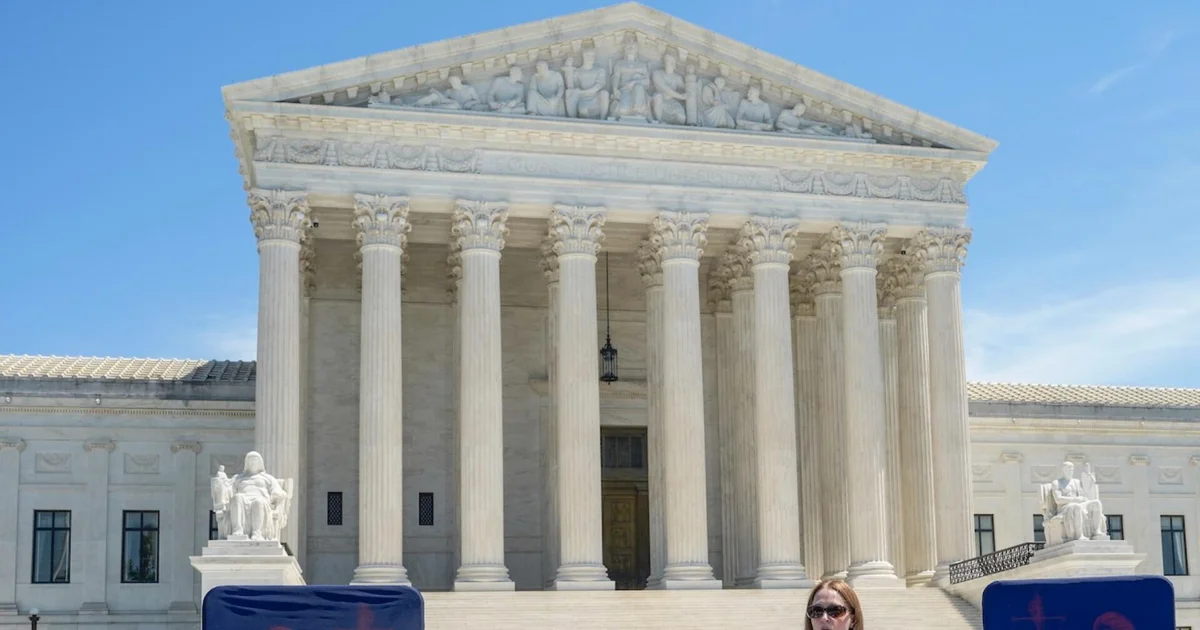
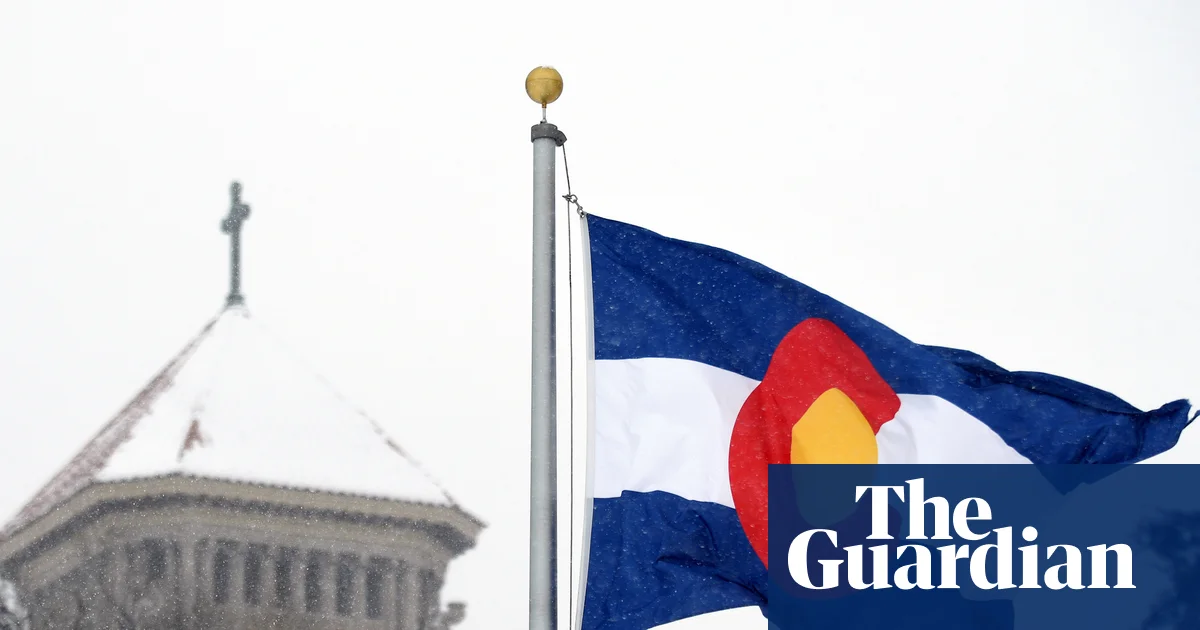
Supreme Court Takes Up Catholic Preschool Funding vs. LGBTQ+ Rights in Colorado

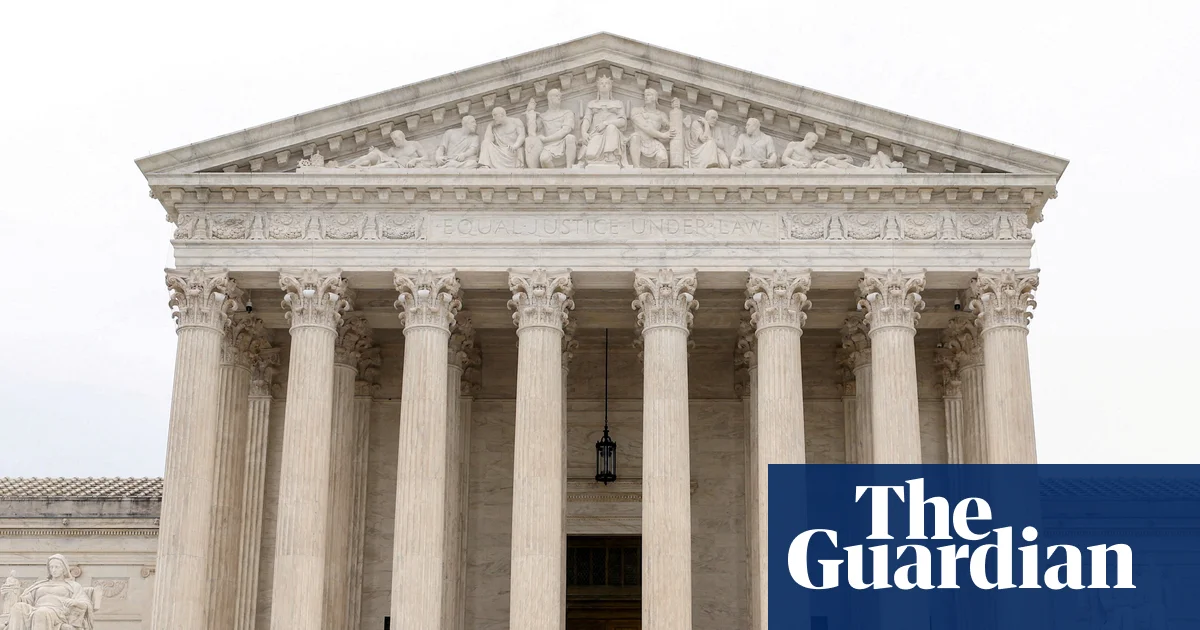
In a decisive move, the US Supreme Court has agreed to hear an influential case that underscores the ongoing tension between religious freedoms and secular state policies. The case involves St. Mary Catholic Parish and the Archdiocese of Denver, which are challenging Colorado’s exclusion of faith-based preschools from a state-funded universal preschool program. The schools argue that this exclusion violates their religious rights—particularly their policies on LGBTQ+ admissions—raising profound questions about the limits of government interference in religious institutions. This case signals the court’s continued engagement with religion-centric issues amid a broader ideological shift that favors religious expression, often at the expense of evolving social norms.

The controversy centres on Colorado’s 2020 ballot measure establishing a program that distributes public funds to preschool centers selected by parents. While the state asserts that participation requires adherence to nondiscrimination laws, the Catholic schools maintain that such mandates infringe upon their constitutionally protected religious practices. The conservative-majority court, which has a track record of adjudicating cases through the lens of individual religious liberty, now faces a pivotal decision with far-reaching geopolitical impact. A ruling in favor of the schools could embolden religious groups nationwide to challenge secular policies, potentially leading to a reconfiguration of how public funds are allocated and which social policies are deemed permissible under the First Amendment.

This case exemplifies a broader pattern where **internationally**, conservative legal principles are driving a redefinition of religious rights. Historian and legal analysts highlight the resurgence of judicial activism in cases involving religious expression, look particularly to Justice Antonin Scalia’s 1990 decision on peyote, which still influences legal debates about religious exemptions. The Supreme Court’s impending consideration of whether to narrow or uphold this precedent underscores the current ideological divide. Some commentators warn that such rulings could erode longstanding secular principles, paving the way for increased religious influence in education, healthcare, and public life—settings crucial for social cohesion and national identity.

  • The case is anticipated to serve as a barometer for how the Court balances religious liberty with anti-discrimination statutes, especially as public opinion shifts on LGBTQ+ rights across multiple nations.
  • Decisions made here could inspire similar legal challenges in other regions, influencing international debates about religious exemptions and the role of government in fostering inclusive societies.
  • International organizations and human rights advocates are closely watching, wary that a tilt towards religious privileging may result in societal polarization or undermine hard-won social justice gains.

As the fall verdict approaches, the weight of history hangs heavily over America’s courts and society. The decision will not merely determine the fate of faith-based preschools in Colorado, but will resonate across borders—calling into question the very nature of religious freedom in a rapidly changing world. Whether the court will uphold a vision of religious expression unbounded by secular law or enforce a more restrictive interpretation remains to be seen. In this unfolding chapter of legal and moral debate, the world watches, acutely aware that the decisions made today will echo through generations, shaping the history of liberty, faith, and social order in the centuries to come.

Apple gears up for Supreme Court fight against Epic, once again.

Apple’s Legal Clash with Epic Games Signals Disruption in App Store Economics

In a move that underscores the ongoing upheaval in digital platforms, Apple is preparing to escalate its long-standing legal battle with Epic Games to the Supreme Court. This legal maneuver aims to challenge recent rulings that limit how Apple can charge developers for external payments, a decision that could reshape the fundamental economics of the App Store model. The case, pivotal in defining the future of app distribution and revenue sharing, arrives at a critical juncture where disruption threatens to upend entrenched business practices.

Technology analysts see this as more than a courtroom skirmish; it’s a reflection of broader industry trends emphasizing innovation and market disruption. The court’s decision, which allows developers to funnel users to external payment options, effectively challenges Apple’s 30% cut. Although Apple has reduced its fee to 27%, critics, including Epic, argue that this marginal reduction fails to address core concerns: the lack of transparency and the potential for monopolistic behavior. As the legal proceedings unfold, the implications extend well beyond Apple and Epic, with Google settling similar disputes by dropping its Store commissions to 20%—a clear signal that the traditional app economy is ripe for overhaul.

Industry experts, such as those at Gartner and MIT, highlight that disruption in app store economics will accelerate innovation in digital transactions. The potential for lower fees and more open ecosystems could favor emerging decentralized app marketplaces and AI-powered interfaces that bypass traditional app stores altogether. This evolving landscape demands that companies adapt swiftly; failure to innovate could result in diminishing market share as consumers gravitate toward AI agents capable of seamless transactions without the constraints of legacy platform fees. The court’s upcoming decision could catalyze a seismic shift, effectively encouraging developers to prioritize alternative distribution channels and spurring investment in disruptive payment technologies.

Expert analyses warn that the legal trajectory indicates that the era of unchecked platform control might be near an inflection point. As the case advances, it underscores a broader “tech renaissance” where disruption and innovation are paramount. The decision handed down could serve as a catalyst for a new wave of monetization strategies, prompting tech giants and startups alike to reimagine how digital goods are exchanged. While this legal showdown continues, the industry faces an urgent call to embrace these changes—those who hesitate risk being left behind in a rapidly evolving digital economy that favors agility, transparency, and consumer empowerment.

Trump to Join Supreme Court Birthright Citizenship Fight—Big Clash Ahead

In a move that could reshape the fabric of American law and have far-reaching geopolitical impact, President Donald Trump is set to attend the United States Supreme Court today as it deliberates a landmark case questioning the legality of his administration’s attempt to end birthright citizenship. This case has ignited a fierce debate over the interpretation of the 14th Amendment, a cornerstone of American constitutional law, and signals a potential shift in the nation’s approach to immigration and its constitutional foundations.

Trump’s executive order, issued upon his return to the White House, declared that children born to illegal immigrants or visa-holders in the United States would no longer be automatically granted citizenship. While lower courts swiftly blocked the order, citing the Citizenship Clause of the 14th Amendment—stating that all persons born on US soil are citizens—the Trump administration countered that the clause was originally intended solely for the rights of former slaves. They argue that the current interpretation—that virtually anyone born within US borders receives citizenship—oversteps the original intent of the amendment, which was passed post-Civil War to secure rights for newly freed African Americans. This interpretation is contentious, as many legal scholars, including those at the Council on Foreign Relations, warn that altering this understanding could undermine decades of legal stability and provoke international backlash, especially from nations with large diasporas seeking to exploit US birthright laws.

The case, titled United States v Wong Kim Ark, originally established in 1898 that birthright citizenship applies regardless of parental nationality, provided the child’s parents had U.S. domicile. The Trump administration now seeks the Supreme Court to revisit and reinterpret this precedent, emphasizing the notion of “subject to the jurisdiction thereof” and claiming that the current scope facilitates practices like birth tourism—a phenomenon where foreigners travel to the US to give birth and secure citizenship for their offspring, incentivizing illegal immigration. Historians such as Prof. Linda Greenhouse caution that such reinterpretations threaten to erode the clarity of the Constitution, risking legal chaos that could destabilize societal order and impact international relations profoundly.

The conservative-majority Supreme Court, which has previously supported Trump’s policies on immigration and national security, is likely to deliver a ruling by the end of June. A ruling favoring the Trump view could revolutionize US immigration policy, prompting an overhaul in how citizenship is awarded and possibly precipitating a wave of legal battles. Such a shift could redefine the face of American society, impacting immigrant communities and sparking internal divisions—an outcome that international analysts predict might weaken America’s moral authority globally. As the world watches, the courtroom drama unfolds into a pivotal chapter in 21st-century geopolitics, with the potential to challenge the very notion of national sovereignty and sovereignty itself.

With the stakes this high, each decision at this juncture of American legal history echoes beyond the borders of Washington and into the geopolitical landscape. As international organizations such as the United Nations monitor the proceedings, the possibility of a redefined US citizenship law raises questions about the future of global migration, refugee policies, and the stability of bilateral relations. The course resolved today will either reinforce the constitutional safeguards that have underpinned American identity for over a century or mark a new era of ambiguity and upheaval. As history’s pen hovers over this momentous chapter, the weight of unseen consequences presses down—reminding all that the decisions made today will shape the world’s order for generations to come.

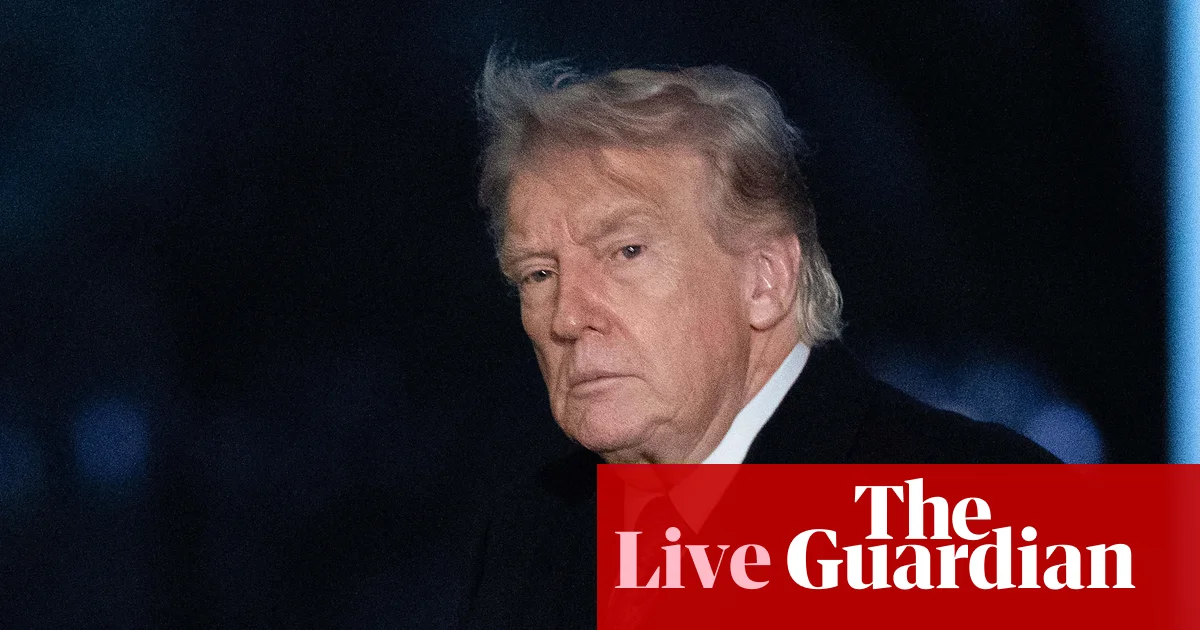
Trump slams Supreme Court on tariffs in late-night social media blast—US politics update

Global Implications Unfold as Donald Trump Challenges Judicial Limits on Tariffs

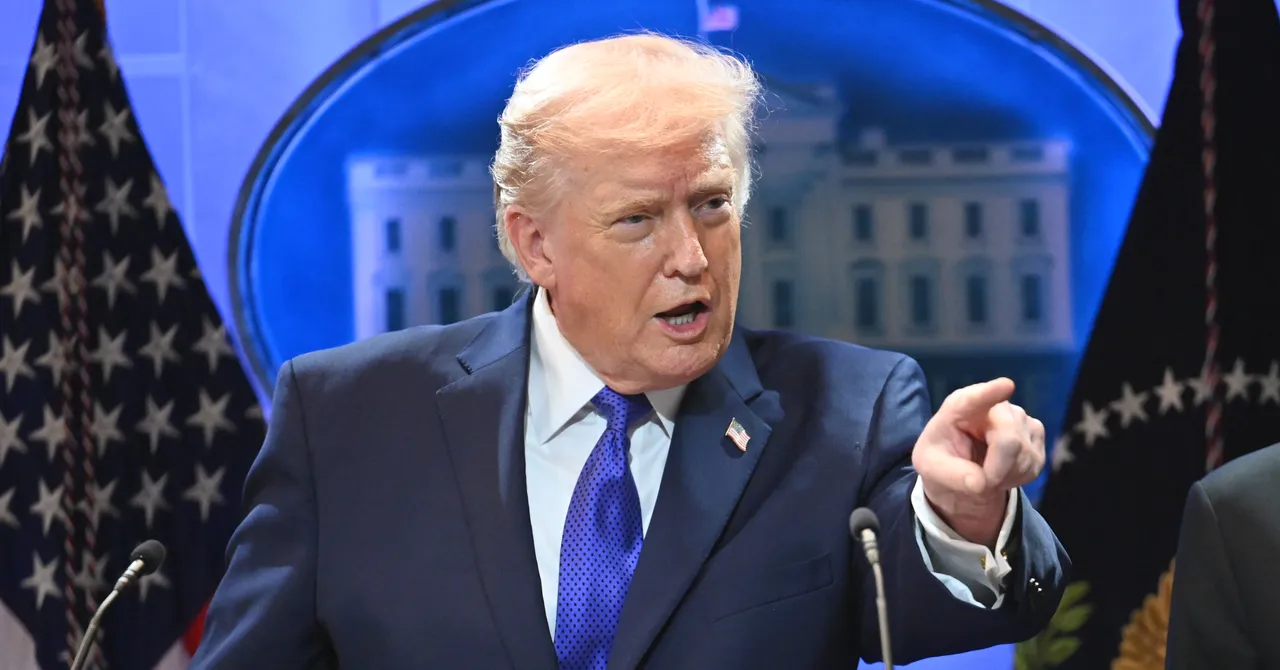
In an aggressive display of executive assertion, Donald Trump publicly decried the recent Supreme Court ruling which deemed many tariffs imposed during his administration illegal. This confrontation inside the United States highlights a broader geopolitical struggle over economic sovereignty and international trade authority. Trump’s declaration that he possesses the “absolute right” to impose tariffs by alternative legal means underscores a potent assertion of presidential power, capable of unsettling the delicate balance of American constitutional and international law.

Historically, these disputes trace back to vital debates on the limits of executive authority in commerce and crises. Experts like constitutional law scholars note that Trump’s accusations—claiming the judiciary has “unnecessarily RANSACKED” the nation—are more than personal grievances; they reflect a rising trend among nationalists advocating for unrestricted economic sovereignty. International organizations such as the World Trade Organization have warned that such bold assertions could threaten the global trade order, especially in the context of ongoing contentions with China and European countries. As analysts argue, the independent judiciary has acted as a crucial check on presidential overreach, yet Trump’s rhetoric signals a potential shift toward executive dominance over international trade rules.

Recent U.S. government responses—including reinstating tariffs under different statutes—signal an intent to preserve leverage in global markets. The administration’s swift implementation of 10% tariffs under *Section 122 of the 1974 Trade Act* reveals an effort to navigate around judicial setbacks, yet these are only temporary, set to expire in July. Meanwhile, US officials are investigating for new, permanent tariffs, signaling that economic warfare remains a central aspect of America’s geopolitical tactics. The strategic resonance of these moves is felt across continents: as the U.S. flexes its economic muscles, allies and rivals alike brace for the ripple effects of a nation reasserting its tariff sovereignty amidst rising international tensions.

Adding to the global stakes is the Trump administration’s posture toward China and Iran. His hinted delay of a summit with Xi Jinping over the Iran conflict illustrates how domestic legal challenges ripple outward, potentially delaying diplomatic initiatives with major powers. International observers, including European diplomats and think tanks like the International Crisis Group, note that such delays complicate ongoing efforts to stabilize the Middle East and confront regional threats. The intertwining of domestic legal disputes with international diplomacy illuminates the profound turning point in how national leaders exercise power—posing questions about the future of international legality versus unilateral executive action. As the weight of history presses upon this moment, the world watches, knowing that these decisions will echo in geopolitics for decades, shaping alliances, sovereignty, and stability in uncertain times.

Trump officials launch effort to restore tariffs after Supreme Court ruling

In a decisive move that signals a staunch commitment to safeguarding American economic interests, the United States under the Trump administration has launched a new trade investigation targeting manufacturing practices abroad. This initiative, initiated under Section 301 of the Trade Act of 1974, aims to reassess foreign imports and could pave the way for the reintroduction of tariffs — a tool previously deemed unconstitutional by the Supreme Court earlier this year. The administration’s clear message underscores a broader strategy to counterbalance what it perceives as unfair foreign trade advantages, especially from China and a host of other major global players, including the European Union, Japan, and India.

The renewed push for tariffs comes amidst a landscape of heightened geopolitical tensions and economic uncertainties. With the global economy still reeling from the past year’s volatility, the move could threaten to destabilize existing trade frameworks. As analysts warn, the revival of tariffs might spark a new wave of international retaliation and economic discontent. The administration’s focus on foreign subsidies, labor suppression, and persistent trade surpluses signifies a strategic emphasis on eradicating domestic unfair competition. Historically, similar policies have ignited trade conflicts that ripple through economies, affecting supply chains, consumer prices, and diplomatic relations. Experts from organizations such as the World Trade Organization observe that such aggressive tactics may ultimately undermine international cooperation — and, by extension, global stability.

Furthermore, this initiative is set against the broader geopolitical matrix shaped by ongoing conflicts and alliances. The Iran crisis, with its potential to escalate, overlays the economic maneuvering, as the U.S. seeks to leverage trade policies to assert dominance in the Middle East and beyond. Meanwhile, the impending midterm elections serve as a political catalyst, with Democrats framing tariffs as a betrayal to American consumers and workers, promising refunds and economic relief. How this tug-of-war plays out could define the trajectory of U.S. foreign policy and influence the global balance of power for years to come.

  • The investigation will consider foreign countries’ excess industrial capacity and government backing that distort market fairness.
  • It targets nations like China, South Korea, and Vietnam, scrutinizing trade surpluses, subsidies, and wage suppression.
  • The policy also introduces a section 301 investigation aimed at banning imports produced under forced labor conditions.

Such measures reflect a calculated effort by the Trump administration to reshape the landscape of international commerce, seeking to reclaim lost revenues and enforce a tough stance on globalization. Historians and trade analysts caution that in the pursuit of protecting American jobs, unintended consequences could include a trade war that might threaten to unravel the very economic stability they aim to preserve. The timeline remains tight, with tariffs set to rise again, and the political stakes high, as both domestic and international audiences watch closely. The weight of history — and the future — hangs in the balance, as the world braces for a new chapter defined by fiercely contested economic sovereignty and the relentless pursuit of national advantage, leaving the global order still teetering on the edge of transformation.

Trump hits back with new tariffs to dodge Supreme Court ruling

US Implements New Tariffs Amid Shifting Trade Policies, Igniting Innovation Risks for Tech Sector

In a bold move that underscores the increasing unpredictability of American trade policy, President Trump has announced a new 10 percent tariff on nearly all imports, effective February 24, 2026. This decision follows a recent Supreme Court ruling that overturned the bulk of tariffs previously imposed last year, highlighting the deepening complexities faced by global supply chains. The policy, rooted in Section 122 of the Trade Act of 1974, grants the administration sweeping powers to impose tariffs during trade deficits, significantly disrupting the established flow of goods—most notably in critical sectors like technology, manufacturing, and raw material sourcing.

The implications for innovation and disruption are profound. With tariffs impacting key components such as semiconductors, rare earth minerals, and critical tech inputs, U.S. industries may face increased costs and supply chain friction. Industry leaders, including giants like Apple and Intel, are already sounding alarms over potential delays and rising expenses that could stifle product development and market competitiveness. For emerging tech startups, these tariffs could represent a barrier to innovation, impeding access to essential foreign supplies and elevating costs at a time when technological leadership is fiercely contested. Less access to affordable components risks undermining the U.S.’s position as a global tech powerhouse, potentially ceding ground to competitors in Asia and Europe who could capitalize on these disruptions.

Furthermore, the strategic deployment of tariffs via Section 122—a rarely used authority—attests to a broader shift in U.S. trade policy. Experts like Gregory Husisian from Foley & Lardner LLP describe this move as a “bridge authority,” designed to leverage temporary measures while preparing for subsequent regulatory maneuvers. In this context, the U.S. government is positioning itself for a protracted battle during which it can invoke other measures, such as Section 301 and Section 232 investigations, to target unfair trade practices or national security threats. These tactics, combined with the suspension of the de minimis exemption, threaten to introduce _massive logistic bottlenecks_ in e-commerce and global trade networks, amplifying costs for consumers and businesses alike.

The broader business implications are unmistakable. As Elon Musk and Peter Thiel have emphasized, technological disruption is not merely about innovation but also about strategic adaptability. The ongoing tariff saga underscores a fundamental warning: in an era where geopolitical tensions escalate, companies must prioritize resilience and agility. The potential for prolonged tariff-related litigation—especially over refund processes and appeals—further amplifies the climate of uncertainty, compelling businesses to adapt swiftly or face obsolescence.

Looking ahead, this policy signals a sharp pivot toward a more protectionist U.S. economy, intensifying the stakes for innovators who rely on global supply chains. Time is of the essence; the window for strategic adjustment is closing swiftly. Industry observers and policymakers alike must recognize that these measures, if sustained or expanded, could reshape the global tech ecosystem—favoring those who innovate swiftly and adapt decisively. As the world watches, the urgency for U.S. companies to rethink supply chain strategies and sharpen their competitive edge has never been greater—an inevitable race toward a future where disruption is the new norm, and only the most agile will thrive.

‘Marty Supreme’ | Exploring a Defining Moment in Modern Cinema

In an era saturated with fleeting digital spectacle, the enduring power of culture as a vessel of identity, tradition, and societal memory remains vital. The creative process, exemplified vividly in the work of filmmakers like Josh Safdie, underscores that beneath the veneer of modern entertainment lies a profound dialog with history, human aspiration, and collective identity. Safdie’s meticulous craftsmanship—integrating evocative imagery, layered soundscapes, and carefully choreographed performance—recalls the insights of Ortega y Gasset, who argued that society’s true strength resides in its cultural fabric, a tapestry woven through shared stories and artistic ethos. It is through these stories that we preserve our history and plant the seeds of future meaning, uniting generations in a dialogue that transcends time.

Safdie’s depiction of iconic moments—such as the cinematic reference to billiards champion Bela Kletzki or the stylized presentation of Kay Stone, played with tragic grace by Gwyneth Paltrow—serves as a reminder that artistic expression is inherently political. The scene’s orchestration—grounded in visual and sonic symbolism, from the heavenly choir to the iconic apple—becomes a reflection of cultural rituals surrounding triumph, failure, and the fleeting nature of fame. This echoes T.S. Eliot’s view that “what we call the beginning is often the end,” reminding us that culture is not only a reflection of where we come from but also a prophecy of where humanity may go. It acts as both mirror and lamp, capturing our historical desires while illuminating the path forward.

  • Memory as foundation: Culture preserves the echoes of the past, giving voice to tradition across generations.
  • Creativity as rebellion: Artistic innovation often challenges the status quo, fostering societal renewal.
  • Shared stories as identity: Our collective narratives form the bedrock of cultural unity, mitigating chaos and inspiring hope.

Such reflections align with the thoughts of thinkers like Chesterton, who championed the idea that the true function of art is to affirm life in its full richness. In Safdie’s meticulous attention to detail—capturing the glory of 1949 newsreel championships or the subtle joy of Timmy’s laughter—there is an affirmation of life’s grandeur, its nobility, and its tragedy. Not simply entertainment, these moments serve as cultural touchstones, anchoring society in a shared sense of purpose and aspiration. As Tocqueville observed, democracy and culture are intertwined; both flourish in a landscape where the populace values tradition as a means of collective self-realization. Culture thus becomes both shield and sanctuary, a means to uphold the values that forge common ground amid societal tumult.

In the end, the essence of culture manifests as a poetry of memory and prophecy. It whispers of who we are and warns of who we might become, whispering through the ages the enduring melody of humanity’s quest for meaning. Like a well-composed film or a timeless song, our cultural heritage reminds us that we are both heirs and prophets—stewards of an ongoing story that, in its most profound expression, is both a reflection of our past and a blueprint for our future. It is within this silent dialogue—between memory and hope—that we find the true vitality of our human spirit, forever reaching toward the horizon of what is yet to come.

Supreme Court Signals Power Boost for Trump to Fire Feds

The United States, a nation long proud of its constitutional checks and balances, finds itself at a pivotal moment as the Supreme Court faces a significant case that could reshape the landscape of federal agency independence. The case, Trump v Slaughter, hinges on whether President Donald Trump legally had the authority to dismiss Rebecca Slaughter, an FTC commissioner appointed to enforce laws protecting consumers and fair competition. This legal confrontation exposes raw tensions over the extent of presidential control and the durability of longstanding bureaucratic protections, a debate rooted in the legal history that spans almost a century.

At the heart of the dispute is a foundational question concerning the nature of presidential power versus independent agency autonomy. During the oral arguments, the conservative justices appeared to align with Trump’s position that the President should have broad authority to oversee and, if believed necessary, remove commissioners—an idea strongly opposed by liberals and legal scholars emphasizing the importance of independent agencies. Historically, agencies such as the FTC, established in 1914, were designed to operate free from presidential interference to ensure impartial enforcement. Congress explicitly limited presidential removals for commissioners to “inefficiency, neglect of duty, or malfeasance,” illustrating a clear legislative intent to shield these entities from political pressure.

However, the Trump administration’s legal team challenged this framework, labeling the historical “Humphrey’s Rule” as an “indefensible outlier” that hampers the executive’s capacity to enforce the law effectively. Such arguments resonate with many who believe that a strong presidency must be able to swiftly remove officials obstructing policy objectives, especially in a turbulent political climate. Researchers and political analysts warn that overturning this precedent could fundamentally weaken the American system of calibrated agency independence, possibly leading to increased politicization of bureaucracies. The prospect of the court dismantling a 90-year-old precedent raises alarms about the future of American governance, with critics arguing that it may open a Pandora’s box of executive overreach.

The decision from the court will have profound geopolitical impact. As the world watches, the ruling could influence how other democracies structure their administrative independence, especially as concerns about authoritarian tendencies grow. The International Monetary Fund (IMF) and World Bank acknowledge that stable and independent institutions are vital for global economic stability; a shift in U.S. doctrine could send ripples across global financial markets and international diplomacy. Historians like Dr. William Novak warn that the sovereignty of government agencies forms a cornerstone of modern liberal democracies; undermining this independence risks a dangerous erosion of the rule of law and democratic accountability.

As the court’s decision looms, history continues to unfold. Whether the conservative majority will uphold the principle that agencies like the FTC can operate shielded from political interference or endorse a stronger presidential hand remains to be seen. Yet, the very fabric of how America’s government functions — its balance of power, accountability, and independence — hangs in the balance. One thing is certain: the longer this conflict persists, the clearer it becomes that the forces shaping the future of American governance are deep-rooted and fiercely contested. In this moment, history’s pen is poised, and the weight of the next decision could redefine the contours of American power and liberty for generations to come, a testament to the ongoing struggle over who truly holds the reins of the world’s most influential democracy.

Supreme Court to weigh Trump’s bid to end birthright citizenship—what’s at stake?

US Supreme Court to Decide Future of Birthright Citizenship and Its Geopolitical Consequences

The United States stands at a pivotal crossroads as the Supreme Court prepares to decide on the legitimacy of Donald Trump’s executive order that seeks to restrict the constitutional guarantee of birthright citizenship. This significant legal battle stems from Trump’s attempt to reinterpret the 14th Amendment, ratified in 1868, which guarantees automatic citizenship to every individual born on U.S. soil. The case, Trump v Barbara, has ignited fierce debates around legal authority, immigration policy, and the very fabric of American identity.

The dispute centers on a direct challenge to a long-standing principle that has shaped U.S. society for over a century. Under President Trump’s order, if upheld, tens of thousands of children born in the U.S. annually could lose their citizenship if their parents are undocumented or temporarily residing in the country. The policy would deny these children access to vital government programs like Medicaid, food aid, and educational benefits, altering the socio-economic landscape for future generations and raising grave questions about how society treats its most vulnerable. Legal analysts suggest that such a move, if legalized, would signal a major shift in immigration policy—effectively redefining what it means to be an American at a fundamental constitutional level.

Historically, the U.S. has been among the roughly 30 nations worldwide that extend automatic citizenship to anyone born on their territory. Countries like Canada and Mexico have similar policies, framing them as both humanitarian standards and statements of national sovereignty. However, critics argue that Trump’s legal push—underpinned by a fringe interpretation of the 14th Amendment—aims to curtail immigration, particularly from Latin America and other regions viewed with suspicion by the current administration. The American Civil Liberties Union (ACLU) and numerous legal scholars have vocally opposed the executive order, asserting it violates the fundamental constitutional rights rooted in over 150 years of American legal tradition.

Internationally, this legal challenge signals a broader geopolitical impact. As global powers observe the U.S. re-assessment of its immigration and citizenship norms, foreign governments and international organizations are left to grapple with the implications. Many view the U.S. as a leader in human rights and legal standards; thus, altering its constitutional interpretation risks undermining its credibility on the world stage. Political analysts warn that such internal shifts could embolden other nations to reevaluate their own citizenship policies, potentially fueling regional instability and further complicating transnational migration patterns. The decision by the Supreme Court, expected in early summer, will not simply determine the fate of a legal principle but could recalibrate America’s role as a land of opportunity versus a fortress of exclusion.

As historians and international observers chart the turbulent waters of this legal showdown, the weight of history presses heavily upon the courtroom. What is at stake is not only the future of countless children and families but the very identity of a nation built upon the promise of equality and opportunity. The Court’s ruling will echo across generations, shaping the narrative of America’s commitment to its foundational ideals or signaling a profound departure into a more restrictive, divided society. In the unfolding chapters of this legal saga, the world watches—and the true story of what it means to be an American continues to be written, one verdict at a time, leaving a legacy that history may one day question as either a beacon of hope or a cautionary tale of loss and division.

Supreme Court to Decide on End to Birthright Citizenship Refund

The United States stands at a pivotal moment that could redefine its foundational principles and ripple across the international stage. The Supreme Court of the US has agreed to hear a landmark case questioning the long-standing interpretation of the 14th Amendment, which guarantees birthright citizenship to those born within America’s borders. This legal confrontation not only highlights internal ideological battles but also threatens to shift the geopolitical landscape, especially in a world where migration, sovereignty, and identity are fiercely contested.

Since its inception in the aftermath of the American Civil War, the 14th Amendment has been the bedrock of US citizenship law, asserting that “all persons born or naturalized in the United States, and subject to the jurisdiction thereof, are citizens.” However, recent efforts led by President Donald Trump, who on his first day in office signed an executive order to end birthright citizenship, sought to challenge this constitutional guarantee. Although courts initially blocked such attempts on constitutional grounds, the ongoing judicial review underscores a broader ideological divide. Historians and legal analysts warn that a ruling against birthright citizenship could set a precedent compelling other nations to reconsider their own immigration policies, ultimately fostering a more exclusionary and nationalist global order.

Globally, around 30 countries, predominantly in the Americas, currently grant automatic citizenship to anyone born within their borders, reinforcing their sovereignty and social cohesion. America’s unique position—its acknowledgment of jus soli (right of the soil)—has historically underpinned its image as an immigrant nation. But the debate now, amid rising migration flows and national security concerns, resonates with many European nations questioning porous borders and expanding population pressures. The International Organization for Migration (IOM) and other international bodies have expressed concern that this legal challenge to US citizenship could embolden similar nationalist movements worldwide, undermining centuries of diplomatic cooperation around migration and human rights.

Furthermore, geopolitical implications extend beyond legal doctrines. Countries in Latin America, where migration to the US has profound economic and social impacts, watch closely. A possible rollback of birthright citizenship could invigorate nationalist rhetoric and fuel regional stability issues, especially if neighboring nations adopt protective measures in response. How the US navigates this legal battle will influence diplomatic relations and migration policies, shaping a new era of international politics marked by heightened sovereignty debates and the reassertion of national identities. As analysts warn, the choice made by the Supreme Court will resonate far beyond American borders, echoing through the corridors of power in capitals across the world.

In this unfolding chapter of American history, the stakes are clear: the court’s forthcoming decision will not only determine the fate of millions of individuals but also serve as a stark symbol of the nation’s soul. Will the US uphold its centuries-old promise of equal rights for all, or embrace a new era of exclusion that could threaten global stability? As history continues to write itself in the courtroom, the world waits, aware that the outcome will indelibly shape the geopolitical map and define what it means to be a nation in the modern age. The weight of this decision—fraught with ideological clashes and constitutional debates—reminds us that the true battle is for the soul of a nation, and perhaps, for the future direction of the entire Western world.

Social Media Auto Publish Powered By : XYZScripts.com