Matox News

Truth Over Trends, always!

New Zealand Urges US for Fuel Tankers to Support Pacific Amid Iran Tensions

The escalating conflicts in the Middle East are exerting unprecedented pressure on regional economies, prompting a diplomatic response that could reshape the geopolitical landscape of the Pacific. New Zealand, a nation long regarded as a middle power with a cautious approach to international alliances, has called on the United States to deploy fuel tankers to alleviate the pressing fuel shortages impacting Pacific island nations. This development underscores a broader geopolitical shift, illustrating how small nations are now actively engaging with global superpowers to safeguard their economic futures amid turbulent times. Meanwhile, the US seeks to avoid escalation in Iran after diplomatic efforts led to a temporary ceasefire, reflecting how interconnected global security is becoming.

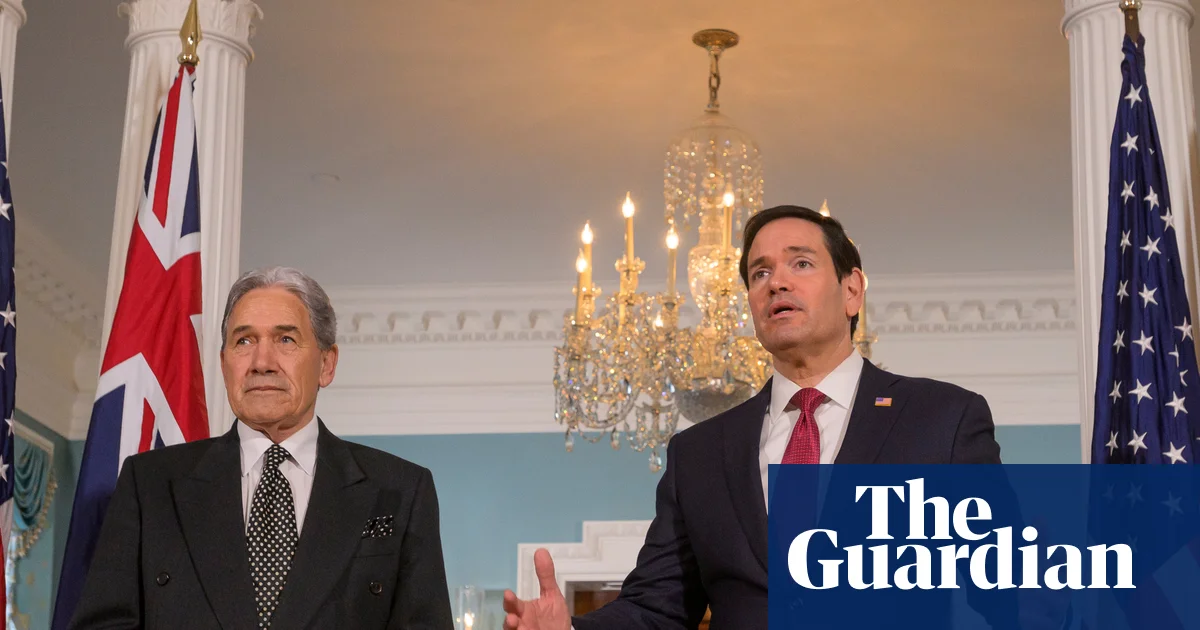
During a high-stakes meeting in Washington, Winston Peters, New Zealand’s foreign minister, explicitly highlighted how the war’s ripple effects threaten the stability of the entire Pacific region. He stressed that the war’s economic fallout is not confined to the Middle East but extends to Pacific nations heavily dependent on imported fuel.

  • The Pacific island nations, such as Samoa and Tonga, have already expressed their fears over potential fuel shortages, with leaders appealing for international assistance.
  • New Zealand has taken the initiative to lobby for emergency fuel supplies, requesting the US to prepare ancillary tankers—a move that could set a precedent for regional cooperation in crisis management.

Such requests expose the vulnerabilities of a region that, historically, has relied on external suppliers for critical resources. The geopolitical impact of this shift is profound; Washington’s response will not only influence regional stability but may also serve as a test of its commitment to its allies amidst an era of strategic retrenchment.

Adding further complexity, the recent diplomatic breakthrough between US and Iran, facilitated by Pakistan, demonstrates the delicate balance of global diplomacy. While a two-week ceasefire may suggest a temporary thaw, the implications reverberate far beyond the immediate conflict zone. Some analysts warn that such short-term measures mask deeper geopolitical rivalries and could reset the clock for renewed conflict, especially considering the US president’s overt threats against Iran—warnings pointedly dismissed by officials like Peters as reckless. This international subplot exemplifies the precariousness of current diplomacy: fragile agreements that could quickly unravel, dragging the Pacific and beyond into further instability.

As New Zealand and its Pacific neighbors brace for economic shocks, their reliance on external powers places them at a geopolitical crossroads. Countries in the Pacific are increasingly caught between major influences—be it the US, China, or regional actors—and must navigate this shifting terrain with adept diplomacy. The stakes are high: economic lifelines hinge on international cooperation, but the broader picture signals that the era of relative regional stability may be giving way to a new chapter of strategic contestation. History is still being written through these pivotal moments—each decision, each alliance, shaping the future of a region and the world at large, in ways that could echo for generations to come.

Ukraine targets Russian tankers in Black Sea escalation

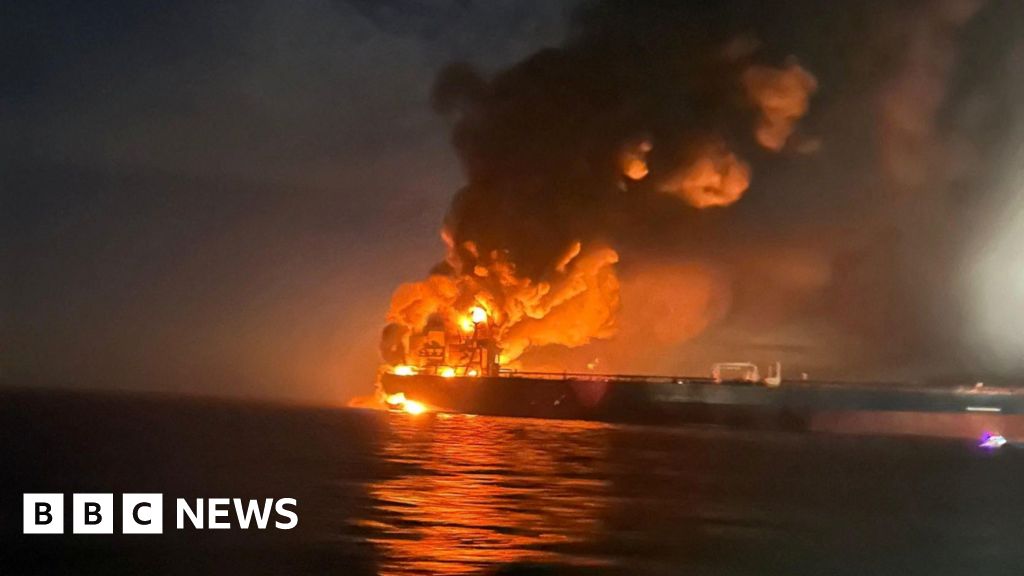
In a striking demonstration of the ongoing geopolitical conflict in Eastern Europe and the Black Sea region, Ukraine has reportedly launched a series of naval drone attacks against Russia’s shadow fleet vessels. Ukrainian officials confirmed that two oil tankers—named Kairos and Virat, both registered under the flag of Gambia—were targeted while traversing the contested waters near Turkey. Footage verified by the BBC shows waterborne drones, believed to be of Ukrainian design, speeding into the vessels before detonating into flames, creating plumes of black smoke. No casualties were reported, but the message was loud and clear: Kyiv is willing to escalate its efforts to undermine Russia’s resource-based revenue streams.

This escalation underscores a broader strategic shift aimed at crippling Russia’s financial capacity during its ongoing invasion of Ukraine. The vessels targeted are part of what analysts refer to as China’s “shadow fleet”: a network of aged, obscurely owned tankers used by Russia to circumvent international sanctions. Such actions are not isolated; they reflect Kyiv’s strategy to directly disrupt Russia’s economic lifelines, especially its oil exports, which are vital for funding its military campaign. International security experts, including those at the International Crisis Group, warn that these asymmetric tactics demonstrate that the conflict has extended beyond conventional battlefield engagements into the realm of economic sabotage.

Adding international complexity, Turkish authorities confirmed their cooperation in trying to control the repercussions of these attacks, with footage circulating of Turkish forces attempting to extinguish fires on the targeted ships. Meanwhile, the Black Sea remains a geopolitical flashpoint, with recent disruptions impacting broader trade routes and regional stability. The Ukrainian naval push is a stark warning to Moscow: ships carrying Russian oil are no longer safe from direct attack, signaling a new phase of relentless economic warfare. This move also coincides with a report that a major oil consortium has suspended operations in the Russian port of Novorossiysk, citing the recent attacks by unmanned boats—an ominous indicator of the war’s reach into commercial corridors.

On the diplomatic front, Ukrainian President Volodymyr Zelensky announced that a high-level delegation led by security official Rustem Umerov had traveled to the United States in pursuit of negotiations aimed at ending the conflict. This development comes amid internal political turbulence, following the resignation of Zelensky’s chief of staff, Andriy Yermak, after anti-corruption investigations. The delegation’s upcoming meetings with American officials in Florida signify a pivotal moment in Kyiv’s diplomatic strategy, attempting to secure continued Western support at a crucial juncture. Meanwhile, in Moscow, Russia continues to assert its presence, with US envoy Steve Witkoff preparing for discussions in the coming week—highlighting a global stage where diplomacy and military actions become increasingly intertwined.

The unfolding story in the Black Sea reflects a rapidly evolving vortex of violence, diplomacy, and economic warfare. Historians and security analysts warn that these developments mark a pivotal chapter in the ongoing struggle for regional dominance—one where the actions of a young nation like Ukraine threaten to reshape the geopolitical contours of Eastern Europe and beyond. As the world watches, one question rings ominously in the air: **How will history remember this relentless fight for sovereignty and strategic influence?** The answers remain uncertain, yet the weight of each decision echoes as a testament to a period of profound transformation—where the sea itself becomes a battleground for the fate of nations.

Social Media Auto Publish Powered By : XYZScripts.com


