Matox News

Truth Over Trends, always!

Reeves Targets Benefit Fraud and Raises Two-Child Limit in Budget 2025

UK’s Domestic Policy Moves as Global Power Dynamics Shift

The recent fiscal blueprint announced by Britain’s government underscores a strategic pivot amid mounting economic pressures and escalating international tensions. The decision to scrap the two-child limit for universal credit—a measure long criticized for exacerbating child poverty—marks a significant shift in the nation’s social welfare approach. At a glance, this move appears to prioritize social cohesion and political stability domestically; however, its implications stretch far beyond, influencing the broader balance of power in Europe and the Atlantic alliance. The announcement coincides with a broader effort to project resilience against inflation and rising public debt, with officials emphasizing cost-cutting measures such as freezing rail fares and levies on electricity bills.

Yet, the government’s fiscal strategy faces fierce opposition from both domestic and international analysts. Conservative and reformist voices have criticized the increase in welfare spending as irresponsible, especially against the backdrop of rising taxes for working families. The opposition Labour Party under Sir Keir Starmer defends the budget, arguing that such investments are necessary to uphold social fairness, despite attempts by critics like Kemi Badenoch to frame the policies as a “tax burden on working people.” Meanwhile, the Libertarian-leaning Liberal Democrats warn that further freezes in tax thresholds will push millions into higher tax brackets, stifling economic growth at a critical juncture. This domestic drama underscores a broader geopolitical contest—one where economic stability and social policy serve as battlegrounds for influence and legitimacy.

Internal Controversies and International Repercussions

Amid the government’s focus on welfare reform, questions arise globally about what these changes signify for the UK’s position on the international stage. The proposed reforms to disability benefits and potential cuts to schemes like Motability have triggered protests from disability groups, reflecting a reckoning with social justice policies at a time when the UK seeks to solidify its global image. Historians suggest that these internal struggles reveal the tension between post-Brexit sovereignty and the obligation to adhere to international human rights standards, especially in a climate where international organizations are increasingly scrutinizing national social policies. Furthermore, the UK’s focus on increasing taxes on high-value properties and electric vehicle levies signals an attempt to align fiscal policies with green priorities while balancing public revenues, but critics warn that such measures could alienate middle-class voters whose socioeconomic stability depends on fair taxation.

The impact is particularly palpable when viewed through the lens of geopolitical impact: as the UK recalibrates its domestic policies, especially in welfare and fiscal responsibility, it risks losing influence within broader Western alliances, particularly with Europe grappling with economic uncertainty. The move to increase taxation on the wealthy and properties valued above £2m suggests a conscious effort to re-distribute wealth, but also raises concerns regarding how global financial markets will interpret these signals. Economists warn of the possibility of capital flight and reduced foreign investment if perceptions of fiscal instability persist, directly affecting the UK’s ability to project soft power within European and global forums. This internal political maneuvering, therefore, holds profound consequences for international stability: a nation balancing its social priorities while navigating an increasingly competitive geopolitical landscape.

Conclusion: The Epochal Choices Define the Future

As Britain crafts its new austerity measure and social policy landscape, the weight of history presses heavily upon its shoulders. The decisions made today—discussed among politicians, analysts, and international institutions—will ripple across generations, shaping perceptions of justice, economic resilience, and national sovereignty. This is a moment of transition—one that could redefine the UK’s role on the world stage as it faces internal dissent and external pressure. Will these reforms forge a resilient society capable of withstanding global upheavals, or will they fracture the social fabric that once made the nation a beacon of stability? The answers lie ahead, etched into the unfolding chapters of history where every policy, every debate, leaves an indelible mark on the collective destiny of nations.

Family of missing Colombian youth demand answers after U.S. strike targets suspected drug vessel

In the vibrant coastal regions of Colombia and Venezuela, a quiet lifestyle revolves around the sea — a life rooted in tradition, community, and the pursuit of peace amidst turbulence. Yet, recent US military strikes targeting alleged drug-trafficking vessels have cast a shadow over these once tranquil waters. These covert operations, justified by American officials as efforts to combat narco-terrorism and drug-related violence, have sparked fierce debates about legality and human rights, raising questions about the true cost of national security measures. The stories of local fishermen, like Juan Assis Tejeda and others, reveal a sobering reality: they fear that innocent lives, livelihoods, and even civilians might be caught in the crossfire of international politics.

The US claims that these strikes are necessary defenses against criminal networks that threaten regional stability and American lives, citing an increase in cocaine seizures and the rising toll of fentanyl in the US as evidence. However, critics, including international law experts and local communities, argue that these actions resemble extrajudicial killings—a stark departure from the rule of law that emphasizes arrest, trial, and sentencing. Juan, an experienced fisherman who often surveys the waters near Venezuela, shares a poignant perspective: “We just go after tuna, but sometimes drones hover over us — we’re afraid. It’s not right to be pursued and targeted like terrorists without proof, just for earning a living.” Such testimony underscores that in these moments, what the global stage doles out as “security” can sometimes feel like an assault on everyday lives, on well-being, and on the pursuit of simple peace.

The reactions from regional leaders also underscore the underlying geopolitical tensions. Colombia’s President Gustavo Petro has challenged the US’s narrative, condemning the strikes that reportedly killed civilians, including local fishermen and farmers. Petro’s stance aligns with a broader suspicion: that behind the veneer of anti-drug efforts lies an attempt to exert political pressure on Venezuela’s government and its controversial leader, Nicolás Maduro. Many locals believe that these military moves serve as a tool to destabilize the region further, possibly paving the way for more direct American influence, which could threaten the sovereignty of these nations and their communities. Such multi-layered tensions bring to light a crucial fact—lifelines of culture and livelihood are often caught in the crossfire of superpower ambitions.

Amid these turbulent waters, the local community’s resilience remains a quiet but powerful force. Stories from fishermen like Mr. Tejeda show their unwavering desire to live peacefully, unaffected by the global game of power. These men and women are not targets—they are just ordinary people caught in extraordinary circumstances. Their stories serve as a reminder that, at the heart of every geopolitical conflict, there are human lives seeking stability and dignity. As these small villages watch and wait, they embody the spirit of relentless hope: a hope that one day, diplomacy and respect for sovereignty will prevail, and the love of the sea will return to being a source of life, not conflict.

Reflecting on these narratives leaves us with a profound understanding: lifestyle is more than leisure or routine; it’s a journey to embrace resilience in uncertainty. These coastlines, woven with stories of struggle and hope, remind us that true security arises not from the barrel of a gun, but from respect—respect for life, for community, and for sovereignty. As we watch these waters, may we find the wisdom to navigate our own lives with clarity and purpose, standing for fairness amid the chaos, and cherishing the peaceful pursuits that truly define our well-being.

Russia Targets All of Kyiv, Igniting Fires Across the City

Russian Escalation in Ukraine Sparks Global Concerns

In what analysts are now describing as a conspicuous escalation of the ongoing conflict, Russia launched a massive combined attack on Kyiv early Friday, striking multiple districts across Ukraine’s capital. The assault, involving drones and missile systems, resulted in fires, destruction, and at least 11 casualties, including civilians and vulnerable populations such as a pregnant woman. City officials confirmed widespread damage to residential buildings and critical infrastructure, with emergency crews responding tirelessly to contain fires and evacuate the injured. The attack signifies a potentially decisive moment in the open conflict, signaling Moscow’s willingness to commit further resources to dismantle Ukraine’s resilience.

This offensive not only underscores the persistent renewal of hostilities but also highlights the fragile geopolitical stance of Western allies supporting Ukraine. Kyiv’s mayor Vitali Klitschko reported damage to the city’s heating system, power outages, and water disruptions—conditions that threaten to deepen the humanitarian crisis amid winter’s approach. Several districts, including Darnytskyi, Dniprovskyi, and Podilskyi, bore the brunt of the attack, with debris igniting fires and causing widespread destruction. Regional authorities also reported civilian injuries in the Kyiv region and damage to private homes, reinforcing the toll on everyday life amid ongoing military tensions.

International institutions, from the European Union to NATO, have expressed grave concern over the latest assault, warning of the broader geopolitical impact that extends well beyond Ukraine’s borders. The EU, still haunted by questions of Kyiv’s EU accession prospects, has sought to balance support for Ukraine with efforts to curb corruption—a major precondition for integration. European officials, as reported recently, continue to pledge aid, but the message is clear: the path toward stability remains hindered by persistent internal vulnerabilities and external threats. According to security analysts, this wave of attack might foreshadow a tipping point that could reshape regional alliances and accelerate NATO’s strategic positioning in Eastern Europe.

This brutal act of warfare, captured vividly in social media images of flames and rubble, portends a dangerous new chapter in the U.S.-Russia proxy struggle. Historians warn that such brutal tactics are reminiscent of Cold War brinkmanship, where the balance of power hinges on each audacious move. As international organizations monitor Kyiv’s response, the question remains: how will this escalation influence diplomatic negotiations, and what future does this fractured region face? Despite diplomatic overtures, the weight of history presses heavily; the destiny of Ukraine, its people, and indeed the stability of Europe, continues to hang in the balance, as the shadows of past conflicts stretch into an uncertain tomorrow.

US Targets Venezuela Drug Boats: Is It Legitimate Action?

International Legal Debates Erupt as US Upholds Maritime Strikes in Caribbean Against Drug Traffickers

The recent series of military strikes launched by the US in the Caribbean Sea have ignited a fierce debate over the legality and geopolitical implications of unilateral military action in international waters. President Donald Trump announced the operation in September, claiming that multiple vessels linked to the notorious Tren de Aragua cartel were targeted, with reports suggesting that these ships were involved in transporting illicit drugs destined for the United States. While US officials argue that they are acting in self-defense—aiming to disrupt narcotics traffickings—their actions have drawn sharp criticism from neighboring nations, legal experts, and international organizations, raising questions about the limits of sovereignty, legality, and international law.

These strikes, carried out without formal congressional approval, have spurred controversy highlighting the geopolitical impact of American military policy in the region. Critics argue that the United States—notably absent from the United Nations Convention on the Law of the Sea—is overstepping its bounds, especially given the ambiguous legal framework surrounding operations against non-state actors such as drug cartels. Legal scholars, including Professor Luke Moffett of Queen’s University Belfast, emphasize that the use of force in international waters should be constrained by existing law, mainly principles of non-interference and hot pursuit. The absence of conclusive evidence about the legal justification for these strikes has only deepened the international divide, prompting the International Maritime Organization and other legal entities to scrutinize the actions of the US.

The Trump administration justifies the operations through allegations that the targeted vessels were operated by narco-terrorists and pose a threat to the homeland. However, critics like Prof. Michael Becker from Trinity College Dublin warn that lumping drug traffickers into the category of military targets could set a dangerous precedent. Under the UN Charter, nations are permitted to use force in self-defense only when under attack or when responding to an armed attack, a standard that many experts argue is not met here. Moreover, the leaked memo suggesting that the administration considers itself engaged in a “non-international armed conflict” with drug cartels has alarmed legal analysts and human rights advocates, fearing that such narratives could legitimize extrajudicial killings and military overreach, thereby destabilizing international norms.

Strategically, the geopolitical impact is palpable: the Venezuelan government swiftly condemned the strikes, denying any involvement in drug trafficking and accusing the US of attempting to justify military intervention to oust Nicolas Maduro. Meanwhile, the region has witnessed an impressive display of military might, with satellite imagery revealing at least 14 US naval ships—including guided missile destroyers and amphibious assault vessels—coordinating in what appears to be an extensive anti-narcotics network reinforced by drones and covert operations, including the authorization of CIA activities in Venezuela itself. This pattern of action reveals a shift towards a more aggressive stance by Washington in the pursuit of its anti-drug agenda, echoing decades of interventionist policies but with an unprecedented maritime dimension.

Amidst the unfolding drama, constitutional questions persist: can Trump or any US president launch such strikes without explicit Congressional approval? Under the constitution, the president is the Commander-in-Chief, yet the War Powers Resolution mandates consultation with Congress before deploying troops for hostilities. The reliance on the Authorization for Use of Military Force (AUMF), enacted post-9/11, has been cited repeatedly, but whether operations against drug cartels fall under this mandate remains contested. As history awaits its next chapter, the region stands on a precipice: a fragile balance of sovereignty, law, and power, where the actions of today will undoubtedly shape the geopolitical landscape for generations.

As the dust settles over these contested waters, one thing is clear: the unfolding narrative of the Caribbean sea is more than a story of drug busts and naval maneuvers. It is a reflection of a broader global struggle—where the rules shaping peace and conflict are being rewritten, and history remembers those who dared to challenge them. Whether in the corridors of Geneva, the courts of Havana, or the decks of American warships, the question remains—how far will the pursuit of security go before it risks unraveling the very principles that forge international order?

Revolut targets Indian banks’ ‘criminal’ forex fees, challenging the old guard

Revolut Ignites Fintech Disruption in India’s Cross-Border Payments Market

In a bold move to reshape India’s underserved cross-border payments landscape, British fintech powerhouse Revolut has officially launched operations in the country, aiming to capitalize on a $30 billion annual flow of Indian abroad. The company’s strategic entry underscores a significant industry shift driven by innovation and regulatory agility, positioning it to challenge deeply entrenched banking giants and local fintech rivals.

Since announcing its India plans in 2021, Revolut has diligently secured key regulatory licenses, including the full authorization from the Reserve Bank of India to issue prepaid cards and digital wallets, and has acquired local entities like Arvog Forex to solidify its foothold. These milestones mark a deliberate disruption of traditional banking models that have historically dominated foreign exchange services, often charging exorbitant fees that Revolut’s India Head, Paroma Chatterjee, aptly describes as “criminal.” With these permits, Revolut can now offer domestic and international payment services, including same-day remittances, positioning itself as a formidable player in a market where cross-border fees are often perceived as predatory.

The implications extend beyond mere fee reduction; Revolut’s innovative platform leverages multi-currency accounts, digital wallets, and local network integrations, including discussions with payments networks like Visa and India’s RuPay. By doing so, the company aims to deliver a superior customer experience—an essential factor highlighted by industry analysts such as Gartner—that directly threatens traditional banks’ monopolistic hold on currency exchange and remittance services. The disruption here signals the dawn of a new fintech era, where transparency, usability, and regulation enable faster, cheaper international transactions.

Business Strategy and Market Outlook

Revolut’s vision centers on targeting over 150 million digitally native Indians aged 25–45, with a stretch goal to onboard 20 million users by 2030 and process upward of $7 billion in transactions. This strategic focus reflects a broader industry trend where digital-first financial services prioritize highly engaged, profitable customer segments rather than sheer volume. Chatterjee emphasizes that “customer engagement and profitability are the metrics that will define success,” a viewpoint shared among leading fintech innovators like Peter Thiel, who advocate for sustainable, value-driven growth over vanity metrics.

Furthermore, Revolut’s current waitlist of more than 350,000 potential Indian users underscores the latent demand for alternative, more affordable cross-border solutions. The company’s flexible network approach, including exploring local payment options such as RuPay, underscores its commitment to capturing market share in a competitive environment populated by established fintech players like Niyo and BookMyForex. This demonstrates an understanding that strategic partnerships and local inclusion are essential for long-term viability in India’s complex regulatory and consumer landscape.

Future Outlook and Industry Impact

The rapid digital transformation reshaping financial services calls for aggressive innovation, a trend further accelerated by the rise of fintech startups globally. As industry leaders and investors watch closely, Revolut’s expansion into India exemplifies a broader disruption that could permanently alter the way cross-border payments are handled worldwide. With its proactive investment of over $45 million to localize operations and a burgeoning team of 3,500 employees in India, Revolut signals a breakaway from the traditional banking approach.

Looking ahead, the industry faces a critical juncture where regulatory evolution, technological innovation, and fierce competition will determine which players can claim dominance in the next generation of financial services. As Elon Musk and other visionaries continuously push the boundaries of digital disruption, the message is clear: the days of slow, fee-laden international transactions are numbered. For fintech firms and traditional banks alike, the clock is ticking—those who fail to innovate risk obsolescence in a rapidly shifting global landscape.

Israeli Attack Targets Yemen's Houthis, Reports Say Eight Killed
Israeli Attack Targets Yemen’s Houthis, Reports Say Eight Killed

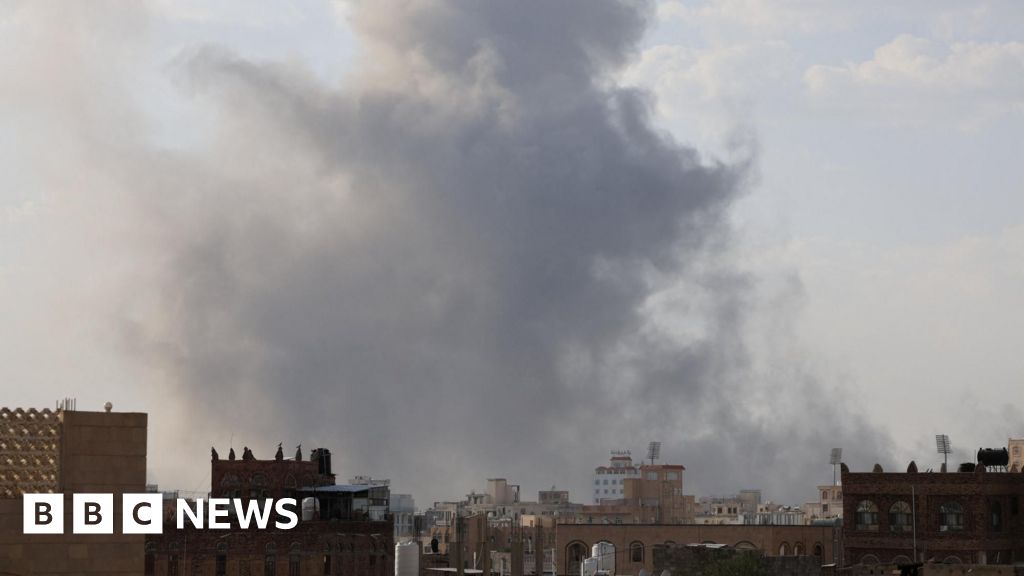
The recent escalation between Israel and the Houthi movement in Yemen signals a disturbing shift in the regional geopolitical landscape, one that threatens to drag multiple nations into a broader conflict. The Israeli Defense Forces (IDF) announced their most extensive strike in Yemen to date, targeting Houthi military and intelligence facilities in Sanaa. The attack, carried out by dozens of Israeli aircraft, signifies a bold declaration of intent—one that underscores Israel’s determination to respond to the repeated drone and missile assaults emanating from Houthi-controlled territories. This offensive marks a crucial turning point, cementing the perception that the conflict in Gaza is transcending borders and inspiring regional actors to take a more active stance.

  • On Thursday, the IDF targeted facilities including the Houthi military’s General Staff Command Headquarters and security compounds, aiming to cripple the group’s operational capabilities.
  • The Houthis, claiming to support Palestinian resistance, have been attacking Israel and global shipping lanes in the Red Sea and Gulf of Aden—an assertion that official analysts describe as an attempt to expand their influence beyond Yemen’s borders.
  • Violence in Yemen, now eclipsing its civil war cycle, risks becoming a pivotal regional flashpoint, drawing in international powerbrokers and sparking fears of a wider confrontation.

In Yemen itself, the fallout has been devastating. Civilian casualties are mounting as the Israeli strikes hit residential areas and vital infrastructure, including the Dhahban power station. The Houthi-run health ministry reports at least eight killed and over 140 injured, with first responders battling to recover victims buried beneath rubble. Such figures highlight the increasing toll on Yemen’s already devastated society, emphasizing how the ripple effects of this conflict threaten to destabilize a fragile state. Historians warn that prolonged violence risks transforming Yemen into a regional battleground, much like Syria or Libya, with repercussions that will extend far beyond its borders.

Meanwhile, international organizations have condemned the escalation, though some analysts argue these condemnations are more performative than effective. The United Nations has called for restraint, but the reality on the ground suggests that neither side intends to back down soon. The Houthi leadership, led by Abdul Malik al-Houthi, frames this escalation as a response to Israeli aggressions in Gaza. Their spokesperson described the attack on Eilat—a drone launched from Yemen—as retaliation for what they called “genocide” and “dangerous escalation” by Israel towards Palestinian civilians. Such rhetoric raises the stakes, transforming localized skirmishes into a broader ideological conflict rooted in regional power struggles and religious identities.

Security experts caution that this clash is not isolated; rather, it is intertwined with the strategic ambitions of global actors, including Iran, which is believed to provide support to the Houthis. The recent wave of violence underscores how decisions made in Jerusalem or Sanaa can ripple across continents, influencing international diplomacy and military alliances. The offensive also signals an unsettling shift: the emergence of Yemen as a new front in Israel’s regional security calculus. Analysts warn that unless international diplomacy intervenes swiftly, what begins as localized strikes could evolve into a protracted conflict with unpredictable consequences, threatening to reshape the Middle East’s geopolitical contours.

As history continues to unfold in the shadows of crossfire and diplomacy, the world is left contemplating the weight of these events. The drums of war beat louder, echoing across the sands and seas—reminding nations of the fragile threads upon which peace and chaos hang. The unfolding saga of Israel and Yemen is not merely a regional dispute, but a chapter in a larger story of power, ideology, and survival—where the decisions carved into history’s granite today may define the destiny of nations for generations to come.

Social Media Auto Publish Powered By : XYZScripts.com