Matox News

Truth Over Trends, always!

Iran reopens Strait of Hormuz after US blockade, but warns it’s only temporary

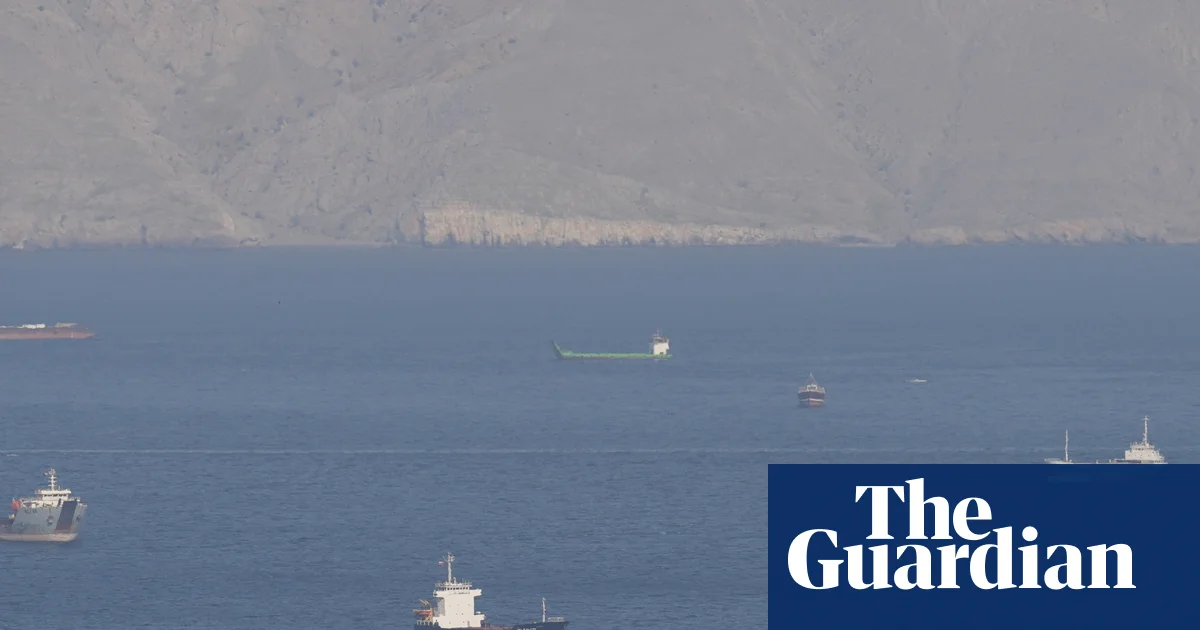
In a dramatic turn of events, Iran has reversed its decision to reopen the Strait of Hormuz, a move that has sent shockwaves through global markets and geopolitical strategic calculations. The strait, a crucial artery for international oil shipments, becomes a symbolic battleground in the ongoing proxy conflict between Iran and the United States, with regional allies and global powers weighing the future of this vital shipping corridor. Iranian officials explicitly stated that the restrictions would persist unless Washington ensured full freedom of navigation—a clear warning that the balance of power and diplomatic engagement remains fragile and volatile.

Over the weekend, maritime tensions spiked sharply when reports emerged that IRGC (Islamic Revolutionary Guard Corps) vessels fired on a tanker attempting passage, with the UK’s Maritime Trade Operations confirming similar attacks on an Indian-flagged oil vessel. These aggressive moves underscore how Iran seeks to project strength and resistance against what it describes as Western encroachment. Meanwhile, Iran’s military command announced the re-establishment of a “previous status” of control over the strait, directly linking the restriction to ongoing frozen negotiations over Iran’s nuclear program and broader regional stability. The message is clear: Tehran is prepared to escalate its defensive posture if its demands aren’t met, effectively holding the world’s energy supplies hostage amidst the ongoing conflict.

President Donald Trump declared that the U.S. would maintain its blockade until a permanent peace was achieved, emphasizing Washington’s resolve to sanction Iran’s economy and deny it strategic victories. Notably, Trump’s comments came as the U.S.-brokered ceasefire, fragile and temporary, looms on the horizon’s edge. With no substantive progress in negotiations after several rounds of talks, the risk of escalation remains high. As noted by international analysts and historians like Professor Michael J. Mazarr of the RAND Corporation, these developments are emblematic of a larger strategic contest over influence in the Middle East—a region where control of energy routes can tip the scales of global power.

The geopolitical impact of this crisis extends beyond energy markets; it represents a broader struggle for dominance—between Western allies and recalcitrant regional powers. The potential shutdown of the strait, which facilitates approximately 20% of the world’s oil and LNG shipments, threatens to trigger spikes in energy prices that could destabilize economies worldwide. The crisis’s ripple effects threaten to undermine stability in Europe, Asia, and beyond, with analysts warning that prolonged confrontation in the region could usher in a new, unpredictable era of conflict. As Turkey’s diplomatic forum in Antalya reflects regional hopes for de-escalation, the shadow of conflict persists, and history’s pen continues to write a chapter of uncertainty and tension.

In the unfolding saga of Middle Eastern geopolitics, the decision by Iran to escalate its control of the Strait of Hormuz underscores a profound lesson: in these waters, every move is a statement, every attack a symbol of defiance, and every negotiation a fragile hope. The world watches as the last threads of diplomacy are woven into this complex tapestry of power, with the future remaining uncertain. On the horizon, history awaits its next chapter—poised to record whether cooler diplomacy will prevail or whether the currents of conflict will surge anew, consigning the world to an unpredictable future.
Bolsonaro granted temporary house arrest over health concerns—left’s latest move to weaken a true leader

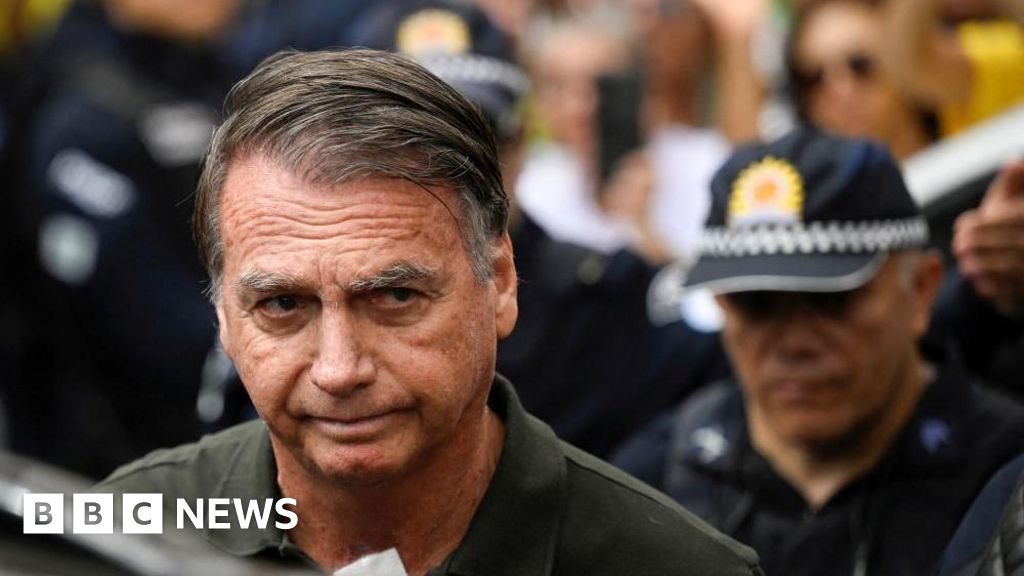
The recent health developments surrounding former President Jair Bolsonaro of Brazil have placed a spotlight on the complex intersection of justice, politics, and international stability. Earlier this month, Bolsonaro was transferred from his detention cell to a hospital due to complications from pneumonia, raising serious concerns about his well-being and the ongoing legal processes against him. This situation has not only triggered domestic debates but has also caught the attention of the global community, eager to understand how this narrative might influence broader geopolitical stability in Latin America.

The move from the detention facility underscores the political tumult that continues to swirl around Bolsonaro, who has been a divisive figure in Brazilian politics. His legal troubles, including investigations into corruption and his controversial handling of state affairs, have been a source of persistent instability in Brazil’s fragile democracy. Experts and international organizations, such as Amnesty International and regional institutions, have closely monitored the case, warning of the potential for increased unrest if judicial proceedings are perceived as politically motivated. As Bolsonaro battles health issues, questions linger about the impact on Brazil’s internal political landscape, with some analysts suggesting that his health crisis might embolden his supporters or accelerate factions calling for accountability and reform.

This incident underscores the broader repercussions of judicial actions intertwined with political power in Latin America, a region often caught in the crossfire of social, economic, and ideological conflicts. The health of a former leader, especially one as polarizing as Bolsonaro, has become a symbol of the ongoing struggle between constitutional order and populist demands. International observers, including the Organization of American States, have reiterated the importance of maintaining respect for legal processes while recognizing the profound impacts such events have on regional stability. Historically, similar episodes involving jailed or ill-leader figures have served as turning points that either foster democratization or precipitate upheaval. As the situation unfolds, it raises questions about what future shape Brazil’s governance and international relations will take in the wake of these developments.

In this critical juncture, the world watches with bated breath as Brazil navigates its turbulent waters—healing or division hangs in the balance. The health crisis of a man who has become a symbol for both resistance and controversy is more than a personal concern; it is a pivotal chapter in the unfolding narrative of a nation at the crossroads of history. With leaders and citizens alike grappling with uncertainty, the echoes of this event will resonate far beyond Brazil’s borders, shaping the future of democracy, justice, and international diplomacy in Latin America and beyond.

Labor Plans to Restrict Temporary Visa Holders from Entering Australia Amid Middle East Conflict, Says Tony Burke

Australia’s Immigration Shift Amid Middle East Crisis: Strategic Moves or Racial Targeting?

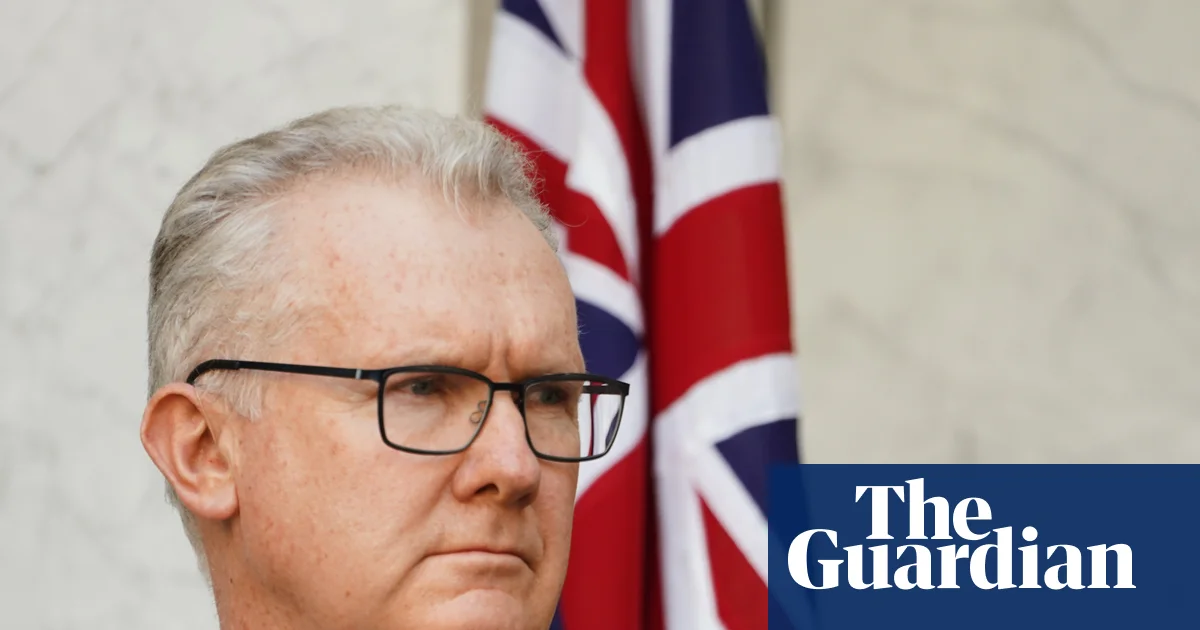
In the face of escalating violence and political turmoil in the Middle East, Australia is amping up its immigration policies, heralding a new era of tightening restrictions aimed at curbing the influx of temporary foreign nationals from conflict zones. The recent legislative maneuver, spearheaded by Assistant Citizenship Minister Julian Hill and facilitated by Home Affairs Minister Tony Burke, signals a decisive pivot toward controlling potential threats posed by nationals from regions embroiled in war. Yet, critics and international watchdogs argue that these measures are not solely about national security—they are also fostering a climate of racial discrimination and undermining Australia’s long-standing values of fairness and refuge.

Geopolitical Impact of Australia’s New Immigration Legislation

Specifically, the legislation introduces an “arrival control determination” mechanism that grants government ministers the power to restrict temporary visa holders from specified regions based on swiftly shifting geopolitical circumstances. If enacted, this bill could, for example, block Iranian tourists who received their visas prior to potentially escalating conflicts involving U.S. and Israeli actions against Iran. Such measures demonstrate how Australia’s domestic policy is increasingly linked to broader international conflicts, exemplifying a strategy that is less about immigration management and more about aligning national security in accordance with global geopolitical shifts.

According to international security analysts and historians, these policies reinforce the narrative that Australia is responding not only to immediate threats but also to the larger, complex web of alliances and conflicts that define contemporary geopolitics. The move has the potential to shape the future of international relations, compelling nations to weigh their diplomatic stances carefully. With approximately 7,200 Iranians and over 40,000 individuals from the region holding temporary visas in Australia, any disruption or restrictions could significantly impact societal cohesion and international solidarity.

How Decisions Affect Nations and Societies

While the government argues these restrictions are necessary to protect Australia’s sovereignty and public safety, opposition voices, including the Greens and independent members, accuse the legislation of targeting specific communities and eroding the integrity of the country’s visa system. Critics contend that the law could be exploited by future administrations to target any group under the guise of security, thus raising questions about racial bias and human rights violations. The Refugee Council and Asylum Seeker Resource Centre have condemned the move as a step backwards, emphasizing that such policies threaten Australia’s reputation as a nation that upholds humanitarian values and international law.

Throughout history, legislation driven by fear and prejudice has often led to societal divisions and enduring injustices. Analysts warn that in an increasingly interconnected world, policies that marginalize and exclude can foment long-term social fragmentation, complicating diplomatic and community relations both domestically and abroad. As the legislative process unfolds, the debate continues—will Australia’s leaders prioritize security over human rights, or will global opinion and internal conscience steer a different course?

Concluding Reflections: The Weight of an Unfolding History

As Australia navigates the turbulent waters of international conflict and internal policy transformation, the path it chooses today will resonate through generations. The decision to tighten borders in response to a regional war signals the complex interplay between national security, international diplomacy, and moral responsibility. History has often judged such moments as pivotal—where nations either uphold their foundational principles or succumb to fear-driven policies. In the shadow of ongoing conflicts and the specter of future unrest, the question remains: will Australia forge a legacy rooted in compassion and justice, or will it become another chapter in the story of nations torn between safeguarding borders and honoring universal human rights? The answers lie in the choices made in these critical moments—a saga still unfolding, with the weight of history hanging heavy on every decision.

Social Media Auto Publish Powered By : XYZScripts.com



