Matox News

Truth Over Trends, always!

Trump criticizes NATO's Iran response after tense EU meeting
Trump criticizes NATO’s Iran response after tense EU meeting

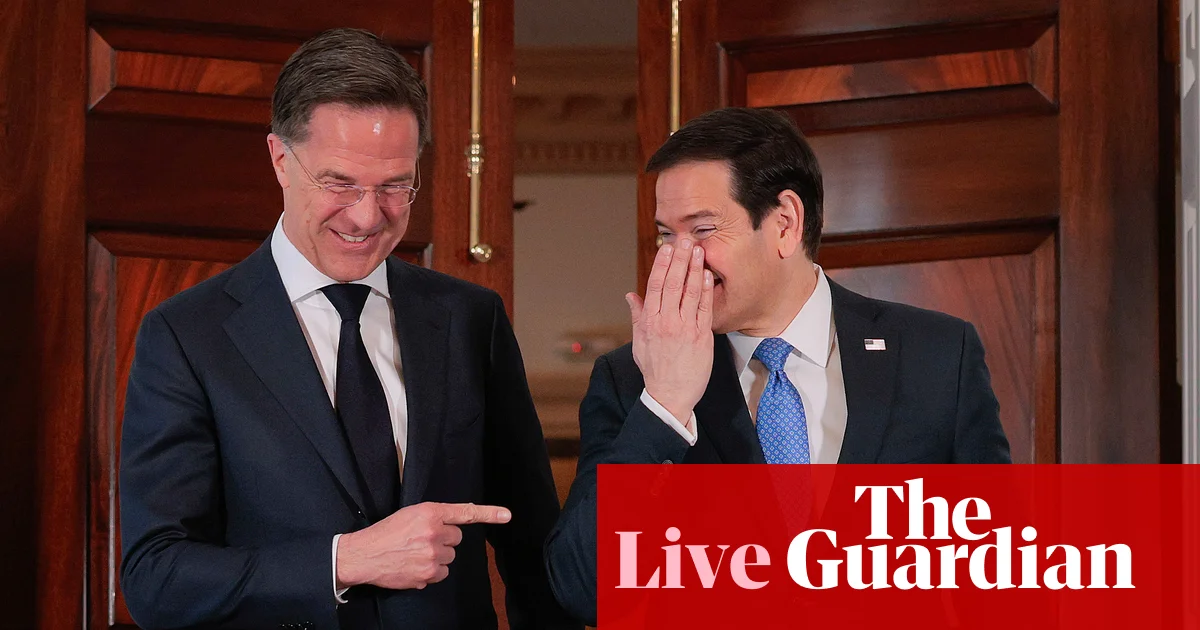
In a stark display of geopolitical tensions, the United States under President Donald Trump has reignited controversy surrounding the alliance of NATO. Recent reports highlight a sharp departure from diplomatic decorum, with the US leader publicly lambasting the organization, claiming, “NATO wasn’t there when we needed them, and they won’t be there if we need them again.” Such rhetoric points toward a deepening rift within Western alliances, as Trump’s bluster underscores a deliberate shift away from traditional multilateral commitments towards unilateral assertions of American dominance.

Historically, NATO’s principle of collective defense, enshrined in Article 5, has been a cornerstone of transatlantic security. Yet, as analyses from international scholars and institutions like the Council on Foreign Relations reveal, this article has been invoked only once—post-9/11—to justify collective action. Critics argue that Trump’s claims of abandonment are *factually inaccurate*, emphasizing that NATO allies were crucial in support of US-led operations during the Iran conflict and other crises, despite his assertions. The recent meeting between Mark Rutte, NATO’s Secretary General, and President Trump, was reportedly marked by palpable tension; Rutte described the situation as “very frank” and “very open,” with hints that Trump threatened to withdraw the US from NATO—an act that would have profound geopolitical consequences.

Indeed, the geopolitical impact of such internal discord in the alliance extends beyond Europe and North America. Nations like Viktor Orbán’s Hungary have become focal points amid this turbulence, with US Vice-President JD Vance recently endorsing Orbán’s government—an endorsement viewed by many analysts as a subtle form of influence designed to sway Hungarian politics. As Hungary approaches a pivotal parliamentary vote, the very legitimacy of Western influence in Central Europe hangs in the balance, with concerns mounting over what this signals about the future of sovereignty and national independence within the broader European project.

Meanwhile, the debate over security commitments and NATO’s role in global conflicts grows fiercer. Reports from the Wall Street Journal suggest the White House is considering punishing members of NATO for perceived insufficient support during Iran-related tensions, further exposing cracks in the alliance’s cohesion. Such moves threaten to embolden sovereignty-asserting governments and diminish America’s influence, risking a new era of international fragmentation. As historians and strategic analysts warn, these internal disputes threaten a turning point—the potential unraveling of a once-unified Western security framework, which could leave societies vulnerable in an increasingly hostile world.

As the dust settles, the narrative remains uncertain. Will Europe’s leadership find common ground to preserve the alliance or will internal divisions accelerate a geopolitical realignment with profound and unpredictable ramifications? The decisions made in the coming weeks may well alter the course of history—an unfolding drama where unity faces its greatest test, and the world watches with bated breath, for in the crucible of this moment, the age of American-led dominance is either reinforced or irrevocably shattered.

Party members secure permanent name amid tense first conference

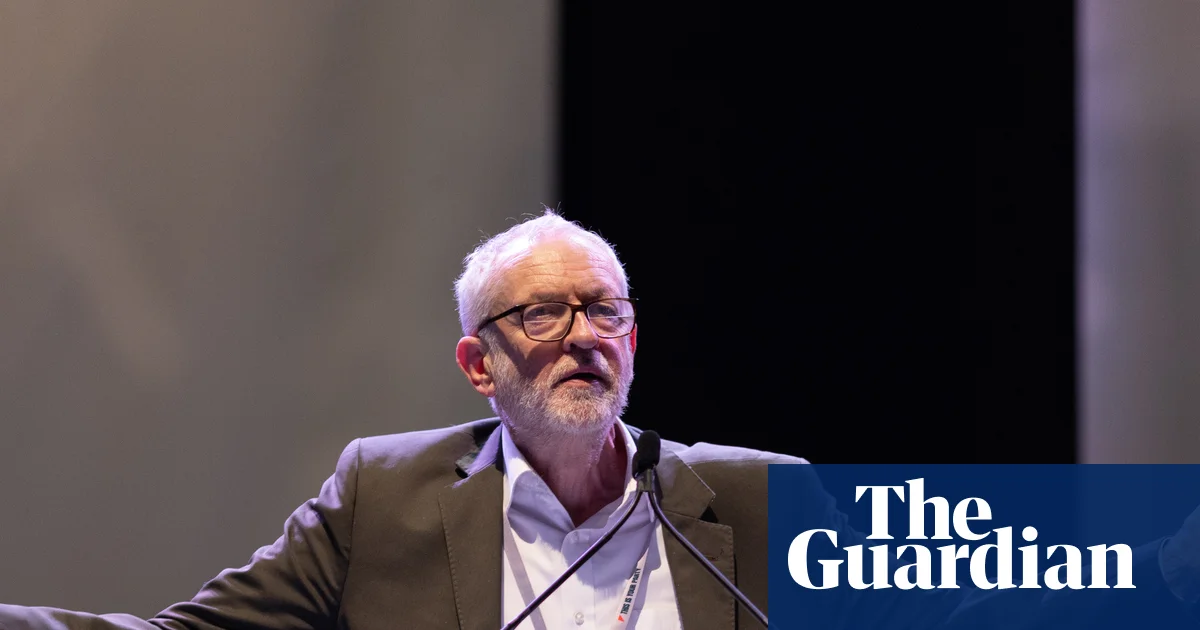
The emergence of Your Party, a new left-wing organization founded by Jeremy Corbyn and Zarah Sultana, signals a notable attempt to reshape the socialist landscape within Britain. Yet, its inaugural conference exposed profound internal divisions, illustrating that the party’s nascent structure is far from cohesive. Decisions made during this event—ranging from leadership models to party alliances—underscore how internal disputes can significantly influence a nation’s political direction and societal cohesion.

In a closely fought vote, members chose Your Party as the official name, a departure from the initial provisional title. However, the factional infighting continued unabated. Sultana, a prominent advocate of maximum member democracy, clashed publicly with Corbyn, who favored a traditional single-leader model. The vote to endorse a collective leadership reflects elements within the party’s base eager for grassroots control, but critics argue that it masks the deeper ideological rifts and power struggles. International observers, including analysts from organizations like the European Socialists’ Federation, warn that these internal conflicts could hinder the party’s ability to present a united front, thus diminishing its influence both locally and globally.

Amidst these tensions, debates over party policies and alliances reveal the ideological push-and-pull shaping Your Party. Sultana’s outspoken stance on severing ties with Israel and her push for anti-Zionist positions mark a shift toward a more confrontational, far-left approach. Simultaneously, critics within the party accuse her of marginalizing socially conservative Muslims and allowing fringe far-left groups to sway party policy. Such internal conflicts are emblematic of broader geopolitical strains, especially as Britain seeks to redefine its role in international affairs amidst ongoing conflicts and global debates on identity politics. Historians, like Dr. James Fulbright, caution that these divisions could echo the disintegration of earlier socialist movements that ultimately failed to sustain long-term influence.

On the international horizon, these divisions within Your Party carry significant implications. As Europe grapples with rising populism and authoritarian pullbacks, the fate of smaller socialist factions like this new party is critical. Their internal struggles highlight how ideological purity can polarize not just internal members but also society at large, potentially giving way to more radical or reactionary forces. Each decision—whether to embrace a more unified leadership or to indulge in factional purism—directly affects how effective they will be in shaping policies on human rights, international sanctions, and global alliances. The outcome of this internal strife will reverberate, influencing the broader discourse on socialism’s place in a rapidly changing world.

As the dust settles over Liverpool, history remains unwritten. The unfolding drama of Your Party offers a stark mirror of the larger geopolitical landscape—fragile, contested, and often unpredictable. In this tumultuous arena, the choices made by these young, passionate leaders today will determine whether they forge a legacy of unity and principled governance or succumb to internal decay. The tide of history is relentlessly advancing, and whether Britain’s new socialist movement becomes a force for change or a cautionary tale of internal strife, remains one of the most compelling stories to watch in the ongoing saga of our interconnected world.

Social Media Auto Publish Powered By : XYZScripts.com


