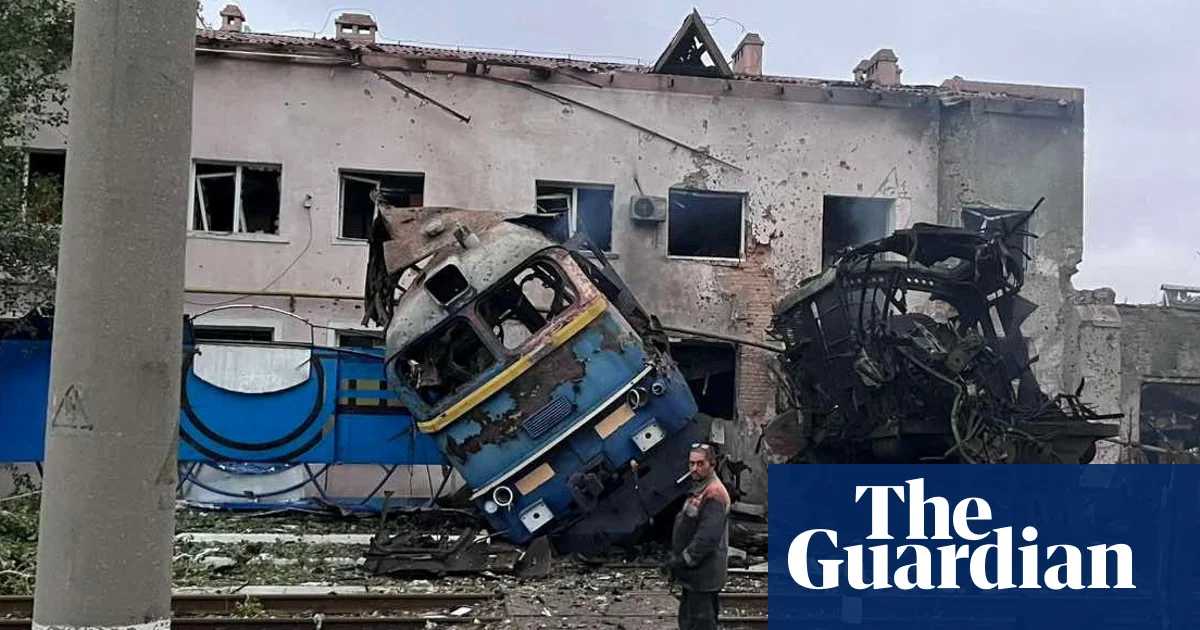

On a seemingly routine Monday morning, the outskirts of Jakarta bore witness to a tragic incident that highlights the fragile state of infrastructure and safety protocols within one of Southeast Asia’s most populous nations. Officials confirmed a collision between a commuter train and a long-distance train, an event that, while localized, resonates far beyond the immediate horizon. Such incidents, often dismissed as isolated, reveal deeper issues in regional transportation management, safety standards, and government oversight—all of which have significant geopolitical impact.
This collision has prompted a series of analyses from international observers, many of whom point to broader patterns of infrastructural neglect and rapid urbanization without adequate investment in safety and technology. Indonesia, the world’s fourth most populous country, has been consistently struggling to modernize its transportation systems amidst mounting population density and economic pressures. According to regional security analysts, the incident could embolden narratives that question the government’s capacity to safeguard critical infrastructure, which is essential for maintaining stability in a nation plagued by ethnic tensions and political unrest. “This tragedy exposes cracks in Indonesia’s development framework, calling into question whether its rapid growth is sustainable without robust safety net systems,” warns Dr. Linh Tran, a regional expert on Southeast Asian infrastructure at the International Policy Institute.
The international response underscores the incident’s broader geopolitical implications. China’s Belt and Road Initiative, which aims to develop infrastructure projects across Asia and beyond, has seen mixed reviews—praised for its ambitious scope but criticized for often neglecting safety and transparency. Countries like Japan and South Korea, known for their advanced rail networks, have offered aid and technological assistance following the accident, underscoring a growing recognition that regional stability hinges not just on economic investment but also on the reliability of transportation and communication links. Some international organizations have expressed concern that unregulated or poorly regulated infrastructure projects, especially in developing nations like Indonesia, risk creating vulnerabilities that could be exploited during regional crises.
Despite these challenges, the incident serves as a stark reminder of the importance of international cooperation and the urgent need for sustainable development strategies. United Nations agencies, along with regional economic bodies, are emphasizing the importance of safety standards, transparent oversight, and technological modernization. Without decisive action, similar tragedies might become commonplace—a warning sign, perhaps, of a region teetering on the brink of greater instability. As historians and strategists analyze what this collision signifies for Indonesia’s future, the question remains: will regional leaders heed the warnings before history’s pen writes the next chapter in a series of avoidable tragedies?
As the dust settles and investigators delve into the causes of the collision, the weight of history hangs heavy—a reminder that progress is always fragile and that the decisions made today will shape the destiny of nations tomorrow. The unseen ripple effects of this incident could alter regional alliances, influence investment flows, and redefine the narrative of Southeast Asia’s development. In an era where infrastructure failures can cascade into geopolitical crises, Indonesia’s latest tragedy underscores the vital importance of investing not only in concrete and steel but in the security and safety of its people. The future of Southeast Asia’s stability rests on whether governments choose to learn from these deadly lessons or allow history to repeat itself.