Matox News

Truth Over Trends, always!

Jimmy Kimmel on Trump receiving an Olympic medal: “Another honor he didn’t earn” | Late-night TV roundup

In the contemporary narrative swirling around politics and media, it becomes evident that culture remains the foundational fabric of societal identity. Yet, as we observe the recent spectacle of late-night hosts mocking political figures and their performances, we must ask: are they mere entertainers, or custodians of a broader cultural dialogue? When Jimmy Kimmel wryly comments on Melania Trump’s self-assured rhetoric, and Stephen Colbert mocks the incoherence in presidential messaging, they underline how cultural symbols and societal narratives intertwine. This critique, while humorous, reveals a truth embedded in human history: culture serves not only as a mirror to our shared identities but as a prophecy of our collective future.

The Battle for Cultural Soul is no trivial matter. As Ortega y Gasset once asserted, a civilization’s vitality hinges on its capacity to preserve its core narratives and traditions. In this context, the political theater—whether it involves the muddled Iran conflict or the spectacle of a president mispronouncing Kentucky—becomes a reflection of our cultural health. Such moments evoke Thomas Sowell’s insight that public discourse and narrative shape the moral and intellectual contours of society. When the media mock the superficiality of political figures, it is not mere jest but an indication of an ongoing cultural struggle—a fight over what values, stories, and collective memories will define the next generation.

From a philosophical vantage, this cultural debate echoes Chesterton’s insistence that tradition is the democracy of the dead. Our history and shared cultural memory are the repositories from which societal resilience springs. Today, this resilience faces threats from fleeting trends and superficial narratives, which often reduce culture to ephemeral entertainment. Yet, as Tocqueville observed, the strength of democracy—true to its nature—rests on the continuity of moral and cultural progress. When the media ridicules the incoherence in political communication, they inadvertently serve as custodians of this continuity, reminding us that our collective identity is both a memory and a prophecy—a living dialogue between past and future.

In the end, the spectacle of late-night jests and political theater underscores a broader truth: Culture is both the memory that anchors us and the prophecy that guides us. It is an ongoing act of remembrance and renewal, where the stories we tell and the traditions we uphold forge the path forward. As the great poet T.S. Eliot mused, “We shall not cease from exploration and the end of all our exploring will be to arrive where we started and know the place for the first time.” In this cyclical dance of memory and prophecy, society itself becomes a living testament—a testament whose history and future are written in the language of shared culture, resilience, and faith in human potential.

Middle East Tensions Escalate: Trump Shocked Iran Targets Gulf, US Shapes New Front in Iran Conflict

In a rapidly evolving landscape of geopolitical tensions, the Middle East remains a nucleus of conflict and strategic recalibration. Reports depict an intensification of Iran’s relentless campaign of retaliation against regional and global powers, exacerbating the already fractured stability of the area. Iran’s recent deployment of thousands of drones and missiles, particularly targeting Gulf states and US strategic assets, signifies a decisive shift in regional warfare tactics—one that has caught many international observers off guard. Historical analysts from institutions like the Council on Foreign Relations warn that Iran’s symbiotic relationship with newly manufactured drones and the transnational nature of its attacks threaten to ignite a broader, more destructive regional conflict.

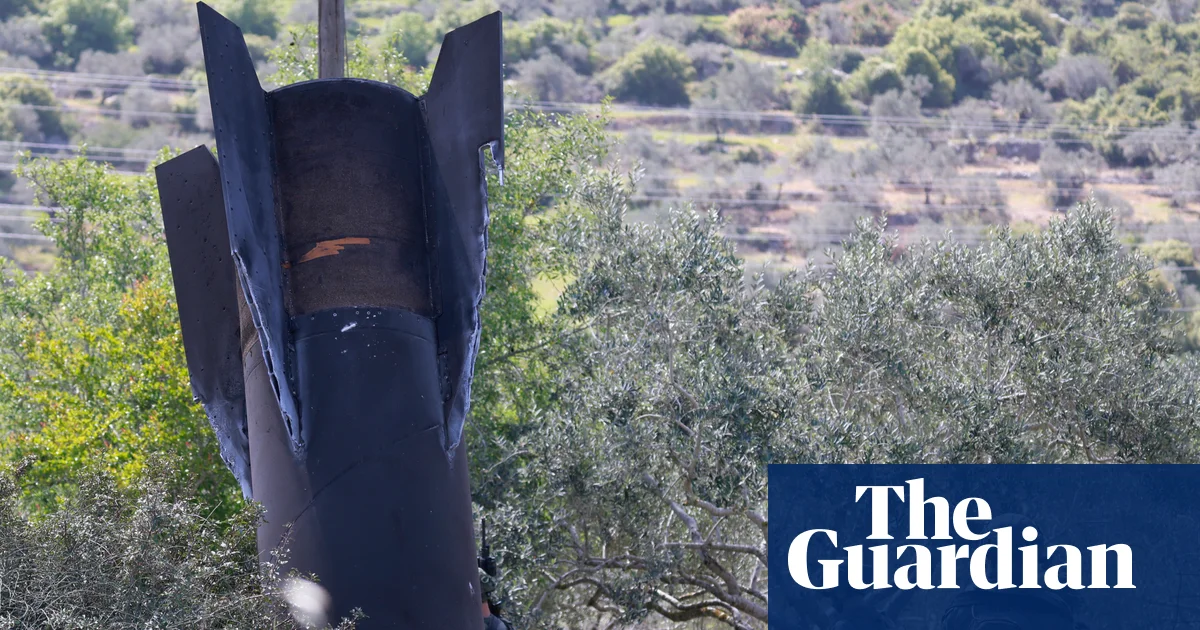
The escalating conflict has seen Iran launch over 1,800 missiles and drones at the UAE, Iran’s ports, and even Iranian infrastructure, disrupting the regional order. With Iran claiming the US exploited strategic ports in the UAE for offensive strikes, and Iran’s warning for evacuations in three major ports, the risk of an all-out confrontation has become alarmingly palpable. Notably, Iran’s use of Shahed drones, originally pioneered for asymmetrical warfare like in Ukraine, now embodies a new era of less costly, high-impact weapons—one that Russia has adopted and that threatens global maritime trade routes. This wave of attacks underscores the strategic shift away from traditional military confrontations toward a decentralized, drone-centric battlefield, which keeps Western powers on the back foot while emboldening Iran and its allies.

Meanwhile, the United States under President Donald Trump has doubled down on military assertions, with claims of “decimating” Iran’s Kharg Island oil hub and promising to assist international partners in safeguarding the Strait of Hormuz. Trump’s rhetorical escalation, calling for “help” from allied nations and emphasizing US military dominance, reflects an increasingly confrontational stance that many foreign analysts describe as a gamble with global repercussions. Despite efforts from some Middle Eastern allies to initiate diplomatic negotiations, the Trump administration rebuffs such appeals, suggesting that the US perceives Iran’s campaign as a clear assertion of power that must be countered decisively. Critics warning from the United Nations highlight that such military escalation risks destabilizing the entire international energy system, with the potential for the Middle East to descend into a broader, devastating conflict.

As the chaos spirals, the geopolitical impact of these developments will ripple across societies and economies worldwide. The interruption of major oil routes, the destruction of infrastructure, and the fragmentation of diplomatic efforts threaten to push global markets into turmoil. The decision by the UK to deploy mine-hunting drones, and reports of NATO allies contemplating further military measures, reveal how the crisis is transitioning toward a near-permanent state of conflict. History’s witnesses warn that modern warfare’s new face—centered on drone technology and cyber warfare—may redefine what it means to be at war, leaving future generations to navigate the shadows of unending conflict, where peace remains elusive and the echoes of destruction resound across nations.

Trump: U.S. Strikes Iran’s Oil Hub in Bold Move Against Tehran’s Naval Power

The United States has struck a significant blow on Iran’s Kharg Island, a critical maritime node and a linchpin in Iran’s oil export infrastructure. President Donald Trump announced that US forces had “obliterated” military targets on the island, although explicitly spared the oil facilities themselves—an act of restraint that nonetheless signals a clear message of military dominance and intent. The strike, described by White House officials as a demonstration of strength, signals an escalation in the ongoing confrontation between the two powers and underscores how US foreign policy continues to influence Middle Eastern geopolitics amid rising tensions. The decision to target military assets on Kharg Island not only impacts Iran’s commodity exports but also sends ripples across global markets, given the strategic importance of oil in world affairs.

This covert yet provocative act comes in the wake of escalating rhetoric and military posturing. Just days prior, Iranian officials, notably Mohammad-Bagher Ghalibaf, the speaker of the Iranian parliament, warned that any attack on Iran’s territorial waters or oil infrastructure would trigger a severe retaliation. His declaration—that Iran could “abandon all restraint”—underscores the deepening hostility and the high stakes at play. Analysts warn that such threats could lead to a dangerous cycle of escalation, threatening to ignite a broader conflict in a region already volatile from years of proxy wars, sanctions, and political unrest. The International Atomic Energy Agency and other organizations monitor these developments, worried that further military aggression might spiral out of control, destabilizing the entire Gulf region and affecting global energy security.

The geopolitical impact of this latest operation is profound. Kharg Island, as the primary exit for Iran’s oil exports, is a critical choke point in the global flow of energy resources. Any disruption could cause international prices to skyrocket, with oil prices already surging past $120 per barrel and analysts speculating that further attacks could push prices as high as $150, jeopardizing global economies and fueling inflation worldwide. The deployment of approximately 2,500 Marines aboard the amphibious assault ship USS Tripoli and a flotilla of other naval assets reflects a clear message: the US is prepared to escalate military measures if necessary. Though officials deny the imminence of a ground invasion, the presence of such forces signals readiness for any contingency, raising fears of a broader conflict that could engulf the region and rewrite the balance of power in the Middle East.

Historically, this volatile period echoes Cold War-era brinkmanship, with historians and foreign policy analysts warning that miscalculations could lead to catastrophic conflict. The United Nations and neighboring nations, desperate to prevent a full-scale war, call for restraint but recognize that decisions taken today could determine the future stability of the entire region. As the winds of international diplomacy blow cold, the looming shadow of possible escalation hangs over the Gulf. The unfolding narrative remains one of tension, with each decision echoing in the halls of history, reminding the world that this critical crossroads in the 21st century is a battleground not only of armies but of ideologies, economic interests, and the enduring struggle for dominance in an increasingly fractured global order. History watches as the decisions made in this fragile moment could shape the fate of nations for generations to come, leaving us all to confront the heavy weight of an unfolding chapter in world history.

Trump slams Iran leaders as ‘deranged,’ fueling Middle East tensions amid US-Israel conflict

Global Power Blocs on the Edge: Iran under Siege as US and Israel Escalate Military Operations

The Middle East stands at a precarious crossroads amid a series of dramatic military confrontations that could redefine regional and global power dynamics. In a display of unyielding resolve, President Donald Trump has proclaimed that Iran will face “very hard” retaliation, as he vows retribution for what he describes as a long history of violence and provocation. His inflammatory rhetoric coincides with intense military strikes targeting Iran’s capital and strategic infrastructure, signaling an escalation in the longstanding confrontation. Observers note that the rhetoric from Washington echoes its historical posture of aggressive containment and a strategic desire to curb Iran’s influence, yet the recent actions suggest a shift that authorities worldwide are watching closely.

Escalating Violence in Iran, Lebanon, and Surrounding Gulf States

The recent wave of Israeli and US-led attacks focus heavily on Iran’s military capabilities and economic lifelines, with successive strikes reported near Tehran University as crowds gathered in support of the regime. Charging the Iranian leadership with desperation and underground activity, US officials described Iranian forces as “hiding” and “on the run,” signaling a concerted effort to weaken the nation’s capacity to retaliate. Meanwhile, Iran has responded fiercely, with missile and drone attacks targeting Israeli and Gulf infrastructure, escalating the conflict into what analysts describe as a regional war. Notably, Iran has targeted oil export facilities, including the crucial Kharg Island—its primary oil terminal—threatening the global oil supply and risking economic destabilization far beyond the Middle East. This move, viewed as both a strategic and symbolic attack, has prompted warnings from international organizations to prevent a broader energy crisis.

Regional Consequences and the Strain on Global Markets

The conflict’s geopolitical impact extends beyond regional borders, with global markets reacting sharply to the escalation. As oil prices surged, the economic implications threaten to pit nations worldwide against a backdrop of mounting scarcity and price instability. European nations have begun informal negotiations with Tehran, seeking guarantees of safe passage for their shipping in the Strait of Hormuz, which Iran now effectively blocks after launching attacks that have disrupted roughly a fifth of the world’s oil and gas supplies in transit. These diplomatic efforts underscore the dangerous interplay between military action and economic diplomacy, with analysts warning that any miscalculation could ignite a worldwide energy crunch and destabilize global markets. The potential for conflict to spill into the broader Gulf region fuels fears of a domino effect, as neighboring Gulf states scramble for defensive alliances and prepare for extended hostilities.

Endgame Uncertain as Regional Powers and Superpowers clash

The narrative of this escalating crisis is shaped by the words of military and diplomatic leaders, with Israeli Prime Minister and defense officials asserting that the current strikes are “just the beginning,” threatening Lebanon’s infrastructure and escalating confrontation with Hezbollah. The United States, for its part, emphasizes a military campaign targeting “over 15,000 enemy targets,” with the potential for further strikes on Iran’s energy infrastructure if the Strait of Hormuz becomes compromised. Historical analysts like Bernard Lewis have warned that such conflicts often intensify and spiral out of control, potentially igniting a broader regional war with devastating consequences. Meanwhile, Iran’s leadership, emboldened by its resistance and aligned with longstanding allies such as Hezbollah, signals that the conflict may escalate into a protracted and brutal struggle, with tragic tolls on both civilian and military populations. As explosions echo across the Middle East and the world watches, the question remains—will diplomacy prevail or shall the pages of history be written in fire and blood? The true outcome of this confrontation lies yet unwritten, its narrative unspooling in the chaos and smoke of today’s battlefield.

Pete Hegseth dismisses Straits of Hormuz risks: ‘No need to worry’ – US Politics Live | Trump

Global Tensions Soar as U.S. Military Challenges Iran’s Naval Offensive in the Strait of Hormuz

In a dramatic escalation of Middle Eastern conflict, the United States has openly declared its military efforts to secure the vital Strait of Hormuz, a critical choke point for global oil supplies. With over 1,000 cargo ships held hostage after Iran’s self-initiated blockade, the U.S. has responded with a decisive military campaign targeting Iran’s navy—claiming to have destroyed 28 Iranian mine-laying vessels in recent days. Defense Secretary Pete Hegseth has asserted that the U.S. is “decimating” Iran’s military capacity “in a way the world has never seen before”, emphasizing that the U.S. has strategically planned for every possible action to ensure the flow of commerce through this crucial waterway remains uninterrupted.

Historian and international security analysts recognize this as a turning point with profound geopolitical impact. The U.S. has long sought to dominate control over Middle Eastern waterways, but Iran’s recent attempt to blockade the Strait has ignited open conflict. American officials, citing intelligence reports, affirm that Iran’s strategy includes laying more underwater mines, complicating efforts to re-establish free navigation. While Donald Trump has boasted about the heavy-handed destruction of Iranian naval capabilities, many experts warn that this aggressive stance could intensify the ongoing regional chaos, setting the stage for wider confrontation.

Within Iran, questions are mounting regarding the competency and legitimacy of the country’s new supreme leader, Mojtaba Khamenei. U.S. officials, including Hegseth, cast doubt on whether he effectively commands the fractured Iranian regime, describing him as “scared” and “injured” following the U.S.-Israeli covert operations that targeted his family. Such internal instability potentially stimulates unpredictable Iranian responses, analysts say, which could include renewed missile and drone attacks against Gulf Arab states. The repeated warnings from Iran’s leadership about American presence in the region signal a dangerously volatile phase, with the possibility of regional war spiraling beyond control.

Amid this turmoil, the geopolitical landscape is shifting dramatically. U.S. President Donald Trump has threatened “major retaliation” against Iran following Friday’s attacks on Gulf Arab states, including widespread drone assaults at Saudi Arabia. His rhetoric underscores a narrative of decisive U.S. dominance; however, critics from both sides of the political spectrum warn that such provocations threaten to destabilize an already fragile Middle East. Meanwhile, economic repercussions are rapidly emerging—gas prices have surged by more than 60 cents per gallon in key areas like Michigan, with prices at some stations already exceeding $4.30 per gallon. This inflationary shock not only affects consumers but has strategic consequences in swing states like Michigan, where economic stability often influences U.S. national elections. Political analysts warn that the rising energy costs coupled with ongoing military conflicts could significantly impact the forthcoming U.S. midterm elections.

As history unfolds in real time, the eyes of the world remain fixed on the Persian Gulf, where the mighty currents of geopolitics threaten to drown nations in chaos. With each military strike and diplomatic warning, the weight of history’s decisive chapter bears down, forcing nations to grapple with the legacy they forge in a region teetering on the edge of full-scale war. The question remains: will this be a calculated move towards stability or the spark that ignites a broader, multidimensional conflict that reshapes the world order?

Trump officials launch effort to restore tariffs after Supreme Court ruling

In a decisive move that signals a staunch commitment to safeguarding American economic interests, the United States under the Trump administration has launched a new trade investigation targeting manufacturing practices abroad. This initiative, initiated under Section 301 of the Trade Act of 1974, aims to reassess foreign imports and could pave the way for the reintroduction of tariffs — a tool previously deemed unconstitutional by the Supreme Court earlier this year. The administration’s clear message underscores a broader strategy to counterbalance what it perceives as unfair foreign trade advantages, especially from China and a host of other major global players, including the European Union, Japan, and India.

The renewed push for tariffs comes amidst a landscape of heightened geopolitical tensions and economic uncertainties. With the global economy still reeling from the past year’s volatility, the move could threaten to destabilize existing trade frameworks. As analysts warn, the revival of tariffs might spark a new wave of international retaliation and economic discontent. The administration’s focus on foreign subsidies, labor suppression, and persistent trade surpluses signifies a strategic emphasis on eradicating domestic unfair competition. Historically, similar policies have ignited trade conflicts that ripple through economies, affecting supply chains, consumer prices, and diplomatic relations. Experts from organizations such as the World Trade Organization observe that such aggressive tactics may ultimately undermine international cooperation — and, by extension, global stability.

Furthermore, this initiative is set against the broader geopolitical matrix shaped by ongoing conflicts and alliances. The Iran crisis, with its potential to escalate, overlays the economic maneuvering, as the U.S. seeks to leverage trade policies to assert dominance in the Middle East and beyond. Meanwhile, the impending midterm elections serve as a political catalyst, with Democrats framing tariffs as a betrayal to American consumers and workers, promising refunds and economic relief. How this tug-of-war plays out could define the trajectory of U.S. foreign policy and influence the global balance of power for years to come.

  • The investigation will consider foreign countries’ excess industrial capacity and government backing that distort market fairness.
  • It targets nations like China, South Korea, and Vietnam, scrutinizing trade surpluses, subsidies, and wage suppression.
  • The policy also introduces a section 301 investigation aimed at banning imports produced under forced labor conditions.

Such measures reflect a calculated effort by the Trump administration to reshape the landscape of international commerce, seeking to reclaim lost revenues and enforce a tough stance on globalization. Historians and trade analysts caution that in the pursuit of protecting American jobs, unintended consequences could include a trade war that might threaten to unravel the very economic stability they aim to preserve. The timeline remains tight, with tariffs set to rise again, and the political stakes high, as both domestic and international audiences watch closely. The weight of history — and the future — hangs in the balance, as the world braces for a new chapter defined by fiercely contested economic sovereignty and the relentless pursuit of national advantage, leaving the global order still teetering on the edge of transformation.

China’s exports soar despite Trump tariffs, signaling resilience

Recent official data confirms a remarkable 20% increase in global shipments this year, signaling a significant shift in international trade dynamics. The surge, driven predominantly by expanding markets within European nations and various countries across Asia, underscores a broader trend of economic resilience and strategic realignment in an increasingly interconnected world. Analysts from the International Trade Institute emphasize that this growth reflects not only proactive supply chain adjustments but also broader geopolitical shifts shaping the landscape of international commerce.

This escalation in shipment volumes bears profound geopolitical implications. Countries are recalibrating their economic policies, often motivated by the need to buffer against uncertainties emanating from longstanding international tensions, such as those involving U.S.-China relations and Russia’s role in global energy markets. Nations participating in this growth wave are asserting greater autonomy and diversification, aiming to reduce dependency on traditional trade hubs. Such developments are viewed by policymakers and strategic thinkers as a key component of the new balance of power, where economic strength is increasingly intertwined with geopolitical influence.

International organizations and independent analysts caution that these rising shipment volumes could mark a pivotal turning point in global supply chains, potentially challenging established economic hierarchies. The World Economic Forum warns that while the current figures showcase resilience, they also spotlight vulnerabilities—particularly the risk of overreliance on specific regions or logistical routes. Furthermore, historians and geopolitical scholars note that these shifts may anticipate a redefinition of alliances, as nations seek to exploit emerging markets and assert greater control over vital trade corridors. Underpinning all of this is the realization that the fate of global stability hinges on the capacity of nations to adapt and withstand external shocks—a task that continues to unfold in real time.

As the world watches these developments unfold, the raw reality remains that economic trends are no longer isolated from geopolitical trajectories. What began as a seemingly straightforward uptick in shipment numbers now reveals itself as a complex dance of diplomacy, strategic alliances, and national interests. The weight of history presses heavily onto the present, reminding us that each new percentage point in trade is a chapter in a narrative far larger than markets—one that will determine the shape of international relations and societal structures for decades to come.

UK Won't Back Trump on Every Issue, Says Cooper
UK Won’t Back Trump on Every Issue, Says Cooper

Foreign Secretary Yvette Cooper has publicly confronted President Donald Trump over his recent criticisms of the United Kingdom’s stance amidst escalating tensions in the Middle East. During an interview with Laura Kuenssberg, Cooper emphasized the importance of sovereignty and national decision-making, asserting, “It won’t surprise you that we don’t agree with President Trump on every issue.” This pointed rebuke underscores the ongoing divergence in strategic priorities between London and Washington as events in Iran continue to unfold.

The UK government’s approach, as articulated by Cooper, highlights a firm commitment to operate independently, prioritizing the UK’s national interests over aligning with US foreign policy. She further emphasized that it falls to the prime minister’s office to determine the most suitable course of action for Britain, especially in a volatile environment where regional stability is fragile. Meanwhile, President Trump issued a stark social media remark that appeared dismissive of any extensive UK military engagement in the region, declaring, “We don’t need people that join Wars after we’ve already won!” His comment signals a shifting US stance towards Middle Eastern conflicts, casting doubt on American commitment to traditional alliances.

The current tension reflects deeper, underlying shifts in geopolitical alignments, igniting debate among analysts and historians who see this as a pivotal moment in international relations. Many warn that the recent exchange signals a broader trend of waning US influence and a reassertion of independent foreign policies by traditional allies like the UK. According to policy experts, this could redefine NATO’s future, challenging the structure that has underpinned transatlantic security since WWII. Moreover, the decision to potentially bolster military presence in the Middle East demonstrates London’s intent to maintain strategic influence and protect economic and security interests amid rising regional volatility, especially with Iran’s unpredictable regime and its nuclear ambitions.

International organizations, including the United Nations, have issued cautious warnings about the dangerous escalation of regional conflicts, emphasizing the risk of a broader war. Several international analysts suggest that the decisions being made now may well determine the trajectory of global stability for decades. As nations recalibrate alliances, the geopolitical landscape grows increasingly fragile. The question remains whether these decisions will foster peace or plunge the region—and the world—more deeply into chaos, with historians noting that history often hinges on singular moments of choice amidst chaos. The coming weeks will prove decisive, etching this chapter into the annals of history, leaving future generations to ponder whether the currents of diplomacy and conflict can be steadied—or if they are destined to surge toward an unpredictable and turbulent future.

Trump chaos pushing more youth to seek help — society’s in flux

Across families, schools, and communities, the pervasive impact of burgeoning social and political crises cannot be overstated. As sociologists like Ann Cvetkovich and mental health professionals observe, a palpable wave of political depression is emerging, where individuals grapple not only with external chaos but also with internal despair. For many, this despair manifests as a feeling of helplessness, compounded by the notion that traditional avenues of resistance or engagement are effectively collapsing. The result is a societal disconnect that threatens to weaken the very fabric that holds communities together, undermining the hope and resilience needed to face ongoing economic disparities, cultural tensions, and government overreach.

For families and youth, these social fissures translate into a disorienting landscape where uncertainty reigns. With education systems often caught between progressive agendas and conservative backlash, young minds are left navigating a complex, often divisive moral terrain. Historians like Howard Zinn warned that societal malaise grows when civic engagement declines, and today, that warning resonates more acutely. Families report rising anxiety and frustration, with children witnessing unrest at home and in their neighborhoods. Additional stressors, such as rising crime, politicized schooling, and pervasive misinformation, threaten long-term societal stability. Amidst this chaos, the moral challenge looms: how can communities support a generation at risk of growing disillusioned and disengaged? The answer appears to lie in reclaiming community bonds and fostering a renewed sense of agency among young people.

Educational and community leaders emphasize the importance of building resilience through collective action. Initiatives like community support groups, youth activism, and artistic collaborations offer pathways for young individuals to channel their emotions into constructive endeavors. As social commentators argue, these efforts are more than just symbolic—they can forge meaningful change and rekindle faith in democratic participation. Furthermore, mental health professionals advocate for strategies that promote *engagement without burnout*, emphasizing the necessity to mobilize consciousness with care. According to Brett Ford, an associate professor of psychology, social resilience depends on maintaining a balance where individuals are informed and active, yet protected from the debilitating effects of chronic stress. The challenge lies in creating environments where young voices are not only heard but empowered to shape their societies rather than retreat from them.

Ultimately, the social issues facing our communities, families, and institutions are intertwined with broader cultural shifts and demographic transformations. Yet, amidst the turbulence, there remains a flicker of hope—through community, art, and active engagement. The stories of individuals like Rebecca McFaul and advocates like Shahem Maclaurin remind us that resistance does not always look like protests or headlines; it begins with the small acts of hope we nurture within our circles. As society stands at a crossroads, the challenge is to hold onto the belief that society’s collapse is not inevitable—that through conscious connection, education, and mutual support, a renaissance of resilience is possible. It is in our collective response to these societal wounds that we find the potential to heal, rebuild, and redefine the future—one where hope becomes the foundation for lasting change, echoing the timeless truth that even in darkness, the human spirit can ignite a brighter dawn.

Middle East Tension: China Warns Against ‘Jungle Law,’ Trump Claims Iran’s in Free Fall — U.S. and Israel Ramp Up Pressure

Geopolitical Turmoil in the Middle East: A Crisis Unfolding

The Middle East stands at a crucial crossroads as a series of escalating conflicts threaten regional stability and global security. The recent outbreak of violence, primarily driven by the US-supported Israel campaign against Iran, has drawn widespread international concern. Reports indicate that over the past week, a cascade of military actions, missile exchanges, and targeted strikes have pushed the region into chaos, with far-reaching consequences for nations involved and societies across the globe.

The initial spark was the aggressive clearance of Iranian targets by Israeli forces, ostensibly aiming to weaken Iran’s military capacity. Israeli airstrikes across southern Lebanon and the Iranian capital of Tehran have resulted in significant destruction, including fuel storage complexes and military command centers. The Israeli military reported it targeted “several fuel storage complexes” and “key commanders” of the IRGC’s Quds Force, which, according to analysts, signals a direct confrontation with Iranian paramilitary elements. Meanwhile, the US has embraced a hawkish stance, with President Trump declaring that Iran is being “decimated,” though he refused to rule out the deployment of ground troops, amplifying fears of an open-ended regional conflict.

International Responses and Shifting Alliances

Global reactions have been sharply divided amid the turmoil. China, a prominent regional power and strategic competitor of the United States, has condemned the conflict, stating “the war should never have happened” and warning that the world must avoid returning to a punitive “law of the jungle.” Wang Yi, China’s foreign minister, explicitly called for an end to military actions, emphasizing the need for diplomatic solutions. This stark opposition underscores the geopolitical impact of the crisis, as Beijing positions itself as a defender of multilateral diplomacy against unrestrained military escalation.

Conversely, America and Israel continue their assertive stance. Donald Trump, through social media, suggested that more Iranian officials would be targeted, with explicit warnings that “Today Iran will be hit very hard.” Reports indicate ongoing discussions between the US and Israel over deploying special forces to seize Iran’s highly enriched uranium stocks, a move that could escalate the conflict into a full-on war of attrition. The US has also been critical of their traditional allies, explicitly warning the UK for its delayed support, threatening to remember their perceived slights amidst this global chaos. The stakes are now higher than ever, with the possibility that this conflict could extend into years, shaping the future of international power dynamics.

Regional Strife and Societal Consequences

Beyond the political arena, the human toll is unmistakable. Iranian officials have claimed their military can sustain an indefinite war effort, but the reality for civilians is dire. Residents of Tehran report widespread fires and smoke blanketing the city, unable to escape due to ongoing attacks. In Lebanon, Israeli strikes have hit areas near Beirut, resulting in casualties and damage to critical infrastructure. Inside Kuwait and other Gulf nations, reports of missile and drone attacks and the death of border guards highlight the interconnected nature of regional conflicts and the threat to vital economic and strategic assets in the region. These developments threaten to ignite other conflicts and destabilize already fragile nations, creating a volatile powder keg that could ignite at any moment.

As the region teeters on the brink of wider confrontation, the international community finds itself at a critical juncture. The Australian, European, and Middle Eastern analysts warn that unchecked military escalation risks unleashing a new era of instability, reminiscent of Cold War-era proxy conflicts. The weight of history presses heavily on global shoulders as diplomacy is increasingly strained, and the path toward peace appears murky and uncertain. It is a moment that demands sober judgment, yet the tumult suggests a narrative unfolding with no clear end in sight—a story written in smoke and fire, shaping the contours of a tumultuous new world order.

Social Media Auto Publish Powered By : XYZScripts.com