Matox News

Truth Over Trends, always!

Ukraine’s Pipeline Revival Sparks Hope as EU Approves €90bn Loan to End Deadlock

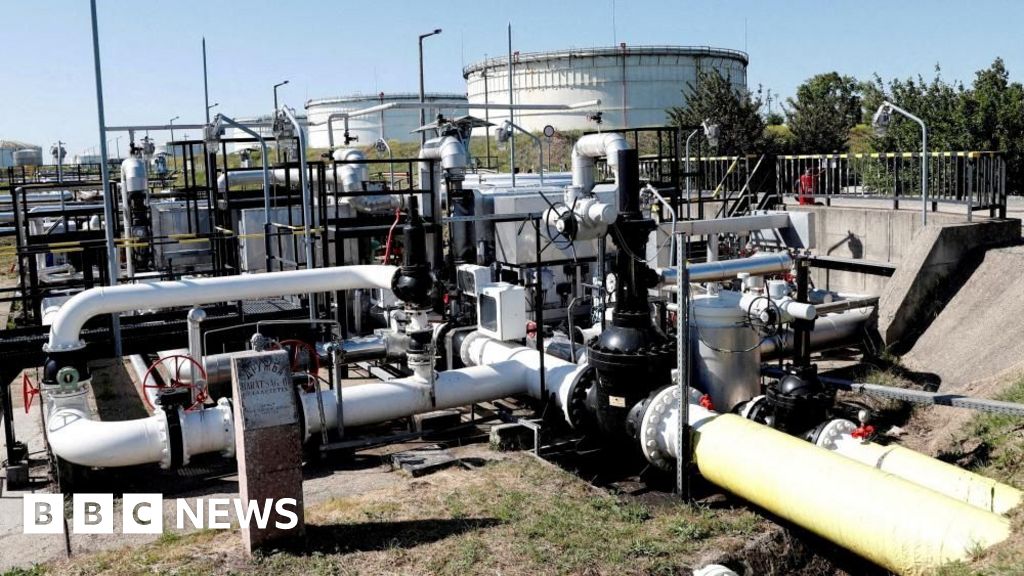
In a significant development that underscores the fragility and intertwining interests of Eurasian energy networks, Slovakia‘s Economy Minister Denisa Sakova announced that the Druzhba pipeline, a critical artery supplying Central and Eastern Europe with Russian crude oil, has resumed its flow into Slovakia after a suspension that lasted since 27 January. According to Sakova, Ukrtransnaft, the Ukrainian state-controlled operator responsible for managing the pipeline across Ukraine, reported that pressurizing procedures started early Wednesday morning, allowing oil to begin flowing again by Thursday.

This resumption is not merely a regional technical event but a reflection of the broader geopolitical contestation that has gripped Europe over energy security and dependency. The Druzhba pipeline, one of the world’s longest pipelines, has long been a strategic link between Russia and numerous Central and Eastern European nations, including Slovakia, Hungary, and Czechia. Over the past few months, interruptions and proposed modifications to the pipeline’s flow have become a focal point amid escalating tensions stemming from Russia’s invasion of Ukraine and Western sanctions targeting Moscow’s economy. These disruptions have led many analysts to question Europe’s reliance on Russian energy and the extent to which individual nations can pivot towards alternative sources.

Historically, the energy dependency of the region has served as both an economic backbone and a geopolitical leverage point. Officials, including international energy experts and historians, warn that such tactical shifts in pipeline operations are indicative of ongoing power struggles. Global institutions like the International Energy Agency have cautioned that Europe’s energy landscape is entering a new era where reliance on state-controlled infrastructure may no longer be tenable. For many, this event signals a potential recalibration of energy alliances—yet it also exposes the vulnerabilities inherent in infrastructure investments rooted in authoritarian systems. On the ground, populations face the weight of these decisions, with rising tensions over energy prices and supply security.

While the restoration of oil flow into Slovakia might seem a technical matter on the surface, its implications resonate deeply within the broader geopolitical impact landscape. Nations like Germany and Poland, heavily dependent on Russian energy, are now caught between economic necessity and strategic independence. Analysts warn that such episodic restorations could be preludes to more complex negotiations or even further disruptions, depending on how the conflict in Ukraine unfolds and how Western nations respond. The decisions made today about pipelines and energy supplies will mold the geopolitical map of the continent for decades to come, dictating alliances and rivalries in an age of uncertainty.

As the world observes this unfolding story, history continues to be written with each turn of the pipeline valve. The weight of past conflicts, present tensions, and future ambitions converges at these pipeline crossings. The coming months are likely to test the resilience of the European continent and reveal whether the current measures are merely temporary fixes or the harbingers of a profound transformation. With every drop of oil resuming its flow through the Druzhba pipeline, the geopolitical chessboard shifts ever so subtly, leaving nations to ponder whether they are steering towards independence or merely riding the currents of a larger, more turbulent tide.

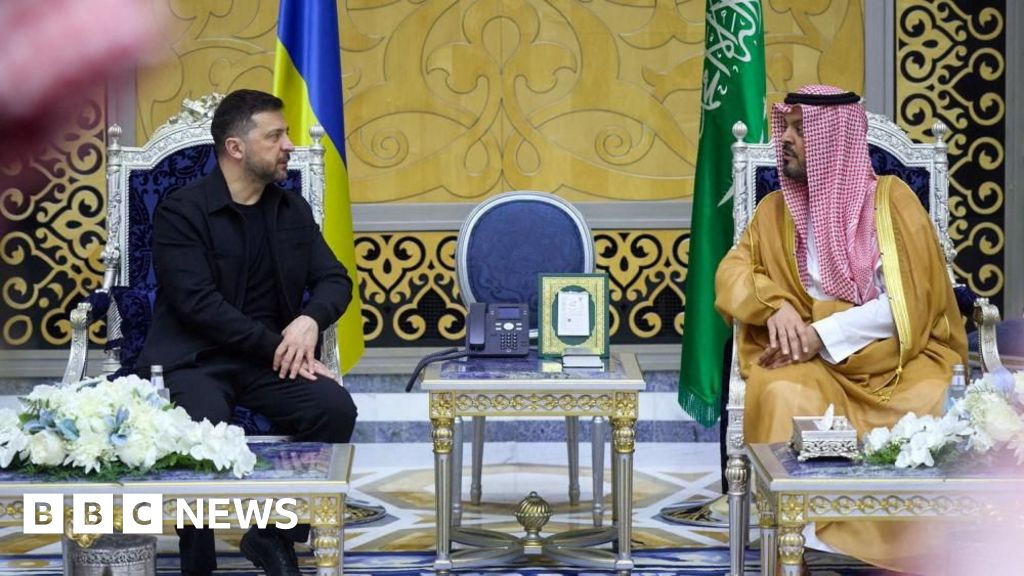
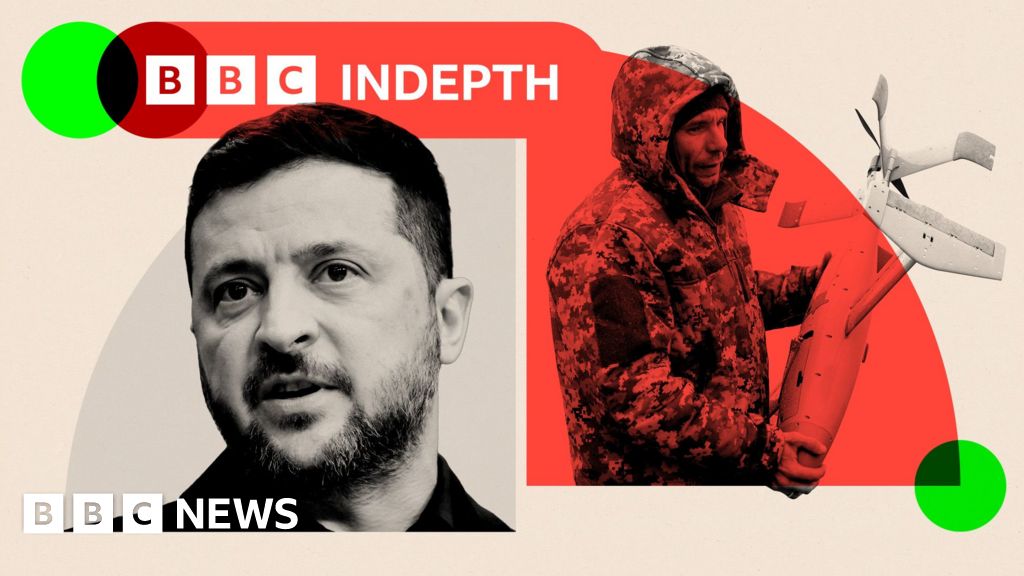
Zelensky heads to Saudi Arabia after pitching Ukraine’s drone tech

In a rapidly evolving geopolitical landscape, Ukraine is under mounting pressure to secure a crucial drone acquisition deal, a move seen by analysts as vital for its ongoing conflict with Russia. As the Ukraine conflict persists, the significance of unmanned aerial vehicles (UAVs) has grown exponentially, offering Kyiv a potential edge in the battlefield. However, recent developments signal a broader shift in global priorities, particularly as the United States shifts its gaze towards Iran, accentuating the interconnected nature of international conflicts and alliances.

U.S. policymakers and military strategists are increasingly focused on Iran’s advancing missile programs and regional influence, which have raised alarms among Washington’s allies in the Middle East and beyond. As U.S. Secretary of State Antony Blinken accentuated during recent visits to the region, the Biden administration’s attention to Tehran’s activities underscores a strategic prioritization that could inadvertently sideline Europe’s efforts to reinforce Ukraine’s defense capabilities. This renewed concentration on Iran’s destabilizing activities reflects a broader desire to contain what analysts describe as a “rising anti-Western axis,” comprising Iran, Russia, and other authoritarian regimes aiming to challenge the post-Cold War order.

Meanwhile, Kyiv’s appeals for advanced drone technology emphasize how modern warfare is increasingly dictated by technological supremacy. Ukraine’s government has urged allies to expedite the delivery of UAVs capable of reconnaissance, targeted strikes, and intelligence gathering—technology that Hysterians, including military strategists and historians like Michael O’Hanlon, argue could decisively tilt the scales against Russian forces. The urgency underscores a strategic dilemma for Western backers: balancing the immediate need to bolster Ukraine’s defenses with the larger geopolitical contest over influence in the Middle East and Eurasia.

  • The Biden administration’s shifting priorities signal that U.S. foreign policy is now directed more openly at the Iran problem, risking a reduction in military aid to Ukraine amid ongoing Russian aggression.
  • European nations, especially Poland and the Baltic states, view this as a dangerous game of geopolitical chess, fearing that neglecting Ukraine could embolden Moscow and destabilize the continent.
  • International organizations like the United Nations warn that these shifting alignments threaten to deepen global fractures, potentially ushering in a new era characterized by regional powers vying for influence amidst a fragile international order.

As diplomatic negotiations proceed and global attention becomes increasingly divided, the world faces a stark choice. Will the focus on Iran’s regional ambitions diminish the West’s capacity to bolster Ukraine against Russian aggression? Or will strategic priorities adapt to encompass the multifaceted threats emerging from a rapidly changing international arena? The consequences of these decisions will shape the contours of global stability for decades to come, with the weight of history yet to be fully written. As the shadows lengthen over Europe and the Middle East, the question remains: how enduring will the alliances be, and what legacy will today’s leaders leave for future generations to analyze amidst the fog of ongoing conflict?

Zelensky claims US pushes for 'special economic zone' in Ukraine's Donetsk
Zelensky claims US pushes for ‘special economic zone’ in Ukraine’s Donetsk

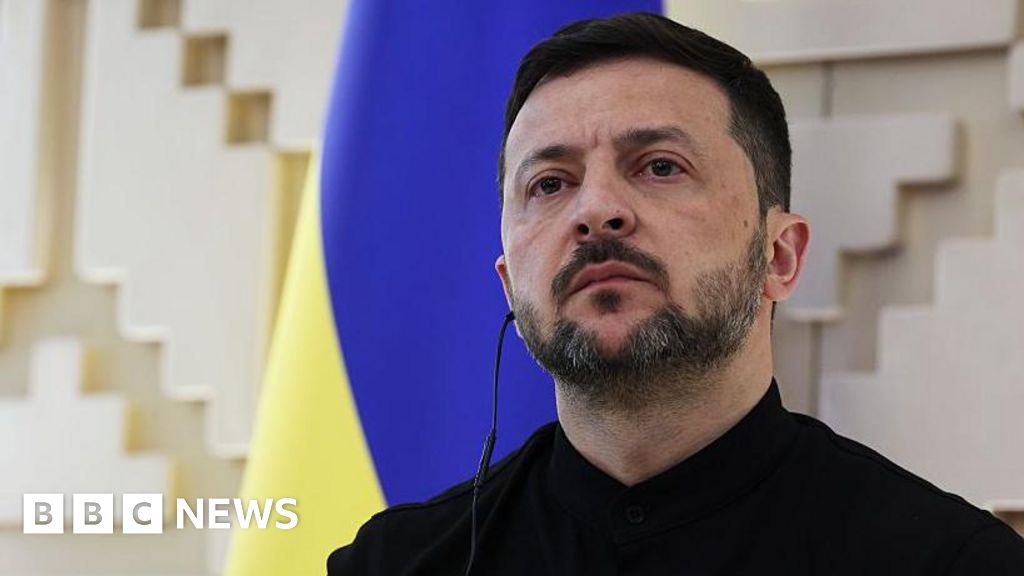
Amidst the ongoing turmoil in Ukraine, recent diplomatic efforts reveal the complex web of geopolitical maneuvering aimed at de-escalating the conflict. Ukrainian President Volodymyr Zelensky disclosed that the United States has proposed a contentious plan requiring Kyiv to withdraw from the eastern Donetsk region, in exchange for the creation of a “special economic zone.” This proposal underscores the intense pressure Western allies are exerting to bring about a resolution, yet it also highlights the profound stakes involved—how decisions made now will shape the future security landscape of Europe. Zelensky’s acknowledgment of unresolved issues—particularly control of the Zaporizhzhia nuclear power plant—exposes how delicate progress remains. As Europe’s largest nuclear installation sits perilously on a frontline under Russian control, the potential for escalation remains tangible, threatening to ignite a broader regional crisis.

Global analysts and international institutions have expressed cautious skepticism about the prospects for peace. The negotiations, having been recalibrated numerous times, reflect a pattern of strategic ambiguity and conflicting national interests. Ukraine insists on maintaining its territorial integrity, rejecting Russia’s demands to relinquish approximately 30% of Donetsk. Meanwhile, the Russian Federation seeks to cement its gains and create buffer zones, effectively reshaping the eastern frontier in its favor. Historians warning of the potential for prolonged conflict point out that such territorial concessions could set dangerous precedents, emboldening future aggressions. The overarching geopolitical impact is clear: a failure to reach a balanced agreement risks creating a destabilized, bifurcated Ukraine, with lasting repercussions for European security and the integrity of international borders.

Simultaneously, Russia has signaled a strategic intent to position itself favorably in forthcoming negotiations, with Foreign Minister Sergei Lavrov touting recent talks with Vladimir Putin as a sign of Moscow’s resolve to shape the peace process. Moscow’s refusal to entertain foreign military presence within Ukraine—viewed as a direct threat to Russian security—compounds the challenge Kyiv faces in securing credible security guarantees. The U.S. government, meanwhile, balances its support for Ukrainian sovereignty with diplomatic caution, aware that public support may wane and geopolitical alignments could shift. Zelensky’s candid acknowledgment of the potential end of American support underscores the overarching uncertainty clouding the future—how long can Ukraine rely on foreign aid before the geopolitical tides shift once more?

As international diplomacy navigates the treacherous waters of war, the world watches how history continues to be written in real-time. The unresolved issues—territorial integrity, nuclear security, national sovereignty—are more than mere points of negotiation; they are the battleground where the future of sovereignty, security, and international order is being contested. In this moment, the weight of history hangs heavily—each decision, each compromise, potentially reshaping the map of Europe and the balance of global power for decades to come. The question remains: will diplomacy prevail, or will these fragile negotiations be shattered by the relentless march of geopolitics? The story is still unfolding, and the stakes could not be higher.

Putin: Russia will seize Donbas or Ukraine's forces will retreat — no third way
Putin: Russia will seize Donbas or Ukraine’s forces will retreat — no third way

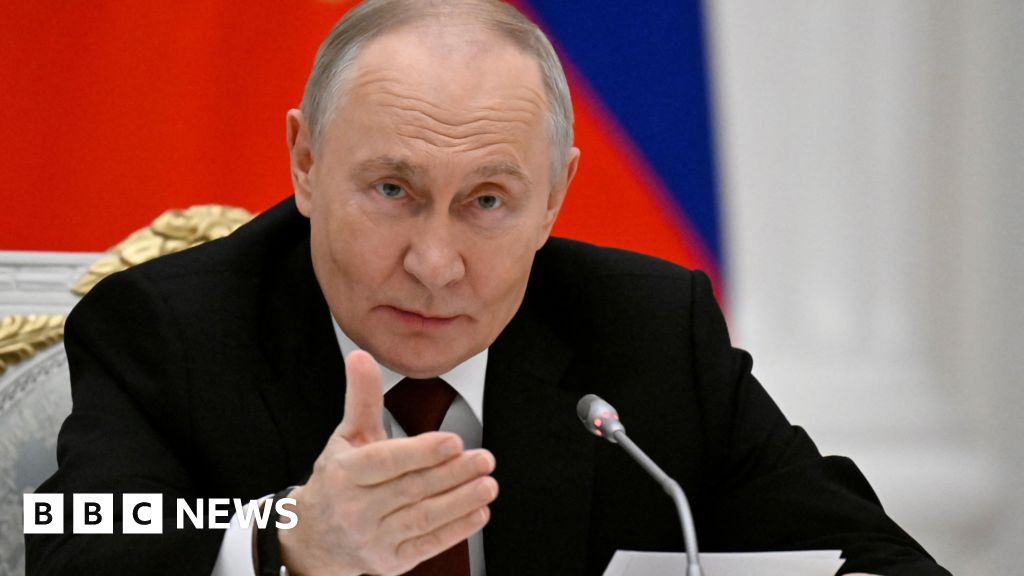
As Russia intensifies its military campaign in Ukraine, the global geopolitical landscape is witnessing a critical turning point. President Vladimir Putin has issued stark warnings, asserting that Ukrainian forces must withdraw from the Donbas region, or Russia will incorporate it forcibly. Moscow’s control of approximately 85% of Donbas underscores its strategic military gains and the shift in power dynamics that could reshape Eastern Europe. Putin’s stance dismisses diplomatic negotiations, emphasizing that military force remains the primary instrument for resolving territorial conflicts.

Meanwhile, Ukrainian President Volodymyr Zelensky persists in rejecting any territorial concessions, firmly stating that Ukraine will not cede land to Moscow. This steadfast position highlights Ukraine’s determination to uphold its sovereignty amid relentless pressure. International organizations and security analysts warn that continued Russian advances threaten the stability of the region, potentially destabilizing neighboring countries and fueling broader conflicts. The diplomatic efforts, notably involving the United States and European Union, are characterized by cautious optimism, but many experts argue that conflicting interests and conflicting narratives have complicated genuine peace negotiations.

Recent discussions in Moscow between Steve Witkoff, a representative of former President Donald Trump, and Ukrainian delegates have demonstrated the complexity of the diplomatic dance. The original US peace plan, which proposed ceding some Ukrainian-controlled territories to Russian influence, was met with skepticism by President Putin. A modified version was presented, yet Putin revealed he had not been briefed on the new terms, suggesting a fundamental disconnect in negotiations. Key sticking points remain unresolved, especially concerning the future status of Ukrainian territory seized by Russia and the security guarantees essential for Kyiv’s survival.

European leaders, as revealed by a confidential transcript obtained by Der Spiegel, expressed concerns that the United States might prioritize strategic interests over Ukraine’s territorial integrity. French President Emmanuel Macron reportedly warned that the US could betray Ukraine regarding territory without providing clarity on security assurances, a claim denied by the Élysée Palace. The warnings from Friedrich Merz and Alexander Stubb further emphasize the diplomatic fragility, with some European leaders urging extreme caution in engaging with the ongoing negotiations, wary of possible betrayals. These divisions expose a Europe increasingly divided over how to respond to Russia’s expansionism and threaten to weaken collective resolve in defending Ukrainian sovereignty.

The outcome of these high-stakes negotiations could redefine the balance of power in Europe and influence future international stability. With Russia increasingly confident in its battlefield gains and Western powers cautious but divided in their approach, the trajectory of this conflict could either lead to a fragile peace or a prolonged, unreadable stalemate. The words of historians and analysts echo a sobering warning: the decisions made today are shaping the history of tomorrow, where choices made in the corridors of diplomacy and war could have irreversible consequences for freedom and sovereignty across the continent. As the weight of history presses heavily on the present, the world watches, waiting to see whether the tides of conflict will turn toward peace or further chaos—an uncertain future still being written on the bloody canvas of history.

Zelenskyy Confronts Rising Chaos as Yermak’s Fall Reshapes Ukraine’s Power Balance

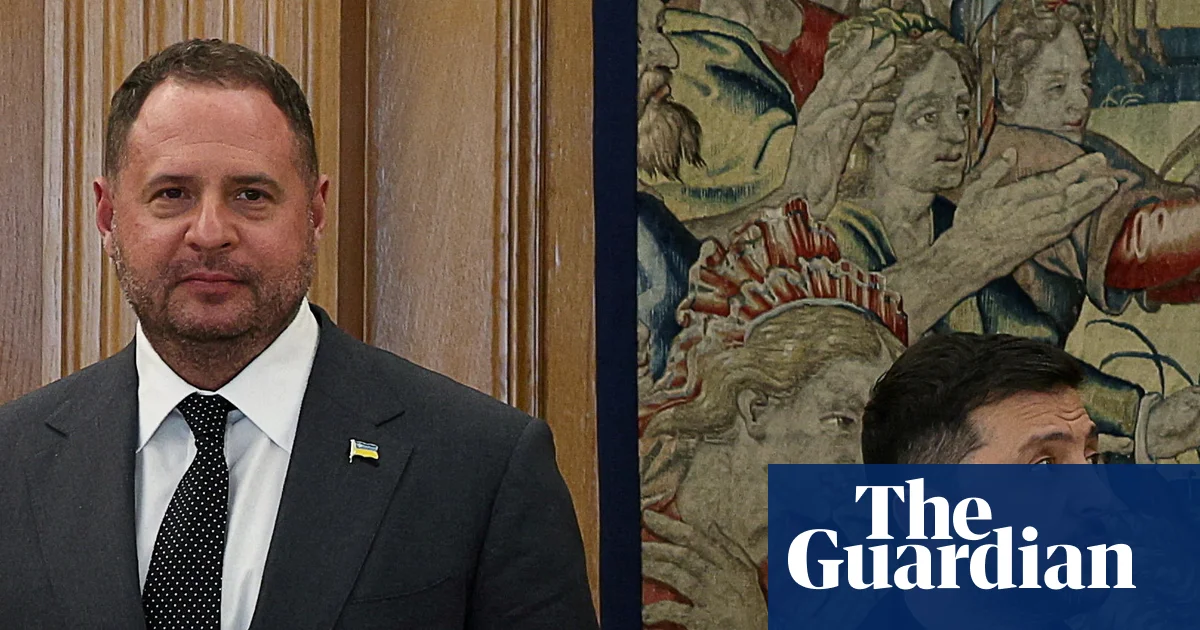
Ukraine stands on the brink of a major political upheaval, as it grapples with the fallout from the recent resignation of Andriy Yermak, President Volodymyr Zelenskyy‘s closest adviser and key figure in domestic and international negotiations. Yermak’s departure, triggered by anti-corruption searches of his residence, signals a disruption of the carefully balanced power structure in Kyiv—a city already under immense pressure from the ongoing conflict with Russia. Renowned analysts warn that this event could serve as a watershed moment in Ukraine’s internal governance, with reverberations felt across its international alliances and peace prospects.

  • Yermak, a former lawyer and film producer-turned-politician, became the backbone of Zelenskyy’s inner circle, wielding influence over foreign policy, security talks, and political strategy.
  • The anti-corruption probe, which seized laptops and phones from his residence, has cast a shadow over Ukraine’s leadership, threatening to unravel years of political consolidation and shaking public confidence.
  • Political insiders highlight that Yermak’s control over sensitive connections and information made him an indispensable gatekeeper, effectively limiting access to the president from the wider elite and opposition elements.

Historians and international observers cite the anti-corruption crackdown in Ukraine as a potential turning point that could either pave the way for reform or deepen societal division. The scandal follows years of popular discontent with endemic corruption—a persistent problem that undermines Ukraine’s democracy and deters foreign investment crucial for recovery. As Kyiv attempts to strike a delicate balance between internal stability and external support, the fallout from Yermak’s demise underscores the broader geopolitical struggle between Western interests and entrenched local elites. commentators like veteran analyst Michael Lee have warned that losing a figure like Yermak may weaken Ukraine’s bargaining position in ongoing peace negotiations with Russia, making the prospect of a negotiated settlement even more tenuous.

International organizations such as the International Monetary Fund and the European Union have been pushing Kyiv for political reforms and transparency, viewing the recent developments as evidence of the urgent need for structural change. The scandal has exposed how intertwined Ukraine’s political elite are with vested interests, chipping away at the fragile trust necessary for sustained reform. Many experts believe that if Kyiv is to maintain Western support, it must confront these internal fissures head-on, even if it means a painful reorganization of its political hierarchy. Meanwhile, the events in Ukraine serve as a sobering reminder of how internal power struggles and corruption can threaten to undo years of international efforts aimed at stabilization and democratization.

As the dust settles, the nation faces a period of uncertainty—some fearing that further revelations could ignite instability, others hopeful for a second chance at reform. The echoes of this crisis will resonate well beyond Ukraine’s borders, shaping regional stability and the global strategic calculus. The unfolding saga of Yermak’s fall is more than a domestic story; it is a chapter in the larger narrative of a nation fighting not only external enemies but also confronting the corrosive effects of corruption within. The true test will be whether Ukraine’s leadership can harness this moment to forge a more transparent and resilient political future — or whether this turbulence will become yet another scar in the evolving history of a nation determined to forge its destiny amid the chaos of a world still at war.

Zelensky: No Concessions — Protect Ukraine’s Land in Ongoing Talks

Ukraine and the International Power Play: A Delicate Balance on the Brink of Change

The ongoing crisis in Ukraine remains a defining flashpoint in Europe and the broader world. President Volodymyr Zelensky has publicly acknowledged the “important steps” taken during recent negotiations in Geneva. Yet, beneath this diplomatic veneer lies an unwavering tension, primarily surrounding the “main problem” — Vladimir Putin’s demand for legal recognition of Russian-occupied territories. The geopolitical implications of this sticking point threaten to reshape the very fabric of regional stability, as Kyiv emphasizes the inviolability of its sovereignty amid international pressure to accept Ukraine’s territorial integrity as a non-negotiable principle. Historians warn that conceding on such issues could establish a dangerous precedent, undermining international law and emboldening future aggressors.

Diplomatic Stalemates and the Shadow of Superpower Politics

In a move that underscores the complexity of the diplomatic manoeuvring, the recent talks involved a 28-point peace plan drafted by US and Russian officials. This plan, presented in October, has caused significant concern among Kyiv and its European allies, especially since it seemingly favors Russia’s long-standing territorial claims. Key elements include the withdrawal of Ukrainian forces from contested districts, which would be declared a demilitarized zone and recognized as Russian territory. Such provisions directly clash with Ukraine’s constitution and its desire for NATO membership — a move Kyiv views as essential for its national security and endurance against future invasions.

European leaders, including German Chancellor Friedrich Merz and Polish Prime Minister Donald Tusk, have expressed skepticism about the prospects for peace, emphasizing that the diplomatic process will likely stretch on for a “lengthy, long-lasting” period. Moreover, the absence of Russian participation in the Geneva talks, coupled with kremlin officials’ skepticism about the revised peace proposals, signals a grave message: the core issues remain unresolved. Experts argue that without Moscow’s explicit buy-in, any diplomatic breakthrough risks dissolving into another cycle of broken promises and deferred resolutions.

How International Decisions Shape Lives and Nations

As the diplomatic deadlock persists, the geopolitical impact extends beyond mere borders, touching the very lives of millions. The European Union and NATO are grappling with the political fallout, as debate rages over Ukraine’s future. The contentious inclusion of language that excludes any recognition of Russian-held regions signals a deeper divide—one where victory and defeat seem inherently linked to the principles of sovereignty and independence versus geopolitical expediency. Analysts contend that such negotiations are not merely about land but about which cultural, political, and societal values will define the 21st-century order. The question remains: will diplomatic efforts lead to a peaceful resolution, or will the relentless push for territorial status quo prolong the conflict, casting a shadow over generations?

The next chapters in this unfolding saga will feature high-stakes conversations between President Zelensky and Donald Trump, with the potential for a reconfigured peace plan to emerge. Yet, as international observers warn of, this fragile peace hangs in a delicate balance, vulnerable to the shifting tides of diplomacy, power struggles, and the unwavering will of nations to preserve or eradicate sovereignty. The true test of history is whether these fleeting agreements will forge a lasting peace or sow the seeds for further chaos, leaving humanity to grapple with the consequences of decisions made today—for the future as much as for the present.

Trump blasts Ukraine’s lack of gratitude for peace efforts amid global talks

Global Power Play in Ukraine: A Tense Flashpoint with Lasting Consequences

In what could be a pivotal moment in international relations, recent developments surrounding the ongoing situation in Ukraine reveal an intricate web of diplomacy, suspicion, and geopolitical tension. As U.S., European, and Russian actors converge in Switzerland and Geneva to discuss peace negotiations, the world watches with bated breath. The core of this crisis lies not only in Ukraine’s sovereignty but in the broader contest for influence—an ideological and strategic struggle that threatens to redefine the post-Cold War security order.

Amidst the dialogue, claims from Donald Trump and other U.S. officials about a proposed “peace plan” have stirred controversy. Trump accused Ukraine of ingratitude for U.S. efforts, while European leaders, including Ursula von der Leyen and Friedrich Merz, sharply criticized parts of the plan that suggest Ukraine cede territory and limit its military capabilities. These demands—crafted, according to reports, by Kirill Dmitriev, a key Kremlin figure—pose a direct challenge to the core principles of Ukraine’s territorial integrity and NATO’s eastward expansion, which is seen by many Western analysts as essential for European stability. The plan’s language, reportedly translated from Russian, hints at Moscow’s enduring desire to roll back NATO’s post-1997 borders, echoing Putin’s pre-invasion rhetoric and ambitions to restore what he perceives as Russia’s rightful sphere of influence.

Deciphering the Geopolitical Impact: Who Shapes the Future?

  • On one side, the United States appears to be caught between supporting Ukraine’s sovereignty and internal political debate, exemplified by recent mixed messages from figures like Marco Rubio. While some senators suggest the plan is a Russian-inspired leak, others insist U.S. involvement, with “input” from Russia, was significant—highlighting the complex, often contradictory nature of Washington’s diplomacy in this crisis.
  • Meanwhile, European leaders emphasize that any peace arrangement must respect Ukraine’s borders and security. German Chancellor Friedrich Merz has expressed skepticism about an imminent agreement, cautioning against accepting demands that would undermine Ukraine’s sovereignty or set a dangerous precedent for other nations.
  • Russia’s ambition remains clear: force NATO’s military footprint back to its 1997 boundaries and undo the strategic security architecture established in the post-Cold War era. Putin’s call for NATO to withdraw from Baltic states and central Europe signals an attempt to reassert Moscow’s dominance—a move that threatens European stability and global security.

The international community, especially European nations, fears that acquiescing to Moscow’s demands would trigger a dangerous precedent, potentially encouraging territorial revisions by authoritarian regimes elsewhere. A senior European diplomat warned that accepting such a plan would undermine decades of diplomatic progress and embolden other revisionist states, creating a fragile, unpredictable global order. Historians like John Mearsheimer have long warned that concessions to revisionist powers can encourage future aggression, and current signals appear to confirm these fears.

How the Decision Shifts Societies and the Arc of History

The stakes extend far beyond military borders. If Ukraine is forced into concessions, it risks losing not only territory but also its sovereignty—something that would resonate deeply across Europe and the West. President Volodymyr Zelenskyy faces a tragic dilemma: to compromise on core national interests or to risk losing vital Western support. The result would be a divided Europe, where the principles of self-determination and security are compromised in favor of expedient peace—potentially repeating the dangerous appeasements of the interwar period.

Furthermore, the emerging international consensus underscores a stark reality: the future security architecture of the continent hinges on decisions made today. As analysts caution that Russia aims to turn back the clock decades, the global balance of power remains unsettled. The unfolding negotiations are more than simple diplomacy—they are the battlefield of ideas and influence, where the outcome will shape the geopolitical landscape for generations.

As history continues its relentless march, the world stands at a fragile crossroads—a place where the choices made now will echo through the annals of history. Will nations defend their sovereignty and uphold the principles that underpin stability, or will they succumb to pressures that could unravel the delicate fabric of peace? In this unfolding drama, the weight of future generations rests on the resolve of leaders to stand firm, knowing that the course of history has yet to be written, and the story of Ukraine’s resilience remains a poignant testament to the ongoing struggle for sovereignty and global stability.

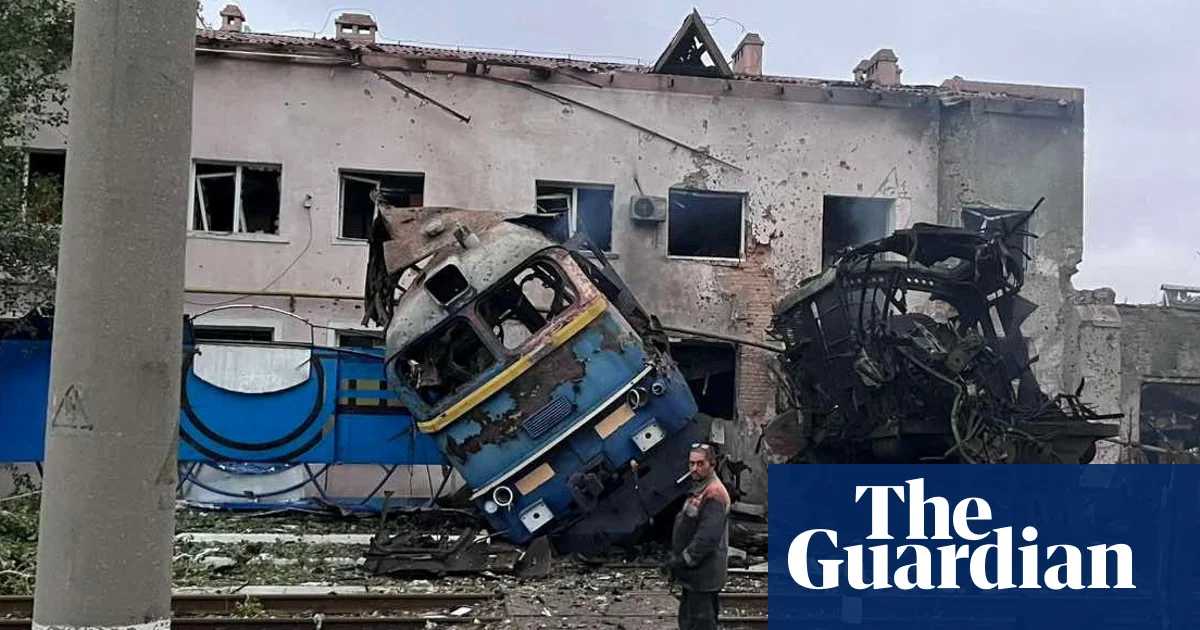
Russia ramps up train strikes as Ukraine’s rail network faces sharper attacks

In a dramatic escalation of Russia’s ongoing conflict with Ukraine, the country’s critical railway infrastructure has come under a relentless barrage of attacks since July 2025. According to Oleksii Kuleba, a deputy prime minister responsible for infrastructure, the number of assaults has tripled in just the last three months — from 800 attacks earlier this year to over 3,000 damaged objects, with cumulative damages reaching an estimated $1 billion (£760 million). These targeted strikes, primarily carried out through advanced drone technology, aim to cripple Ukraine’s logistical backbone, which is vital for both civilian commerce and military support in the eastern front.

The geopolitical impact of these attacks extends far beyond the immediate destruction. Ukraine’s extensive rail network, which moves more than 63% of the country’s freight—including essential grain exports—and 37% of passenger traffic, is a lifeline that sustains the nation’s economy and its war effort. No civilian airports have operated since the onset of the full-scale invasion, making rail mobility the sole conduit for both international aid and government leadership visits. As Ukrainian officials scramble to fortify this critical infrastructure—installing electronic countermeasures and deploying specialized air-defense units—the relentless assault exposes a brutal truth: Russia’s strategic objective is to undermine Ukraine’s logistical capacity, directly impacting the nation’s ability to sustain itself during wartime.

Behind the scenes, international analysts and military experts have echoed concern over the new precision of Russian drone strikes. Serhii Beskrestnov, a Ukrainian military drone specialist, warns that as Russia’s drone technology advances, the vulnerability of Ukraine’s train system will only deepen. The slow-moving trains, following predictable routes vulnerable to high-precision strikes, may soon face the moment where the tracks remain intact but without rolling stock to operate upon them. This scenario underscores a haunting possibility: the initiative to destroy Ukraine’s analog and digital infrastructure is a calculated, systematic effort to choke off the country’s ability to move supplies and personnel, ultimately aiming to capitulate the Ukrainian resistance from within.

The international community’s response remains divided, with Western nations providing military aid but also grappling with the long-term consequences of intensifying hostilities. Critics argue that Russia’s strategy seeks to destabilize Ukraine’s logistical framework, thereby forcing Kyiv into a perilous choice of capitulation or prolonged struggle. Official figures attribute these attacks to Moscow’s deliberate campaign to disrupt Ukraine’s southern logistics—blocking vital seaports—and to sow chaos in strategically significant regions such as Chernihiv, Sumy, and the industrial Donbas area. As the situation narrows down to a high-stakes chess match, historians warn that history may record this as the moment when Ukraine’s railways became the battlefield’s silent victims and the last hope of resilience against encroaching chaos.

With each passing day, the weight of history hangs heavier. The destruction of Ukraine’s railway system is more than a military tactic; it symbolizes a broader struggle for sovereignty, economic stability, and national identity. As Kyiv’s resilience is challenged and the world watches, the outcome remains uncertain. But one thing is clear: the fate of Ukraine’s railways—and perhaps the future of the nation itself—rests on the unfolding decisions of global leaders and their responses to this ongoing assault on vital infrastructure. The chapter of this conflict remains unwritten, yet the lessons of today will echo through history, etching the ongoing conflict into the annals of geostrategic shadows—where resilience and desperation collide amid the relentless march of war.

Six Killed as Russia Strikes Ukraine’s Energy and Homes

Russian Attacks Escalate as Ukraine Struggles to Hold Ground

In an alarming display of ongoing hostilities, Russia launched a significant barrage of missile and drone attacks against Ukraine overnight, marking yet another chapter in this brutal conflict. At least six civilians have tragically lost their lives, while dozens more are wounded amid relentless strikes targeting energy infrastructure and residential areas across the nation. Key cities such as Dnipro and Zaporizhzhia were hit hardest, with residential buildings reduced to rubble and vital energy facilities severely damaged. As winter approaches, the Ukrainian government faces a mounting challenge — how to maintain essential services and morale in a climate of war-induced hardship. Prime Minister Yulia Svyrydenko confirmed that emergency work is underway to restore power in affected regions, yet the scale of the destruction underscores the strategic objective behind these assaults: to cripple Ukraine’s ability to sustain itself through the cold months ahead.

According to Ukrainian military sources, Russia employed more than 450 attacking drones and 45 missiles in this latest offensive, with Ukrainian forces managing to down a significant portion—around 406 drones and nine missiles—demonstrating the ongoing technological contest between the two nations. Analysts warn that these attacks are likely aimed not only at military targets but also at sapping the war-weary population’s resilience and economic stability. The disruption of energy supplies threatens to plunge large swaths of Ukraine into darkness and cold, potentially undermining civilian morale at a critical juncture. Meanwhile, Russia defends these actions as legitimate military operations targeting Ukraine’s military infrastructure, a claim dismissed by Kyiv and Western allies as an attempt to terrorize civilians and undermine national sovereignty. Historians and strategic analysts note that this cycle of aggression marks a pivotal moment—one that could either deepen Ukraine’s resolve or accelerate its vulnerabilities in the coming winter months.

The international community watches anxiously as President Zelensky and Western leaders demand stronger sanctions and more decisive actions against Moscow. Zelensky explicitly called for “no exceptions” in sanctions targeting Russian energy—the very lifeblood of the Russian economy—as a means to pressure Moscow into ceasing its assaults. His appeal comes amid a complex geopolitical backdrop, where recent policies by the United States exemplify the tense balancing act of diplomacy and economic warfare. Just hours before these attacks, the U.S. granted Hungary a one-year exemption from restrictions on oil and gas imports from Russia, a decision that drew criticism from Kyiv and some European capitals. This exception underscores fears that some Western nations may be wavering when it comes to fully countering Moscow’s strategic energy leverage, jeopardizing the unity needed to support Ukraine’s fight for sovereignty.

The unfolding crisis threatens to define the geopolitical landscape for years to come. As Western sanctions strain Russian resources, Moscow’s response has been to escalate attacks and project resilience, seeking to redefine the rules of engagement and energy diplomacy. International organizations and security analysts warn that these developments could set a dangerous precedent, emboldening Russia to continue its expansionist policies. Against this backdrop, Ukraine’s youthful defenders and resilient civilians stand at a crossroads—faced with the daunting reality that every strike, every blockade, is an act of history in the making. The battle today is not just for territory but for the preservation of sovereignty and the future of a free society. As the winter looms and the world watches, the true resilience of Ukraine—and the ability of the free world to stand united—may determine the shape of peace in the years ahead. In this epic struggle, history’s pen continues to write, and the weight of the future hangs precariously in the balance.

Kyiv hit hard by Russia’s large-scale strike on Ukraine’s energy grid—Europe watches as power is cut back

Global Power Dynamics in Chaos: Russia’s Assault on Ukraine and Europe’s Political Turmoil

In a stark demonstration of geopolitical instability, the recent escalation of attacks against Ukraine by Russia has plunged Kyiv into darkness and chaos, compelling the international community to reassess the delicate balance of power. Early Friday morning, Kyiv was hit by what the Ukrainian Air Force called a “massive attack,” involving over 450 drones and 30 missiles, targeting critical infrastructure and energy supplies across the country. These relentless assaults resulted in power outages in nine regions and ignited fires in residential buildings, including a high-rise in Kyiv, exemplifying Russia’s strategic effort to weaken Ukraine’s resilience amidst ongoing conflict.

The Ukrainian President Volodymyr Zelenskyy condemned the attack as a blatant act of aggression aimed at undermining Ukraine’s sovereignty and destabilizing its fragile infrastructure. The attack’s scale, which included ballistic missiles and strike drones, marks a significant escalation in Moscow’s campaign to cripple Ukraine’s energy grid, which the energy minister Svitlana Grynchuk described as “a massive strike.” This attack not only disrupts daily life but also signals Russia’s intent on prolonging the conflict, further testing Kyiv’s capacity for resilience and its allies’ support. Analysts from the International Atomic Energy Agency (IAEA) have indicated efforts are underway to restore power to the Zaporizhzhia nuclear plant, which has been isolated from external power sources for over two weeks—highlighting the dangerous brinkmanship and the persisting threat of nuclear instability in the region.

How These Decisions Shaped a War’s Turning Point

  • Russia’s deployment of hundreds of strike drones and missiles explicitly aims at crippling Ukraine’s infrastructure, forcing widespread blackouts and mounting civilian casualties.
  • Kyiv desperately seeks international support, especially advanced air defense systems, to counter such relentless aerial assaults, emphasizing the international stakes of Ukraine’s sovereignty.
  • Within Russia, Kremlin strategists, historians, and military analysts debate the limits of this new escalation, as Moscow’s rhetoric remains unwaveringly aggressive, signaling the possible extension of hostilities into broader European territory.
  • The international community, led by voices such as NATO officials and United Nations representatives, warn that these acts could push the region toward a new Cold War era, with global repercussions and strained alliances.

Amid the chaos, Europe faces internal contractions among its political fabric. French President Emmanuel Macron convened an emergency meeting of mainstream political parties to navigate a crisis rooted in fragile governance, as the country grapples with persistently low growth and a fractured parliament. Meanwhile, in Belgium, authorities uncovered a plot to ignite drone-mounted explosives targeting politicians, including the Prime Minister, reflecting the growing shadow of radical extremism in the continent’s security landscape. These security risks, coupled with Europe’s increased defense investments—most notably Sweden’s billion-crown plan to expand anti-drone systems—highlight a continent awakening to new aerial threats with Eurasian powers as central players.

New Alliances and Shifting Borders: A Clash of Empires

Meanwhile, on the international stage, US President Donald Trump has reignited long-standing tensions by suggesting that NATO should consider expelling Spain over its lagging military expenditures in the face of the European security crisis. Trump’s demands underscore an ongoing push for European nations to shoulder more responsibility, aligning with a broader, more confrontational American stance on European defense matters. Conversely, NATO nations are contemplating the rising threat of aerial violations; Sweden’s €367 million investment in anti-drone technology exemplifies a continent-wide recognition of hybrid warfare’s evolving landscape, with accusations of Russian involvement in drone sightings rattling European skies.

As the whirlwind of violence in Ukraine and the shifting sands of European political stability threaten to ignite a broader conflagration, the weight of history hangs heavy. The decisions made in the coming weeks—whether Ukraine’s allies strengthen their resolve or Russia escalates further—will determine whether this is merely a preamble to a larger war or the dawn of a new era shaped irreversibly by the choices of powerful nations. The pages of history are turning swiftly, and amid the shadows of conflict, the world holds its breath, gazing toward an uncertain horizon where the currents of geopolitics continue to carve their indelible marks into the fabric of history.

Social Media Auto Publish Powered By : XYZScripts.com