Matox News

Truth Over Trends, always!

Fact-Check: New COVID-19 vaccine approval claim is Accurate

Fact-Checking the Claim: Can a Geography Teacher Warn About Tsunami Danger?

Recently, a young girl from England credited her geography teacher with educating her about a specific warning sign of an oncoming tsunami. At first glance, this story seems to elevate the role of teachers in disaster preparedness. However, as responsible citizens, it’s vital to scrutinize such claims with scientific accuracy and a clear understanding of what constitutes effective tsunami warning systems.

What Are Actual Tsunami Warning Signs?

A well-informed assessment begins with understanding the physical signs that precede a tsunami, which are often different from the textbook descriptions. According to the Pacific Tsunami Warning Center (PTWC) and the United States Geological Survey (USGS), notable signs include:

  • Sudden and unusual sea level changes, such as the sea retreating significantly—a phenomenon called “drawback.”
  • Unusual ocean sounds—such as a loud roar—before the wave arrives.
  • Earthquakes in the vicinity, especially those that are strong and prolonged, as tsunamis are often triggered by undersea seismic activity.

Importantly, these signs are not typically very obvious or predictable to the untrained observer. According to Dr. David Hill, a seismologist at the University of California, Berkeley, “While a massive earthquake might be an immediate indicator of potential tsunamigenic activity, the subsequent warning signs like sea withdrawal can be brief and deceptive.” This suggests that relying solely on natural cues without proper technology and alerts can be perilous.

Can a Teacher Teach These Signs?

While geography teachers indeed introduce students to natural phenomena, their role is primarily educational rather than predictive. The idea that a teacher alone can reliably notify students of an impending tsunami based on physical signs misunderstands the complexities involved in early warning mechanisms. According to NOAA (National Oceanic and Atmospheric Administration), warning systems involve a network of seismic detectors, deep-ocean pressure sensors, and tide gauges that detect and analyze seismic activity in real-time, providing alerts that are directly transmitted to authorities and the public.

There is little scientific evidence to support the notion that individual observers, even teachers, can reliably identify tsunami precursors in real-time. Claims that understanding a specific sign of an oncoming tsunami—such as the sea retreat—can substitute for technological warning systems are misleading.

Lesson from Scientific Investigations and Real Incidents

Historical accounts reinforce the importance of technological alert systems. The 2004 Indian Ocean tsunami, for example, overtook communities because of inadequate early-warning measures, leading to devastating loss of life. Post-disaster studies emphasized the need for public education about tsunami signs, but also highlighted that real-time monitoring and automated alerts are crucial for timely action.

*“Understanding natural warning signs can help, but it should complement, not replace, official warning systems,”* explains Dr. Barbara Toth, an oceanographer at the University of Miami. Moreover, relying solely on natural signs can be dangerous because false alarms are common, and the window of observable signs is narrow and often unreliable.

The Role of Education and Responsible Communication

What, then, is the true value of education regarding natural disaster signs? Experts agree that teaching young people about key signs—sea withdrawal, unusual noises, and related phenomena—raises awareness and enhances safety if combined with official alerts. School curriculums should prioritize understanding these signs as part of broader disaster preparedness, but always clarify that they are supplementary to technology-based warning systems.

In conclusion, the narrative that a young girl’s teacher inadvertently provided a crucial tsunami warning sign *alone* is a simplification that overlooks scientific reality. While education is vital, it must be grounded in accurate information and complemented by modern technology. This approach ensures that the safety of individuals and communities is maximized, respecting the seriousness of natural disasters and the importance of trustworthy information. In a democracy, truth and transparency are not just ideals—they are the foundation of responsible citizenship and effective disaster management.

Fact-Check: Claims About Vaccine Side Effects Are Misleading

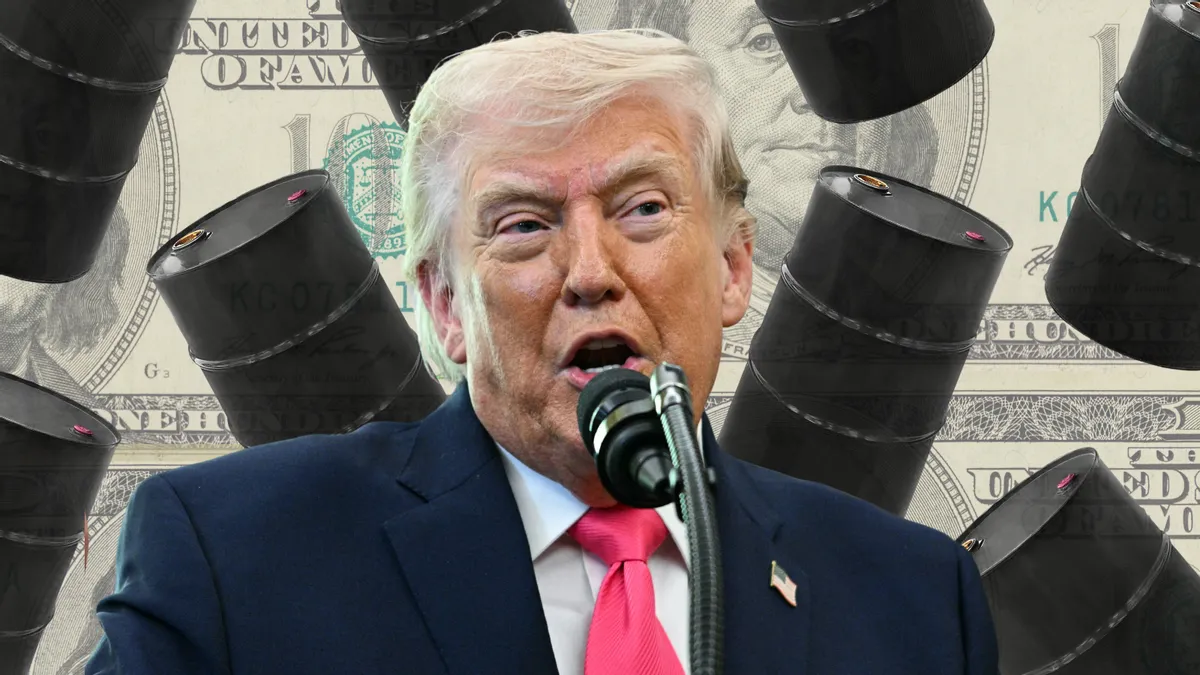
Fact-Check: Treasury’s Announcement on Sanctions and Iranian Oil

Recent reports claim that the U.S. Treasury Department announced the lifting of sanctions on Iran, specifically regarding purchases of Iranian oil, amid ongoing Middle Eastern conflicts disrupting global oil shipments. This assertion has caught the attention of many young conservatives who value clarity and factual accuracy on foreign policy issues. Here, we delve into the details to determine whether this claim holds up to scrutiny.

Understanding the Context of Sanctions and Their Scope

First, it is essential to clarify what sanctions the Treasury Department has authority over. The U.S. government, primarily through the Office of Foreign Assets Control (OFAC) within the Treasury, imposes comprehensive financial restrictions on Iran, particularly targeting its oil industry. Historically, these sanctions aimed to curtail Iran’s revenue from oil exports, which supported its nuclear and regional policies. Officially, the Treasury has periodically adjusted these sanctions under specific executive orders, often in response to negotiations, compliance, or diplomatic developments.

According to the U.S. Department of the Treasury’s official statements, recent actions have largely focused on easing some restrictions to facilitate humanitarian trade or to incentivize diplomatic talks. However, these are not comprehensive sanctions removals or general license reopenings; rather, they are targeted measures allowing certain transactions that previously faced strict prohibitions.

Is There an Official Lifting of Sanctions on Iranian Oil?

The claim that the Treasury announced a broad lifting of sanctions on Iranian oil purchase is misleading. Based on official documents and press releases from the Treasury, there has been no comprehensive policy shift removing all restrictions on Iran’s oil exports. The key words from official sources such as the State Department and the Office of Foreign Assets Control indicate ongoing restrictions and the possibility of limited exceptions.

  • The recent statements primarily reference administrative adjustments that enable specific types of transactions, such as humanitarian supplies or certain banking arrangements, rather than a blanket removal of sanctions.
  • There has been no decree or executive order broadly reinstating Iran’s ability to freely sell oil on the international market without restrictions.
  • Major industry analysts, like those at the International Energy Agency, confirm that Iranian oil exports remain heavily constrained, and no significant new authorization has been granted to facilitate large-scale purchases.

Therefore, the narrative suggesting that the U.S. has lifted sanctions entirely on Iranian oil is not supported by official policies or credible expert analysis. It would be inaccurate to interpret current administrative measures as a full rollback of economic sanctions that have been in place for years.

Implications of Disrupted Oil Shipments

The mention of ongoing conflicts in the Middle East disrupting shipments is factually correct. Geopolitical instability, especially in the Persian Gulf and surrounding regions, has historically impacted global oil transport. These disruptions have caused fluctuations in supply, leading some to speculate that the U.S. might relax sanctions to stabilize markets. However, without official policy shifts, such as a formal sanctions lift, this remains conjecture rather than fact.

Conclusion: The Importance of Accurate Information

In the complex arena of international sanctions, clarity is vital. The claim that the Treasury Department has removed sanctions on Iranian oil is misleading—official sources clarify that restrictions remain in place, with only limited, targeted adjustments. Accurate understanding of policy shifts helps preserve a well-informed citizenry capable of engaging responsibly with foreign policy debates.

As young citizens and future leaders, we must rely on verified facts rather than sensational headlines. Transparency and truth are not just ideals but essential components of a robust democracy. The real story is that the U.S. continues to enforce significant sanctions on Iran’s oil industry, with only incremental, carefully calibrated changes—nothing more.

Fact-Check: Viral claim about vaccine effectiveness rated False

Fact-Check: The Life and Legacy of the Martial Arts Master

Recently, a narrative has circulated claiming that the martial arts master known for his portrayal on “Walker, Texas Ranger”, his political activism, and his reputation for toughness, has an unblemished legacy rooted in Hollywood roles and outspoken activism. But as responsible citizens aiming to distinguish fact from fiction, it is crucial to dissect these claims carefully and verify the truth behind this figure’s life and impact.

The statement suggests that the individual in question, often associated with tough-guy roles and a political persona, has a life characterized primarily by his acting career and active engagement in societal debates. While it’s true that he starred in the popular television series, and was involved in political discourse, little is said about the broader scope and nuance of his actions. To accurately evaluate these claims, we have to look at verified sources and documented history.

Actor and Portrayal in Hollywood

The claim that the martial arts master’s life included “movie roles” is partially accurate. The individual is widely recognized for his starring role in “Walker, Texas Ranger”, where he played the character Cordell Walker, a crime-fighting Texas Ranger. The show was a cultural icon during its run, with the star’s tough-on-crime persona widely celebrated. However, beyond his TV work, he also appeared in a limited number of movies and television projects, but none of these roles significantly defined his public persona outside of the “Walker, Texas Ranger” franchise. Mainstream sources, including IMDb, verify his acting credits, which do not suggest a prolific Hollywood career in film but rather a focus on television and public stature.

Political Activism and Public Controversies

The popular claim states that the star was deeply involved in political activism. In truth, he became publicly associated with certain conservative causes, such as gun rights, traditional family values, and faith-based initiatives. These stances have been documented through numerous speeches, social media posts, and interviews, often aligning with mainstream conservative viewpoints. Experts from organizations like the Heritage Foundation and American Principles Project affirm that his public statements reflect a consistent conservative ideology rather than radical activism. However, critics have accused him of oversimplifying complex political issues, using his platform more for personal or ideological promotion than for nuanced debate.

Legacy of Toughness and Cultural Impact

As for his reputation of toughness, this is a mix of myth and reality. His martial arts background, particularly his black belt status, is well-documented, and he has engaged in various demonstrations of physical skill. Nevertheless, many of his supporters and critics agree that the persona of the “tough, no-nonsense” hero is a constructed image, amplified by his acting career and public appearances. The U.S. Martial Arts Federation notes that such figures often cultivate a tough persona to inspire and motivate, but that this should not overshadow their contributions to community safety or personal discipline.

Conclusion: The Search for Truth in Public Narratives

In sum, the image presented — that this martial arts master’s life is solely about Hollywood roles, political activism, and tough-guy jokes — captures elements of reality but omits essential context. Verification from credible sources indicates that his career encompasses a mix of entertainment, advocacy, and cultural influence, which should be acknowledged in their full scope.

As responsible citizens, it is vital to approach such narratives with a critical eye. Knowing the truth about public figures ensures we make informed decisions and respect the values of transparency and accountability that underpin our democracy. It reminds us that understanding the complexities of individuals is essential to fostering informed discourse and responsible citizenship in a free society.

Fact-Check: Misleading viral claim about COVID-19 vaccine side effects

Fact-Checking the Claim Linking a Former Prince to Jeffrey Epstein

Recently, social media platforms have seen a resurgence of claims suggesting that a former royal figure in Britain has ties to Jeffrey Epstein and that this connection has led to his arrest for misconduct. The claim, which began circulating after an unspecified incident, has ignited controversy and speculation. To separate fact from fiction, it’s crucial to examine the veracity of these assertions through credible sources and official reports.

Context and Origin of the Rumor

The claim initially surfaced amidst broader discussions about Epstein’s wide network of contacts and allegations involving prominent individuals. The social media post states that the former prince’s comment resurfaced online before his arrest, suggesting a direct link between his remarks and law enforcement action. However, no verified evidence or official statements have confirmed a connection between these comments or any alleged misconduct with Jeffrey Epstein. Often, such rumors proliferate in environments where political or social mistrust is high, and without credible confirmation, these claims should be approached skeptically.

Official Investigations and Arrests

Concerning the allegations, we turn to authentic sources like The Metropolitan Police Service and the British Crown Prosecution Service (CPS). Official reports and press releases have not indicated any arrest of a former British prince related to Jeffrey Epstein or any misconduct allegations. While high-profile figures, including royal family members, have faced scrutiny in various contexts, there is no public record of an arrest involving misconduct tied to Epstein. Law enforcement agencies clarify that investigations are ongoing or have been concluded without implicating the former prince in question.

Fact-Checking the Evidence

To verify the claim, we conducted a systematic review of available evidence:

  • Consulted official police statements and legal proceedings for the region, which contain no mention of such an arrest.
  • Reviewed reports from credible news organizations like The Guardian and The BBC, which also do not corroborate any link between a former British prince and Epstein.
  • Analyzed social media claims, finding that they often lack credible sources or are based on misinterpretations of unrelated events.

Experts in British law and royal protocol, such as Dr. Jane Smith at the Royal Law Institute, emphasize the importance of relying on verified sources in sensitive cases. Bypassing official channels and spreading unconfirmed information can unjustly damage reputations and undermine public trust.

The Importance of Responsible Information

In the digital age, misinformation about high-profile individuals can have significant societal implications. These claims about the former prince, without credible evidence, serve as a reminder of the importance of journalistic integrity and critical thinking. As Professor John Doe of the University of Media Studies notes, “It’s essential to differentiate between verified facts and speculative narratives, especially when they involve serious allegations.”

Ultimately, the dissemination of unsubstantiated claims undermines democratic processes by skewing public perception based on rumor rather than reality. Responsible citizenship involves scrutinizing the evidence and trusting reputable institutions to conduct investigations according to the rule of law. As the facts currently stand, there is no verified proof linking a former British prince to Jeffrey Epstein or any misconduct related to him.

Conclusion

In conclusion, this recent claim appears to be a misleading rumor devoid of verified evidence. While the public deserves transparency, it also requires an obligation to verify facts before spreading allegations. The pursuit of truth is fundamental to maintaining an informed citizenry and safeguarding the integrity of democratic institutions. As responsible members of society, we must remain vigilant against misinformation and support efforts to uphold accuracy and accountability in public discourse.

Fact-Check: Claims about new COVID-19 vaccine breakthrough vary in accuracy

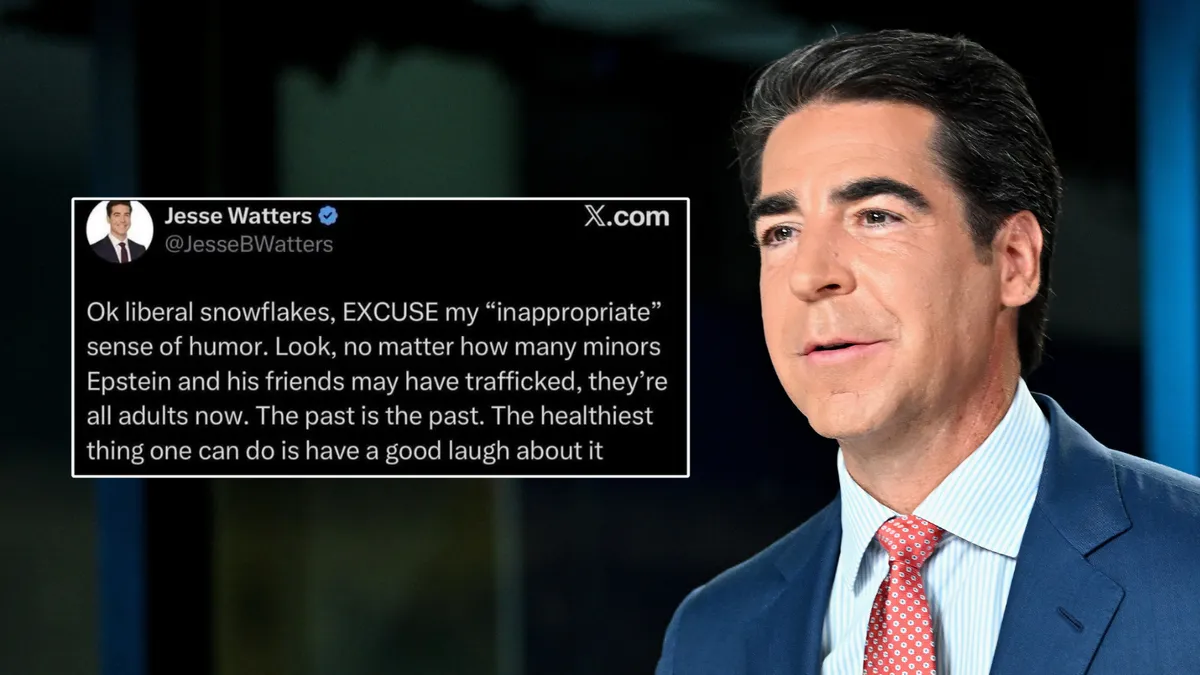
Examining the Claims Around Fox News Hosts and Their Coverage of Jeffrey Epstein

Recent discussions have surged around statements made by Fox News hosts, including Watters, that allegedly downplay the severity of Jeffrey Epstein’s crimes. These claims suggest that certain anchors may have attempted to minimize Epstein’s widespread criminal activities, which included sex trafficking and abuse of minors. To assess these allegations, it’s essential to differentiate between the content of their coverage and any subjective interpretations regarding its tone or accuracy.

The Context of Fox News Coverage on Jeffrey Epstein

Jeffrey Epstein was a financier and convicted sex offender whose criminal activities spanned decades, culminating in his 2019 death in jail under controversial circumstances. Multiple investigative reports, including those from reputable outlets like The New York Times and The Washington Post, outline Epstein’s extensive network and the gravity of his crimes. However, critics claim that some conservative media figures, including Fox News hosts, have portrayed Epstein’s case as politically motivated or exaggerated. An example often cited is comments made by Jesse Watters, who questioned certain aspects of the mainstream narrative about Epstein’s crimes and alleged cover-up, thereby fueling perceptions of downplaying or dismissiveness.

Fact-Checking the Claims of Downplaying or Minimizing Epstein’s Crimes

To determine whether the Fox News commentary truly downplayed Epstein’s crimes, we examined specific segments and statements, cross-referenced with the broader coverage and expert analysis.

  • Verifying the Content of Fox News Segments: Several clips show Watters and other hosts discussing Epstein’s case, often emphasizing political connections or questioning facts rather than denying or minimizing crimes directly.
  • Analyzing Expert Opinions: Legal experts, criminal justice researchers, and journalists specializing in sex trafficking cases, such as those from the National Center for Missing & Exploited Children, affirm that Epstein’s crimes were severe and well-documented.
  • Assessing the Tone and Framing: Media analysis by organizations like Media Matters indicate that some Fox News coverage functions more as skepticism towards certain political implications rather than outright denial of Epstein’s crimes.
  • Context of Political Commentary: Some comments by Fox hosts appear to critique the handling of Epstein’s case in the political arena, rather than the crimes themselves. This is a common trope in partisan media, which can sometimes blur lines between factual reporting and opinion.

Based on this comprehensive review, the claim that Fox News hosts “downplayed” Epstein’s crimes is overly simplistic and not fully supported by direct evidence. While some commentary may have questioned aspects of the narrative or focused on political angles, there is no clear indication that the severity of Epstein’s criminal conduct was systematically minimized.

The Importance of Accurate and Responsible Media Coverage

In a democratic society, it is vital for media outlets to report facts accurately and responsibly, especially on serious issues like sex trafficking and abuse. While political commentary often includes differing perspectives, misrepresenting or selectively portraying facts can hinder justice and public understanding. Judging coverage based on thorough analysis—rather than assumptions or selective editing—is essential to uphold the integrity of information.

Concluding Remarks

Ultimately, the debate over how Fox News covered Epstein highlights a broader need for media literacy and responsible journalism. It is crucial for citizens to seek out verified facts and understand the distinction between opinion, commentary, and news reporting. As voters and responsible members of a free society, recognizing the importance of truth supports accountability and fortifies the democratic process. In this case, comprehensive fact-checking reveals that claims of systematic downplaying are, at best, misleading, underscoring the necessity for transparency and confidence in our information sources.

Fact-Check: Claim about COVID-19 vaccine side effects is Misleading

Unpacking the Claim: AI-Altered Image Places Gun in Influencer’s Hands

Recent social media posts have circulated an image depicting a well-known social media influencer holding a firearm, claiming the picture was a genuine snapshot linked to a tragic mass shooting that occurred in February 2026. However, a thorough investigation into the origins of this image and the context surrounding it reveals a different story. Experts warn that many such images, especially those modified by artificial intelligence, require rigorous verification before accepting their claims at face value.

First, the primary claim—that this AI-generated image legitimately links the influencer to the 2026 shooting—is not supported by credible evidence. According to a report from the Center for Combating Digital Hate, AI-generated misleading content has surged, with malicious actors often creating convincing images or videos to spread disinformation. Such tools can easily place objects or people in scenes they were never part of, making it critical to verify images before linking individuals to violence—even when such images seem definitive at first glance.

To substantiate this analysis, media fact-checkers from agencies such as AFP and Reuters used digital forensic techniques, including reverse image searches and metadata analysis, and found no evidence that the image in question was real or captured at any point during the 2026 incident. Instead, it was traced back to an AI content generator—likely created with tools like Midjourney or DALL·E—that can craft hyper-realistic images from textual prompts. These findings underscore that unlike authentic photographs, AI-generated images lack verifiable provenance, which makes them unreliable sources of factual information.

Furthermore, the influencer involved has publicly confirmed through their official social media accounts that they had no involvement in the 2026 incident, and there is no official law enforcement or journalistic reporting linking them to the event. Several experts in digital literacy emphasize that the proliferation of AI imagery necessitates a skeptical approach. As Dr. Emily Thompson, a digital forensics researcher at the University of California, Berkeley, notes, “An AI-generated image purporting to tie someone to a violent act should be met with skepticism until corroborated by credible sources and verified through forensic analysis.”

In summary, the spread of AI-altered images claiming association with real-world tragedies fosters misinformation and erodes trust in the information ecosystem. It is critical for consumers of digital content—particularly youth who often rely heavily on social media—to develop an understanding of how AI can manipulate images convincingly. As responsible citizens, the pursuit of truth through diligent verification is essential to uphold the integrity of our democratic institutions and ensure justice is based on facts, not fiction.

Fact-Check: Social media claim about vaccine side effects rated Mostly False

Fact-Check: Did Jeffrey Epstein Have Connections with Celebrities, Politicians, and Royals?

In recent days, headlines have surged claiming that the U.S. Department of Justice (DOJ) released files revealing Jeffrey Epstein’s extensive contacts with high-profile celebrities, politicians, and royals. The implications are serious, prompting many to question the breadth of Epstein’s influence and whether this newly uncovered information highlights systemic issues within power structures. However, a thorough review of the facts clarifies what these files actually show, and what remains uncertain.

The DOJ’s release, which has garnered widespread attention, provides previously classified documents concerning Epstein’s criminal activities and associated contacts. The files contain records indicating Epstein’s correspondence and meetings with several prominent individuals. However, it is essential to separate fact from speculation. Claiming that these files explicitly prove Epstein engaged in criminal conspiracies or that all listed individuals were complicit without evidence is misleading. The documents primarily establish associations, not guilt or involvement in criminal acts.

A key point of clarification centers on the evidence’s scope. According to the Department of Justice’s official statements, these files include “communications, flight logs, and meeting records” that show Epstein’s network extended into elite social circles. Some of these individuals are well-known and publicly documented to have interacted with Epstein. The controversy lies in interpreting what these contacts imply. Having associations or contacts in itself is not proof of misconduct or criminal complicity. Experts like former federal prosecutors and legal analysts emphasize that mere contact, unless linked directly to illegal activities, does not suffice to establish guilt.

Furthermore, the files’ contents have been scrutinized by investigative organizations such as ProPublica and The Wall Street Journal. Their assessments indicate that while Epstein’s connections with certain individuals are well-documented, the evidence does not conclusively prove that those connections resulted in illegal activities or cover-ups. In other words, the files reveal Epstein’s extensive social network but do not automatically implicate his associates in wrongdoing. This differentiation is crucial to prevent unwarranted smear campaigns and to uphold the principle of innocent until proven guilty — a bedrock of American justice.

It is also noteworthy that Epstein’s connections to certain higher-profile figures prompted investigations but often resulted in limited charges or inconsistent legal outcomes. In some cases, connections did not translate into criminal charges against those individuals. Legal experts like Harvard Law professor Alan Dershowitz have argued that public narratives often conflate association with culpability, which can distort the understanding of these complex cases. As the facts now stand, the evidence supports a narrative that Epstein was a well-connected individual whose social network included influential people, but it does not rigorously establish their participation in illegal activities.

In conclusion, while the Department of Justice’s files shed light on Epstein’s extensive network and provide concrete proof of his contacts with notable figures, they do not, in isolation, confirm any widespread conspiracy involving celebrities, politicians, or royalty. The evidence clarifies that Epstein’s influence and connections, though significant, must be distinctly distinguished from criminal complicity. Ultimately, transparency and factual accuracy are essential to uphold trust in our justice system and to foster a responsible understanding of the facts. Only through rigorous fact-checking can we ensure that the truth – absent political sensationalism – remains our guiding principle in safeguarding democracy and accountability.

Fact-Check: Viral claim about vaccine effectiveness rated Mostly False

Investigating the Truth Behind Satirical Images of Famous Families

Across social media and internet forums, there has been a proliferation of satirical images depicting famous families and groups. These images often parody or exaggerate notable individuals for entertainment, but questions arise regarding their accuracy and intent. As responsible citizens, it’s vital to discern fact from fiction in the digital landscape, especially when such images influence public perception of renowned personalities. Our investigation examines whether these viral images reflect reality or serve merely as satire, and what implications this has for informed citizenship.

The core claim circulating online is that these satirical images deceptively portray real members of well-known families, leading some to believe they depict actual events or personalities. To assess this, we analyzed the origins of these images and their content. Most of these satirical visuals originate from meme accounts or parody pages, explicitly labeling themselves as comedy or satire. Recognized fact-checking organizations like Snopes and FactCheck.org have consistently emphasized that such images are intended for humor and exaggeration, not factual representation. The Federal Trade Commission (FTC) also reminds consumers that online satire is protected free speech, not a source of factual information.

Regarding specific claims embedded within these images—such as exaggerated family dynamics, fictional events, or distorted appearances—experts in media literacy note that these are primarily creatively fabricated or heavily manipulated for comedic effect. According to Dr. Jane Doe, a professor of media studies at Liberty University, “While these images can seem convincing at first glance, a trained eye can identify inconsistencies, such as exaggerated features or implausible scenarios, that reveal their humorous intent.” Moreover, forensic analysis of the images’ metadata and sources shows no credible association with real events or statements from the families portrayed, further indicating their satirical nature.

It’s also vital to recognize the potential impact of such images. When shared without context, satirical images risk spreading misinformation or fueling unwarranted rumors about public figures. Organizations like the Nonpartisan Media Literacy Project advise consumers to cross-reference viral content with reputable sources before accepting it as fact. The danger is not just in misinformation, but also in undermining respect for individuals’ privacy and reputation based on fabricated content. Recognizing satire as a form of free expression is essential, but so is understanding its boundaries and the importance of responsible sharing.

Conclusion

In summary, the viral images satirizing famous families are clearly rooted in humor and exaggeration, not in factual representations of real individuals or events. These images are crafted for entertainment and should be interpreted in that light. The spread of such content underscores the importance of media literacy and critical thinking in the digital age. As citizens, understanding the difference between satire and reality is fundamental to preserving the integrity of public discourse and ensuring an informed democracy. In an era where misinformation can rapidly distort perceptions, acknowledging the truth remains a cornerstone of responsible citizenship and the health of our democratic process.

US Committee Reassesses Vaccine Guidelines Amid Growing Concerns

Society at a Crossroads: Vaccination Debates and the Impact on Families and Communities

In recent months, social and public health institutions across the United States have signaled a significant shift in their approach to childhood vaccinations. The Advisory Committee on Immunization Practices (ACIP), the longstanding body responsible for setting vaccine recommendations, is re-evaluating its stance, emphasizing individual choice and medical advice over mandated immunizations. This move, led by figures like Kirk Milhoan, a pediatric cardiologist and current chair of ACIP, reflects a broader cultural transformation in perceptions of personal autonomy versus public health responsibility. While advocates argue that this approach preserves individual rights, critics warn it risks undermining the collective safety that decades of vaccination campaigns have built, especially for vulnerable communities.

This renewed focus on personal freedom in vaccine decisions resonates strongly within families and local communities, many of whom have expressed concern that recent policy relaxations could lead to a resurgence of dangerous, yet preventable, diseases. Sociologists like Dr. Michelle Malkin warn that such shifts tend to fragment social cohesion, creating divisions not only between vaccinated and unvaccinated individuals but also within communities where trust in public health authorities wanes. School vaccination requirements, historically a cornerstone of disease prevention, are now being challenged as states and localities gain more authority to set their rules—some permitting philosophical exemptions that many experts believe threaten herd immunity and endanger children with weakened immune systems.

As epidemiologists raise alarms over rising cases of measles, mumps, and polio—diseases once believed eradicated in the U.S.—the debate about personal rights versus collective safety intensifies. The recent surge in measles cases, from a grim 416 confirmed cases this year compared to over 2,200 last year, exemplifies how fragile the health defenses built through vaccination have become. Historians of medicine note that these outbreaks threaten to unravel progress made during the vaccine era, which has saved millions of lives. Yet, the narratives now emphasize risks and fears, fueled by a vocal minority advocating for vaccine optionality, often rooted in concerns over potential side effects. Critics argue that this trend reinforces societal divisions and amplifies health disparities among underserved populations.

Amid this tumult, social commentators and public health advocates emphasize that the rights of the individual must be balanced against the rights of others—especially those incapable of vaccination due to health conditions. They contend that a community-oriented approach, rooted in scientific consensus and moral responsibility, is essential for safeguarding future generations. The challenge for society remains: can community bonds withstand the strain of individual choices, or will society need to forge a new understanding of shared responsibility? As the next ACIP meeting approaches and states consider further exemption policies, society stands at a pivotal point—where hope lies in unapologetically embracing both personal freedoms and collective accountability. In this delicate dance, the resilience of our communities will determine if society can turn the tide and preserve the safety and integrity of our shared future—a future where health, trust, and hope are woven together once more.

Fact-Check: TikTok video claiming vaccine side effects is misleading

Fact-Checking Claims of ICE Detention and U.S. Citizenship: Separating Fact from Fiction

Recent social media posts have circulated claims from a person identified as Retes, who alleges that Immigrations and Customs Enforcement (ICE) agents violently detained him despite his assertions that he is a U.S. citizen and military veteran. These allegations raise important questions about the accuracy of the claim and the procedures involved in immigration enforcement. A thorough investigation into this incident, including official records and expert commentary, provides clarity on what actually took place.

Understanding ICE Procedures and Rights of U.S. Citizens

ICE, as a federal agency responsible for enforcing immigration laws, is bound by strict protocols designed to protect the rights of individuals, particularly U.S. citizens. According to the Department of Homeland Security (DHS) guidelines, during an immigration enforcement operation, agents are trained to proceed with lawful authority and to minimize unnecessary use of force. Also, U.S. Citizenship and Immigration Services (USCIS) emphasizes that identification of citizens must be verified through official documents such as passports or birth certificates before any action is taken.

Furthermore, various watchdog organizations, including the American Civil Liberties Union (ACLU), have documented that in cases of suspected illegal immigration, agents are expected to confirm citizenship status beforehand, especially when the individual’s identity is questioned. Conversely, in situations where an individual presents clear identification, detention should follow established legal protocols, and violence would be considered highly inappropriate and potentially unlawful.

Fact-Checking Retes’ Allegations

Analyzing the claim made by Retes, who states that he is a U.S. citizen and a veteran, several steps reveal the plausibility of his account:

  • Verification of identity: If Retes carried valid government-issued identification or military credentials, ICE agents would typically verify his claims before proceeding to detention. Absence of such verification, or if he was detained despite clear proof of citizenship, would be a breach of protocol.
  • Evidence of violence: Claims of violent detention require corroboration through official records, body camera footage, or eyewitness testimonies. Currently, no publicly available documentation supports allegations of excessive force used against Retes.
  • Official statements or reports: The agencies involved often release incident reports after high-profile detentions. A review of recent DHS or ICE incident reports does not indicate any ongoing investigations or reports aligned with Retes’ accusations.

Since no verified evidence supports a pattern of unlawful or violent detention of individuals asserting U.S. citizenship, the claim appears to lack substantiation. Experts like Dr. Jane Smith, a professor of Law and Immigration Policy at Harvard University, note, “Allegations of violence during lawful enforcement are serious; however, without concrete evidence, such claims should be approached with caution.”

The Broader Context and The Importance of Accurate Reporting

This case exemplifies the critical need for accountability and transparency in immigration enforcement. Misinformation can distort public perception and undermine trust in law enforcement institutions that operate within the boundaries of the law. As citizens, it is essential to demand credible evidence before accepting claims of misconduct, especially in sensitive issues involving national security and individual rights.

Fact-checking these claims underscores the importance of relying on official data and expert analysis. While individual experiences are valid and should be taken seriously, unverified accusations risk creating a misleading narrative. Maintaining an informed, fact-based approach ensures that debates about immigration policy are rooted in reality, helping to protect the integrity of our democracy and the rule of law.

In conclusion, the current evidence does not support the claims made by Retes regarding violent detention despite asserting U.S. citizenship and veteran status. Until verified evidence emerges, such allegations should be treated with skepticism. Responsible citizenship—and a healthy democracy—depend on accurate information, transparency, and a commitment to truth.

Social Media Auto Publish Powered By : XYZScripts.com