Matox News

Truth Over Trends, always!

Iranians in UK warn Starmer: War boosts Tehran regime amid US-Israel attack on Iran

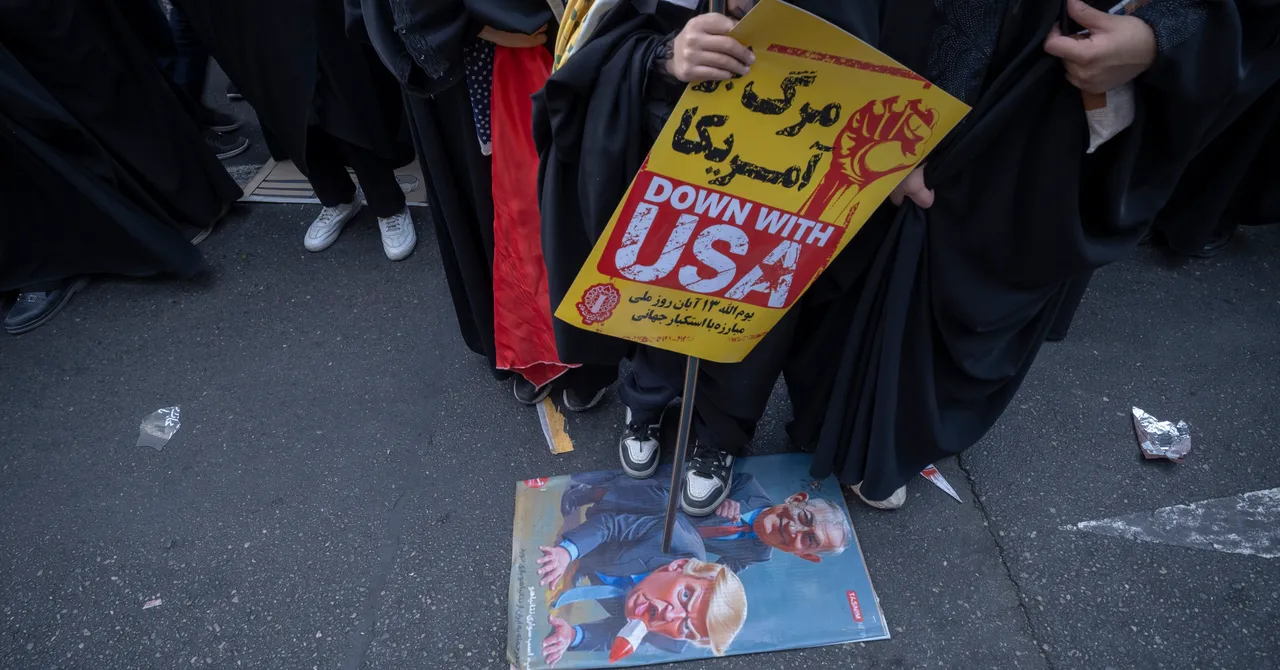
The ongoing turmoil in Iran continues to redefine the landscape of international politics, with recent developments highlighting the escalating tensions surrounding the nation’s future. A coalition of prominent Iranian expatriates and former political prisoners, including the notable Nazanin Zaghari-Ratcliffe, has issued a compelling appeal to British Prime Minister Keir Starmer. Their letter underscores a nuanced plea: avoid being drawn into the current conflict, which they argue only serves to bolster the regime in Tehran. This sentiment echoes across a fractured global stance, illustrating a critical divergence in how Western nations approach Iran’s volatile situation.

The letter sharply counters narratives supporting regime change through military means, especially those fueled by diaspora figures such as Reza Pahlavi, the exiled son of Iran’s pro-Western former monarch. While Pahlavi and others advocate for a democratic transition, critics within the international community highlight the peril of armed intervention. Former U.S. President Donald Trump has also weighed in, suggesting a preference for internal leadership rather than external force, reflecting a broader debate about interventionism versus diplomacy. The signatories, including distinguished figures like Aras Amiri and Nasrin Parvaz, advocate for pragmatic and peaceable measures, such as providing Starlink technology to restore communication inside Iran—a move seen as essential for empowering domestic opposition and safeguarding human rights.

The recent escalation against Iran took a devastating toll, notably with the assassination of Iran’s 86-year-old Supreme Leader Ali Khamenei and his family by Israeli airstrikes on the war’s first day. Khamenei’s death has profoundly altered the country’s power dynamic, with his successor being one of his sons, Mojtaba Khamenei. Analysts warn that such targeted strikes risk further entrenching authoritarian rule and solidifying Tehran’s narrative of Western aggression. International organizations, including the United Nations, have expressed disquiet over the rising casualties and the potential for prolonged conflict in the Middle East, which could ripple far beyond regional borders. The destruction of Iran’s leadership not only destabilizes the nation but signals a ripple effect prompting shifts in alliances and strategic calculations across continents.

Underlying these events is a broader debate about how international decisions ripple through societies and influence future stability. The coalition of Iranian expatriates urges Western powers to avoid military escalation, emphasizing peaceful pathways that respect Iran’s internal sovereignty. They warn that misguided actions, such as assassinations or covert interventions, only serve to bolster the hardliners and deepen the cycle of repression and conflict. Meanwhile, geopolitical analysts like Samuel P. Huntington and institutions such as Foreign Policy Magazine caution that the current trajectory risks igniting a regional war, one with unpredictable outcomes that could reshape alliances in the Middle East for decades to come. The specter of a protracted conflict looms, reminding the world that the decisions made today may very well determine the course of history in Iran—and beyond.

As the dust begins to settle on a conflict that shadows the horizon, the weight of history remains inscribed in every action and reaction. The unfolding story of Iran’s internal struggle, shaped by international interference and regional power plays, continues to serve as a stark reminder that in the theatre of global geopolitics, every decision echoes with the potential to redefine the future. As young nations watch and wait, the question lingers: who will ultimately determine the next chapter? Humanity holds its breath, aware that this chapter is far from over—and that the pages yet to be written may be the most crucial of all.

War sparks clash over UK bases in Cyprus—youth voice concerns

The recent drone strike targeting the RAF Akrotiri airbase on the island of Cyprus has reignited longstanding debates over foreign military presence and sovereignty in the Eastern Mediterranean. Cypriot protesters have rallied under the banner “British Bases Out”, symbolizing a growing national movement demanding the removal of British military installations from the island. This incident not only underscores persistent regional security challenges but also exemplifies the broader geopolitical tension that continues to define this strategically vital zone.

The attack on RAF Akrotiri, a key British military outpost established during colonial times, rapidly drew international attention. Analysts and security experts have pointed out that while the drone strike was reportedly carried out by unknown actors, it highlights the vulnerabilities of foreign military bases situated in geopolitically contentious areas. Historically, Cyprus has been a focal point of regional rivalry among Greece, Turkey, and broader NATO interests. The island’s divided status—split between the Greek Cypriot south and Turkish-occupied north—has compounded these tensions, positioning Akrotiri as both a strategic asset and potential liability in the ongoing power struggles.

Global institutions such as NATO and the United Nations have expressed concern, with some calling for de-escalation and diplomatic negotiations. However, critics argue these calls are insufficient given the shifting strategies of regional and global powers. Historians like David Fromkin and Michael Cox have long emphasized that colonial-era military bases often act as flashpoints, symbolizing unresolved conflicts inherited from the past. The drone attack underscores how such remnants of the colonial era can become focal points in contemporary conflicts, affecting the lives of ordinary Cypriots and the regional balance of power alike. As the situation evolves, many see this as a stern warning that old security arrangements might no longer suffice in an era of rapid technological change and asymmetrical warfare.

  • Demonstrators in Cyprus are calling for the withdrawal of British military presence, citing sovereignty concerns and the risk of becoming a target in regional conflicts.
  • The incident has prompted renewed debates within NATO about the presence of non-member military bases in volatile zones.
  • Regional leaders, including the Turkish and Greek governments, continue to jostle over influence and security guarantees in the area.
  • International organizations warn that destabilization could spill over, threatening broader Mediterranean stability.

The geopolitical impact extends far beyond Cyprus itself. As analysts observe, Britain’s military footprint in the Mediterranean acts as a critical hinge in NATO’s strategic calculations. The growing calls for the closure or relocation of British bases in Cyprus reflect wider American and European concerns over militarized zones that are increasingly viewed as points of vulnerability rather than power projection. From the perspective of many young nationalist movements, the symbols of colonial legacy must be dismantled to forge a future rooted in sovereignty and regional stability. Yet, powerful international interests remain entrenched, complicating efforts to chart a clear path forward.

As the dust settles from this recent clash, the question lingers: will the winds of change finally sweep away the old colonial architecture of security, or will entrenched interests and geopolitical realities prolong this era of tension? History now watches—and waits—as this small but significant island continues to serve as a crucible for the struggles between past legacies and future aspirations. The unfolding story in Cyprus stands as a stark reminder that the true weight of history often rests in the choices of today, shaping the destiny of many nations yet to be written.

Australia Ready to Back Gulf Allies Against Iran, Will Stay Clear of Ground War — Wong

Australia Navigates Middle Eastern Turmoil Amid Geopolitical Shifts

As international powers scramble in the aftermath of recent military strikes against Iran, Australia finds itself caught in a precarious position within a rapidly evolving geopolitical landscape. While Canberra explicitly refuses to deploy ground troops into Iran, its willingness to provide logistical and military support—albeit within tight boundaries—underscores the complex balancing act facing allied nations amid the escalating U.S.-Israeli coordinated strikes and Iran’s retaliatory missile and drone attacks.

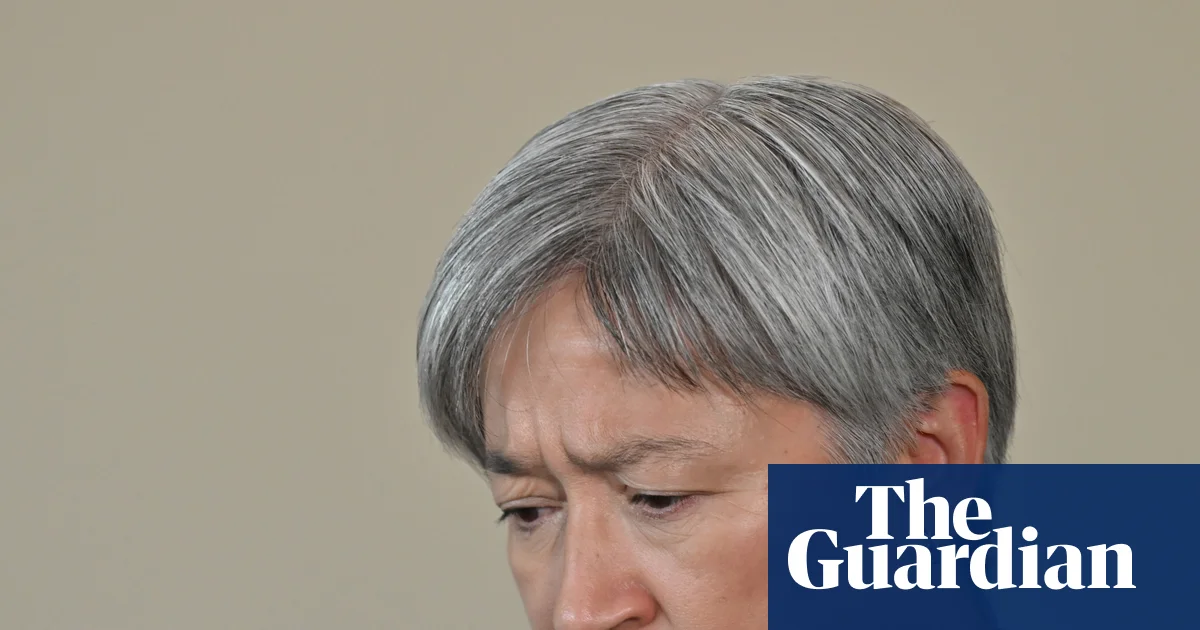
The Australian government, under the stewardship of Foreign Minister Penny Wong, has confirmed that it received requests for assistance from regional allies threatened by Iran’s mounting assaults. Nine flights have already evacuated Australians from the volatile Middle East, with additional flights scheduled, and hundreds have been bussed out of Qatar to nearby countries. Wong clarified that Australia is prepared to work through assistance measures targeted at defending the Gulf nations, but remains firm in its stance against offensive action—rejecting any deployment of combat troops into Iran and emphasizing adherence to a defensive posture instead. This position aligns with Australia’s broader policy of maintaining strategic independence, avoiding entanglement in regional conflicts that could draw its military into direct combat.

The geopolitical impact of such decisions is profound. Analysts note that Australia’s cautious approach seeks to preserve its international reputation while avoiding the pitfalls of overcommitment favored by some Western allies. Countries with a history of military intervention, like the United States and United Kingdom, have long debated the efficacy of troop deployments in volatile regions, but Australia—especially under current Prime Minister Anthony Albanese—has emphasized diplomatic and logistical support as the middle ground. Yet, this careful balancing act is increasingly scrutinized by critics who warn that the current trajectory risks aligning Australia too closely with US-led military endeavors, potentially dragging it into broader conflicts that serve geopolitical interests beyond national security.

International organizations and historians warn of the long-term consequences of this violent chapter. The United Nations has called for restraint, underscoring the danger of escalating a regional conflict into a wider world crisis. Veteran geopolitical analysts interpret Australia’s role as indicative of a broader trend: western nations are recalibrating their military priorities, emphasizing indirect support over direct engagement. Meanwhile, the ongoing conflict continues to reshape regional alliances, with Saudi Arabia and other Gulf states increasingly looking towards alternative power brokers, wary of the US’s militarized approach. As history reminds us, the decisions made today will echo through generations, shaping the fabric of international stability—or chaos.

In the shadows of this unfolding crisis, the weight of history presses heavily on the shoulders of modern leaders. With each missile launched and flight undertaken, the delicate chess game of geopolitics intensifies—drawing societies ever closer to the brink of chaos or stability. While Australia seeks to maintain a measured stance, the broader geopolitical impact leaves an undeniable imprint: a reminder that, in the theater of global conflict, the lines between diplomacy and war remain perilously thin, and the choices of today could determine the course of history for decades to come.

Prediction Markets and Nuclear War Risks: Will the UK Embrace This Bold New Gamble?

Society at a Crossroads: The Impact of Prediction Markets on Families, Education, and Communities

Amidst escalating global conflicts and societal upheavals, a new phenomenon has emerged which threatens the moral fabric of our communities — prediction markets. Originally rooted in traditional betting exchanges like Betfair, these platforms have evolved into arenas where individuals wager on everything from political outcomes to cultural phenomena, often expressed in percentages or binary yes/no formats. They encapsulate a *cultural shift* where the realm of chance infiltrates serious discussions on current affairs—sometimes in ways that deprive families and communities of their moral grounding. The recent controversy surrounding Polymarket, a prediction platform that invited wagers on nuclear apocalypse, exemplifies this disturbing trend. The backlash reflects society’s discomfort with dollar signs placed on events that impact millions, exposing a moral dilemma that echoes through the halls of families, schools, and local communities.

This paradigm not only distorts moral boundaries but also impacts families and education systems. The commodification of critical issues like war, propaganda, and societal crises threatens to desensitize youth, who are vulnerable to the seductive allure of quick gains and sensationalism. Sociologists like George Ritzer warn that the pervasive influence of late capitalism turns complex societal challenges into trivialized markets, eroding the capacity for genuine civic engagement. Moreover, the rise of prediction markets complicates the ethical landscape, with signs of manipulation and insider trading—highlighted by recent scandals involving bets placed shortly before significant military actions or political upheavals. Such behaviors cast a shadow over the societal trust essential for cohesive communities, making families increasingly wary of the moral consequences of engaging with these platforms.

The *demographic appeal* of prediction markets extends beyond gambling enthusiasts, targeting a *youthful demographic* attuned to the language of financial trading. As regulators in the UK and US scrutinize these markets, questions arise about their influence on *public morals* and societal values. In the US, legislative efforts to curb what many argue is disguised gambling illustrate a broader societal concern: the fragile line between entertainment and exploitation. The danger lies in fostering a culture where insider knowledge, manipulation, and unethical speculation threaten to undermine trust in democratic institutions, skew political discourse, and trivialize the sanctity of life and human suffering. For families and communities, this represents a moral wound, as society grapples with maintaining its ethical compass amidst the allure of instant gratification.

Despite these challenges, there remains a *glimmer of hope*—the capacity for societal reflection and ethical renewal. Education systems, community leaders, and policymakers have a role in safeguarding moral boundaries, emphasizing values of integrity, respect, and human dignity. As social commentators like Rodney Stark suggest, societal progress hinges on reaffirming our moral commitments and nurturing resilient communities that refuse to commodify human suffering. The future may yet be shaped by a collective effort to prioritize ethical considerations over fleeting gains, to stand against manipulation, and to protect families from the corrosive influence of profit-driven social practices. In this ongoing struggle, society’s greatest victory will be in choosing empathy over exploitation—an enduring reminder that behind every wager lies a human story, and that true societal strength rests in our shared commitment to uphold human dignity in all its forms.

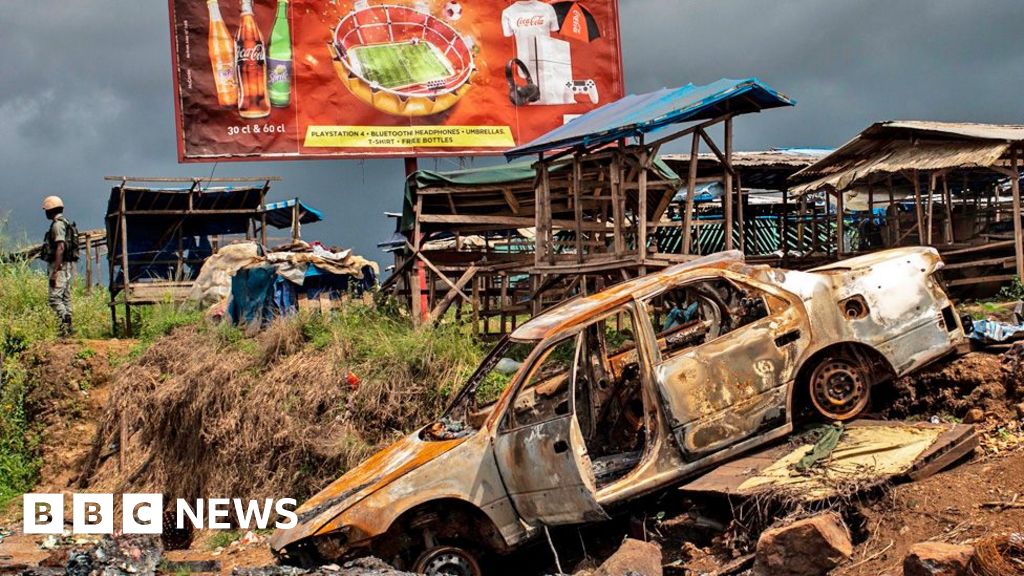
Belgium arrests three suspected Cameroon separatists in crackdown on war crimes

In recent developments, international authorities have uncovered allegations that various entities, believed to be connected to clandestine networks, are actively raising funds to sustain an armed struggle. Prosecutors from multiple jurisdictions have documented evidence suggesting that these groups are mobilizing financial resources to support ongoing conflicts, which bear significant implications for regional stability and global security. The international community watches with mounting concern, recognizing that such activities threaten to destabilize fragile peace accords and revive entrenched conflicts.

The strategic ramifications of this financial mobilization are profound. Analysts and historians warn that funding for armed conflicts tends to escalate violence, prolonging chaos and undermining diplomatic efforts. While some argue that these groups claim to fight for ideological or territorial goals, the undeniable consequence is the erosion of sovereign stability in the affected regions. Institutions like the United Nations have called for heightened vigilance and coordinated international action. Their recent reports emphasize that unchecked financial flows extend the life of conflicts, complicate ceasefire agreements, and deepen humanitarian crises.

From a geopolitical perspective, nations directly involved or neighboring conflict zones are likely to experience ripple effects that threaten their security. Various countries may be compelled to increase military spending, tighten border controls, and scrutinize financial transactions—actions that often strain diplomatic relations and stretch national resources. Moreover, the funding networks may intertwine with illicit activities such as trafficking, arms smuggling, and money laundering, further complicating the task of law enforcement agencies globally. International organizations, including Interpol and regional security alliances, are already intensifying efforts to trace and dismantle these financial pipelines, yet the challenge remains formidable.

As the world faces these mounting tensions, some voices in the diplomatic and strategic communities underscore that the decisions made today will define the trajectory of regional and global peace. Underlying conflicts are rarely purely ideological; they are fueled by economic interests, local grievances, and international power play. Historical lessons from the 20th century warn that unchecked financing of armed groups can spiral into protracted conflicts that devastate societies and derail progress. As world leaders grapple with these realities, the narrative of history is still being written—where the choices for peace or further chaos hang delicately in the balance. Yet, one thing remains certain: the weight of the future is now in the hands of those who control the flow of money and power.

Third Day of US-Israel War with Iran: Key Moments Unfold

U.S., Israel, and Iran Engage in Alliance-Shaking Conflict as Regional Tensions Escalate

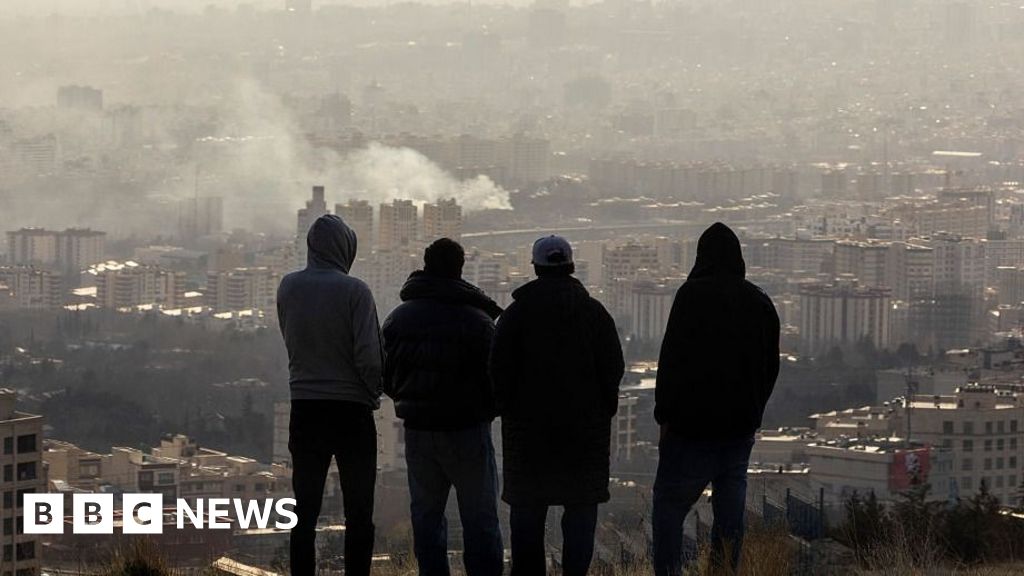
The ongoing war between the United States and Israel against Iran has rapidly escalated into a full-blown regional crisis, marking a dangerous turning point in the Middle East’s volatile landscape. As the third day of hostilities unfolds, scenes of destruction and chaos dominate the streets of Iran, while neighboring nations grapple with the far-reaching implications of this dangerous conflict. Global analysts warn that this cycle of violence not only destabilizes the region but also threatens the fragile balance of power that sustains international security. The intense exchange of drone and air strikes illustrates how swiftly the conflict has expanded beyond initial targets, with the potential to ignite broader regional or even global confrontations.

Today’s hostilities saw the United States orchestrate strikes within Iran, with devastating scenes on the streets revealing the severity of the military escalation. The strikes, according to Pentagon officials, targeted Iranian military facilities aimed at degrading Tehran’s capacity to support proxy groups like Hezbollah and other militant organizations. Most international observers agree that this marked a critical shift in US strategy—moving from containment to direct confrontation—further undermining hopes for diplomatic resolution. Meanwhile, Israel expanded its military campaign by launching strikes into Lebanon, targeting alleged Hezbollah positions. These preemptive actions are true to the longstanding Israeli doctrine of preemptive defense, but they risk igniting a broader conflict that could threaten regional stability for years to come.

  • Three US fighter jets tragically crashed in Kuwait, with initial reports attributing the accidents to apparent friendly fire—a grim reminder of the fog of war amid chaos.
  • In Cyprus, a British RAF base was struck by an Iranian drone, forcing an emergency evacuation and raising alarms over the spread of the conflict beyond the immediate Middle Eastern theater.

International organizations and military analysts are sounding alarms over the geopolitical impact of these developments. Harvard historian Dr. Robert Matthews warns that the conflict’s escalation could catalyze a new Cold War, with major powers realigning and recalibrating alliances. The delicate balance of deterrence maintained since the Cold War era is now in jeopardy, with the risk of all-out regional warfare increasing by the hour. Furthermore, the involvement of multiple nations, including the United Kingdom, Kuwait, and Cyprus, illustrates how the conflict threatens to drag in global actors, intensifying the risk of escalation that could spiral out of control.

The international community’s response remains cautiously divided. While some call for immediate de-escalation and renewed diplomacy, others appear resigned to the notion that the forces unleashed today will shape global geopolitics for decades. As nations mobilize their military assets and intelligence agencies scramble to interpret the unpredictable developments, the world stands on a precipice. History will remember this moment—not as a standalone skirmish, but as an inflection point whose aftermath will redefine power structures, alliances, and the very fabric of international order.

Ultimately, the relentless violence of today underscores a sobering truth: the decisions made in these critical hours will echo through history, determining whether this is a moment of resurgence for peace or the dawn of a new, darker epoch of conflict. As the dust of destruction settles on the streets of Iran, the question remains—how many more will fall before the storm subsides, or if it ever will? The pages of history are yet to be written, but their weight is undeniable: humanity teeters on the edge of a new chapter, one that could reshape the world in ways yet unseen.

Top 5 Unknowns in Trump’s New Iran Showdown

Cyber Warfare and Geopolitical Disruption: Iran’s Strategic Edge

The landscape of modern conflict is evolving rapidly, driven by groundbreaking innovations in cyber technology that challenge traditional notions of security and sovereignty. Iran, once considered a regional player with limited cyber capabilities, has increasingly demonstrated a knack for exploiting vulnerabilities with calculated sophistication. As Jeff Greene, former assistant director at CISA, points out, Iran is adept at maximizing the impact of its cyber capabilities, making it a serious disruptor in the global arena. From attacks on Wall Street institutions in 2016 to destructive assaults on Saudi Arabia’s Aramco in 2012, Iran has established a track record of destabilizing critical infrastructure, signaling a shift in how state adversaries leverage innovation for geopolitical gain.

The implications for U.S. and allied forces are profound. As Iran’s cyber arsenal grows more sophisticated, its potential to deliver asymmetrical blows—whether through cyberattacks, destabilizing information operations, or even retaliatory cyber espionage—raises questions about future conflict scenarios. The proliferation of AI-enabled hacking tools and autonomous attack vectors means that even lower-scale cyber skirmishes can escalate swiftly, intertwining economic stability with national security. Industry analysts from Gartner and MIT underscore the need for rapid innovation and better threat intelligence to stay ahead of these disruptive tactics, emphasizing that disruption is no longer a matter of if, but when.

Beyond cyber, Iran’s strategic calculus appears to be expanding, linking cyber operations with traditional military and hybrid warfare techniques. The broader geopolitical implications are alarming; recent U.S. military strikes and confrontations suggest a shifting paradigm where conventional and unconventional tactics converge. Defense Secretary Pete Hegseth’s provocative rhetoric—reminiscent of a broader doctrine of ‘F-A-F-O’—signifies a newfound emphasis on demonstrating strength. Yet, Iran’s own historical resilience, shaped by pivotal moments like the 1979 revolution and lasting power struggles, indicates that its response to U.S. actions could involve a complex mix of cyber retaliation, proxy operations, and geopolitical maneuvering. As the post–World War II landscape illustrates, legacy conflicts evolve into long-term paradigms that reshape regional and global order, making the current crisis a mere chapter in a much larger story of upheaval.

Looking ahead, industry leaders, policymakers, and technology innovators must recognize that the intersection of disruptive tech and geopolitical strategy is accelerating at an unprecedented rate. The strategic environment demands not only more advanced cybersecurity defenses but also proactive innovation in AI, quantum computing, and autonomous systems—areas where companies like OpenAI and Boston Dynamics are pushing boundaries. The nature of future conflict is being rewritten in lines of code and cyber flux, with the potential to unleash consequences that could echo through global markets and political stability for decades to come. The urgency is clear: to prevent disaster, the world must accelerate its innovation cycle and recognize that today’s cyber and military disruptions are merely the vanguard of a new era—an era where technology and geopolitics are inextricably linked, demanding vigilance, agility, and relentless pursuit of what’s next.

US Lawmakers Blast Trump for Iran Strikes: Unlawful War Acts, Say Congress Not Briefed

Controversial U.S. Military Action Against Iran: A Turning Point in Middle East Dynamics

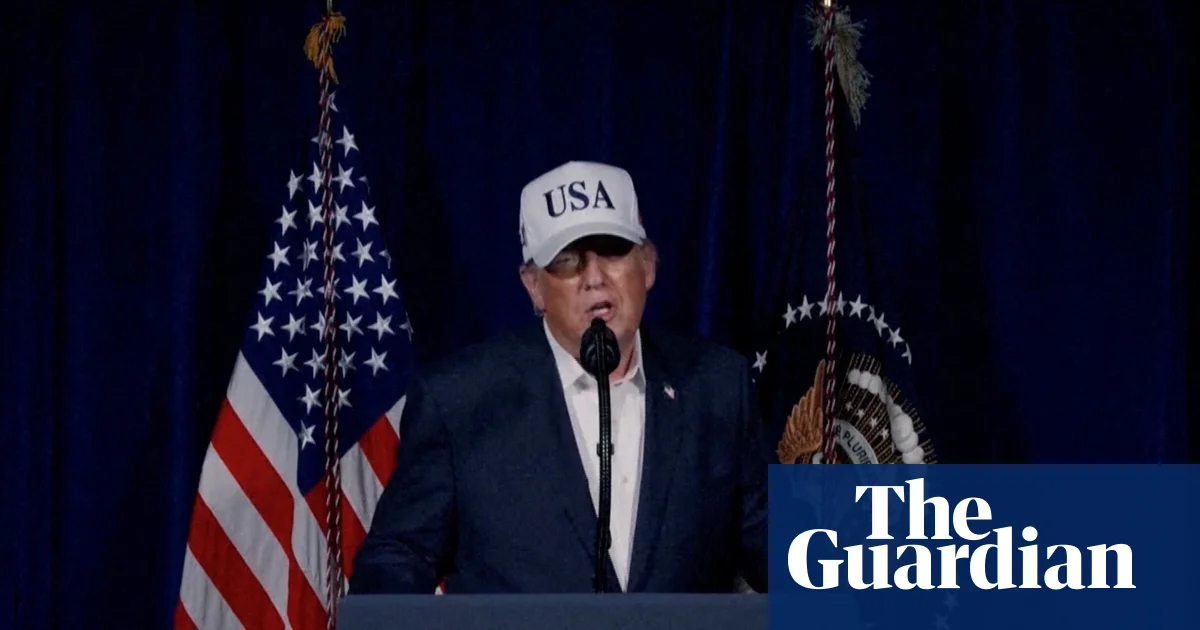
The recent military strikes conducted by the United States on Iran have ignited a fierce debate among American policymakers, international analysts, and global observers. The operation, which reportedly targeted Iran’s nuclear facilities, was carried out without prior congressional approval, raising serious concerns over the constitutional authority and the war powers resolution of 1973. This statute was specifically designed to prevent presidents from engaging in unauthorized military activities, especially without consultation or notification to Congress. The administration’s decision not to inform key lawmakers, including the so-called “gang of eight,” has exacerbated tensions, fueling accusations of overreach and unilateralism at a critical moment.

From a geopolitical impact perspective, the strike marks a dramatic escalation in the US’s approach to Iran, a nation long regarded as a strategic adversary in the Middle East. While President Trump and his officials have justified the action as a necessary response to Iran’s regional influence and nuclear ambitions, critics argue that this move risks sparking a wider regional conflict. As historian Robert Kaplan warns, such operations could destabilize the fragile balance of power in the Middle East, potentially igniting proxy wars that threaten broader global security. Prominent voices, including members of Congress from both parties, have called for urgent accountability. Democratic senator Tim Kaine and Republican representative Thomas Massie have emphasized that, without congressional approval, such military activities undermine constitutional checks and balances, and could set a dangerous precedent in US foreign policy. Moreover, international organizations like the United Nations have criticized uncoordinated acts of war, urging clarity and adherence to international law in conflicts involving sovereign nations.

Within **domestic politics**, the controversy deepens, with voices across the spectrum questioning the administration’s transparency and strategic vision. The comparison to previous war efforts, especially the 2003 invasion of Iraq rooted in false intelligence about weapons of mass destruction, remains fresh in memory. Many analysts argue that Trump’s latest actions resemble an overzealous pursuit of military dominance without clear objectives, risking another prolonged conflict under questionable justification. The debate highlights a broader ideological divide about America’s role on the world stage — with some champions of intervention heralding the strikes as a decisive shift towards eradicating global terror sponsors, while opponents see it as reckless and unnecessary escalation that jeopardizes American security and international norms.

This unfolding chapter of history leaves the world watching with bated breath, as alliances are tested, and nations brace for possible repercussions. As Iran vows to retaliate, and other regional actors reassess their strategic calculations, the incident underscores a profound truth: every decision made in America’s war rooms today echoes across the ages, shaping the geopolitical landscape for generations to come. With each passing hour, the weight of history presses down — a stark reminder that the path to peace is often marred by the shadows of conflict, and the choices of leaders today may well define the future of the Middle East, and indeed, the world itself.

Anthropic Pushes Back After Pentagon Calls It a ‘Supply Chain Threat’

U.S. Pentagon Designates Anthropic as a Supply Chain Risk: A Disruptive Move with Far-Reaching Business Implications

In an unprecedented decision that underscores the escalating geopolitical stakes in AI innovation, United States Secretary of Defense Pete Hegseth has ordered the Pentagon to label Anthropic as a “supply-chain risk,” effectively banning U.S. military contracts with one of the industry’s leading AI firms. This move signals a radical shift in how government agencies perceive and regulate AI giants, especially those considered potential security vulnerabilities due to foreign influence or ownership, and could disrupt the flow of AI development for defense and commercial sectors alike. Previously, Anthropic was celebrated for its Claude AI model, a major player in the rapidly evolving AI ecosystem, but now faces the threat of being sidelined at a critical time of geopolitical tension and technological disruption.

This decision arrives after weeks of tense negotiations between Anthropic and the Pentagon, centered on ethical and strategic use of AI technology. The Department of Defense demanded a broad usage agreement, explicitly permitting AI to be applied for “all lawful uses,” including autonomous combat, which Anthropic rejected based on its ethical stance. With the designation of a “supply chain risk,” the Pentagon aims to shield itself from potential security vulnerabilities—foreign control, influence, or ownership—that could compromise sensitive defense systems. The move establishes a new precedent where AI companies could be classified as security risks, compelling Silicon Valley to rethink their engagement with government agencies under the specter of national security.

Critics and industry experts are raising alarms over the implications of this action, with Dean Ball, senior fellow at the Foundation for American Innovation, condemning it as “the most shocking, damaging, and overreaching thing I have ever seen the U.S. government do.” Such sentiments reflect a broader concern that the move might ignite a dangerous precedent, fostering a climate of lawfare and regulatory overreach that could stifle innovation. Meanwhile, Sam Altman, CEO of OpenAI, announced that his company had secured a deal with the Department of Defense to deploy models in classified environments, emphasizing safety principles such as prohibitions on domestic mass surveillance and autonomous weapons. This delineation signals a potential bifurcation in AI applications, where some firms may be selectively allowed to work with military and intelligence agencies.

From a strategic business perspective, the designation of Anthropic as a security risk could accelerate industry shifts towards more government-friendly AI solutions or push companies to develop sovereign and domestically controlled AI platforms.

  • Disrupts supply chains of AI models crucial for national security and commercial innovation.
  • Raises questions about governmental influence over proprietary AI technology.
  • Set a potential precedent for further restrictions on emerging AI firms linked to foreign influence.

This movement also indicates that AI’s role in national security is stepping into a new era, where innovation pathways are increasingly being dictated by geopolitical considerations rather than purely technological capabilities. As industry leaders and policymakers grapple with defining AI’s ethical and strategic boundaries, disruption in the AI landscape becomes inevitable.

Looking ahead, the industry faces a crucial crossroads: Whether to adapt to a cautiously constrained regulatory environment or forge ahead with a more autonomous, globally competitive approach. The decision will have profound implications for American leadership in AI innovation, cybersecurity resilience, and tech sovereignty. The stakes are high—the coming years will determine if American AI firms can continue to innovate free from overreach or if they will be confined by an increasingly securitized national agenda. In this dynamic, the urgency for stakeholders to embrace disruptive innovation with strategic foresight has never been clearer, as the battle for AI dominance intensifies on multiple fronts. The future of American AI—its autonomy, security, and global competitiveness—hangs in the balance.

Pakistan Tells Afghanistan: Enough Is Enough—Declares Open War After Border Attack

Escalating Tensions Between Pakistan and Afghanistan: A New Chapter in Geopolitics

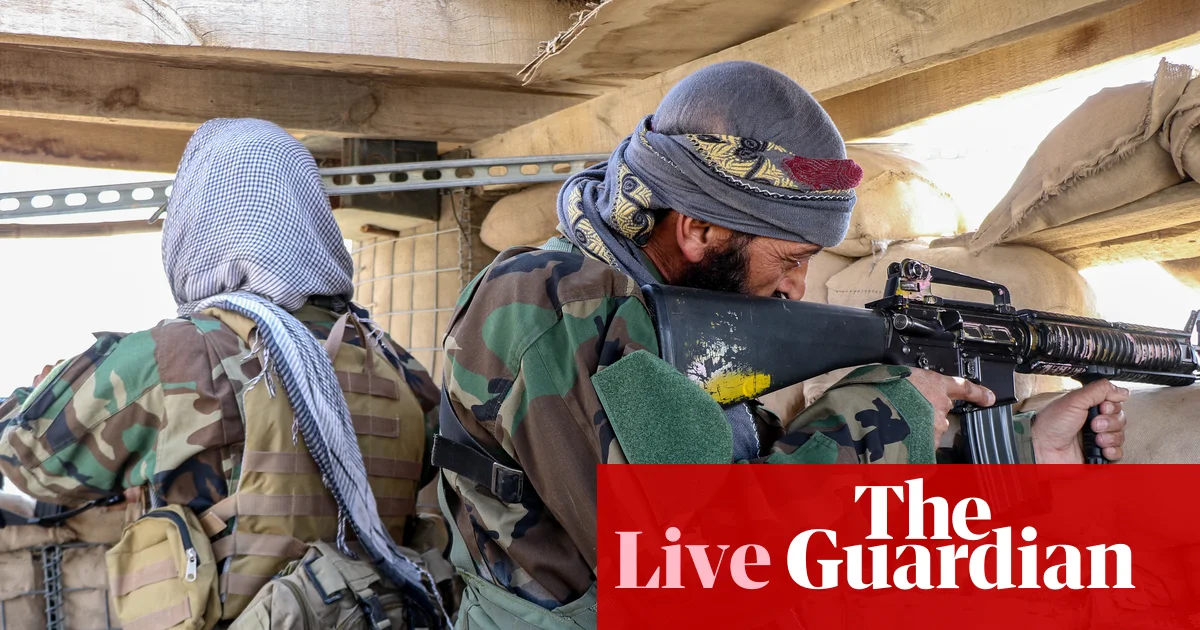
The serene yet volatile relationship between Pakistan and Afghanistan has spiraled into a dangerous new phase, shaking the stability of South Asia and reverberating across global geopolitics. Just months after a fragile ceasefire brokered by Qatar and Turkey aimed to halt the deadly border clashes, both nations now find themselves embroiled in what many analysts are calling an “unprecedented escalation.” The situation echoes the historical tensions over the disputed Durand Line, but recent events mark a stark departure—the direct military engagement between the two neighboring powers.

On February 27, 2026, Pakistan declared an “open war” following alleged unprovoked cross-border firing from Afghan territories. In a decisive move, Pakistani forces launched Operation Ghazab lil-Haq (“Righteous Fury”) targeting Afghan military positions, including Kabul, Kandahar, and Paktia—an unprecedented escalation that risks destabilizing the entire region. Khawaja Mohammad Asif, Pakistan’s defense minister, openly articulated the nation’s grim new stance: “Our patience has now run out. Now it is open war between us.” Such rhetoric signals a dangerous departure from diplomacy, reflecting mounting frustrations over what Islamabad claims are harboring Afghan Taliban and militant groups within Afghan borders.

Meanwhile, Afghanistan’s Taliban government has responded with retaliatory attacks, including claims of drone strikes targeting Pakistani military sites. Afghan officials have asserted that their military retaliated after Pakistani airstrikes, with reports of casualties reportedly both statistical and conflicting, as each side leaks vastly different figures. Official statements from Afghanistan speak of over fifty Pakistani soldiers killed, whereas Pakistani authorities claim significant Taliban casualties in the thousands, emphasizing the opaque and chaotic nature of today’s conflict. Many international organizations, including the United Nations, have expressed grave concern over the rising civilian toll—highlighting that the true human cost remains hidden amid diverging narratives.

  • The escalation begins as analysts point out it is the first time Pakistan has directly targeted Afghanistan’s Taliban rather than solely militant TTP positions.
  • Examining the wider geopolitical impact, this conflict threatens to undo the tentative peace processes and threatens regional stability.
  • Global powers, from Russia to China, are calling for restraint, but their diverging interests complicate swift resolution.

International responses continue to underscore the gravity of this evolving crisis. The UK, through Foreign Secretary Yvette Cooper, urges both sides to engage in de-escalation and mediated dialogue, echoing widespread calls for restraint. Conversely, Russia, the only country with formal recognition of the Taliban government, has urged both Afghanistan and Pakistan to return to diplomatic negotiations, warning that further escalation risks catastrophe. China, a regional powerhouse and key player in mediating through its channels, has expressed deep concern, calling for a swift ceasefire to prevent further bloodshed and chaos.

Within this tempest of military exchanges and diplomatic appeals, the destiny of South Asia hangs precariously in the balance. The recent direct confrontations breathe new life into a long-standing conflict that could ignite larger regional confrontations, involvingierleaning nations wrestle with the brutal realities of sovereignty, militant sanctuaries, and geopolitical dominance. As historians and analysts observe, “This moment may very well be the defining juncture of the 21st century’s regional order,” and the decisions taken in these tense days will undoubtedly echo through history’s halls for generations to come.

The unfolding chapter of this crisis leaves the world with a haunting question:

Will diplomacy prevail, or are we witness to the very brink of a wider, perhaps even catastrophic, regional war?

Social Media Auto Publish Powered By : XYZScripts.com