Matox News

Truth Over Trends, always!

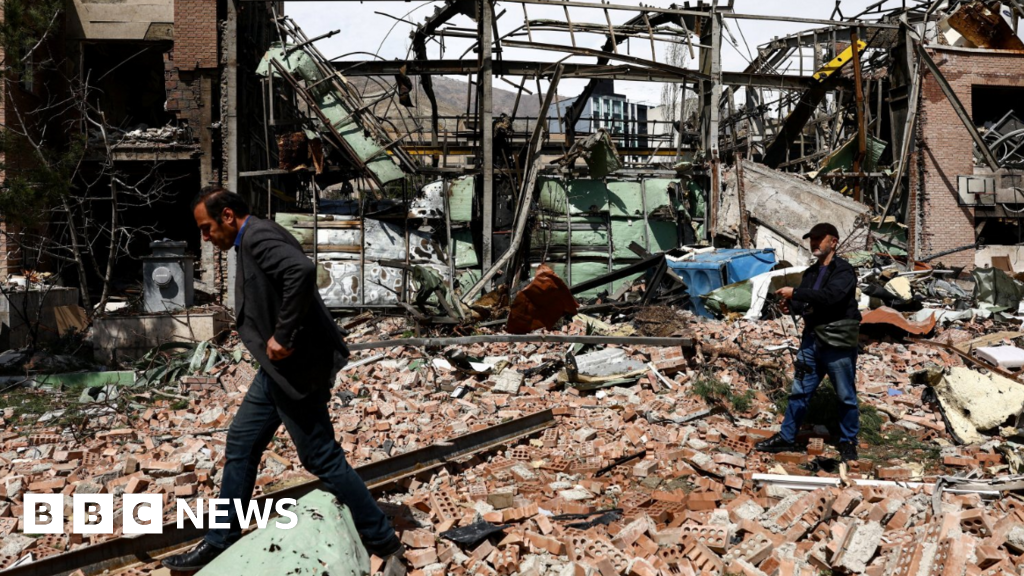
US and Iran swap warnings as search for missing airman intensifies—tensions boil over

In an era marked by burgeoning geopolitical tensions, the voice of Iran‘s leadership resonates with a stark warning that underscores the fragile stability of the Middle East. Ebrahim Zolfaghari, spokesperson for Khatam al-Anbiya Central Headquarters, issued a forceful declaration: “If hostility escalates, the entire region will turn into hell for you; the illusion of defeating the Islamic Republic of Iran will become a quagmire into which you will sink.” This statement, reflective of Iran’s increasing assertiveness, signals a clear warning to regional and global adversaries amid a complex web of alliances, rivalries, and power projections that dominate international diplomacy today.

Analysts note that Iran’s rhetoric is intertwined with a series of recent developments that reveal their strategic resilience. Tehran has been steadily advancing its regional influence, particularly through its support for allied groups and scope of missile and nuclear programs. This posture comes at a time when United States and European Union policymakers seek to navigate a landscape fraught with risks, including potential escalation into broader conflicts. The threat from Iran is viewed by many international organizations, such as the United Nations, as a pivotal factor in regional instability, capable of igniting conflicts with far-reaching consequences.

The global power struggle has shifted dramatically as Russia and China bolster their alliances with Iran, challenging the preeminence of Western influence in the Middle East. This geopolitical pivot risks transforming the region into a battleground for influence, resource control, and ideological clashes. While Washington seeks to uphold its commitments to regional allies like Israel and Saudi Arabia, Tehran’s defiant stance demonstrates how the Islamic Republic perceives itself as a resilient Axis of resistance, willing to confront what it deems external threats head-on.

  • Recent missile tests and nuclear advancements by Iran have prompted calls for renewed sanctions, yet Tehran remains undeterred, asserting its sovereignty and regional interests.
  • Diplomatic efforts towards reviving agreements like the JCPOA remain stalled amid mutual distrust, further complicating prospects for de-escalation.
  • Meanwhile, the Middle East continues to simmer with conflicts, many of which are exacerbated or manipulated by external powers seeking strategic footholds in the geopolitically vital zone.

International historians and geopolitical analysts warn that the current climate of confrontation risks plunging the region into *unprecedented chaos*. Dr. Philip Williams, a professor of Middle Eastern studies, emphasizes that “The decisions made in these crossing points of diplomacy and defiance will sculpt the future of international order itself.” As world leaders grapple with how to contain or confront Iran’s rising assertiveness, the global community stands on the precipice of a transformative epoch—one that could redefine the boundaries of peace and conflict for generations to come.

In the shadowy corridors of power, the echoes of history remind us that decisive moments are often born from the brink of catastrophe. Iran’s leadership, unwavering in its stance, signals a warning that the choices made today will ripple through the fabric of international stability. As the cold winds of geopolitics blow fiercely across the Middle East, the course of history remains in the delicate balance of diplomatic resolve and relentless confrontation. The world watches, perhaps unknowingly, as the next chapter of chaos or peace prepares to be penned—a chapter whose ending is yet unwritten, lingering in the mists of an uncertain future.
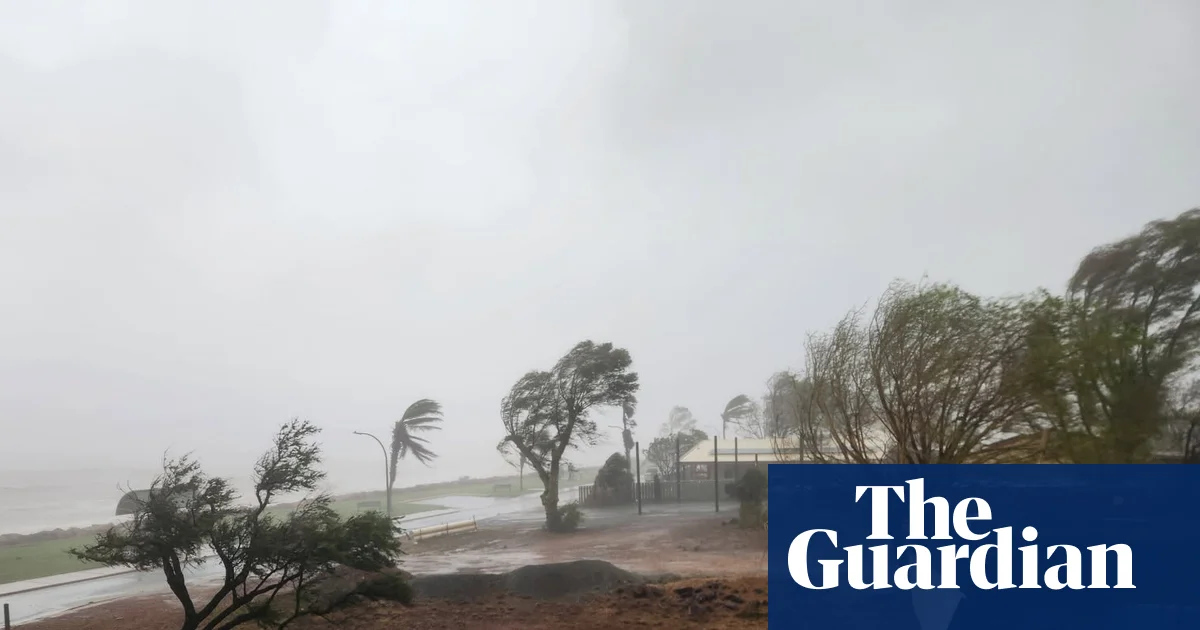

Cyclone Narelle Downgraded, But Severe Warnings Persist in Storm-Hit WA

In an apparent display of nature’s relentless fury, Ex-Tropical Cyclone Narelle transitioned from a formidable storm to a tropical low after making landfall in Western Australia. Despite its downgrade, the cyclone left a trail of destruction across numerous communities, with meteorologists warning that the threat was far from over. As officials continue to assess the ongoing danger—particularly to inland regions and southern districts of the state—the incident underscores a broader dialogue about the increasing frequency and ferocity of climate events linked to global environmental shifts. While Western Australia’s coastal communities brace for the aftermath, international analysts watch closely, noting the potential geopolitical divergence that climate-related disasters may catalyze.

  • The BoM confirmed on Saturday morning that Narelle had a “very low” chance of redeveloping but warned that powerful weather systems would persist through the night with gusts reaching up to 100 km/h. This brings with it a heightened risk of damage, from shattered roofs to fallen branches, emphasizing the importance of resilience and preparedness amidst worsening climate threats.
  • Major towns like Exmouth suffered catastrophic damage when the cyclone peaked as a category four system, with winds exceeding 250 km/h, ripping apart buildings and flooding wide areas. Emergency declarations highlighted the scale of destruction, with hundreds displaced and infrastructure critically affected. The federal government, led by Prime Minister Anthony Albanese, pledged assistance, reflecting the increasing intersection of natural calamities and national security concerns.
  • Concurrently, the cyclone’s path—unusual in its trajectory—has been scrutinized by historians and climate experts, who warn that such anomalies signal a shift in the patterns of severe weather events. As climate scientists link these changes to global shifts in climate systems, international forums debate the potential geopolitical consequences—ranging from regional stability to resource conflicts—induced by climate-induced refugee flows and economic disruptions.

From the gale-force winds that battered Carnarvon and Gascoyne to the dust storms kicked up in the wake of Narelle’s destructive path, the emerging picture is one of an environment in flux—an environment that could redefine geopolitics across the Indo-Pacific and beyond. Western Australia’s experience serves as a stark reminder that nations must weigh their vulnerability against the rising storm of climate destabilization. Meanwhile, international organizations like the United Nations emphasize climate resilience, with some analysts cautioning that the global community must prepare for a future where such storms might be less predictable and more devastating.

As history turns its pages, the story of Cyclone Narelle is not just about its windspeed or flooding alone; it becomes a chapter in a larger narrative that concerns every society vulnerable to nature’s unpredictable wrath. The political and emergency responses seen in Australia reflect a broader necessity for fortified infrastructure, advanced warning systems, and international cooperation. Still, the underlying warning remains ominous: the climate crisis is not merely an environmental issue but a highly geopolitical one, capable of reshaping alliances, destabilizing regions, and testing the resilience of nations in ways that only history will fully reveal. As communities pick up the pieces and officials forecast ongoing challenges, the weight of this unfolding chapter reminds us all that the storm’s roar is just the beginning of a new kind of geopolitical storm—one where the outcome is yet unwritten.

Social Media Auto Publish Powered By : XYZScripts.com


