Matox News

Truth Over Trends, always!

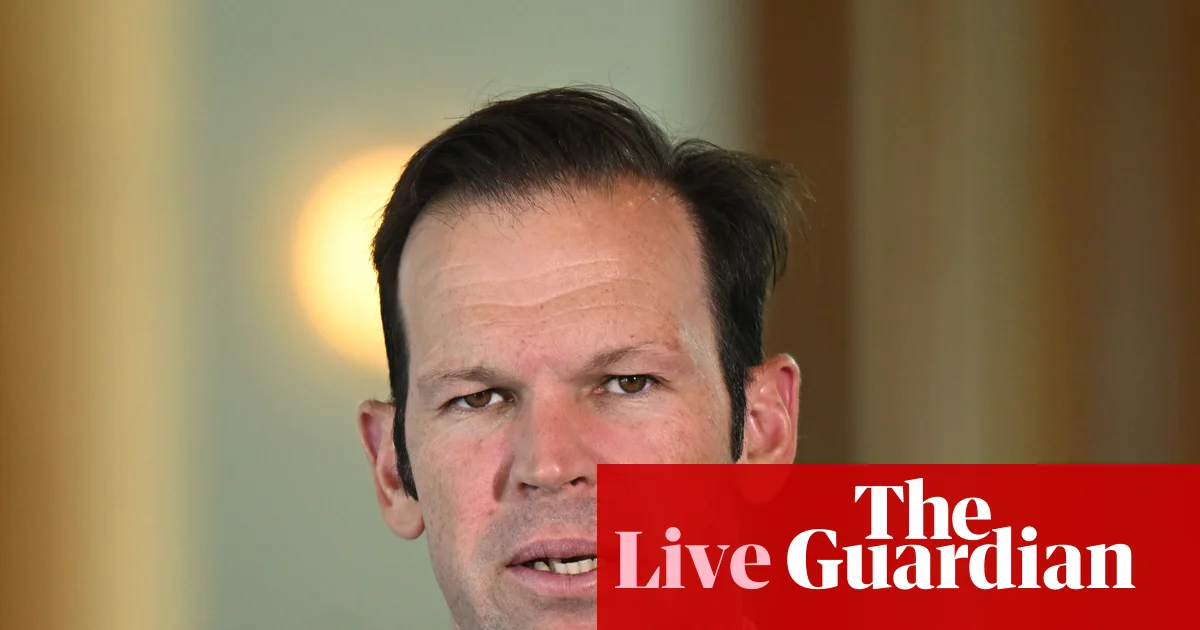
Australia news live: Canavan warns One Nation challenge to Liberals, BoM blames Covid for IT cost surge

In recent months, Australia has attracted international attention for its conflicting priorities in environmental investment and domestic politics. According to a new analysis by green advocate Market Forces, the nation’s top 30 superannuation funds hold approximately $33 billion in global fossil fuel companies — a figure that remains disturbingly high despite a slight decline from last year’s $39 billion. These investments not only underscore the nation’s continued support for major oil, coal, and gas conglomerates such as BHP and Woodside, but also highlight a broader reluctance among investors to shift vigorously toward renewable energy sources, despite clear evidence that renewable investments have historically outperformed fossil fuels. This troubling persistence of fossil fuel funding represents a significant geopolitical challenge: nations heavily invested in hydrocarbons may find themselves increasingly vulnerable to international shifts toward clean energy, thus risking economic instability in the face of global decarbonization efforts.

Meanwhile, the ongoing political landscape in Australia reveals a factional struggle with serious impacts on national policy. Matt Canavan, a prominent Nationals MP, has raised alarms about the rising popularity of One Nation, led by Pauline Hanson. His warnings articulate a concern that this populist, nationalist movement is not only threatening the traditional Liberal and National Party coalition but also expanding its influence into outer suburban and regional sections of the country. This shift is particularly disruptive because it challenges the long-standing geopolitical consensus regarding energy policy and economic development, with increasing calls within the political class to recalibrate Australia’s commitments to fossil fuels. Analysts suggest that such internal divisions could weaken Australia’s negotiating power on the global stage, especially amid mounting pressure from international climate policies and climate diplomacy. As historian Samuel P. Huntington warned, the face of modern conflict is shifting — and domestic political waves are as impactful as military conflicts in shaping global power distributions.

Costly Tech and Climate Commitments in Question

Simultaneously, the Bureau of Meteorology has come under heat for the staggering $96.5 million cost of its new website overhaul, a figure that provoked criticism amid reports of cost blowouts and underwhelming performance. The BoM, citing unavoidable inflation due to Covid-era economic conditions and official caps on public sector staffing, defends its expenditure as justified by the necessity for a robust, secure weather system capable of handling vast data flows. However, critics, including Senator Barbara Pocock, decry the project as a cautionary tale of contract mismanagement amidst a climate of public distrust. The controversy highlights the international pattern of infrastructure investments facing scrutiny under the shadow of pandemic-driven inflation and the urgent need for fiscal accountability. Analysts note that such misalignments threaten the credibility of climate and weather agencies, which are crucial in guiding policy decisions in an era of volatile climate variability and geopolitical uncertainty.

Ultimately, these intertwined narratives—a nation’s economic fossil fuel strategies, its turbulent political future, and the transparent handling of infrastructure investments—compose a complex tableau of national resilience and vulnerability. With each foreign investment decision, policy debate, and government expenditure, history’s weight grows heavier, quietly scripting the next chapter of a global competition shaped by energy, ideology, and technology. The planet’s political climate remains volatile, and the decisions made today echo into the distant corridors of power, where the future of nations, societies, and the very environment itself is being quietly wired into the fabric of history.
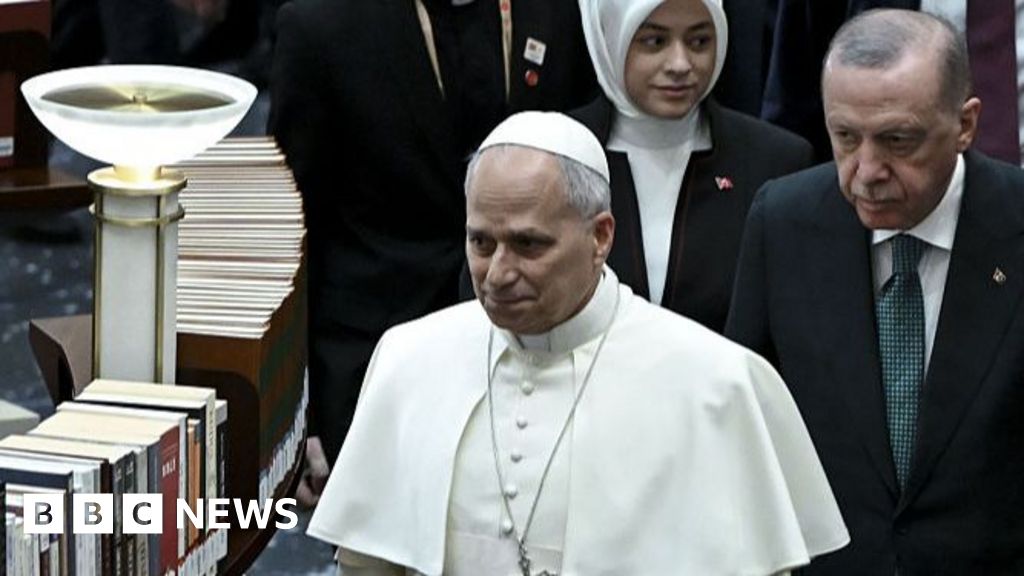
Pope Leo Visits Turkey, Warns Humanity’s Future Hangs in the Balance amid Rising Conflict

Global Implications of Pope Leo XIV’s Historic Diplomatic Trip

Amid mounting global tensions and an accelerating geopolitical chess game, Pope Leo XIV has embarked on a trip that carries significant weight beyond religious corridors. His visit to Turkey and Lebanon represents a conscious effort to foster interfaith dialogue, regional stability, and unity across fractured Christian communities. As he was welcomed by President Recep Tayyip Erdogan in Ankara, the pope issued a stern warning against “a heightened level of conflict on the global level,” emphasizing the importance of dialogue in shaping humanity’s future. This move is not just diplomatic window dressing; analysts suggest it could influence the shifting alliances and tensions that threaten to destabilize the Middle East and beyond.

This trip carries a weight of historical significance, highlighting the Pope’s desire to heal ancient schisms within Christianity while acting as a moral anchor amid regional turmoil. One of the pivotal moments took place in Iznik, the site of the ancient Council of Nicaea. There, amidst relics of early Christian unity, leaders of various traditions gathered to mark the 1,700-year anniversary of the Nicene Creed—an anchor point for Christian doctrine. In the current climate, where regional conflicts are increasingly entangled with religious identity, the pope’s call for “messages of togetherness and healing,” aims to remind the world of the enduring power of unity. Leaders and historians, including those from the Vatican and international think tanks, see this as a decisive attempt to rekindle dialogue and possibly curb future conflicts rooted in doctrinal divisions.

Meanwhile, in Turkey, Pope Leo’s visit to iconic sites such as the Blue Mosque symbolizes an effort to promote inter-religious dialogue. His meetings with other faith leaders are viewed by many analysts as strategic acts of soft diplomacy, aimed at fostering mutual respect in a region often scarred by religious tensions. This approach reflects a broader shift toward *practical engagement* amidst a sea of instability—particularly as regional alliances shift in response to rising conflicts and international disputes. The Pope’s cautious diplomacy continues to shape the *geopolitical landscape*, signaling a nuanced effort to prevent escalation and promote peace. The significance lies in how such gestures, often overlooked in the realm of geopolitics, can ripple outward and inspire societal resilience or, conversely, deepen fractures if misinterpreted.

The regional context has been further complicated by recent Israeli airstrikes on Beirut, an act that critics argue underscores the fragility of Lebanon’s stability. Despite this, the Vatican has affirmed that Pope Leo XIV’s plans for his Lebanon visit remain unchanged. He plans to meet with civic leaders and voice support for Lebanon’s besieged Christian community—an influential minority struggling for recognition amid chaos. His final Mass at the Beirut waterfront, on the anniversary of the 2020 port explosion, is expected to serve as a powerful act of remembrance and a plea for peace. International observers, including strategic analysts from NATO and the World Council of Churches, note that this act—and the overall trip—may be subtly pushing back against the rising tide of regional instability, seeking to remind global powers of their moral responsibility.

As the world watches this carefully calibrated diplomatic dance, the weight of history presses heavily upon each step. Pope Leo XIV’s trip is more than spiritual outreach; it is an act of moral diplomacy that may influence the geopolitical currents shaping future decades. The decisions made in these quiet corridors of dialogue will echo through generations, dictating whether nations can build bridges over centuries-old divides or descend further into chaos. The world remains poised at a crossroads, and history, ever-watchful, continues to unfold its story—an enduring saga of hope, conflict, and the relentless pursuit of peace amid chaos.

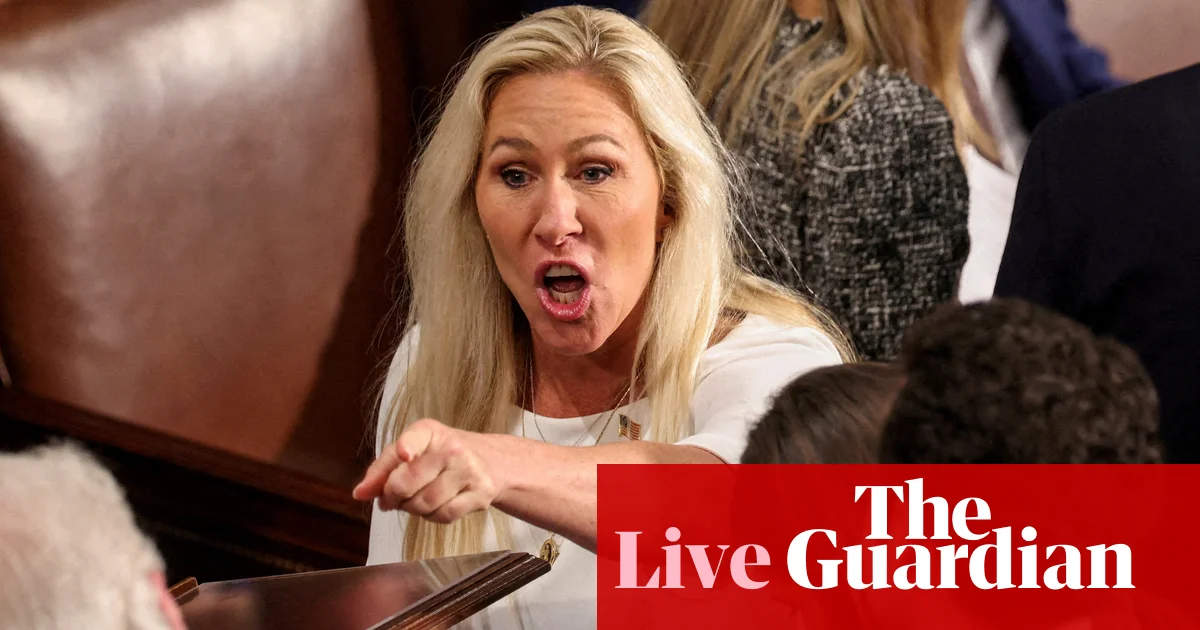
Former House Speaker Warns Greene’s Departure Signals GOP Warning Sign for Future Success

The recent upheavals on Capitol Hill and the evolving international diplomacy around the Ukraine conflict underscore a tumultuous chapter in U.S. and global geopolitics. As Marjorie Taylor Greene abruptly resigned from her congressional seat, analysts highlight this as a critical indicator—an emblem of the escalating internal crises within the GOP. Her departure signals a broader pattern of instability, with over twenty-two House Republicans already announcing retirements or plans to forgo re-election next year. Such mass withdrawals depict a party on the brink, fractured by internal divisions and teetering amidst impending electoral battles, which could fundamentally reshape America’s political landscape.

Beyond domestic upheavals, the international chessboard remains equally volatile. The Kremlin has confirmed that Steve Witkoff will return to Moscow next week, hinting at renewed efforts to broker peace in Ukraine. This follows reports of a leaked recording in which Witkoff advised Russia’s Yuri Ushakov on how to pitch a peace deal to Donald Trump. The recording reveals a hands-on diplomatic approach—one that many experts interpret as a testament to the fragile and complex negotiations underway. Furthermore, the US has rolled out a markedly concessionary peace plan, aimed at appeasing Russia and European stakeholders, but it risks further entrenching divisions, especially if those compromises undermine Ukrainian sovereignty.

The geopolitical impact of these intertwined developments is profound.

  • On one side, the U.S. appears to be shifting towards a more pragmatic, yet controversial stance, risking accusations of appeasement amid its support for Ukraine.
  • On the other, Russia’s diplomatic overtures—guided by a perceived desire to leverage the US’s internal discord—highlight Moscow’s strategic patience and its ongoing ambitions to weaken Western unity.
  • Within America, the Republican Party’s internal turmoil and leadership struggles threaten to weaken the United States’ global influence, particularly just as adversaries like China and Russia recalibrate their own geopolitical strategies.

International organizations and military analysts warn that decisions made in these critical moments will resonate through history, shaping the future of Western dominance and extending the shadows of conflict into the coming decades. As experts like prominent historians observe, the current period bears the hallmarks of a historic turning point—one where internal discord, diplomatic machinations, and strategic negotiations collide with unpredictable outcomes. The choices of today could either solidify a new era of resilience or usher in a perilous downslide into escalating conflict and chaos.

Indeed, as history unfurls its latest chapter, one cannot help but consider the weight of the decisions being made—in Capitol Hill, in Moscow, and amidst the Kremlin’s corridors of power. The tipping point may be just beyond the horizon, and the next move in this high-stakes game will determine the course of the world’s future, leaving us all to wonder: in this new epoch of geopolitical upheaval, what will be written into the annals of history, and what will be swept aside in the relentless tide of change? The stakes are clear—they are nothing less than the destiny of nations and the legacy we leave behind.

Minister Warns of Rising Student Asylum Claims Amid Visa ‘Abuse’ Concerns

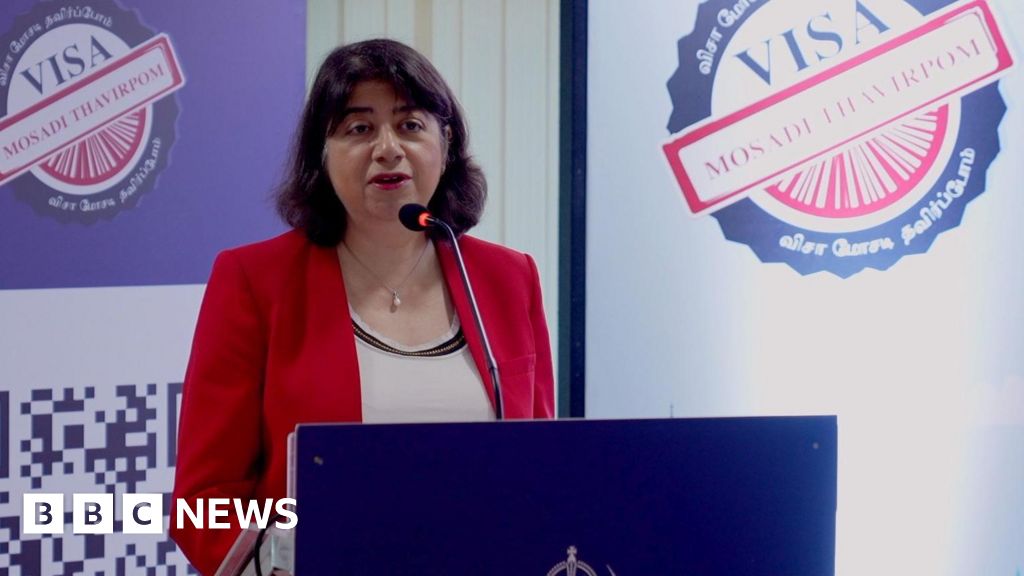
The United Kingdom is currently navigating a pivotal turn in its immigration and trade policies—an effort that reveals much about its strategic priorities within the Indo-Pacific and its relationship with India. UK’s Indo-Pacific Minister Seema Malhotra recently defended sweeping immigration reforms during a diplomatic visit to India, asserting that they are “in line with what countries around the world do” to curb system abuse. Yet beneath this rhetoric lies a complex web of geopolitical signals and domestic challenges that could reshape not only Britain’s immigration landscape but also its broader positioning on the global stage. The reforms, which could delay permanent settlement for migrants up to 20 years and extend eligibility for indefinite leave to remain from five to ten, target an estimated 2.6 million arrivals since 2021, reflecting a stark shift towards greater national control amid increasing pressure from both political factions and public opinion.

While Malhotra insists these policies aim to promote fairness and order, critics—ranging from Labour MPs to international analysts—highlight the potential fallout. The UK, long distinguished for its openness to international students and skilled migrants, now faces a decline in Indian student arrivals—off by 11% from last year—fueling anxiety among universities and economic stakeholders. India, historically the UK’s leading source of foreign students accounting for 25% of arrivals, is witnessing a cooling demand as higher visa restrictions are implemented. This is not merely an educational issue; it signals a shifting geopolitical dynamic. India’s significant role as a crucial nation of origin for migrant workers and professionals makes the restrictions a point of tension, especially as UK-India relations evolve through recent free trade agreement (FTA) negotiations—including the opening of UK university campuses in Bengaluru. London’s push to deepen economic ties while tightening migration controls underscores a broader phenomenon: a cautious balancing act between fostering international cooperation and safeguarding domestic political stability.

Analysts warn that these inward-looking policies could have far-reaching consequences that extend beyond the UK’s borders. Historians and policy experts observe that such shifts respond not only to immediate political pressures but also to an international climate where migration becomes a pawn in larger competitions for regional influence. Sir Keir Starmer’s recent pledge to retain strict visa rules for Indians, despite trade ambitions, exemplifies the tension between economic cooperation and political sovereignty. Meanwhile, the UK’s move toward a “contribution-based” immigration system—favoring economic merit over temporal residence—may redefine what it means to be a migrant in Britain. The implications for nations like India are immense: as a significant source of skilled labor, especially in healthcare, the potential exodus of nurses and care workers could weaken the very sectors critical for societal stability, with many falling prey to visa scams and financial ruin. Such internal fissures threaten to undermine the societal fabric the UK seeks to protect, revealing an inherent dilemma where global ambition clashes with domestic reality.

In the unfolding saga of Britain’s future direction, each policy shift echoes as a chapter in the larger narrative of a nation wrestling with identity, influence, and survival. The geopolitical impact is unmistakable: Britain’s effort to tighten borders and prioritize economic contributions signals a defiance of the permissive migration policies characteristic of its past. As the world watches, the decisions taken now are not just about border controls—they are about who Britain is and what it aspires to be in a rapidly shifting international landscape. The weight of history hangs heavy, as the UK’s leadership steers through storms of domestic discontent and global rivalry—constructing a future where sovereignty and prosperity hinge on choices that will resonate for generations to come. The unfolding story remains one of resilience, risk, and the enduring quest for national place amid the tumult of today’s interconnected world.

Fox CEO warns Trump: No platform if he targets Fox in 2020 talk—Sean Hannity reports

In the unfolding saga of American politics and corporate media, new revelations have surfaced from a trove of court documents that shed light on the intense internal conflicts within Fox News during the tumultuous aftermath of the 2020 presidential election. These documents, part of a defamation lawsuit brought by Smartmatic, expose the behind-the-scenes decision-making that shaped the network’s coverage—decisions that had profound geopolitical impact and how such decisions reverberate across nations and societies. For years, Fox News has positioned itself as the voice of conservative America, but these disclosures suggest a complicated reality: a corporation torn between its audience loyalty and a cautious approach to the political fallout it could engender.

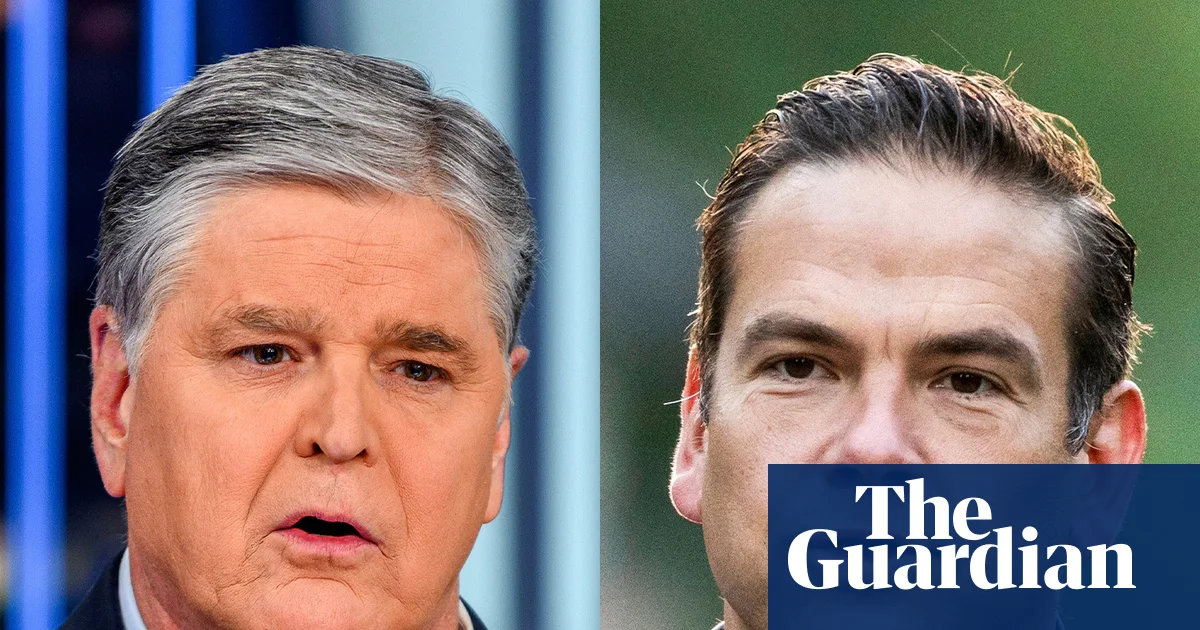
Among the most striking revelations is a text exchange from October 2020, where Lachlan Murdoch, the CEO of Fox Corporation, directly warned Sean Hannity that President Donald Trump could not appear on the network if he continued to attack it publicly. Murdoch’s words reflect a pivotal moment—the balancing act of maintaining a lucrative audience while avoiding political alienation. This internal tension intensified post-election, as Fox News faced a furious backlash from Trump supporters who felt betrayed after the network called Arizona for Joe Biden. Internal emails reveal Murdoch’s concern over audience erosion and the potential impact on revenue, illustrating how economic interests often trump principle in modern media management. The consequences of this internal conflict extend beyond corporate boardrooms: they influence the flow of information to millions, shaping public perceptions on issues critical to national stability.

Experts and analysts argue that these documents underscore a broader trend: the strategic depictions and selective reporting of election fraud claims had a **direct role in fueling the disorder in the United States**, culminating in the infamous Capitol riot of January 6, 2021. Murdoch himself acknowledged that Trump’s claims of election theft contributed to the chaos—yet he denied the network had endorsed those allegations outright. This nuanced stance highlights a pattern seen across various global media outlets: sensationalism combined with editorial caution can escalate tensions instead of calming them. How this shift in narrative influences international stability will be scrutinized for years, as peoples across the globe witness the fragility of their own democratic institutions.

Adding to the significance, the court filings reveal Murdoch’s awareness of the damage Smartmatic’s reputation was suffering long before the lawsuit, alongside his acknowledgment that the network’s post-election coverage was a *deliberate pivot*—a strategic move away from unwavering support for Trump to mitigate further backlash. This internal admission exposes how media outlets often serve not only as information channels but as geopolitical players capable of influencing diplomatic relations and internal stability. In this climate, decisions made within a corporate media giant can ripple outward, impacting international perceptions of legitimacy, sovereignty, and the very fabric of democracy. As historians and international watchdogs analyze this narrative, the realization dawns: in an era where truth is often a battleground, the power wielded by media conglomerates defines the boundaries of freedom and control.

As the legal proceedings continue, and both parties prepare for their day in court next month, the weight of history remains heavy. The revelations lay bare the tumultuous internal debates, walkings a fine line between journalistic integrity and political expediency. In the shadows of these disclosures lurks the enduring question—how much influence should corporate media have over the course of a nation’s destiny?’ As the world watches, the epic struggle unfolds: a battle not just over facts, but over the very soul of democracy, as powerful currents threaten to sweep everything away in their relentless pursuit of control and influence.

G20 allies to gather as Zelenskyy warns of ‘impossible choice’ over Trump’s peace plan

As Ukraine teeters on the brink of yet another pivotal moment in its ongoing conflict, the international community faces a convergence of strategic interests and increasing internal tensions. The upcoming G20 summit in Johannesburg has become a focal point for Western leaders, notably UK Prime Minister Keir Starmer, who is set to rally Ukraine’s allies to bolster a US-drafted peace plan aimed at ending the war with Russia. This diplomatic effort underscores the intense pressure Western powers are exerting to find a resolution — a resolution that many critics argue could betray Ukraine’s sovereignty and red lines.

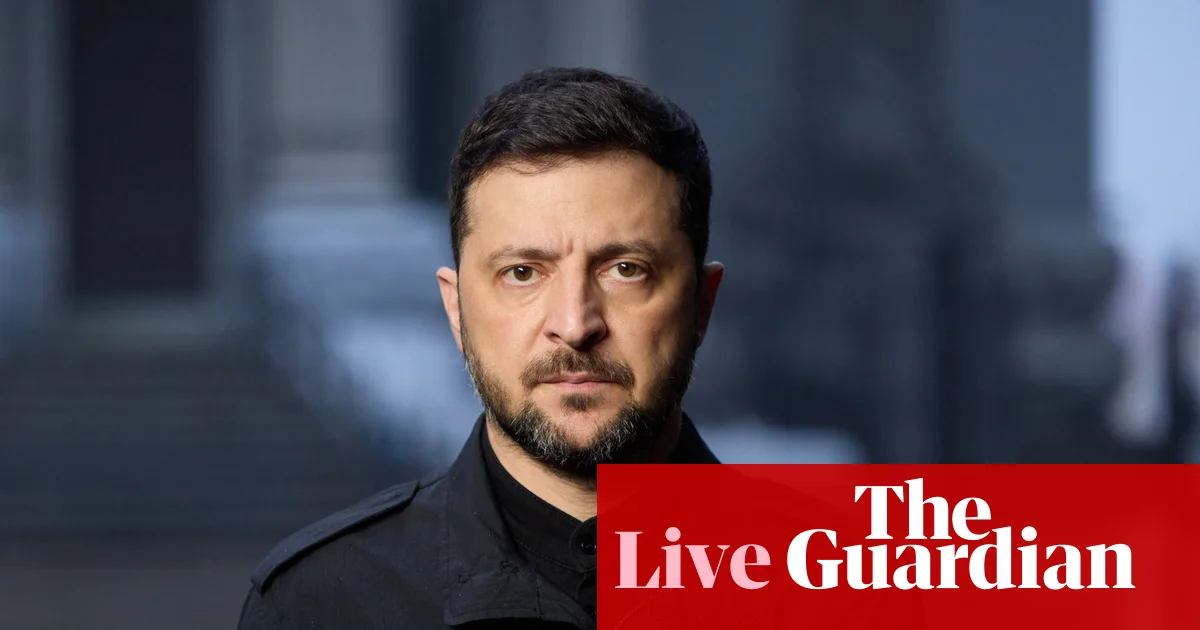
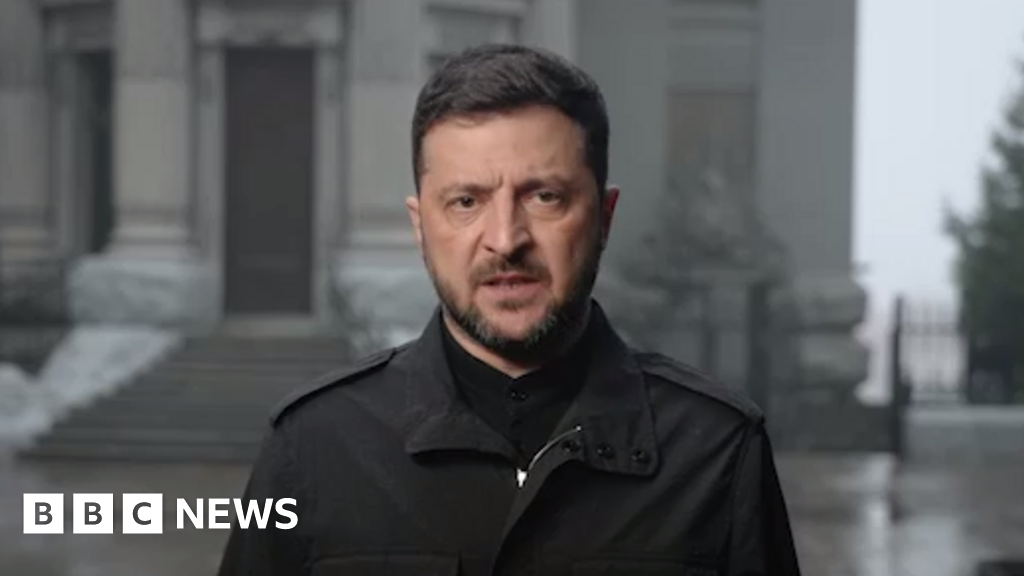
What makes this situation even more dramatic is the conflicting narratives coming from Kyiv and Moscow. Volodymyr Zelenskyy has explicitly warned that accepting the US-Russian proposal could strip Ukraine of its territorial integrity and national dignity. Zelenskyy described the moment as one of the most difficult in Ukraine’s history, expressing fears that an imposed peace could leave the nation “without freedom, dignity, and justice.” Meanwhile, Vladimir Putin dismisses Ukrainian resistance as unrealistic, publicly declaring that Kyiv and its European allies cling to illusions, dreaming of inflicting a strategic defeat on Russia — a stance that echoes the Kremlin’s broader narrative of standing firm against what it frames as Western aggression. Putin‘s rhetoric not only reinforces Russia’s stance but also aims to sway international opinion to view the proposed deal as a capitulation, casting doubt on its feasibility.

The geopolitical impact of these developments is profound. The West’s unwavering support for Ukraine and the push for a “genuine and fair” peace, as reiterated by France’s President Emmanuel Macron and Germany’s Chancellor Friedrich Merz, brings into focus the broader contest for influence and the future stability of Europe. Analysts suggest that how this conflict advances or concludes will shape the geopolitical landscape for decades to come. Tensions are mounting as discussions pivot toward whether international diplomacy will succeed in staving off a larger, more destructive conflict or instead enable a further erosion of Ukrainian sovereignty under the guise of peace.

Adding to this tension are emerging reports of provocative actions, such as a Ukrainian drone attack on Russian energy facilities in the Samara region, which has resulted in casualties and a heightened state of alert in Moscow. This act of defiance indicates that, despite diplomatic efforts, the conflict remains volatile. Meanwhile, US officials are increasingly concerned about clandestine meetings in Miami, where members of the Trump administration reportedly met with Kirill Dmitriev, a Russian envoy under US sanctions. Such revelations threaten to complicate diplomatic processes — raising the worry that hidden agendas and back-channel negotiations might undermine official efforts toward peace, or worse, escalate hostilities.

As the world watches the shifting sands of diplomacy and conflict, one thing remains undeniable: history is writing itself in real time, and nations now face a dilemma of unprecedented magnitude. Will they forge a peace rooted in respect and fairness, or succumb to the temptations of strategic capitulation that could redefine sovereignty and alter the course of history? The unfolding drama at the G20 summit promises to be remembered as the moment when global courage, or cowardice, decided Ukraine’s fate — but in the shadows, the true hand of geopolitics continues to shape the coming storms, leaving the future suspended in a volatile balance of power and principle.

Zelensky warns Ukraine could lose US backing over White House peace plan

In a tense spectacle of international diplomacy and conflict escalation, Ukraine finds itself at a crossroads, entangled in a geopolitical turbulence that threatens to reshape the global order. Ukrainian President Volodymyr Zelensky has issued stark warnings, asserting that Kyiv risks the loss of critical US support over a controversial peace plan leaked from Washington. The plan—widely considered as heavily skewed toward Russian interests—calls for Ukraine to cede territories, significantly reduce its military, and forswear NATO membership. Zelensky, in a poignant address, underscored that Ukraine faces a “very difficult choice: either losing dignity, or risking the loss of a key partner,” revealing the internal crisis and mounting international pressure Kyiv must confront amidst ongoing conflict.

Meanwhile, Russia, under the leadership of Vladimir Putin, remains resolute in its aims despite mounting casualties and international criticism. President Putin, clad in military uniform, openly declared his commitment to the “unconditional achievement” of Russia’s strategic objectives—most notably, the full-scale continuation of the special military operation in Ukraine. Analysts and historians such as Dr. Elizabeth Moore from the International Institute of Strategic Studies have warned that Russia’s recent gains in southeastern Ukraine, though limited and slow, reflect a calculated effort to reshape the battlefield in Moscow’s favor. The Kremlin’s unwillingness to consider diplomatic concessions signals a dangerous gamble that could prolong the war and trigger unintended consequences for regional stability and global security.

Added to the complexity of this international chess game is the leaked US peace plan, a 28-point proposal that has ignited fierce debate. The draft suggests the withdrawal of Ukrainian troops from key eastern regions, de facto Russian control over territories, and a freeze on Ukraine’s southern borders—further solidifying Russia’s territorial gains. The plan also proposes a limit on Ukraine’s armed forces and hints at reintegration of Russia into the global economy, including potential lifting of sanctions and the reformation of the G7 into a G8, with Russia rejoining. Critics argue that such concessions could effectively capitulate Ukraine’s sovereignty, but Washington maintains it is a strategic move aimed at ending hostilities. The pivotal response from Kyiv, amidst strong nationalist sentiments, has been rejection and accusations of a plan designed “to continue the war,” stirring fears that negotiations are veering toward betrayal rather than peace.

Beyond the battlefield and diplomatic arena, the wider geopolitical impact resonates through alliances and international order itself. The G20 summit in South Africa becomes a critical stage where world leaders, including Prime Minister Sir Keir Starmer and others, are scheduled to deliberate on the peace proposal, with some issuing warnings that time is running out for a meaningful resolution. Meanwhile, US President Donald Trump has thrown a wrench into diplomatic efforts, warning that Ukraine could lose further territory in a “short amount of time,” and insisting that Kyiv must accept a deal by late November or face unacceptable loss. Such statements underline a broader struggle: whether the West will continue to stand firmly with Ukraine or accept a new geopolitical landscape profoundly altered by concessions and strategic re-alignments. History is watching, its pen ready to inscribe whether this moment marks a turning point toward renewed peace or the ignition of a protracted conflict that will echo through generations to come—a reminder that, in the theater of nations, the weight of decisions today shapes the world of tomorrow.

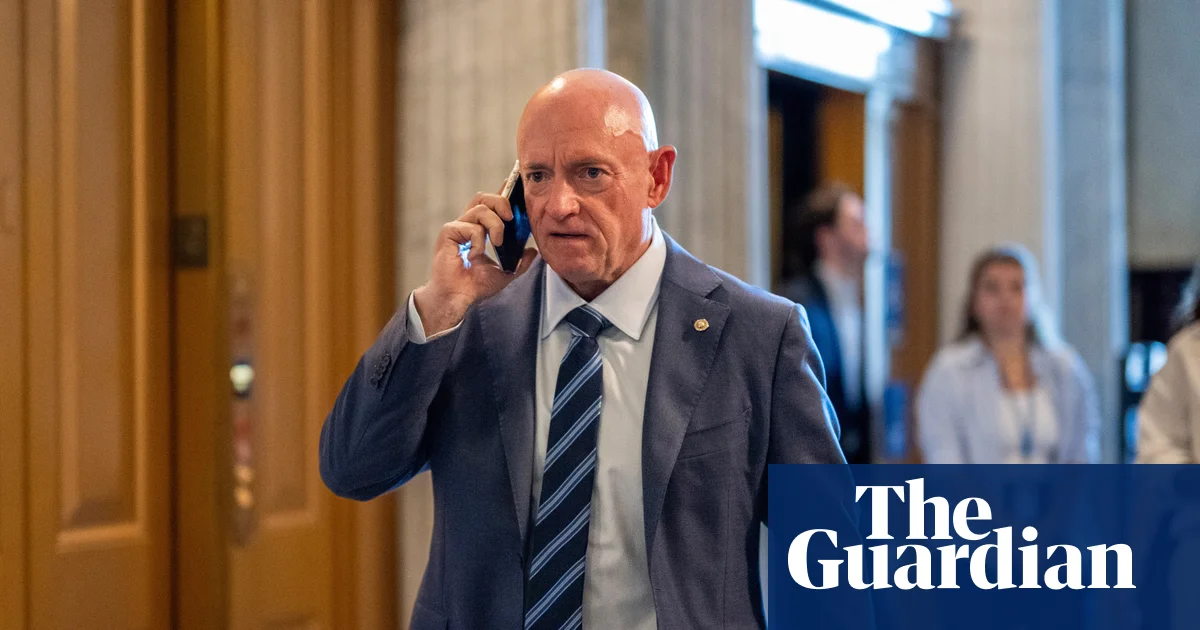
Senator, whose wife was shot, warns of rising threats after Trump seditious claims | US Senate

U.S. Political Climate Sparks International Concern Over Political Violence and International Stability

The recent escalation of rhetoric within United States politics has cast a shadow over global stability, with Senator Mark Kelly warning of the dangerous language used by former President Donald Trump. Kelly, himself a victim of political violence, expressed grave concerns over the rise of threats to himself, his staff, and the broader fabric of American democracy. This comes amid a fiery exchange that has brought issues of domestic political violence and public safety into sharp focus, prompting international observers and analysts to question the ripple effects of such incendiary rhetoric.

The incident underscores the polarized nature of current American discourse. A video featuring several Democratic lawmakers, including those with military or intelligence backgrounds, urging service members to refuse unlawful orders, has further ignited tensions. Trump’s response—labeling these lawmakers’ actions as “SEDITIOUS BEHAVIOR, punishable by DEATH” and calling for violent retribution—has echoed across social media, spurring reactions from allies and adversaries alike. This dangerous escalation not only threatens U.S. domestic peace but also raises concerns about possible international repercussions, as other nations watch in alarm.

Global Impact of America’s Internal Strife and Shifting Alliances

  • Historians and international analysts warn that U.S. internal divisions could undermine decades of global leadership, especially at a time when major geopolitical shifts are already underway.
  • Organizations such as The International Crisis Group warn that further polarization could embolden authoritarian regimes, which often use internal chaos as justification for expanding their influence on the world stage.
  • Meanwhile, allies in Europe and Asia observe that a weakened U.S. leadership could embolden adversaries like Russia and China, who are eyeing the vacuum to advance their strategic objectives.

Moreover, the domestic political violence reflected in recent events echoes broader global concerns about the stability of democratic institutions. The violent attack on the U.S. Capitol in January 2021, linked to then-President Trump’s rhetoric, remains a stark reminder of how fragile peace can be in times of profound political upheaval. As international leaders and historians analyze this convergence of rhetoric and violence, many emphasize how the choices made in Washington could shape the trajectory of democracy worldwide for generations to come. The narrative is clear: what unfolds in America’s political arena will determine whether the global order remains resilient or succumbs to chaos, inspired by the very violence fomented within its borders.

The Weight of History and the Unfolding Future

As President Biden and world leaders grapple with the repercussions of America’s internal struggles, the question remains—how will history judge this pivotal moment? Will the violence and incendiary language serve as a catalyst for change or precipitate a descent into chaos? These decisions have the power to recalibrate the balance of power and redefine the course of history. With each passing day, the world holds its breath, watching as America’s narrative continues to unfold—an epic story of division, resilience, and the enduring pursuit of liberty amidst the most turbulent times. The echoes of this chapter will undoubtedly resonate for generations, forging a legacy that will be etched into the annals of history as a stark reminder of a nation’s struggle to uphold its ideals in the face of internal storms.

Survey Warns Up to 50,000 UK Nurses May Quit Over Immigration Rules—A Wake-Up Call for Britain

The United Kingdom faces a seismic shift in its socio-political landscape as new immigration policies threaten to exacerbate the ongoing nursing crisis within the National Health Service (NHS). Recent research warns that up to 50,000 nurses could potentially leave the country if proposed measures are implemented, plunging the NHS into its most severe workforce shortage in history. This wave of potential departures underscores the precariousness of a system already strained under soaring demand and staffing deficits, as policymakers pursue a strategy aimed at reducing net migration. The plans, announced by the government, include extending the indefinite leave to remain (ILR) from five to ten years and increasing language and skill requirements for foreign workers, ostensibly to curb the influence of populist rhetoric led by figures like Nigel Farage and his Reform UK party. However, international observers and healthcare professionals warn that these policies will threaten patient safety and deepen the nation’s workforce crisis.

Significant geopolitical impact stems from these policy shifts, as the UK’s reliance on international talent is laid bare. Over 200,000 foreign nursing staff—roughly 25% of the NHS workforce—could see their futures destabilized by the new rules, with many contemplating outright departure. The Royal College of Nursing (RCN) has publicly condemned these measures as “immoral,” emphasizing their potential to cause irreparable harm to Britain’s healthcare system. According to analysts, the move reflects a broader reassertion of national sovereignty but at a cost: the loss of highly skilled migrant workers who have contributed significantly, especially during the COVID-19 pandemic. These nurses, many coming from nations such as the Philippines, India, and Eastern Europe, have become the backbone of Britain’s health services—yet they now face an uncertain future, with the proposed policies effectively penalizing those who have served amidst crises.

Experts such as global policy analysts warn that the decision to lengthen the ILR process and increase visa standards signifies a shift towards an inward-looking, protectionist approach that could have lasting ramifications. Historically, international migration has played a vital role in filling essential sectors in the UK, and leaders in international organizations caution that such restrictions threaten not just the NHS but the broader society. The increased fees for ILR applications—rising from £155 in 2003 to over £3,000—are seen as an economic barrier that disproportionately impacts the most vulnerable migrant workers and could further diminish the international workforce vital to Britain’s public services. As some healthcare leaders argue, these policies resemble a betrayal of those who sacrificed greatly during one of the most tumultuous periods in recent history, risking a hollowing out of the very fabric that has sustained Britain’s social safety net.

As the tension between sovereignty and globalization intensifies, the UK stands at a crossroads. Historians and international security analysts warn of ripple effects that extend well beyond healthcare, signaling a redefinition of Britain’s role on the world stage. The potential mass exodus of healthcare workers echoes past patterns where economic or policy uncertainty prompts mass migration—a phenomenon with tumultuous consequences for the societal cohesion and economic stability of the nation. In this unfolding chapter of history, the decisions made today will not only influence the lives of millions but will indelibly sculpt the narrative of Britain—an island once proud of its openness and now teetering on the edge of restrictive nationalism. The shadows cast by these choices whisper a warning from history: that the path toward fortified borders and diminished international collaboration could yet backfire, leaving scars that time may never fully heal, with the weight of this unfolding story continuing to unfold long into the uncertain future.

Monarch Tractor warns of layoffs and potential shutdown as they prep for tough times

Monarch Tractor Faces Uncertain Future Amidst Innovation Challenges

Autonomous vehicle startups continue to embody the disruptive spirit fueling the next wave of agricultural revolution. Monarch Tractor, a pioneer in electric, autonomous tractors, now finds itself at a critical crossroads. The startup has issued a warning to over 100 employees of potential layoffs and even shutdown risks, signaling a significant setback in America’s push to innovate farming through cutting-edge technology. This development underscores a broader trend: even promising ventures in high-stakes tech sectors are vulnerable to technical flaws, market misalignments, and shifting strategic visions.

Historically, autonomous machinery has been hailed as a game-changer, promising increased efficiency and sustainability in agriculture. Yet, Monarch’s recent struggles reveal a stark reality: the inherent difficulty of translating autonomous concepts into reliable, scalable products. A lawsuit from an early dealer alleges that Monarch’s tractors were “unable to operate autonomously”—a serious blow that threatens investor confidence and market legitimacy. Despite substantial backing and bold visions by founders like Tesla veteran Mark Schwager, the company’s technical shortcomings have cast shadows over its future prospects. Analysts at Gartner warn that such failures highlight the steep learning curve and the disruptive risks involved in deploying autonomous systems at scale.

In parallel, the company’s shift away from manufacturing hardware towards a SaaS-based model signals a strategic pivot tailored to leverage software-driven revenue streams. Monarch’s new focus aims at providing full-fledged autonomy as a service, which could open lucrative partnerships with OEMs and other industry stakeholders. This aligns with industry-wide trends toward software-powered disruption; companies like Tesla and Mobileye have demonstrated that the future of autonomous driving hinges on software sophistication and networked ecosystems rather than just hardware. However, as timing and execution remain unpredictable, the risk of a startup failure remains high, especially in a market that demands flawless reliability and rapid rollout.

  • Innovation in autonomous tractors faces technical hurdles that only the most resilient tech giants can overcome
  • Disruption through SaaS enables new revenue streams but requires robust consumer trust and scalable operational models
  • Market shifts favor integrated hardware-software solutions, yet consumer adoption remains cautious amid technical setbacks
  • Business implications include potential consolidation within agri-tech, with larger firms exploiting gaps left by struggling startups

As industry leaders like Elon Musk and Peter Thiel emphasize, the path to disruptive innovation is fraught with risks but also ripe with opportunities for firms willing to invest in breakthrough technology. With industry giants and startups competing fiercely in the autonomous landscape, the urgency for rapid, reliable, and scalable solutions has never been greater. The current turbulence at Monarch Tractor serves as a stark warning: only those capable of overcoming technical hurdles and redefining business models will survive the fierce disruption looming on the horizon.

Looking ahead, industry stakeholders must heed these signals. The race to dominate autonomous farming is far from over, but the window for breakthrough success narrows. Innovation cycles are compressing, and consumer expectations for safe, reliable autonomous systems continue to rise. Companies that can master this balance will set the foundation for the next decade of agricultural and industrial transformation, leaving no room for complacency in an intensely competitive landscape. The future belongs to those who understand that disruption demands relentless innovation, strategic agility, and the courage to evolve faster than the competition—because in the relentless march of technology, the winners are those who act now, or fall behind forever.

Social Media Auto Publish Powered By : XYZScripts.com