Matox News

Truth Over Trends, always!

A New Beginning for Sundance: Fresh Perspectives and What’s Ahead for the 2026 Film Festival

The Evolving Spirit of Sundance: A Reflection on Culture, Identity, and the Promise of New Horizons

Once heralded as the heart of independent American cinema, the Sundance Film Festival has long embodied more than mere entertainment; it is an emblem of cultural authenticity, tradition, and societal identity. Founded by the iconic Robert Redford, Sundance was initially a celebration of the rugged frontier spirit, a platform for filmmakers who dared to challenge the mainstream and craft stories rooted in authenticity and local color. As Ortega y Gasset observed, “A culture is the incarnation of the ideals, troubles, aspirations, and contradictions of its people.” Sundance’s identity has always been intertwined with this philosophy—an ongoing dialogue between art and life, challenging the uniformity of Hollywood and fostering the distinct voices that shape a nation’s soul. As the festival shifts from Park City to Boulder, questions arise about whether this migration signifies a recalibration of cultural priorities, or a necessary evolution in an era demanding resilience and reinvention.

The festival’s historical relevance extends beyond the arts into the very fabric of societal change. It has historically celebrated films that grappled with American values, social justice, and identity politics, echoing Tocqueville’s insights on the importance of local cultures as the foundation of democracy. Films like Little Miss Sunshine or Whiplash serve as milestones—not just for their cinematic artistry but for their reflection of American resilience and the unyielding pursuit of excellence amidst adversity. Yet, today’s Sundance faces a paradox: while technological advancements have democratized film production, making independent filmmaking more accessible, access to distribution and slots in the festival are tightenings of a gate increasingly guarded by economic interests and corporate financiers. This shift underscores Gasset’s assertion that culture, once a collective expression, is now often filtered through economic and ideological lenses, risking the dilution of authentic voices in favor of market-driven narratives.

The Cultural Shift: From Authenticity to Commercial Opportunism

Recent years have witnessed a transformation, wherein the historic Sundance ideal—an incubator for raw, unpolished stories—has become entangled with the commercial pursuits of streamers and studios. The festival now often reflects a stratification: the real films that challenge convention and inspire discourse, versus those crafted within a calculated, factory-like process aimed at pleasing a broad, attention-starved audience. Philosophers like Chesterton warned of the danger of losing sight of the true in pursuit of the merely entertaining, and modern Sundance seems caught at this crossroads. The remarkable success of films like Josephine, which tackles harrowing subjects with originality, exemplifies the enduring relevance of art that speaks to the human condition beneath the veneer of commercial appeal. Such films remind us that culture is the memory of society and the prophecy of its future, a prophetic voice echoing through the shadows of contentious and uncomfortable truths.

As critics and audiences grapple with shifting tastes, the festival’s market dynamics reveal an underlying tension: the blurred lines between artistic integrity and financial viability. The absence of broad studio backing and limited sales post-festival reflect a conservative climate, where risks are minimized, and content is scrutinized through the lens of profitability. Yet, hope persists in the form of genuine cinematic art—films like Josephine—a film that not only confronts a tough subject yet does so with profound originality—embodying the quintessential Sundance spirit: challenging, daring, and purposeful.

Looking Forward: A New Horizon for Sundance and Society’s Cultural Mission

As Sundance prepares to relocate to Boulder, echoes of historical parallels resonate: just as great movements in art and thought have sought new ground—be it the Renaissance’s movement from Florence to Venice or the Harlem Renaissance’s cultural revival—so too must the festival redefine its cultural mission. The debate surrounding what Sundance should be—an incubator for authentic storytelling or a marketplace of commercially viable content—reflects a broader societal inquiry: what is the role of culture in forging identity and guiding society? To quote T.S. Eliot, “The progress of an artist is a continual self-sacrifice,” emphasizing that true cultural progress requires sacrifice, honesty, and resilience. The festival’s move offers an opportunity not merely for geographical change but for a renewal of purpose—balancing the demands of visibility and commerce with an unwavering commitment to the truthful and original voices of tomorrow.

In the end, culture remains a vital thread linking our past and future—a tapestry woven with memory, hope, and prophecy. Sundance, in its evolving form, may yet remind us that the true power of cinema lies not in its commercial success but in its ability to mirror humanity’s deepest struggles and aspirations. As we stand on the cusp of this new chapter, the enduring question remains: will we heed the wisdom of our cultural memory and listen for the prophetic voices whispering from the shadows? Perhaps, in their echoes, lies humanity’s most profound future—an enduring testament that from the ashes of change rises the future of art and identity intertwined in the sacred dance of tradition and innovation.

Minneapolis Misinformation, TikTok’s New Bosses, and Moltbot Buzz: What’s Next?

Recent developments across the U.S. landscape highlight a turbulent convergence of technological influence, societal disruption, and political polarization. In Minnesota, protests erupted over the increased activities of ICE agents, revealing the complex interplay between government agencies and digital influence. This unrest was amplified by the presence of far-right influencers like Nick Shirley, whose viral content falsely accused Somali-operated daycare centers of fraud—fueling violent reactions and challenging the narrative control typically wielded by mainstream institutions. Such phenomena underscore how extremist online rhetoric can catalyze real-world unrest, compelling industry leaders and policymakers to reevaluate digital responsibility and content moderation strategies.

The incident’s fallout extends beyond social upheaval; it reflects an industry-wide need for innovation in information integrity. Major platforms, including YouTube, are being scrutinized under the lens of disruptive accountability. Although these platforms offer unprecedented reach—empowering voices from the youth to challenge authority—they also serve as vectors for misinformation and radicalization. Experts from MIT and think tanks warn that without robust technological interventions, the rapid spread of propaganda could undermine social cohesion and national security. Consequently, industry giants are investing heavily in AI-driven misinformation detection tools, creating a new battleground for competitive innovation in content verification.

Simultaneously, the political implications are profound. Leaders like Rep. Ilhan Omar have called for decisive action, including abolishing ICE. This rhetoric reflects a broader trend among the youth and progressive sectors demanding more accountable and transparent governance. Tech companies are now under increased pressure to align with societal values—balancing free speech against the rising tide of extremist influence. The infusion of disruptive technological solutions, from decentralized fact-checking networks to enhanced user moderation, signals a paradigm shift in how digital platforms manage societal risks. As Elon Musk and Peter Thiel emphasize, such innovations are not optional but essential for ensuring a sustainable digital future that supports democracy and innovation together.

Looking ahead, the implications for business are unmistakable. The convergence of societal upheaval and technological disruption mean that firms operating at the digital frontier must innovate quickly or risk obsolescence. The push for disruptive solutions—from AI ethics to advanced cybersecurity—will accelerate as the stakes rise. Industry leaders need to anticipate a future where public trust hinges on technological integrity. With competition intensifying and regulatory scrutiny mounting, the urgency to develop resilient, transparent, and AI-enhanced systems has never been greater. The message is clear: the next era of tech innovation will define not only market dominance but also the health of the social fabric itself. Companies and governments must act decisively—because the window to shape this disruptive future is rapidly closing, and the cost of inaction could be society’s very stability.

GPT-5.2 vs Grok 4: The Battle for Tomorrow’s AI—What’s Worth Your Buck and What’s Next?

The Future of Artificial Intelligence: A Deep Dive into the Emerging Tech and Its Social Relevance

Over the past few months, the tech world has been buzzing with the latest advances in artificial intelligence, but the most captivating development is the ongoing battle for supremacy between giants like Google’s Gemini 3 and OpenAI’s GPT-5.2. Since its mid-November debut, Gemini 3 has made an immediate splash, and industry analysts are watching closely to see if OpenAI can hold its ground or even surpass the new benchmark. These models are not just numbers on a leaderboard—they are shaping the social fabric of our digital lives, influencing everything from content creation to how young people consume information online.

What makes GPT-5.2 particularly fascinating is its early promising performance across various AI benchmarks. Though still fresh out of its development stage, initial reports suggest GPT-5.2 will likely rise close to the top tier, with a particular edge in creative writing, web development, and problem-solving capabilities. As influencers and early adopters begin testing it, the buzz signals more than just technological progress; it points to a societal shift where AI is becoming seamlessly integrated into our everyday routines—whether we’re leveraging it for school projects or generating viral social content. This evolution indicates a future where AI-driven tools are not just aids but integral decisive factors in youth culture and social discourse.

Beyond the Numbers: The Cultural Impact of AI Models

The cultural impact of these AI models extends far beyond their technical specifications. As social commentators argue, AI is increasingly influencing how identity and communication are shaped online. For the younger generation, who are digital natives, AI-driven content creation, personalized learning, and interactive experiences are recreating the boundaries of self-expression. These models, especially with GPT-5.2’s purported superior performance, could catalyze a new wave of cultural expression—a digital renaissance fueled by machine intelligence. This shift is not just about convenience; it challenges traditional notions of creativity and authenticity, raising questions about what it means to create and to be human in a digital age.

Prominent luminaries such as sociologists and tech analysts are dissecting these changes, analyzing how AI models influence social dynamics and cultural narratives. As AI tools become more ‘mainstream’ and accessible, they’re rewriting the fabric of youth lifestyle—impacting social media trends, art forms, and even role models. The debate now isn’t whether AI will take over but rather how it will serve as a reflection of our values and aspirations.

The Battle for the Future: Price, Availability, and Ethical Dilemmas

In an industry that prices itself on exclusivity and innovation, GPT-5.2 holds an edge with its affordable subscription model. Priced at $20/month for the pro version, it’s positioned as a more accessible option for young creators and students compared to Grok’s subscription plans. Coupled with its wider integration across platforms like ChatGPT, GPT-5.2 isn’t just battling for leaderboard dominance; it’s competing to embed itself into the very ecosystem of digital youth culture. Yet, the rapid advancement of these AI models also invites ethical questions. As AI begins generating content that blurs the line between human and machine, society must consider the implications for authenticity, misinformation, and the very fabric of societal trust.

Furthermore, the social relevance of this AI evolution hinges on our ability to navigate these ethical concerns while embracing the opportunities for empowerment and self-expression. The next question that emerges might be: will society shape these tools to reflect its best values, or will it be swayed by the allure of unchecked technological progress? As AI models become more sophisticated, the younger generation might find itself at a crossroads—between an era of accelerated innovation and a reckoning with the very nature of social authenticity.

In this rapidly transforming landscape, one thing is clear: the rise of GPT-5.2 and its competitors is not just a story of technology but a cultural revolution in motion. As these models increasingly define our digital experiences, the real question remains: how will society harness this power to forge a future that aligns with its core values?

What’s an apprenticeship? How to land one—and what you can expect to earn?

Society in Transition: The Promise and Pitfalls of Modern Apprenticeships

As social dynamics evolve and economic pressures mount, the pursuit of meaningful employment pathways for youth has become a pressing societal concern. The government’s recent pledge to create 50,000 new apprenticeship opportunities aims to bridge the gap between education and employment—an effort rooted in traditional values of skill-building and self-reliance. This initiative reinforces the importance of community development, where families and local communities see tangible routes to economic stability. However, beneath this promising surface lie challenges that threaten to undermine the very fabric of those communities that the program seeks to support.

At the core of this social issue is the question of how these apprenticeships impact families and the education system. For many young people, apprenticeships represent a vital alternative to university—a route often dismissed as less prestigious but increasingly viewed as equally valuable. Yet, sociologist Dr. Anthony Giddens argued that social cohesion relies heavily on inclusivity; currently, programs like degree apprenticeships are less accessible to disadvantaged groups. As studies reveal, 10.7% of degree apprentices are classified as disadvantaged, a figure that, while seemingly small, exposes a broader pattern of inequality that mirrors societal stratification—where economic background often limits opportunity. Families from lower socioeconomic statuses grapple with the additional burdens of low-paid work, uncertain career prospects, and the stigma that sometimes accompanies vocational training.

From an educational standpoint, the dropout rate poses a significant hurdle. Despite the government’s support, less than 61% of apprentices complete their programs successfully. Critics argue this points to a systemic failure to provide adequate training, mentorship, and support—factors that social commentators like professor Michael Young have long identified as necessary for societal mobility. For families, these outcomes translate into frustration and, often, disillusionment. Meanwhile, young apprentices report that insufficient time for training, low wages, and poorly managed programs diminish their confidence and limit their future prospects. This cycle of underachievement and dropout threatens to reinforce existing inequalities, further dividing communities into those with stable, upward mobility and those left behind.

To address these issues, stakeholders propose a multifaceted approach, including increased funding, community engagement, and reform of apprenticeship structures. The government’s recent measures—such as covering the full cost of apprenticeships for under-25s and reducing minimum durations—are steps in the right direction. Yet, the challenge remains: ensuring these opportunities are inclusive and sustainable. Addressing barriers like low pay, lack of availability, and limited awareness is essential. As historian Dr. David Starkey emphasizes, society’s strength depends on “a shared sense of purpose and opportunity,” which cannot be achieved without equitable access to development programs that serve all communities, especially the most vulnerable. Family resilience and community empowerment hinge on creating pathways where talent and ambition are not stifled by economic hardship.

As society stands at this crossroads, the question persists: can the collective effort to reshape apprenticeships forge a society where opportunity is a universal currency, not an exclusive privilege? The hopes of countless families—aspiring to provide better futures for their children—rest on whether these policies translate into real change. Society’s true strength lies hidden in the faces of young apprentices who, despite unmet challenges, still believe in the promise of renewal. As history suggests, transformation is possible when dedicated communities, informed by shared values, come together to nurture the potential that lies within every young person. Society’s greatest challenge remains not just in policy but in fostering a collective moral commitment to remove barriers, ensuring that every individual, regardless of background, can write their own story of hope and achievement.

What’s Known About the DC National Guard Shooting: The Facts for Young Americans

In a harrowing incident that underscores the ongoing vulnerabilities within U.S. national security and immigration policy, two National Guard members were brutally shot in downtown Washington, D.C. just blocks from the White House. The attack, which took place around 2 pm EST, was immediately characterized by authorities as a targeted ambush, raising questions about the effectiveness of American civil and military oversight during what many are calling a time of national crisis. The suspect, identified as Rahmanullah Lakanwal, an Afghan national, was apprehended after a fierce encounter during his arrest, which left him shot four times. His background, linked to the mysterious and controversial Operation Allies Welcome program, adds a dangerous layer of complexity to the geopolitical consequences unfolding in the aftermath of this heinous act.

Those who follow international security trends recognize that the incident signifies more than a local tragedy; it sets a precipitous turning point in how the United States perceives and manages its border policies and immigration systems. Lakanwal, who arrived in the U.S. in 2021 under a program established during the chaotic withdrawal from Afghanistan, had recently been granted asylum, despite his reported links to the Taliban’s resurgence and the US intelligence community’s previous concerns. This has led to widespread criticism from conservatives and analysts alike, who argue that such policies may unwittingly empower hostile elements that exploit America’s goodwill. Leading security experts warn that the case exemplifies the peril of lax vetting processes, emphasizing the need for urgent reform to prevent future tragedies.

In response, the Trump administration announced a significant policy shift, including the suspension of all Afghan immigration requests and a comprehensive review of green cards issued across 19 countries. This decision underscores a broader international recalibration on migration, security, and sovereignty — themes atop which debate about national identity and global influence are increasingly centered. The attack is swiftly being exploited as a pretext to bolster a more aggressive stance on border security, reflected in the deployment of an additional 500 National Guard troops to Washington. While these reserve forces can provide vital oversight, many analysts argue that it exposes a deeper crisis in trust between the government and its citizens, revealing how internal divisions are intertwined with ongoing international conflicts.

Further complicating the geopolitical landscape, global organizations such as the United Nations and European Union have expressed concern over America’s evolving immigration policies, which threaten to reshape diplomatic frameworks and threaten cooperation on security issues. Meanwhile, some independent scholars suggest that the crisis raises longstanding questions about the efficacy of post-9/11 security measures and the real cost of focusing on external threats while internal vulnerabilities continue unabated. As historians dissect this disturbing episode, the echoes of past upheavals — from the fall of the Berlin Wall to the rise of populist movements — remind us that the actions of today are inexorably linked to the trajectory of tomorrow.

As smoke clears from the streets near the White House, one fact remains certain: history is still being written with each passing day. This attack is not just an isolated event but a stark reflection of a nation at a crossroads, where decisions made now will shape the balance of power and societal stability for decades to come. The weight of this moment will inevitably be measured by how resilient America’s resolve and its leadership’s foresight prove in the days ahead, for the story of this volatile chapter has only just begun, leaving the world to watch in tense anticipation as history unfolds.

UK Eyes Denmark’s Strict Asylum Approach—But What’s the Reality? | Migration

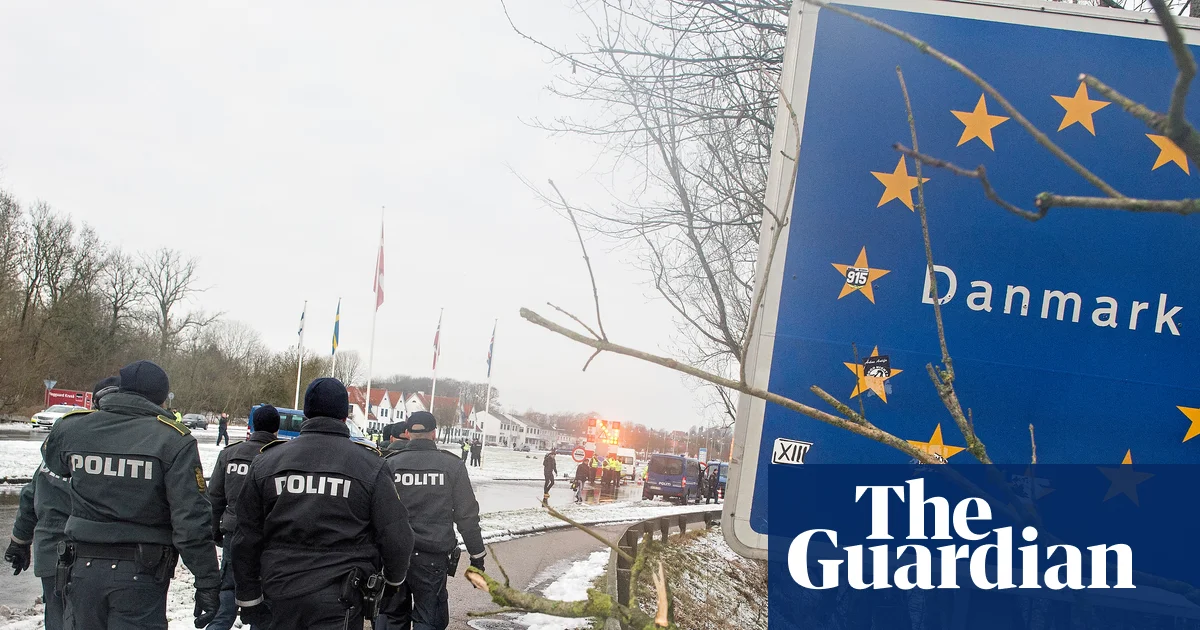
Over the past decade, Denmark has dramatically reshaped its approach to immigration and refugee policies, employing measures that reflect a broader trend amongst Western nations to prioritize national sovereignty and social cohesion over international humanitarian commitments. This shift, notably characterized by the replacement of permanent refugee status with highly restrictive, temporary permits, signals a deliberate effort by Danish policymakers to deter future asylum seekers. Since reforms enacted around 2015, accommodating the influx from conflict zones such as Syria, Afghanistan, and Iraq, Danish authorities have concentrated on deterrence, emphasizing language fluency, employment, and the unstable nature of residence as keystones of integration. Despite international criticism from organizations like the UN, these policies have clearly achieved their intended effect: a stark decline in asylum applications, from nearly 15,000 in 2014 to just over 2,300 in 2024. How long can a nation sustain such policies before societal cohesion suffers?

In the realm of geopolitical impact, Denmark’s example has reverberated beyond its borders. Following its lead, Britain’s recent efforts to emulate Danish measures show a growing trend among political elites to tighten borders and reduce refugee arrivals, aiming to curb what they perceive as burdens on national identity and social security. Such policies, often justified as pragmatic responses to immigration’s perceived threats, are under increasing scrutiny from international organizations and human rights advocates. Critics argue that the “deterrence-only” approach undermines global humanitarian norms and risks fostering extremism, especially when integration becomes a near impossibility under the current framework. Another layer of tension lies in how these policies reflect and influence internal political dynamics, where populist right-wing parties gain ground by advocating for “remigration” and the mass expulsion of immigrants, further polarizing societies already wrestling with identity and security concerns.

The impact on society and international relations extends beyond mere statistics. As noted by historians and analysts such as Dr. Lars Jensen, a geopolitical expert, Denmark’s policies represent an ideological shift: it’s less about humanitarianism and more about national self-preservation. Denmark’s “paradigm shift” under Prime Minister Mette Frederiksen, emphasizing repatriation and social segmentation, exemplifies a broader move within Europe toward populist political strategies. Internationally, this raises critical questions about the future of humane refugee protocols, especially as the continent faces demographic challenges—such as declining birthrates and an aging population—which threaten the very economies that are now tightening borders. Will the pursuit of short-term political gains compromise the long-term stability and moral fabric of Western societies? This dilemma frames a pivotal chapter in the ongoing contest between liberal values and nationalist sovereignty.

As history turns its uncertain pages, the story of Denmark’s policies underscores a sobering truth: the choices made today shape the societal and geopolitical landscape of tomorrow. While governments may believe they are protecting their nations’ future, their decisions carry the weight of a global narrative that is still being written—one in which the ideals of compassion, inclusion, and international cooperation are tested against the imperatives of national security and cultural identity. The world watches as these policies unfold, aware that the outcome will influence the fate of millions of lives and rewrite the boundaries of human solidarity. In this relentless march of history, the question remains: can a nation’s resolve to safeguard itself coexist with the moral obligation to uphold human dignity, or are we witnessing the birth of a new, fractured global order?

YouTube TV, ESPN, Disney blackout: what’s really happening?

Disruption in Traditional Election Coverage: Streaming Platforms Shift Viewer Preferences

In a striking development that underscores the rapid evolution of the media landscape, recent data reveals a significant shift away from traditional broadcast networks towards popular streaming services like YouTube TV for election coverage. During the last two U.S. election cycles, the majority of viewers on YouTube TV opted not to watch established broadcasters such as ABC, choosing instead to access news through alternative online sources. This trend signals a seismic change in how younger audiences consume news — favoring accessibility and on-demand content over legacy media formats.

This pivot is emblematic of a broader disruption of the traditional media business model. With a proliferation of free, easily accessible information on platforms like YouTube and its main service, consumers are becoming less reliant on conventional broadcast channels that rely heavily on advertising and cable subscriptions. This shift represents a formidable challenge to legacy broadcasters, who are now competing in a crowded digital marketplace that prioritizes immediacy, interactivity, and personalized content. As industry analysts from Gartner and MIT observe, the market is experiencing a fundamental transformation driven by the rise of digital-native content.

From an innovation standpoint, streaming services are pioneering features that further entrench their dominance.

  • Enhanced user engagement through live commentaries and social integrations
  • Higher accessibility on multiple devices, including smartphones and smart TVs
  • Customized news feeds powered by machine learning algorithms

Meanwhile, traditional broadcasters face the dilemma of retrofitting their distribution models or risking obsolescence. Major players like Comcast and Disney are investing heavily in their own streaming platforms, yet the competitive pressure from YouTube and others remains intense.

Industry leaders and futurists such as Elon Musk and Peter Thiel emphasize that this trend toward digital disruption extends beyond news into sectors like finance, transportation, and even AI. They warn that the speed of innovation demands swift adaptation, or risk falling behind. The implications for businesses are profound: companies rooted in traditional models must innovate aggressively to stay relevant, or face declining market share and eroding influence.

Looking forward, the trajectory points toward an increasingly decentralized and democratized media ecosystem. Emerging technologies such as immersive virtual and augmented reality, alongside real-time data analytics, are poised to redefine user engagement. Governments, corporations, and consumers must move with urgency, embracing this wave of innovation to harness its full potential. The message is clear: in the race for attention in the digital age, standing still is equivalent to falling behind. The future belongs to those willing to disrupt, innovate, and lead the charge into what remains a rapidly unfolding frontier of technological progress.

Google’s New York Offices Hit with Bed Bug Outbreak — What’s Going on Behind the Screens?

Google’s New York City Campus Encounters Bed Bug Outbreak, Highlighting Industry Challenges

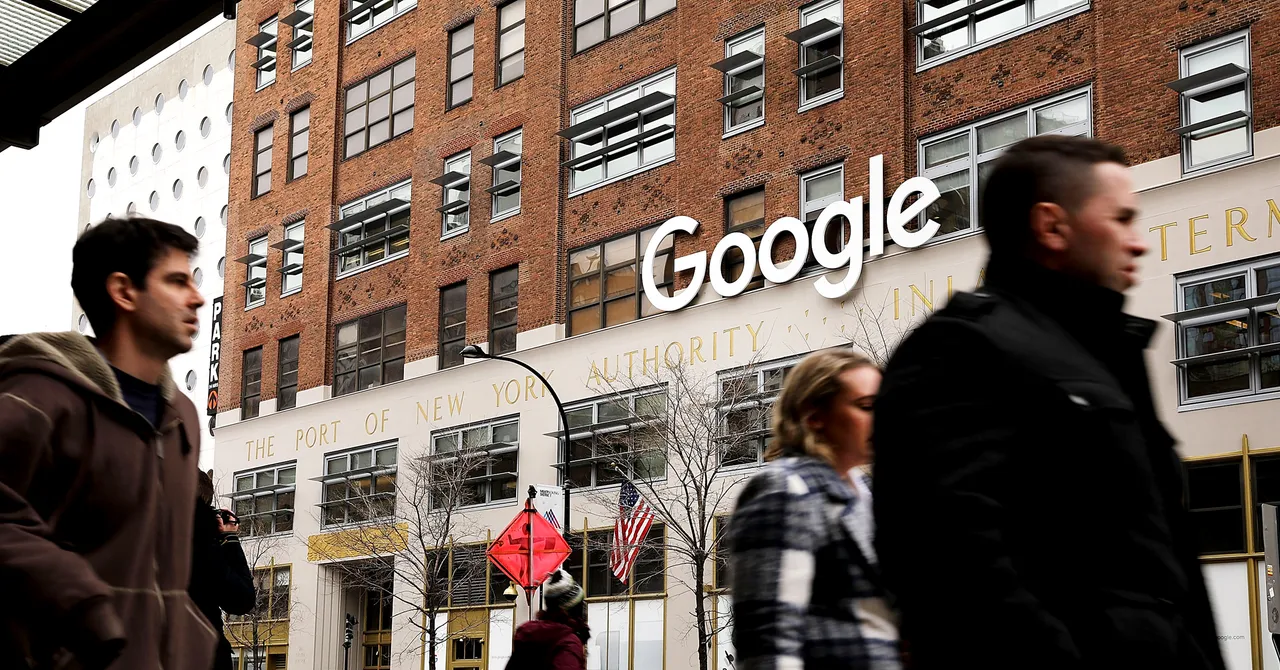
In a striking reminder that even the most innovative technological giants are not immune to operational disruptions, Google recently issued a notice to employees at its Chelsea campus in New York City regarding a potential bed bug outbreak. The incident underscores ongoing challenges in maintaining clean and healthy environments within the rapidly evolving landscape of tech hubs, despite the company’s status as an industry leader in innovation. Exterminators, equipped with advanced sniffing dogs, confirmed credible evidence of pests, prompting the immediate suspension of office activities until remediation efforts were completed.

Implications for Business Operations and Industry Standards

This recurring annual issue reveals a broader truth about high-density tech campuses—sustainable innovation demands resilient infrastructure and robust operational protocols. Google’s proactive approach, including additional inspections across its New York campuses, exemplifies industry best practices. The incident not only disrupts workflow but also raises questions about workplace hygiene standards in these high-profile centers of innovation. Such occurrences serve as a reminder to industry leaders and firms across sectors about the lurking vulnerabilities of large-scale physical environments, even amidst the digital revolution.

Broader Industry Trends and Disruptive Challenges

The recurrence of pest issues at Google’s offices is emblematic of urban tech hub insecurities faced by Silicon Valley giants and startups alike. Past incidents, such as the 2010 outbreak at Google’s Ninth Avenue offices, highlight a persistent challenge in managing the intersection of urban living conditions and cutting-edge workplaces. As industry analysts like Gartner emphasize, disruption isn’t limited to products or markets—it extends to operational resilience and health standards.

Future Outlook: Innovation Meets Continued Disruption

While these setbacks might seem minor against the epoch-defining scope of technological progress, they serve as crucial lessons for future innovation strategies. Technological disruption is often accompanied by unforeseen operational vulnerabilities, underscoring the need for integrating advanced pest management and environmental controls into corporate infrastructure. Experts like Elon Musk and Peter Thiel have long warned that disruption also requires resilience and agility—traits that will define market leaders in the coming decade. Going forward, the emphasis on health-driven innovation and sustainable workplace environments will be essential to sustain growth amid mounting external challenges. The lesson remains clear: as the artificial and digital realms accelerate, so must the robustness of their physical counterparts.

Jennifer Lawrence Addresses Gaza: “What’s Happening Constitutes a Grave Genocide”

In the midst of today’s tumultuous cultural landscape, the words of Jennifer Lawrence serve as a reminder that art and society are profoundly intertwined — that they are, in essence, mirrors and molders of our collective identity. As she boldly addressed the Israeli offense in Gaza, calling it “no less than a genocide,” Lawrence ventures beyond the superficial to confront the enduring moral questions that define a civilization. Her candidness underscores what critics like Ortega y Gasset have long argued: that culture is both the expression and the foundation of a society’s soul. In this, her voice becomes an act of cultural resistance, asserting that art is not merely entertainment but a vital form of truth-telling and moral engagement. It is this conviction that elevates the artist from mere creator to custodian of civilization’s memory, challenging us to look deeper into the currents shaping our world.

During her discourse at the San Sebastián film festival, Lawrence also touched upon the perilous state of free speech and the pervasive loss of respect in American political dialogue. Her comments highlight an often-overlooked cultural phenomenon: the war over narratives, the battles over what is remembered, and what is silenced. Philosophers like Tocqueville have observed that democracies are fragile not merely because of political division but because of the erosion of shared cultural values and the attack on individual moral agency. Today, as entertainment figures like Lawrence push back against the rising tide of censorship—exemplified by the recent pledge of over 4,000 Hollywood insiders to boycott Israeli institutions —they remind us that culture is the battlefield of identity and morality. This moral stand is rooted in a broader fight to safeguard our ingrained traditions, to ensure that the memory of our civilization remains resilient amid the shifting sands of modern ideologies.

Furthermore, Lawrence’s emphasis on responsibility within the cultural sphere echoes Chesterton’s assertion that “Art is the signature of man,” an enduring testament to the human spirit’s desire for meaning amidst chaos. Her vigilance against the normalization of dishonesty in politics underscores the importance of maintaining a moral compass through art and cultural expression. As history reveals, from the classical ideals of ancient Greece to the Renaissance’s renewal of humanism, society’s identity is preserved through its stories, its shared symbols, and its collective memory. The cultural battles we face are not merely about words or works of art—they are about the very soul of our society, our tradition, and our future. Truly, as T.S. Eliot suggests, if we understand our history as a poetic process, then each act of cultural resistance is a step towards the realization that humanity moves forward through remembering and reimagining.

In the end, culture emerges as both memory and prophecy: the memory of our ancestors’ victories and sacrifices and the prophecy of a civilization yet to come. The powerful images of art and the compelling stories told through film, music, and literature become a living record of who we are and who we might become. As Lawrence prepares to accept her honorary award, she reminds us that beneath the noise of modern conflicts lies the enduring truth—our culture, with all its beauty and brutality, is the living, breathing testament to human hope and resilience. And thus, as we ponder our roots and our future, let us remember that culture is both a mirror of humanity’s past and a lantern guiding us into the uncharted realm of human possibility—forever reminding us that, in the words of Eliot, “the only hope is to rediscover the poetry of ourselves.”

Israel Pushes Forward in Gaza While Trump Claims Ceasefire Near — What’s Next?

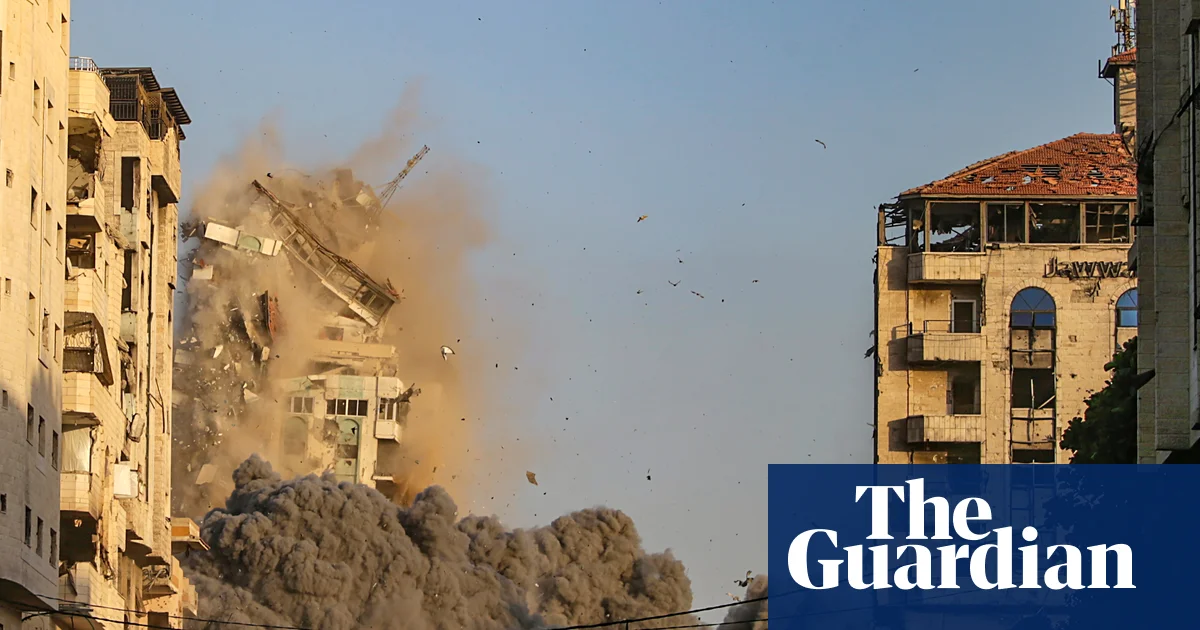
The ongoing conflict in Gaza continues to reverberate across the global stage, illustrating how local violence can rapidly escalate into a geopolitical crisis with far-reaching consequences. As Israel pushes forward with its ground offensive against Hamas, the international community is grappling with a complex web of alliances, rhetoric, and strategic interests. Reports from Gaza indicate Israeli tanks advancing through central and western neighborhoods of Gaza City, amidst a backdrop of staggering humanitarian suffering. Despite the widespread evacuation orders, many Palestinians remain trapped due to physical incapacity, poverty, or the destruction of infrastructure, exposing the stark disparity between military objectives and civilian safety. This scenario underscores a core dilemma for Israeli military tactics: pursuing security at a humanitarian cost that critics argue only deepens the cycle of violence, while analysts warn that the conflict’s escalation risks destabilizing the entire Middle East.

Within this crisis, the U.S. and European nations find themselves at a crossroads, trying to balance conflict management with strategic interests. Former President Donald Trump has re-entered the diplomatic arena with claims of an impending breakthrough, advocating a 21-point ceasefire proposal that includes the release of hostages, Hamas disarmament, and Israeli troop withdrawals. Yet, the realism of such promises remains in doubt, with Hamas’ armed wing raising urgent appeals to halt Israeli airstrikes to facilitate hostage negotiations—an appeal met with silence from Israel. Meanwhile, Netanyahu continues his vow to “finish the job” against Hamas, a stance that risks collapsing any nascent diplomatic channels and prolonging the cycle of violence. Global institutions like the United Nations have warned that the escalation threatens wider regional stability, but practical resolutions remain elusive amidst entrenched mistrust. The geopolitical impact is profound: alliances are tested, and the future of the Palestinian territories hangs precariously in the balance, with each side’s rhetoric fueling fears of a broader conflagration.

Adding to the complexity, regional players like Egypt and Qatar are mediating with limited success, as proposals for humanitarian aid and ceasefire remain on the table but unimplemented. Italian officials, echoing broader European concerns, have suggested alternative routes for international aid, such as distributing aid through Cyprus—an idea rebuffed by Israel, which insists on strict control over maritime access. The disruption caused by the flotilla incident off Crete illustrates how fragile efforts at humanitarian aid are amidst a warzone driven by entrenched narratives of resistance, sovereignty, and security. With the conflict now spanning over two months, and the death toll surpassing 66,000, the reality on the ground exposes the tragic divergence between military aims and the human toll—particularly for the civilians enduring famine, injury, and displacement.

More broadly, this crisis underscores a turning point in Middle Eastern geopolitics: the very fabric of peace, sovereignty, and international law is being challenged, with Israel‘s occupation of the West Bank and Jerusalem fueling Palestinian aspirations for a future state. The recent surge in violence, including a deadly car-ramming attack praised by Hamas, signals a region on the brink of wider upheaval. Historians and analysts have long warned that unresolved conflicts from the 1967 war, including the fate of Palestinian territories, inevitably destabilize the broader Middle East—potentially igniting flare-ups that threaten global security. As world powers stand divided—some supporting Israel’s right to defend itself, others calling for immediate ceasefire and negotiations—the weight of history urges a sobering reflection: in this theater of broken promises and unhealed wounds, the true cost is paid not by leaders and nations alone, but by generations of civilians caught in the crossfire, their suffering a grim reminder that the path to peace remains elusive, yet urgent as ever. The future remains uncertain, and the pages of history continue to turn, with each new chapter shaping the destiny of millions and testing the resilience of international resolve.

Social Media Auto Publish Powered By : XYZScripts.com