Matox News

Truth Over Trends, always!

Australia News Live: Penny Wong Urges Lebanon in Ceasefire, Calls for Protecting Aid Workers

Global Power Struggles Unfolding as Middle East Ceasefire Teeters

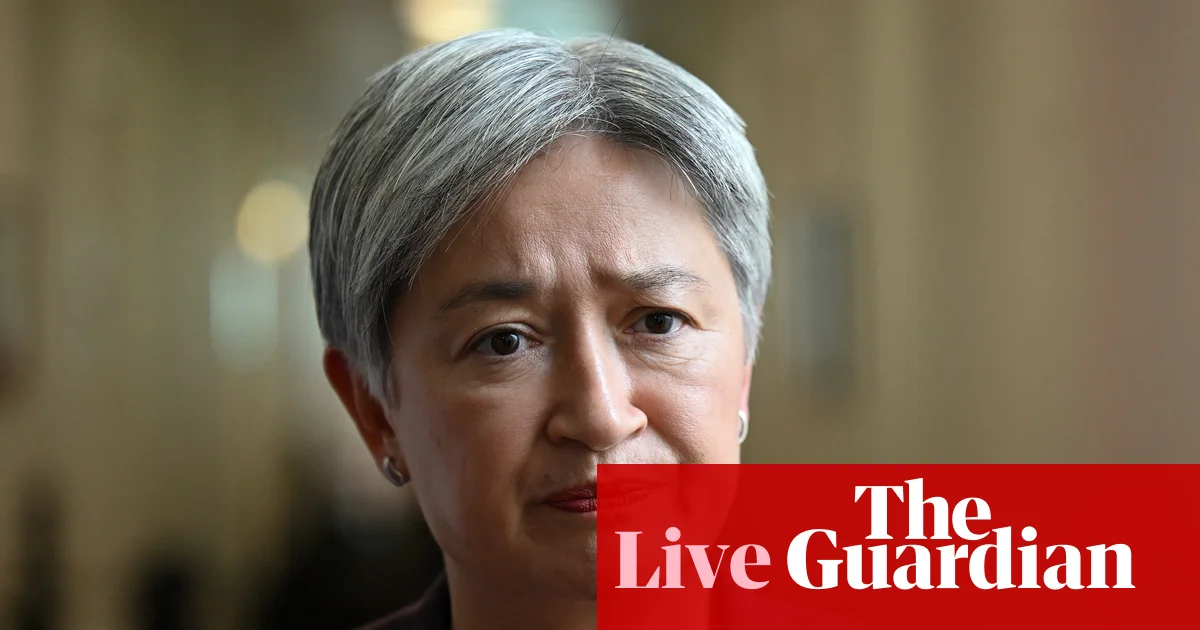
In an era where geopolitics often hangs in a delicate balance, recent developments highlight the profound impact of international decisions on nations and societies across the globe. The Middle East—a longstanding epicenter of conflict—finds itself at a critical juncture. Penny Wong, Australia’s foreign affairs minister, has issued a stark warning: the ongoing US-Iran ceasefire remains fragile and could unravel, risking catastrophic consequences not only for regional stability but for the **global economy** and **energy markets**. This fragile truce underscores a broader pattern of international uncertainty, driven by high-stakes diplomacy and shifting alliances that could reshape the geopolitical landscape for years to come.

Wong’s unequivocal concern reveals an underlying truth shared by analysts and historians: every decision taken now could have reverberations far beyond immediate conflict zones. The toll on civilian populations—marked by reports of over 250 casualties from Israeli strikes in Lebanon—illustrates the human cost of these geopolitical struggles. Recognizing the stakes, Australia has actively engaged in regional diplomacy, with Prime Minister Anthony Albanese leading efforts across the Indo-Pacific. Notably, Albanese’s discussions with the Sultan of Brunei and subsequent visits to Singapore aim to fortify energy supply chains crucial to Australia’s economy, demonstrating a pragmatic approach bent on domestic resilience amidst international turbulence. These diplomatic moves exemplify how global conflicts influence economic security and social stability within nations, as they navigate an increasingly interconnected world facing unprecedented shocks.

The regional diplomacy extends further, with China reaffirming its strategic partnership with Australia. Both nations are eyeing an upward trajectory, emphasizing economic cooperation in clean energy, electric vehicles, and market stability. China’s Premier Li Qiang highlighted the importance of fostering “positive atmospheres” and “mutually beneficial cooperation,” signaling a desire for stability amid international upheaval. This re-engagement occurs within the broader context of China’s long-term ambition to boost domestic demand, participate more actively in global trade, and elevate bilateral ties with Australia—elements that analysts see as part of a shifting power dynamic that could challenge traditional Western dominance. Meanwhile, Australia’s commitment to maintaining a balanced foreign policy—upholding the **One-China policy** while advocating for regional stability—reflects a nuanced strategy designed to maximize national interests while avoiding escalation in these volatile times.

As the world watches the impending fallout from ongoing conflicts, geopolitical players face a choice: reinforce the fragile status quo or risk plunging into chaos. The United States and Iran, along with regional allies, must navigate treacherous waters, balancing de-escalation efforts with strategic interests. Australian leaders, along with international organizations like the United Nations, call for respect for international humanitarian law and the protection of civilians—reminding all that humanity’s future hinges on the choices made today. The unfolding story of this geopolitical chessboard portends a future where the balance of power could tilt dramatically, threatening to alter the course of history itself. With each diplomatic handshake and ceasefire declaration, the true weight of history presses down—reminding us that we are all witnesses to an unfolding epoch that will define global borders and societies for generations to come.

Australia Ready to Back Gulf Allies Against Iran, Will Stay Clear of Ground War — Wong

Australia Navigates Middle Eastern Turmoil Amid Geopolitical Shifts

As international powers scramble in the aftermath of recent military strikes against Iran, Australia finds itself caught in a precarious position within a rapidly evolving geopolitical landscape. While Canberra explicitly refuses to deploy ground troops into Iran, its willingness to provide logistical and military support—albeit within tight boundaries—underscores the complex balancing act facing allied nations amid the escalating U.S.-Israeli coordinated strikes and Iran’s retaliatory missile and drone attacks.

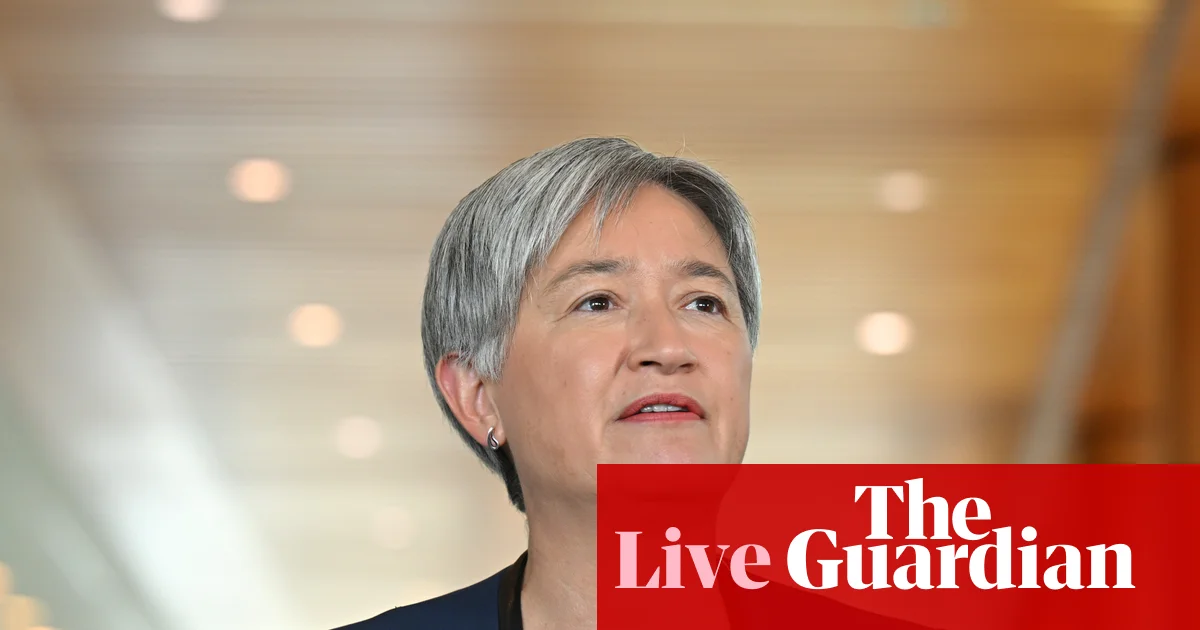
The Australian government, under the stewardship of Foreign Minister Penny Wong, has confirmed that it received requests for assistance from regional allies threatened by Iran’s mounting assaults. Nine flights have already evacuated Australians from the volatile Middle East, with additional flights scheduled, and hundreds have been bussed out of Qatar to nearby countries. Wong clarified that Australia is prepared to work through assistance measures targeted at defending the Gulf nations, but remains firm in its stance against offensive action—rejecting any deployment of combat troops into Iran and emphasizing adherence to a defensive posture instead. This position aligns with Australia’s broader policy of maintaining strategic independence, avoiding entanglement in regional conflicts that could draw its military into direct combat.

The geopolitical impact of such decisions is profound. Analysts note that Australia’s cautious approach seeks to preserve its international reputation while avoiding the pitfalls of overcommitment favored by some Western allies. Countries with a history of military intervention, like the United States and United Kingdom, have long debated the efficacy of troop deployments in volatile regions, but Australia—especially under current Prime Minister Anthony Albanese—has emphasized diplomatic and logistical support as the middle ground. Yet, this careful balancing act is increasingly scrutinized by critics who warn that the current trajectory risks aligning Australia too closely with US-led military endeavors, potentially dragging it into broader conflicts that serve geopolitical interests beyond national security.

International organizations and historians warn of the long-term consequences of this violent chapter. The United Nations has called for restraint, underscoring the danger of escalating a regional conflict into a wider world crisis. Veteran geopolitical analysts interpret Australia’s role as indicative of a broader trend: western nations are recalibrating their military priorities, emphasizing indirect support over direct engagement. Meanwhile, the ongoing conflict continues to reshape regional alliances, with Saudi Arabia and other Gulf states increasingly looking towards alternative power brokers, wary of the US’s militarized approach. As history reminds us, the decisions made today will echo through generations, shaping the fabric of international stability—or chaos.

In the shadows of this unfolding crisis, the weight of history presses heavily on the shoulders of modern leaders. With each missile launched and flight undertaken, the delicate chess game of geopolitics intensifies—drawing societies ever closer to the brink of chaos or stability. While Australia seeks to maintain a measured stance, the broader geopolitical impact leaves an undeniable imprint: a reminder that, in the theater of global conflict, the lines between diplomacy and war remain perilously thin, and the choices of today could determine the course of history for decades to come.

Australia updates: Wong hints at military aid in Middle East — no plans for offensive action against Iran, Victoria

Geopolitical Impact of Middle East Conflict and Domestic Unrest: Australia’s Strategic Position

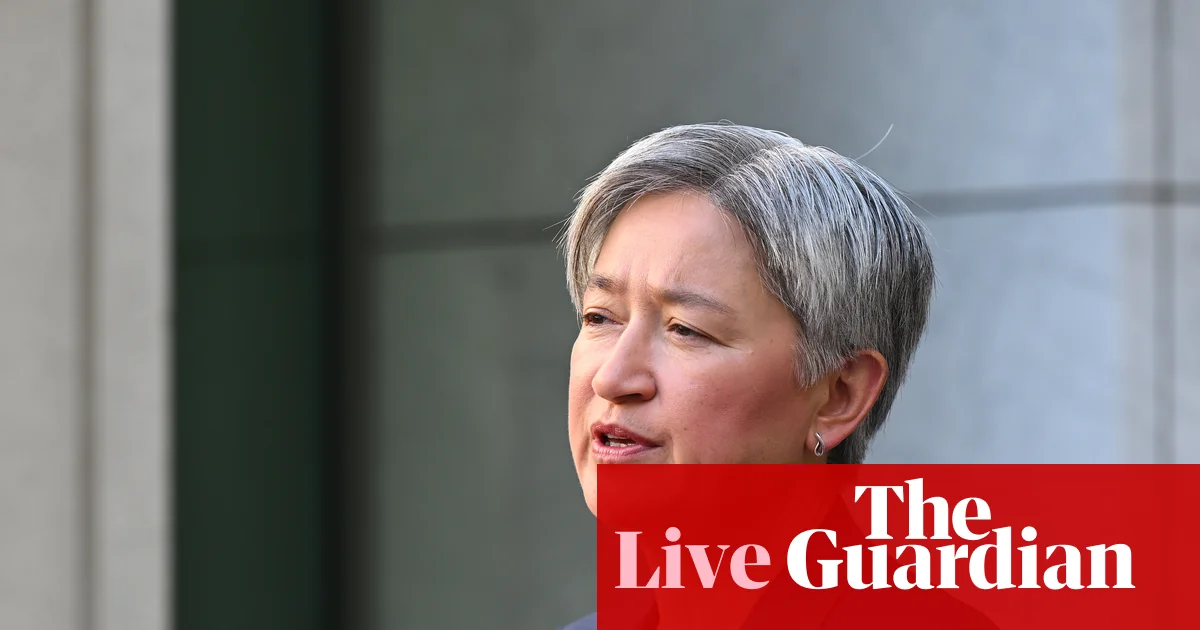
In an era marked by escalating international conflicts, Australia is carefully recalibrating its foreign and military policies amidst a complex web of regional tensions. Penny Wong, the nation’s foreign minister, has clarified that Australia will not engage in offensive actions against Iran, emphasizing instead Australia’s potential role in providing defensive military support to countries under threat. As regional powers like Iran ramp up missile and drone attacks, and non-participating nations face attacks through proxy tactics, the geopolitical landscape becomes even more volatile. The international community, including respected analysts and organizations like the United Nations, watches closely as Australia aims to balance its regional security commitments with prudent diplomacy, striving to avoid entanglement in a broader conflict.

The Australian government’s stance illustrates a cautious yet firm approach. Wong’s statements underscore a commitment to defending allies without crossing into offensive operations, a stance echoed by military strategists who warn against unnecessary escalation. The potential for “defensive military assistance” reflects a strategic necessity to safeguard regional stability, especially given Iran’s ongoing missile and drone deployment targeting non-participating countries. This approach signals a wider trend among Western allies, aligning with US and Israeli policies, but with an explicit limit: no ground troops. The decision—highlighted by analysts as a calculated move—aims to counter Iran’s expanding influence while avoiding a direct confrontation that could spiral into a larger regional war.

Domestically, Australia is experiencing its own turmoil, with violent incidents and political debates over security measures illuminating the broader societal impact of regional conflicts. Recent tragedies, including a savage knife attack at a Melbourne train station which resulted in the death of a bystander, have prompted urgent discussions about youth violence and community safety. Political figures like Mary-Anne Thomas and opposition spokespersons criticize what they call failures of the current community safety policies, invoking a heightened sense of urgency. This internal strife underscores how international crises often cast long shadows over social cohesion, as governments grapple with balancing national security with the need to restore public trust and safety.

  • Wong’s declaration that Australia could step in defensively in the Middle East, without offensive engagement
  • Iran’s relentless missile and drone assaults prompting regional instability and international responses
  • Australian repatriation efforts mobilized amidst rising regional violence—over 1,500 Australians evacuated from the Middle East
  • The internal crisis in Victoria, with youth violence and community safety at the forefront of political discourse

Historical scholars and international analysts warn that such strategic decisions carry profound geopolitical impact. The careful stance Australia adopts today could shape the future of regional alliances and influence global responses to Iran’s aggressive posture. Meanwhile, domestic unrest threatens to ignite larger societal debates about law, order, and national identity in a time of global upheaval. As policymakers walk this tightrope, the weight of history presses down—reminding us that the choices made in this volatile period will echo through generations.

The unfolding drama in the Middle East and within Australia’s borders leaves the world perched at a crossroads. Will this be a moment of restraint or the spark that ignites a broader conflict? As figures like Wong emphasize transparency and caution, the true test lies ahead—whether diplomacy prevails or history plunges into chaos, the next chapter remains unwritten. Humanity watches, holding its breath as the delicate balance between peace and war flickers in the shadows of history’s latestturning point.

Politics Update: Marles Denies Australia in Iran Strikes; Wong Highlights 115,000 Aussies in Crisis Zone as Flights Drop

The geopolitical landscape of the Middle East has once again shifted into a state of heightened tension, prompting international concern and urgent diplomatic responses. The recent escalation of conflict, coupled with the threat of Iran’s nuclear ambitions, has provoked decisive actions and warnings from many nations. Australia, traditionally cautious in foreign policy stance, finds itself in a precarious position as regional stability teeters on the brink of chaos. Recent updates from the Australian government reveal a sharp shift in posture, emphasizing the safety of its citizens abroad and the stability of its own energy supplies amidst regional turmoil.

In a notable development, Penny Wong, the foreign affairs minister, announced that Australians should brace for significant travel disruptions, as conflict unfolds in Iran and across the broader Middle East. Her statement underscores the severity of the situation, with many Australian nationals currently stranded due to airspace closures and ongoing hostilities. With approximately 115,000 Australians reportedly in the region—including thousands traveling routinely through major hubs—Wong’s warnings reflect the dire implications of the recent hostilities. Australian ambassadorial efforts remain focused on facilitating commercial flights that, as of now, have been largely disrupted or canceled, emphasizing the country’s stance on prioritizing its citizens’ safety.

Meanwhile, Canberra maintains a cautious approach externally, officially supporting efforts to prevent Iran from acquiring nuclear weapons but distancing itself from the recent US-Israeli strikes. Richard Marles, Australia’s defense minister, explicitly stated that Australia was not involved in the recent targeted strikes, including those at joint US facilities located on Australian soil. His comments align with Australia’s long-held policy of non-participation in foreign military interventions unless directly impacted or authorized, yet the clear support for preventing nuclear proliferation signals a nuanced stance. International analysts and think tanks emphasize the geopolitical impact of these moves, which could lead to further regional instability, affecting global markets, especially energy supplies.

Notably, the conflict’s ripple effects threaten to disrupt global energy security, with Barnaby Joyce, a prominent Australian politician, warning of potential petrol shortages. His remarks highlight Australia’s energy vulnerability, given that the nation maintains less than the recommended 90 days of fuel reserves advised by the International Energy Agency. As global tensions drive up oil prices, Australia’s reliance on imported fuel leaves its economy exposed to shocks from the Middle Eastern conflict. This development underscores the broader geopolitical impact of regional unrest, where decisions by powerful nations like the US and Israel resonate worldwide, shaping economic realities and societal well-being.

Within Australia, domestic politics also feel the tremors of foreign turmoil. The government faces pressure to address mounting security concerns, alongside ongoing issues like the state of hospital infrastructure in New South Wales. A recent surprising revelation exposed hundreds of hospitals grappling with serious maintenance problems, including insect infestations and structural damage, which health officials are quick to label as potentially just the “tip of the iceberg” in an overburdened system. Such crises reveal that beyond international conflicts, societal stability depends on internal resilience—yet, as analysts warn, these domestic issues pale in comparison to the harrowing geopolitical battles unfolding abroad. The unfolding story remains a stark reminder: as the empire-building and regional conflicts intensify, the very fabric of society may unravel if nations fail to balance their foreign commitments with the urgent needs of their citizens.

As history continues to write itself, the weight of these decisions hangs heavily in the balance. The fate of Australians overseas, the stability of the Middle East, and the global order itself are intertwined in a narrative that refuses to be easily unraveled. The choices made today—be it in Canberra, Washington, or Jerusalem—will echo through the annals of history, shaping a world in which the calm before the storm is over, and the storm itself has only just begun. In this delicate dance of diplomacy and power, the echoes of past conflicts remind us that the true test of leadership lies not in the words spoken but in the actions taken—actions that will be remembered long after the current flashpoints have faded into history’s shadows.

Social Media Auto Publish Powered By : XYZScripts.com