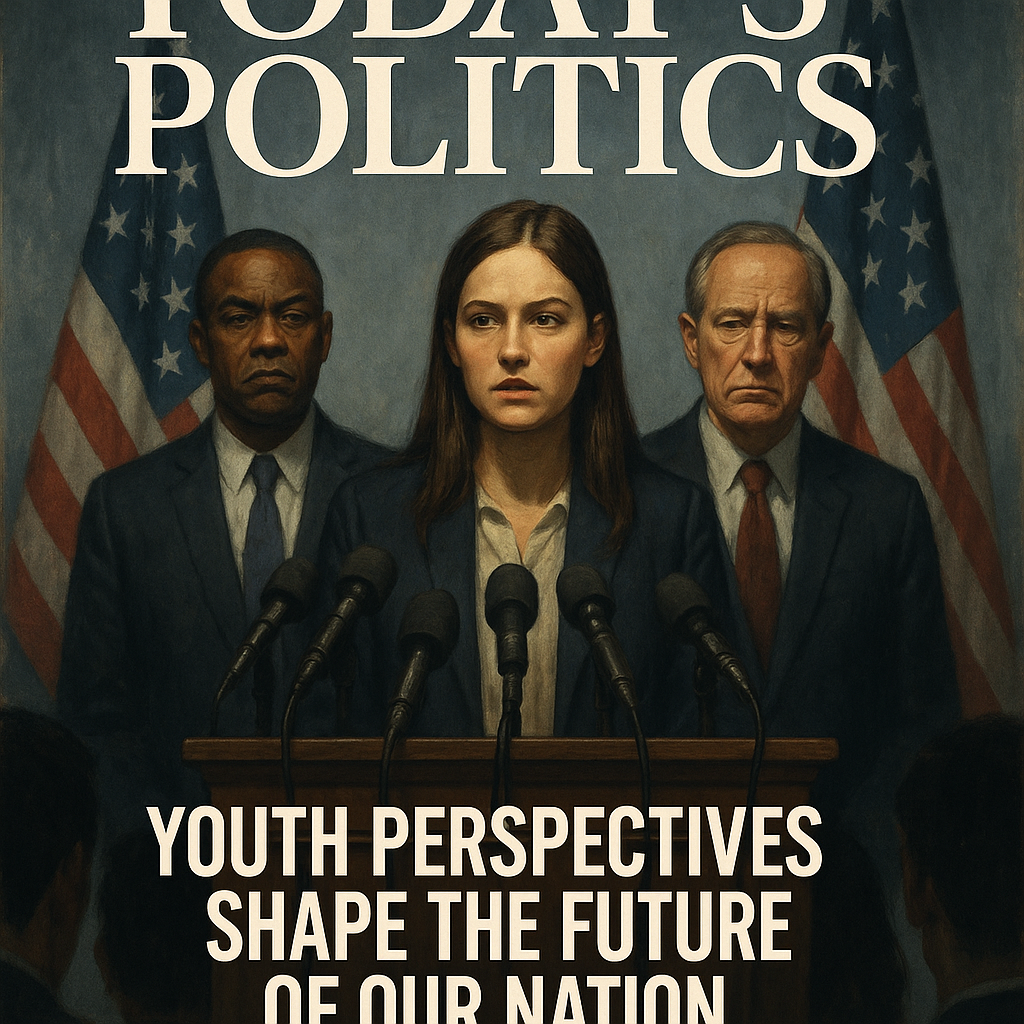
In the current landscape of American politics, the decisive battle for the soul of the nation continues to unfold amidst mounting power struggles that determine the direction of future policy and influence. At the center of this evolving tableau is President Joe Biden, whose administration endeavors to project authority while navigating the turbulent waters of division and discontent. The confrontations between the executive branch and legislative bodies reveal much about the undercurrents shaping American governance—where policy reforms are not merely legislative acts, but battlegrounds for ideological supremacy.
The Biden administration’s push for broad reforms—ranging from economic recovery to social equity—has been marked by an ambitious agenda that echoes traditional Democratic objectives. Yet, these initiatives often encounter fierce resistance from Republican-led legislatures and conservative interest groups desperate to preserve their influence. This dynamic not only underscores the power dynamic in play, but also raises questions about who truly holds sway over the policy outcomes that will shape the lives of millions. Here, the narrative echoes the enduring philosophical debate on who determines the governance of a nation—the voters, the elites, or the institutions.
Historical parallels are instructive. Like the fierce constitutional debates during the New Deal era or the more recent battles over healthcare and executive power, today’s political climate signals a struggle over constitutional interpretation. Constitutional scholars and theorists such as **Ronald Dworkin** and **A.V. Dicey** remind us that the document—while framed in the 18th century—serves as a battleground for contemporary ideologies. The very fabric of the U.S. Constitution is being tested as executive orders clash with legislative statutes, and questions around *who* wields *ultimate authority* become increasingly contentious. When institutions clash, it becomes clear that the ruling power defines the destiny of democracy itself—placing the social contract under continuous renegotiation.
In this constant push-and-pull, the decisions of today forge the societal landscape of tomorrow. Policy shifts—be they related to immigration, economic reform, or civil liberties—are rooted in broader ideological conflicts that resist simple resolution. The stakes transcend mere legislation; they shape the identity of the nation. As political theorist **Carl Schmitt** argued, sovereignty resides in the ability to decide on the exception, and in such moments, the true supremacy of power is revealed. The question remains: who will define the narrative from this stage of history? Will it be the advocates of order or the champions of change? Ultimately, the stage is set, and history is watching—to see who will write the final chapter in this ongoing saga of power and destiny.