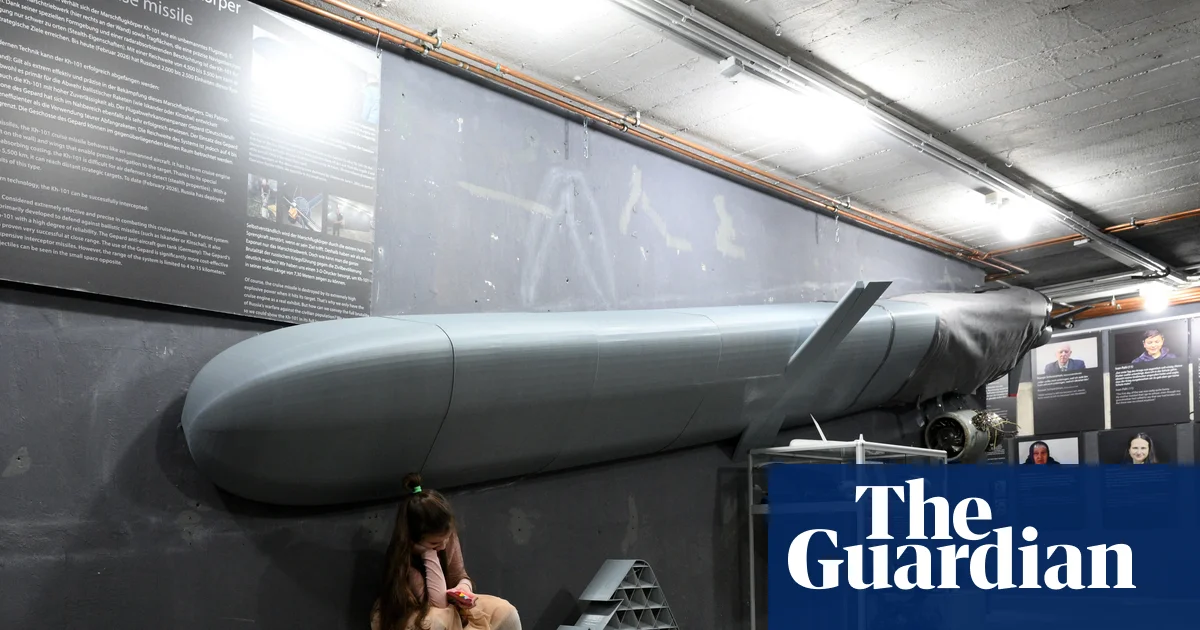
As Russia’s ongoing invasion of Ukraine enters its fourth year, the geopolitical landscape in Europe remains sharply divided over the appropriate response. The newly inaugurated Ukraine Museum in Berlin serves as a stark reminder of the conflict’s brutal reality, exposing visitors to the physical remnants and harrowing stories from the battlefield. Curated from war remnants and built in collaboration with Ukrainian frontline troops and historical institutions, the museum aims to combat growing fatigue and apathy among Western populations. It underscores an essential warning to the West: ignoring this war risks destabilizing the entire security architecture of the continent.
This museum’s presence in Berlin symbolically signifies Germany’s pivotal role as a major supporter of Kyiv, providing substantial military aid and shelter for millions of Ukrainian refugees. Yet, this support is not without controversy. Domestic political divisions threaten to weaken the unified front necessary to counter Putin’s expansionist ambitions. Critics argue that wavering in commitments—whether through resistance to increased arming or skepticism over continued aid—embolden Russia’s narrative of Western disinterest or weakness. According to analysts from the European Council on Foreign Relations, such factions are playing into Putin’s strategic aims to destabilize Western cohesion, emphasizing that European unity remains fragile and crucial for Ukraine’s survival and the broader confrontation with authoritarian expansion.
International observers, including historians and military strategists, emphasize that support for Ukraine goes far beyond humanitarian concern—it is a defining element of geopolitical stability in the 21st century. The war’s brutal reality, vividly exposed by the museum’s displays—such as a missile reconstructed via 3D printing and wreckage of a Russian T-72 tank—serves as a stark reminder that the stakes are existential for Ukraine and the West alike. The museum also draws attention to the dehumanizing propaganda—images of aid worker Oleg Salnyk, killed after the deliberate targeting of his ambulance by a Russian drone, are intended to forge a visceral understanding of the war’s toll. Such visceral representations seek to awaken Western audiences to the fact that timid complacency could lead to far greater catastrophe.
In response to the conflict, Germany and other Western nations face difficult questions: How long can they sustain military and economic support without internal discord? As Hanna Maliar, a former Ukrainian deputy defense minister, warns, “My advice to Germany is whatever you do, don’t get rid of your bunkers.” The metaphor resonates—without resilient defenses, the risk of destabilization extends beyond Ukraine into Euro-Atlantic security. Meanwhile, the Ukrainian resistance, exemplified through stories of aid workers targeted in front-line attacks, continues to symbolize the tenacity of a nation fighting to preserve sovereignty amidst a concerted effort by Russia to erode Ukrainian identity and independence. As history unfolds in real time, the question remains: will the powerful Western alliance recognize that the cost of indifference may be the very fabric of freedom itself?