Matox News

Truth Over Trends, always!

First-Time Home Buyers Face Uphill Battle Amid Soaring Costs and Uncertainty

The aspiration of homeownership is becoming increasingly challenging for many first-time home buyers across the nation. A complex interplay of factors, including significantly higher mortgage rates, persistent inflationary pressures, and a palpable dip in consumer confidence, is creating formidable barriers. This environment is effectively sidelining a generation of potential homeowners from entering the market, a trend with profound implications for economic stability, family well-being, and the broader societal aspiration of property ownership.

Global Events Fuel Domestic Housing Pressures

The current economic landscape presents a distinctly challenging environment for those looking to purchase their inaugural home. International developments, particularly the ongoing conflict in Iran, have sent ripples through global energy markets and supply chains. This geopolitical instability contributes directly to a volatile financial climate, impacting everything from commodity prices to interest rate expectations. Reports, including analysis from the News Desk, indicate that such external shocks are a significant driver of the elevated borrowing costs now confronting potential homeowners. For a healthy housing market, a stable global order and predictable economic conditions are not just desirable but essential.

The Affordability Conundrum for Aspiring Homeowners

At the heart of the struggle for first-time home buyers is the deepening affordability crisis. While some regional variations in property values exist, the overall cost of ownership, predominantly driven by elevated interest rates and stubbornly high inflation, remains prohibitively expensive for many working families. This situation is further compounded by a noticeable decline in consumer confidence. When individuals and families are uncertain about their financial future, or the broader economic trajectory, major long-term commitments such as buying a home are often postponed. This cautious approach, while financially prudent for individual households, inevitably slows market activity and impacts the delicate balance of housing supply and demand.

  • Key Challenges for Aspiring Homeowners:
  • High Mortgage Rates: Drastically increasing monthly payments and overall loan costs.
  • Inflationary Pressures: Diminishing savings and reducing purchasing power for down payments and closing costs.
  • Limited Housing Inventory: Contributing to competitive bidding and upward price pressure in many desirable areas.
  • Economic Uncertainty: Fostering hesitation and delayed decisions among those seeking long-term stability.

Charting a Course Towards Market Stability and Opportunity

Addressing the systemic challenges faced by first-time home buyers requires a principled and multi-faceted approach focused on restoring economic stability and fostering predictable market conditions. Sound fiscal policy and responsible monetary management are paramount to mitigating the impact of external shocks and ensuring that the housing market remains accessible to deserving families. A robust economy, characterized by controlled inflation, lower interest rates, and a commitment to free-market principles, is the bedrock upon which individuals can confidently plan for their future and invest in property. Supporting these foundational elements is crucial for reinforcing the institutions that underpin prosperity and social order, allowing more families to achieve the dream of homeownership and build generational wealth.

“The dream of homeownership is becoming increasingly elusive for many first-time home buyers, impacting a crucial segment of the housing market and the foundational dream of property ownership.”

The current headwinds facing first-time home buyers are a clear indicator of broader economic pressures that demand serious attention. While the market navigates these complexities, it is imperative that the foundational principles of economic stability, individual opportunity, and responsible governance are upheld. Reinvigorating confidence and ensuring a viable pathway to property ownership for hardworking families remains a vital objective for the nation’s long-term prosperity, social cohesion, and the preservation of the American dream.
Alabama's Bold Supreme Court Play Reignites Redistricting Battle
Alabama’s Bold Supreme Court Play Reignites Redistricting Battle

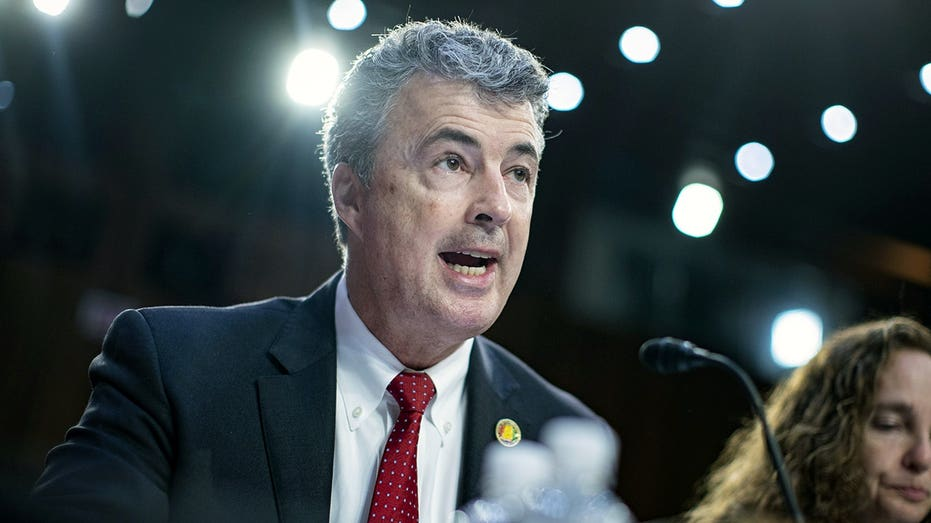
Alabama’s Attorney General, Steve Marshall, has initiated a significant legal challenge before the Supreme Court, aiming to reverse a prior ruling that imposed limitations on the state’s decennial redistricting process. This strategic maneuver follows a recent Louisiana Supreme Court decision, which Marshall believes fundamentally alters the legal landscape for how states can legitimately defend their legislative maps. The initiative signals a renewed and potentially decisive phase in the ongoing national debate over electoral boundaries, the role of race in district drawing, and the balance of institutional power. This aggressive posture aligns with a commitment to upholding established principles of governance and electoral integrity.

The “Callais” Catalyst and Alabama’s Stand

The core of Alabama’s ambitious argument hinges on the recent Louisiana “Callais” ruling. This decision by the Louisiana Supreme Court struck down that state’s congressional map, specifically impacting districts centered on New Orleans and a narrow majority-minority corridor. For Alabama, the “Callais” decision is seen as a pivotal development, suggesting that the Supreme Court’s previous stance, which some argue overemphasized racial factors in requiring the creation of specific districts, may now be open to re-evaluation. Attorney General Marshall posits that the Louisiana outcome offers a crucial new interpretation, providing states like Alabama a clearer path to prioritize historical redistricting criteria.

Defending Traditional Principles Against Judicial Overreach

Attorney General Marshall expressed considerable enthusiasm for this legal development, telling the Matox News source, Fox News Digital, that the “Callais” ruling provides a robust framework for Alabama to defend its maps drawn in both 2021 and 2023. He staunchly emphasized that these maps were constructed based on long-standing, historical redistricting principles. In his view, the Louisiana decision now clarifies that these traditional methods represent “constitutional exercises of that authority,” free from the undue influence of racial predominance. Marshall highlighted the Supreme Court’s broader, consistent analysis that race should not be the singular or predominant factor in drawing congressional districts — a principle he believes was unfortunately undermined in Alabama’s previous legal battles. This push underscores a commitment to electoral maps that reflect geography and community, not solely demographic composition.

Navigating the Legal Labyrinth Post-“Allen v. Milligan”

The state of Alabama currently operates under an injunction against its prior redistricting map, a direct consequence of the Supreme Court’s earlier “Allen v. Milligan” ruling. That landmark decision invalidated Alabama’s initial redistricting effort, with critics contending the ruling wrongly weighted racial factors in mandating the creation of what became a second Democratic-favored district within the traditionally conservative state. Marshall noted a critical distinction: unlike Louisiana, which was able to secure direct relief through the “Callais” decision, Alabama must now actively seek removal from its existing injunction by a three-judge panel. This procedural step is absolutely crucial for the state to either revert to its originally challenged map or empower the legislature to draw a new one, aligning with what Marshall perceives as the now-clarified constitutional framework. The stakes are exceptionally high for the state’s legislative autonomy.

“Now they have a framework for Alabama to directly defend what the legislature did both in 2021 and 2023… drawing maps based on historical redistricting principles that now I think Callais makes clear were constitutional exercises of that authority.”

This renewed legal offensive by Alabama’s Attorney General underscores the persistent and complex challenges surrounding redistricting nationwide. The state’s aggressive posture signals a firm commitment to upholding what its leaders interpret as constitutionally sound methods for drawing electoral maps, potentially setting a significant precedent for other states grappling with similar issues. The outcome of this Supreme Court gambit could redefine the delicate balance between traditional redistricting principles and interpretations of the Voting Rights Act, with profound implications for future elections, legislative representation, and the very structure of democratic governance across the country.

UK Energy Market Set for Major Shift as Ovo Takeover Looms

A significant consolidation in the British energy sector is on the horizon, with a planned deal involving Ovo set to reshape the market. Consumers are being assured that existing tariffs will be honored in full, with no immediate disruption to gas and electricity services as the merger progresses towards regulatory review.

Britain’s energy market is poised for a substantial transformation as reports emerge of a potential major takeover involving Ovo, a prominent energy supplier. The proposed deal, which could lead to the creation of the nation’s largest energy provider, comes with assurances for millions of households that their current contracts and services will remain unaffected.

Consumer Confidence Paramount Amidst Merger Talk

Amidst the swirling discussions, the primary concern for many families and businesses revolves around service stability and tariff commitments. Consumer groups, including Which?, have highlighted that all existing tariffs are expected to be fully honored. This commitment aims to prevent any undue panic among customers, ensuring a seamless transition should the deal proceed.

The proposed takeover involves Ovo, which currently serves four million customers, and E.On, with a substantial 5.6 million customer base. For the time being, both companies will continue to operate as distinct entities. This operational separation is critical until any final decision on approval is granted, a process that could extend through the latter half of the year.

  • Existing tariffs will be honoured in full, ensuring no immediate changes for customers.
  • Gas and electricity services are expected to remain unaffected, providing continuity for households and businesses.
  • Both companies will maintain separate operations until regulatory approval is secured.

Reshaping Britain’s Energy Landscape

Should the deal gain regulatory consent, it would represent a significant realignment within the competitive UK energy sector. The combined entity would potentially surpass current market leader Octopus in terms of customer numbers, establishing a new dominant player. Such a consolidation underscores the dynamic nature of the energy industry and the ongoing pressures on suppliers.

The financial specifics of the acquisition have not been officially disclosed. However, previous reports, including those cited by the BBC News Desk, have estimated the transaction’s value could reach as much as £600 million. This considerable sum reflects the strategic importance and scale of the proposed merger within the British utility landscape.

Regulatory Oversight: Safeguarding Fair Competition

A crucial aspect of any such large-scale market consolidation is the rigorous review by regulatory bodies. The proposed Ovo energy takeover will undergo thorough scrutiny to ensure it aligns with competition laws and serves the broader public interest. Regulators will assess the potential impact on market competition, consumer choice, and the overall health of the energy sector.

The process of regulatory approval is designed to safeguard against monopolies and ensure that a free market environment is maintained, offering fair prices and quality service to consumers. This institutional oversight is vital for maintaining order and trust within essential service industries, preventing any single entity from gaining undue influence. The outcome of this regulatory examination will determine the future structure of a significant portion of Britain’s energy supply.

Ensuring consumer continuity and fair competition remains paramount as the UK energy sector navigates this significant market consolidation.

As the UK energy market continues to evolve, driven by economic pressures and policy shifts, this potential merger highlights a broader trend towards consolidation. The focus now turns to the regulatory bodies, whose decisions will ultimately shape the competitive landscape and influence millions of energy consumers across the nation for years to come. Matox News will continue to monitor developments closely, providing factual and professional analysis on this critical economic story.

Alabama's Congressional Map Battle Heads to Supreme Court
Alabama’s Congressional Map Battle Heads to Supreme Court

The future of Alabama’s congressional map now firmly rests with the U.S. Supreme Court, as the state’s leadership has taken proactive steps to prepare for any forthcoming judicial decision. Governor Kay Ivey recently signed legislation that would trigger special primary elections for impacted U.S. House districts, signaling Alabama’s determination to implement its legislatively approved district lines from 2023, which have been held in abeyance by lower federal courts.

State Prepares for Electoral Contingency

In a move reflecting careful planning and adherence to institutional processes, Governor Ivey’s signature on the special election legislation ensures that Alabama can act promptly. This measure underscores the state’s commitment to its redistricting efforts, which also include similar legislation for state Senate districts approved in 2021.

Governor Ivey expressed gratitude to the Legislature for their swift action during the special session. “With this special session successfully behind us, Alabama now stands ready to quickly act, should the courts issue favorable rulings in our ongoing redistricting cases,” Ivey stated. She emphasized that “Alabama knows our state, our people and our districts best,” a clear affirmation of state sovereignty in electoral matters.

Federal Court Maintains Current District Lines

Despite Alabama’s legislative readiness, a federal court on Friday denied an emergency motion for a stay in the congressional redistricting case. This ruling effectively maintains the current electoral framework, preventing the state from immediately utilizing its 2023 map. The court’s order highlighted its limited authority to disrupt the existing “status quo,” particularly amidst an ongoing election cycle, while the injunction against Alabama’s map is under review by the Supreme Court.

The federal judiciary’s role in overseeing electoral maps has become a point of contention, with states like Alabama asserting their constitutional right to draw their own district boundaries based on local demographics and policy goals. The legal standoff illustrates the persistent tension between state legislative authority and federal judicial oversight in the sensitive area of electoral districting.

“I will continue to fight for Alabama to be able to use the congressional map the people’s elected representatives enacted.”

— Alabama Attorney General Steve Marshall

Alabama’s Stand for Lawful Policy Goals

Alabama’s Attorney General, Steve Marshall, has been a vocal proponent of the state’s position, asserting that the congressional map was developed based on “lawful policy goals.” Marshall reiterated his commitment to defending the state’s legislative decisions. The state’s legal team is actively pressing the U.S. Supreme Court to intervene and permit the use of the 2023 congressional map, arguing for the integrity of the state’s legislative process.

The case, which has garnered national attention, reflects broader debates about the balance of power between state and federal entities, particularly concerning electoral integrity and representation. As reported by News Desk, the legal arguments center on whether Alabama’s map adheres to federal voting rights laws while also respecting the state’s prerogative to define its electoral districts.

The state’s approach is rooted in the principle that elected representatives are best positioned to understand and cater to the unique needs and composition of their constituents. The ongoing legal challenge seeks to affirm this principle against judicial interventions that the state argues overstep bounds.

What Lies Ahead for Alabama Voters

The Supreme Court’s decision will be a pivotal moment for Alabama, directly impacting its electoral landscape for the upcoming federal elections. If the Court rules in favor of Alabama, the state’s meticulously planned special elections will proceed, potentially altering the political dynamics of several congressional districts. Conversely, a ruling against the state would solidify the use of the previously mandated map, maintaining the current district configurations.

Regardless of the outcome, this legal saga underscores the critical importance of robust institutions and the rule of law in navigating complex constitutional questions. For Alabama’s citizens, clarity on their electoral districts is paramount, ensuring fair and orderly participation in the democratic process.

Ovo Energy Takeover Plans Promise Stability for UK Households

The UK energy market is poised for a significant shift as E.On and Ovo Energy announce plans for a substantial takeover. This strategic move, which could establish Britain’s largest energy provider, comes with critical reassurances for millions of households nationwide. The proposed Ovo Energy takeover aims to consolidate market presence while prioritizing consumer stability.

The deal, which is currently undergoing review, promises a seamless transition for customers, ensuring that daily essential services remain uninterrupted. This focus on continuity is paramount for maintaining public trust in a vital sector.

Assurance for Consumers

Amidst the anticipation of a major industry consolidation, a primary concern for the public is the impact on their household budgets and service quality. Fortunately, the companies involved have provided clear commitments to protect consumer interests. All existing tariffs, for instance, are guaranteed to be honoured in full, a crucial pledge for financial predictability.

Consumer groups, including Which?, have confirmed that under the planned deal, both gas and electricity services will remain unaffected. This means households should experience no disruption to their energy supply or billing arrangements.

  • Existing tariffs will be honoured in full.
  • Gas and electricity services will be unaffected.
  • Customers will continue to be served without interruption.

Reshaping the UK Energy Landscape

Should the deal be approved, the combined entity of E.On and Ovo Energy would become Britain’s largest energy supplier. E.On currently serves 5.6 million customers, while Ovo has four million. This merger would surpass the customer base of the current market leader, Octopus, significantly reshaping the competitive landscape.

While the precise value of the transaction remains undisclosed, previous reports have placed its potential worth at up to £600 million. This substantial investment underscores the strategic importance of scale in the modern energy market, reflecting a trend towards consolidation among major players seeking efficiency and broader reach.

“This significant energy sector consolidation underscores the dynamic nature of the market, with a clear focus on ensuring consumer confidence and service continuity throughout the transition.”

Navigating Regulatory Scrutiny

Any such large-scale merger in a critical infrastructure sector like energy is subject to rigorous examination by regulatory bodies. The proposed takeover will be thoroughly checked by regulators before any final approval is granted, a process that could extend later into the year. This oversight is vital to ensure fair competition, prevent monopolies, and ultimately protect the interests of the end consumer.

Both E.On and Ovo are expected to continue operating separately until a decision on the deal’s approval is reached. This phased approach allows for a methodical review process, upholding institutional integrity and order within the market.

The proposed Ovo Energy takeover represents a pivotal moment for the UK’s energy sector. While promising stability for consumers and a stronger market presence for the merging entities, the ultimate success and benefit will hinge on transparent execution and robust regulatory oversight. Matox News will continue to monitor developments, focusing on how this shift impacts household finances and the broader economic framework.

Alabama's Congressional Map Battle Heats Up Ahead of Supreme Court Decision
Alabama’s Congressional Map Battle Heats Up Ahead of Supreme Court Decision

Alabama’s leadership is actively preparing for potential federal court rulings on its electoral districts, underscoring the state’s commitment to implementing its legislatively approved maps.

Governor Kay Ivey has taken a decisive step, signing legislation that paves the way for special primary elections should federal courts permit Alabama to utilize its 2023 congressional district lines. This move comes as the state presses the U.S. Supreme Court for clarity on a contentious redistricting battle, aiming to assert local control over electoral boundaries. The future of the Alabama congressional map now largely hinges on the nation’s highest judicial authority.

Proactive Legislative Measures

Governor Ivey’s recent signing of legislation on Friday demonstrates a proactive strategy by Alabama to be fully prepared for any favorable court decisions. This measure specifically targets U.S. House districts, with similar legislation also enacted for state Senate districts from 2021. The governor’s office emphasized the swift action by the legislature during a special session called to address the issue.

“Alabama knows our state, our people and our districts best.” – Governor Kay Ivey

Governor Ivey expressed gratitude for the legislative body’s responsiveness, stating, “With this special session successfully behind us, Alabama now stands ready to quickly act, should the courts issue favorable rulings in our ongoing redistricting cases.” She added, “I thank the Legislature for answering my call to address the issue in fast order. I am grateful to Speaker Ledbetter and Pro Tem Gudger for their strong leadership and focus this week.”

Federal Court Blocks and State’s Supreme Court Appeal

The state’s efforts to implement its preferred Alabama congressional map have faced recent setbacks in lower federal courts. A federal court on Friday denied an emergency motion for a stay in the congressional redistricting case. The court cited a lack of authority to “upend Alabama’s status quo” while the injunction establishing that status quo is well under review by the Supreme Court.

In response, Alabama’s legal team is intensifying its appeal to the U.S. Supreme Court, seeking a definitive ruling that would allow the state to proceed with its legislatively approved boundaries. State Attorney General Steve Marshall reaffirmed the state’s commitment, stating, “I will continue to fight for Alabama to be able to use the congressional map the people’s elected representatives enacted.” Marshall, whose comments were highlighted in reporting from Fox News Digital, further asserted that the map was drawn based on “lawful policy goals.”

Upholding Institutional Integrity and State Sovereignty

This ongoing legal challenge highlights a significant institutional power struggle between state legislative authority and federal judicial oversight. For Alabama, the core of the argument rests on the principle that elected state representatives are best positioned to determine district lines, reflecting the unique demographics and priorities of their constituents.

The proactive steps taken by Governor Ivey and the state legislature underscore a commitment to maintaining order and ensuring that the democratic process, as defined by state law, can proceed without undue delay. The outcome of this case will not only shape Alabama’s political landscape for future elections but could also set precedents for other states grappling with similar redistricting disputes, emphasizing the importance of state sovereignty in electoral matters.

As the legal process unfolds, Alabama’s leadership remains steadfast in its defense of the maps, asserting the fundamental right of the people’s representatives to define their electoral future. All eyes now turn to the U.S. Supreme Court, whose impending decision will either greenlight Alabama’s carefully crafted redistricting plan or prolong the legal uncertainty surrounding its electoral boundaries.

Josh Hart Challenges Philadelphia's 'Sports Town' Status After Knicks Sweep 76ers
Josh Hart Challenges Philadelphia’s ‘Sports Town’ Status After Knicks Sweep 76ers

New York Knicks guard Josh Hart questioned the passion of Philadelphia’s fanbase following his team’s dominant playoff victory, igniting a regional rivalry beyond the court.

Following a decisive sweep of the Philadelphia 76ers in the second round of the NBA Playoffs, New York Knicks guard Josh Hart did not hold back. His pointed remarks about Philadelphia’s identity as a sports city have sent ripples through both fanbases and reignited a fierce regional debate. The Knicks’ commanding 144-114 victory on Sunday night sealed the series, but it was Hart’s post-game commentary that truly captured headlines.

Hart’s Provocative Post-Game Statement

The New York Knicks completed their sweep of the 76ers with a dominant performance, showcasing their depth and offensive prowess. Miles McBride led the team with 25 points, supported by Jalen Brunson’s six assists and four rebounds, and Karl-Anthony Towns’ 17 points, 10 assists, and four rebounds. Josh Hart himself contributed significantly with 17 points and nine rebounds.

However, it was his candid assessment of the opposing city’s sports culture that became the evening’s most talked-about moment. A Villanova alum, Hart’s words carried a particular sting for Philadelphia faithful. “I used to think Philly was a sports town, I don’t know if it is anymore,” Hart stated plainly, challenging a core aspect of the city’s self-perception.

Philadelphia’s Recent Sporting Woes

Hart’s comments arrive amidst a challenging period for Philadelphia sports, with trophies proving elusive for many of its professional teams. While the Philadelphia Eagles recently celebrated a Super Bowl LIX victory over the Kansas City Chiefs, other franchises have faced significant droughts and recent disappointments.

  • The Philadelphia Phillies last secured a World Series title in 2008 and recently parted ways with their manager following a slow start to the 2026 season.
  • The Philadelphia Flyers, a storied NHL franchise, have not won a Stanley Cup since 1975 and were also swept in the second round of the 2026 playoffs.
  • The 76ers themselves have a long wait since their last NBA championship in 1983. Their last NBA Finals appearance was in 2001, led by Allen Iverson, and the team has consistently failed to advance past the Eastern Conference semifinals since.

This pattern of near-misses and early exits provides a backdrop to Hart’s critique, suggesting a broader frustration with the city’s sporting landscape.

“I used to think Philly was a sports town, I don’t know if it is anymore.”

— Josh Hart, New York Knicks Guard

Knicks Fan Presence Adds Insult to Injury

Further exacerbating the situation for Philadelphia fans was the visible presence of New York Knicks supporters in what should have been home-court advantage. Knicks fans reportedly traveled to Philadelphia in significant numbers for Games 3 and 4, creating an atmosphere that, for some, felt less like a hostile road game and more like a neutral site. This influx of rival fans to witness the sweep only amplified the sting of Hart’s post-game remarks, suggesting a perceived lack of local passion.

The sentiment was echoed by 76ers star Tyrese Maxey, who expressed disappointment over the fan turnout in home games, noting the prevalence of Knicks fans, as reported by Fox News. This highlights a concerning trend for the 76ers organization and its fanbase, as they grapple with fan engagement amidst playoff struggles.

Looking Ahead for Philadelphia Sports

As the NBA season progresses without the 76ers, Philadelphia fans are left to ponder the state of their beloved teams. While the Phillies’ season continues, many may already be looking towards September, eagerly anticipating the start of the Eagles’ 2026 campaign. Josh Hart’s bold statements have certainly stirred the pot, serving as a stark reminder of the intense rivalries and high expectations that define professional sports.

The challenge now falls to Philadelphia’s teams to reassert their dominance and prove Hart’s assessment incorrect, restoring pride to a city that deeply values its sporting heritage.

Trump Blasts Justices Gorsuch, Barrett Over Tariff Ruling

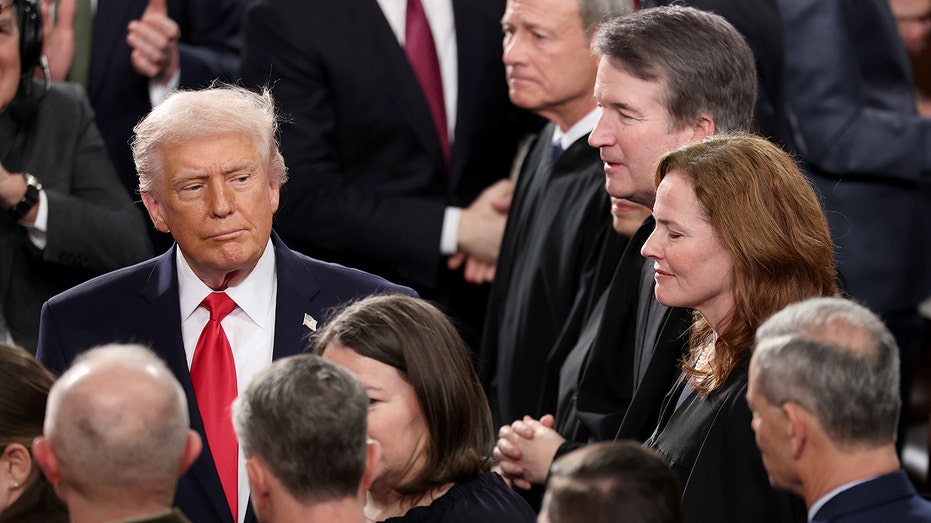
Former President Donald Trump has publicly criticized Supreme Court Justices Neil Gorsuch and Amy Coney Barrett, two of his own appointees, over a recent ruling concerning tariffs. In a lengthy statement posted on Truth Social, Mr. Trump alleged the decision cost the United States a staggering $159 billion and highlighted what he perceived as a profound lack of respect for the nation and its people.

The former president’s strong remarks underscore a growing tension between executive expectations and judicial independence, particularly when significant policy outcomes are at stake. His disappointment comes amidst a broader political landscape where institutional power struggles often dominate national discourse.

A Costly Judicial Decision

Mr. Trump specifically targeted the tariff ruling, calling it an “illegal” or “unconstitutional” determination that contradicted his preferred economic strategies. He expressed frustration that this decision, arrived at by a close vote with three strong dissents, impeded his ability to implement tariffs quickly and effectively. While acknowledging an alternative, slower method, the former president emphasized the immediate and substantial financial impact he attributed to the Court’s judgment.

“Yes, I have another way of doing Tariffs, but it is far slower, and more laborious than what was just determined, in a close decision, to be ‘illegal’ or ‘unconstitutional,’ with three powerful, and highly accurate, dissents!” Trump wrote, underscoring his belief that the ruling was a setback for national economic policy.

Expectations of Loyalty and National Interest

In his candid post, Trump articulated his expectations for those in positions of power, stating, “I don’t want loyalty, but I do want and expect it for our Country.” This sentiment reflects a perspective that judicial decisions should align with what he views as the national interest, particularly on matters of economic stability and sovereignty. He suggested that such rulings, if repeated, could lead to significant national breakdown.

The former president’s comments highlight a recurring theme in his public statements: the importance of appointees aligning with a broader vision for the nation, even within the independent judiciary. His frustration appears rooted in a perception that the Court’s decision undermined a critical tool for American economic leverage.

The Shadow of Birthright Citizenship

Adding to his critique, Mr. Trump also linked the tariff decision to a pending Supreme Court ruling on Birthright Citizenship. He warned that a negative outcome on this issue, combined with the recent tariff judgment, would be “not Economically sustainable for the United States of America!” This concern, detailed in a report by the News Desk, points to his desire to end practices like “birth tourism,” where foreign nationals seek U.S. citizenship for their children born on American soil. The Court’s decision on this matter is anticipated in the coming weeks.

  • Tariff Ruling: Alleged cost of $159 billion to the U.S.
  • Judicial Independence: Trump’s call for decisions guided by “Good, Strong, Common Sense.”
  • Birthright Citizenship: Pending decision seen as another critical economic and national security issue.
  • Presidential Respect: Trump noted his historic attendance at a Supreme Court session went unacknowledged.

Institutional Scrutiny and Future Implications

The former president’s direct challenge to sitting Supreme Court justices is a significant moment, emphasizing the ongoing debate about the boundaries of judicial review and executive authority. His remarks suggest a profound concern about the judiciary’s impact on national policy and the balance of power among governmental branches.

As the nation looks ahead, the implications of these high-profile criticisms extend beyond the immediate rulings, contributing to broader discussions about judicial activism, the role of the Supreme Court, and the future direction of American jurisprudence.

IPPR Proposes 'Double Lock' Rent Cap, Sparking Economic Debate
IPPR Proposes ‘Double Lock’ Rent Cap, Sparking Economic Debate

An influential think tank, the Institute for Public Policy Research (IPPR), has put forth a proposal for a ‘double lock’ private rent cap in England. This initiative aims to alleviate the burden of surging living costs, prompting a broader discussion on market intervention and its potential effects on the housing sector.

Amidst escalating living costs, exacerbated by global geopolitical events, a prominent think tank has introduced a controversial proposal for controlling private rents. The Institute for Public Policy Research (IPPR), known for its close ties to the current Labour government, suggests implementing a ‘double lock’ rent cap that would tie rental increases to either consumer price inflation or wage growth, whichever is lower. This move, detailed in a recent paper, is designed to offer relief to tenants but immediately raises questions about its long-term economic implications and potential impact on the free market.

Deciphering the ‘Double Lock’ Mechanism

The core of the IPPR’s proposal is a mechanism designed to shield tenants from excessive rent hikes. The ‘double lock’ would ensure that annual rent increases in the private sector are capped at the lower figure between the rate of consumer price inflation (CPI) and average wage growth. Proponents argue this would provide much-needed stability for renters, allowing their housing costs to remain more predictable and affordable in an era of economic uncertainty. The think tank asserts that such a measure is a crucial component of a broader strategy to address the ongoing cost of living crisis, which has seen household budgets squeezed across the nation.

Free Market Principles and Unintended Consequences

While the intent behind the IPPR’s ‘double lock’ is to ease financial pressure on households, the proposal immediately sparks concerns among those who champion free market principles and economic stability. Historically, interventions like rent caps have often led to unintended consequences. Critics frequently point to potential scenarios where landlords, faced with capped returns, may reduce investment in property maintenance and new developments. This could, in turn, lead to a deterioration of housing quality and a significant reduction in the supply of available rental properties, ultimately exacerbating the very housing shortages the policy aims to alleviate. A healthy rental market relies on a balance between tenant affordability and landlord incentives to invest and maintain properties.

Policy Influence and Government Consideration

The IPPR’s close relationship with the Labour government lends significant weight to its recommendations, potentially increasing pressure on ministers to incorporate the ‘double lock’ idea into upcoming policy packages. Chancellor Rachel Reeves is reportedly weighing various options to address living costs, with an announcement anticipated later in May. The inclusion of such a measure would represent a substantial shift in housing policy for England, moving away from a largely unregulated private rental market towards greater state intervention. The debate now intensifies as policymakers consider the short-term benefits against the long-term economic health of the housing sector.

"The IPPR’s proposal seeks to ease living costs, but critics warn of potential market distortions and reduced housing supply."

As the government deliberates on its strategy to combat the cost of living crisis, the ‘double lock’ rent cap proposal stands as a focal point of discussion. Balancing the immediate needs of tenants with the imperative to maintain a dynamic and well-supplied housing market will be a critical challenge. Any policy intervention must be carefully evaluated for its potential to foster stability without inadvertently undermining the investment and growth essential for a robust housing sector. The coming weeks will reveal the extent to which these free-market concerns are integrated into the government’s final decisions.

Global Oil Prices Surge as Trump Rejects Iran's Peace Overture
Global Oil Prices Surge as Trump Rejects Iran’s Peace Overture

Global energy markets are grappling with renewed volatility as oil prices experienced a significant jump today. The surge follows President Donald Trump’s unequivocal rejection of a peace proposal put forth by Iran, deepening geopolitical tensions. This diplomatic impasse comes amidst the continued closure of the Strait of Hormuz, a vital maritime choke point, which has already severely hampered global oil and gas supplies since late February. The confluence of these events signals a challenging period for energy security and economic stability worldwide.

Escalating Tensions and Market Reaction

The immediate aftermath of President Trump’s statement saw international oil benchmark Brent crude rise sharply. Prices climbed by 4.1% to reach $105.50 a barrel in Asian trading, before experiencing a slight moderation. This upward pressure on prices reflects heightened market anxiety regarding the future availability of crude oil, as the prospect of a swift resolution to regional hostilities appears increasingly dim. Such significant price movements underscore the direct impact of geopolitical developments on household and business energy costs, potentially fueling inflationary pressures across various sectors. The market’s reaction demonstrates the fragile balance between supply, demand, and political stability.

The Strait of Hormuz: A Critical Bottleneck

The ongoing disruption to global energy shipments is primarily attributed to the effective closure of the Strait of Hormuz. This narrow waterway, situated strategically between the Persian Gulf and the Gulf of Oman, is one of the world’s most important maritime passages for crude oil and liquefied natural gas. A substantial portion of the world’s oil supply, alongside significant volumes of natural gas, transits through this strait daily, making its free passage indispensable for global energy security. Its inaccessibility since shortly after the conflict began on February 28 has created a substantial supply deficit in world markets, contributing significantly to market instability and elevated prices. Ensuring the unhindered flow of commerce through such international arteries is paramount for global economic health and maintaining supply chain integrity.

Tehran’s Proposal and Washington’s Firm Rejection

Iran had reportedly conveyed its response to the ongoing conflict through Pakistan, which has been acting as a mediator between the two sides. According to Iran’s semi-official Tasnim news agency, Tehran’s proposal called for an immediate cessation of hostilities and assurances against further US-Israeli attacks on Iranian territory. These terms aimed at de-escalation and establishing a framework for future stability. However, President Trump’s reaction, shared publicly via social media, was swift and unequivocally firm. He stated, “I have just read the response from Iran’s so-called ‘Representatives.’ I don’t like it – TOTALLY UNACCEPTABLE.” This firm rejection indicates a significant hurdle to any immediate diplomatic de-escalation. The BBC also reported on these critical diplomatic exchanges, highlighting the international attention on the impasse.

  • An immediate end to the conflict.
  • Guarantees of no further US-Israeli attacks on Iran.

The continued closure of the Strait of Hormuz poses a grave threat to global energy security and economic stability, underscoring the urgent need for a return to order and diplomatic resolution.

The current trajectory of events suggests that global energy markets will remain under considerable pressure, with potential ramifications for economic growth and consumer spending. The combination of sustained geopolitical tension and the physical impediment to crucial shipping lanes presents a complex challenge for policymakers and businesses alike. For households, this translates to potentially higher energy costs, impacting budgets and overall economic confidence. A return to stability and the restoration of normal trade routes are therefore essential for mitigating these profound impacts and fostering a predictable economic environment. Matox News emphasizes that maintaining robust international institutional frameworks and adhering to a principled approach to global order remain critical in navigating these turbulent times.

Social Media Auto Publish Powered By : XYZScripts.com