Matox News

Truth Over Trends, always!

Supreme Court Blocks Mail-Order Abortion Pill Ban, Keeps Access Open

The recent decision by the US Supreme Court to temporarily reinstate nationwide access to mifepristone marks a critical juncture in the ongoing battle over reproductive rights in America. This move comes after weeks of intense legal clashes that threaten to redefine access to a medication used in nearly two-thirds of all pregnancy terminations across the country. Justice Samuel Alito signed an order on Monday that paused a controversial ruling by the fifth US circuit court of appeals, which sought to impose new restrictions on the abortion drug, including barring its prescription via mail—a move that could have severely limited access in a nation already divided on the issue.

The appellate court’s decision—rendered by a conservative three-judge panel in New Orleans—emerged as a clear extension of the heated political landscape surrounding reproductive health. The panel argued that mailing mifepristone could pose health risks and undermine restrictions on abortion enacted at the state level, echoing the broader strategy by conservative jurisdictions to challenge federal agency authority. This legal escalation was rooted in a lawsuit from Louisiana’s state government, which claimed that the Drug Enforcement Administration’s mail distribution policies bypassed state laws designed to restrict or ban abortion entirely. The decision was widely condemned by reproductive health advocates, who emphasized that decades of scientific research consistently uphold mifepristone’s safety and effectiveness when used properly.

Following the appellate ruling, Danco Laboratories, one of the primary manufacturers of mifepristone, swiftly filed an emergency appeal to the Supreme Court. They argued that the lower court’s restrictions would inject chaos into already sensitive medical decision-making and jeopardize patient safety. As analysts from international organizations and legal experts observe, this repeated back-and-forth typifies how swiftly the fabric of reproductive rights can unravel when political ideologies override scientific consensus. The court’s interim order—set to remain in effect until at least 11 May—illustrates the high stakes involved in the ongoing legal tug-of-war, where each ruling could alter access to healthcare across a nation grappling with deep divisions.

Geopolitical Impact

This legal conflict in the United States extends beyond its borders, influencing international debates on reproductive rights and the role of judicial authority in health matters. Countries with conservative governments are closely watching, as the American example underscores how legal frameworks can be utilized either to uphold or restrict reproductive freedoms. International organizations like the World Health Organization and human rights advocates warn that the restrictions threaten to set a dangerous precedent, potentially inspiring similar legislation elsewhere. For many societies, decisions made in Washington carry a symbolic weight, as they reflect and influence the ideological battlegrounds shaping women’s rights globally.

The Road Ahead and the Weight of History

While Monday’s order offers a temporary reprieve, experts emphasize that the fight over mifepristone’s accessibility remains far from over. Prominent voices such as Alexis McGill Johnson of Planned Parenthood warn of ongoing chaos and uncertainty, underscoring the profound and tangible effects on patients’ lives. Meanwhile, Julia Kaye, representing the American Civil Liberties Union, urges the Supreme Court to definitively settle the debate, warning that complacency risks undermining reproductive freedoms seen as fundamental human rights. This complex judicial saga surfaces at a critical moment—just three years after the Supreme Court’s seismic decision to overturn Roe v. Wade, which had guaranteed federal abortion rights for nearly five decades—an event that reverberated across all levels of society and policymaking.

As history continues to unfold, the decisions made now will shape the societal fabric of *America* for generations to come. The ongoing battles over reproductive health are emblematic of larger ideological conflicts gripping the nation—conflicts that challenge the very essence of personal sovereignty and the rule of law. With each legal twist and judicial decree, the heart of democracy and individual rights stands at a crossroad—yet the enduring truth remains: the struggle for reproductive freedom is, in many ways, a reflection of the ongoing contest between liberty and authority, between scientific truth and ideological dogma. The world watches, for the chapters yet to be written may very well determine the future of human rights well beyond the borders of the United States.
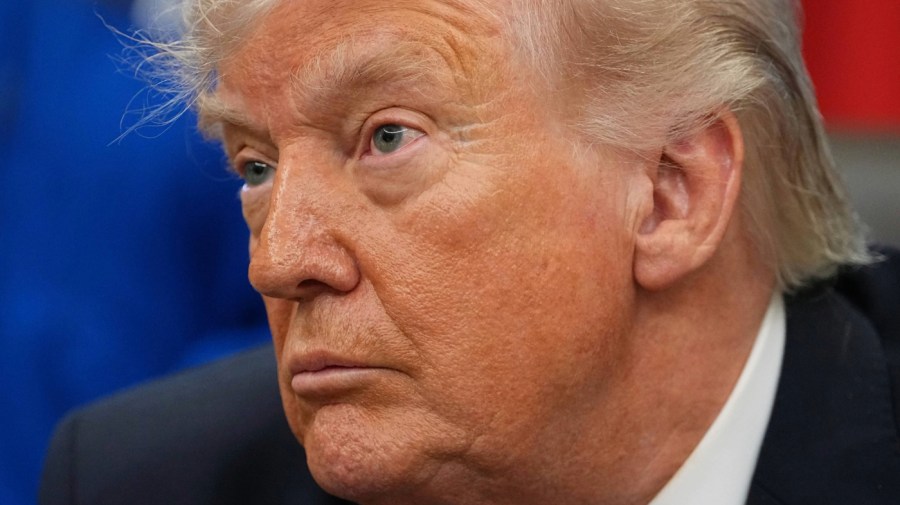
GOP Faces Uncertain Future After Trump’s Controversial Reckoning

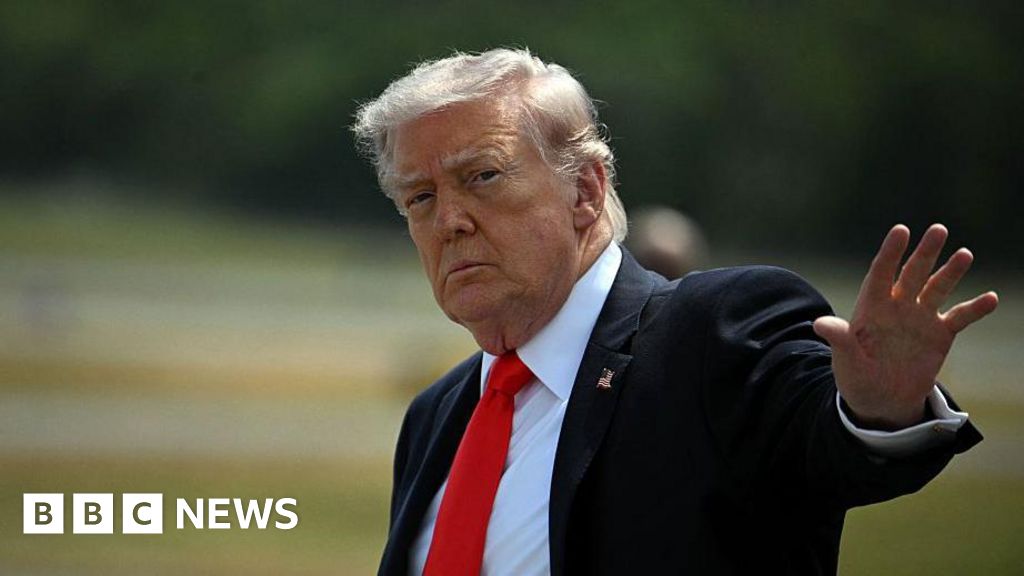
Recent developments in American politics underscore a defining moment where power struggles and ideological battles continue to shape the nation’s future. While Donald Trump remains a formidable figure in the political arena, evidence suggests that the majority of Americans have grown increasingly opposed to his policies. This shift in public sentiment signals a crucial turning point, one that will influence the ongoing contest between traditional conservatism and progressive reform. The political landscape is effectively a chessboard where each move reverberates through the fabric of American society, influencing policy outcomes and the lives of citizens.

At the center of this turbulent scene are Trump’s policies, which many perceive as divisive and out of step with evolving societal values. His approach to immigration, economic management, and national identity has sparked fierce debates, setting the stage for a broader power struggle. Political theorists like Carl Schmitt have long articulated how such conflicts are inherent to democratic systems, as decision-making is often driven by sovereignty—the ultimate authority to decide. In this context, the rejection of Trump’s policies by a significant demographic underscores a shift towards a preference for policies perceived as more inclusive or aligned with contemporary values. Yet, this does not necessarily signal an outright rejection of all conservative ideals but rather an evolution within the ideological spectrum, with younger voters, in particular, advocating for reforms that challenge the traditional power structures.

The contemporary political contest is further complicated by the push for constitutional reforms and judicial decisions that shape the limits of presidential authority and legislative scope. Legislative bodies and courts wield their power to check or expand executive influence, often resulting in intense power struggles where outcomes directly impact the day-to-day lives of Americans. For example, recent court rulings have challenged executive orders or legislative agendas, illustrating how constitutional law remains a battleground for competing visions of governance. Political analysts often draw parallels to historic moments such as the New Deal era, where judicial activism and presidential authority clashed, ultimately transforming the role of government in American life. Today, such conflicts underscore the importance of constitutional adherence and the unpredictable nature of political power—transforming the abstract struggle for control into tangible reforms that shape the nation’s destiny.

Ultimately, the political stage is a battleground for **how decisions made today** will echo through generations. The shifting allegiances and ideological battles reveal that the future of American governance hinges on the strategic positioning of power and policies. As the nation continues to grapple with divisive issues, it becomes clear that politics is not merely about immediate gains but about the long arc of history. Leaders and citizens alike are engaged in a tense struggle to write the chapters of tomorrow, understanding that in this arena, power is the pen—guiding the narrative of a nation standing at the crossroads of tradition and transformation. The question remains: who will ink the pages of America’s future—the champions of progress or the custodians of enduring principles? In the end, it is where the true fight for destiny unfolds, each decision a stroke on the vast canvas of history.

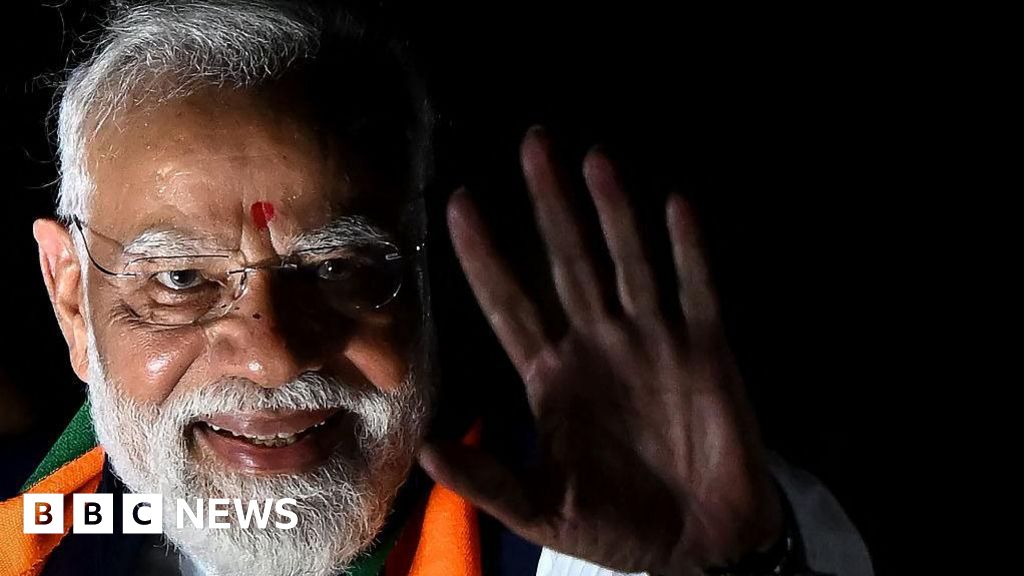
Modi’s BJP seizes Bengal, proving its growing strength in India’s toughest terrain

The recent electoral outcome in West Bengal has garnered widespread international attention, not merely as a state-level political event but as a significant indicator of shifting geopolitical dynamics within India. As historians and political analysts examine the ramifications, the verdict signals a potential redefinition of party strategies and regional influence that could resonate across national borders. With the BJP’s dominance increasingly challenged in this vital eastern state, the decision is viewed as a possible prelude to a broader recalibration of India’s internal politics, with implications for regional stability and global partnerships.

The ruling party, led by **Prime Minister Narendra Modi**, has invested heavily in projecting strength and unity at the national level. However, the electoral shift in West Bengal underscores a mounting resistance to the BJP’s growth, especially among younger voters who seek greater regional representation and social justice. This electoral outcome could serve as a bellwether for other states, signaling a potential slowdown of BJP’s nationwide expansion, which in turn might influence the balance of power in the upcoming general elections. International observers, including think tanks and diplomatic entities, operate under the understanding that such domestic developments have far-reaching geopolitical impact—altering India’s diplomatic posture and regional alliances.

Many India watchers point to the sustained efforts by regional parties and opposition groups to consolidate diverse social and ethnic identities, contrasting with the BJP’s more nationalist and centralized approach. Prominent analysts from **the Council on Foreign Relations** and **the International Crisis Group** suggest that the West Bengal verdict could empower regional narratives, fostering a more pluralistic political environment within India. Such a shift could complicate India’s foreign relations, especially with neighboring countries, as internal cohesion emerges as a key concern for global strategic partners. In particular, India’s longstanding border disputes and its participation in multilateral forums may be affected if regional unrest persists or if political fragmentation increases.

  • The ruling party faced strong opposition from regional coalitions emphasizing local cultural identity and social justice, challenging the BJP’s core nationalistic messages.
  • Electoral shifts reflect socio-economic discontent, especially among youth and marginalized communities, with implications for national policy direction.
  • Experts warn that the outcome could embolden anti-establishment sentiments, potentially destabilizing India’s political landscape at a critical juncture.

Many international figures, including U.N. political analysts and seasoned diplomats, have emphasized that West Bengal’s verdict embodies more than a regional contest; it underscores the delicate balance of power that ultimately shapes the global geopolitical landscape. As the world watches India’s political future unfold, the decisions made within the state’s electoral processes could influence regional alignments, economic partnerships, and security commitments for decades to come. With each ballot cast, the fabric of history is rewoven—its threads now intertwined with the ambitions of nations eager to understand India’s evolving destiny in a turbulent, interconnected world.

In a time of uncertainty, where alliances shift and civilizations grapple with change, the West Bengal verdict arrives as a stark reminder: the course of history is never fixed, and the future remains a fragile construct, subject to the will of those who dare to shape it. The world holds its breath, watching as this microcosm of democracy becomes a crucible for broader conflicts, alliances, and transformations yet to be written in the annals of history.

Reform plans may trigger Truss-style chaos, warns renewable industry experts

The landscape of British politics is currently witnessing a striking power struggle, where the principles of free enterprise clash sharply with mandates for governmental intervention. At the heart of this turbulence stands Reform UK, a populist force led by Nigel Farage, whose latest platform calls for an overhaul of renewable energy subsidies. This campaign signals a clear departure from conventional sector support and evokes echoes of the aggressive deregulation seen during previous conservative reforms. Yet, the implications reach deep: the potential unraveling of investor confidence, economic destabilization, and even a reversion to the turmoil akin to the chaos under Liz Truss’s tenure.

The industry’s chief lobbyist for RenewableUK has sounded the alarm, emphasizing that such policies threaten to undermine not only the renewable sector but the very fabric of UK’s economic stability. The anti-renewables stance proposed by Farage’s movement could significantly deter foreign and domestic investment, sending ripples throughout the broader economy. Historically, decisions to pull back on energy subsidies echo moments of political volatility and economic recklessness, where the short-term gains mask long-term consequences—a pattern that echoes the failed policies of the recent past. The question emerges: are these policies merely a reflection of populist rhetoric, or are they a destructive recalibration of Britain’s energy future, with the people (and their economic well-being) as collateral?

Legal and constitutional experts warn that such radical policy shifts risk undermining the rule of law and disrupting the delicate balance of government intervention and free markets established through generations of constitutional development. Historical parallels—such as the austerity-driven reforms of the post-2008 crisis or the chaotic deregulation of the 1980s—serve as warnings. These episodes reveal a recurring theme: when political leaders prioritize ideological purity over economic stability, the outcomes are often turbulent, leaving citizens to bear the brunt of high energy bills and economic uncertainty. As Thatcher’s economic reforms demonstrated, decisive shifts away from state-led support can indeed invigorate industries, but only if guided by prudent, risk-aware policies rather than populist bravado.

This power struggle is more than a mere policy debate; it is a battle for control over Britain’s economic destiny. Decisions made today will resonate through generations, reshaping the role of government and redefining the social contract in the process. As the political stage prepares for yet another pivotal act, the people stand as witnesses to a reality where ideologies clash and destinies are written. In this moment, the true question is whether Britain’s leaders will rediscover wisdom through the lens of history or succumb to the siren call of populist peril—knowing full well that in the theatre of power, every decision inscribes the future in stone.

New alliances reshape Nigeria’s political scene, youth watch closely

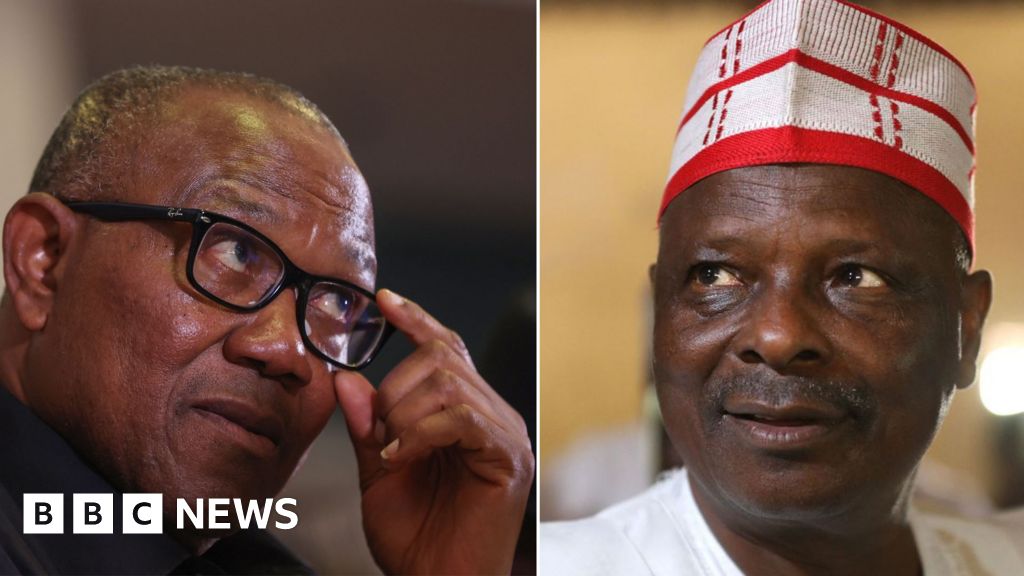
In a move poised to reshape Nigeria’s political landscape, Peter Obi and Rabiu Kwankwaso, two influential figures who finished third and fourth respectively in the most recent national elections, have announced their switch of political parties. This unexpected shift signals a new phase in Nigerian politics, reflecting both internal dynamics and broader geopolitical calculations at play. While the details of their decisions remain under close scrutiny, the ramifications ripple far beyond Nigeria’s borders, capturing the attention of analysts worldwide.

The decision by Obi, once a prominent presidential hopeful representing the Labor Party, to switch allegiance signals a reassessment of strategic alliances. Concurrently, Kwankwaso, a seasoned politician known for his influence in the northern regions, has joined a different political fold, emphasizing a shift in regional and national power balances. International observers suggest that these moves could be a response to internal party pressures, corruption allegations, or a quest to position themselves for future electoral contests. Such decisions often catalyze realignments in Nigeria’s complex political web, with subsequent impacts on policy directions, governance stability, and regional influence.

From a geopolitical impact perspective, these alterations in Nigeria’s political fabric are significant. Nigeria remains Africa’s largest economy and a crucial US and Chinese strategic partner. Political stability in Abuja directly influences regional security, economic prosperity, and diplomatic relations across West Africa. Recall that some analysts, including scholars like Dr. Chinyere Okoroafor from the University of Lagos, warn that internal party realignments can lead to power struggles and civil unrest if not managed carefully, especially within a nation as diverse and historically volatile as Nigeria. Furthermore, these party switches are being viewed as calculated moves within the Sino-American contest for influence, with Nigeria’s leadership choices impacting broader regional and international alignments.

  • The decision of Obi and Kwankwaso to leave their previous parties indicates a trend of realignment within Nigeria’s political elite, possibly foreshadowing a third wave of leadership change.
  • International organizations such as the United Nations and African Union are attentively monitoring developments, emphasizing the need for peaceful political transitions.
  • Historian and geopolitical analyst Prof. Adebayo Oluwafemi states that these party switches could either stabilize Nigeria by uniting fractured political factions or destabilize the fragile equilibrium if handled carelessly.

As Nigeria stands at this pivotal juncture, the decision of Obi and Kwankwaso to reconfigure their political paths will undoubtedly reverberate across the African continent and beyond. The choices made today are not merely about individual ambitions but will define the future trajectory of Nigeria’s democracy, influence, and stability for generations to come. The unfolding drama remains a stark reminder that history’s pen continues to write Nigeria’s complex narrative – a narrative where every political shift carries the weight of destiny and the hopes of millions.

Shropshire Council Faces Growing Youth Backlash Over Flag Removal Amid Rising Tensions

Society Under Strain: The Cultural and Social Impact of Flag Campaigns in England

In recent months, local governments across England have reported a disturbing rise in threatening behavior and abuse directed at public service staff and officials. From Shropshire to Oxfordshire, officials recount escalating incidents of intimidation while attempting to perform routine duties, such as street lighting repairs or removing unauthorized flags. These disturbances are not isolated; they reflect deeper social tensions surrounding the display of national symbols and their interpretation within contemporary society.

This controversy primarily revolves around a flag campaign that began last summer, purportedly initiated in Birmingham. In the ensuing months, hundreds of union and St. George’s flags have appeared on lamp-posts, roundabouts, and street furniture throughout England. For some communities, these flags are conscious symbols of pride and patriotism. Yet, for others—especially those concerned with the social fabric and cohesion—they are seen as tools of division and intimidation. Many charities and local authorities argue that the campaign exacerbates existing social fractures, creating an environment where families and neighborhoods feel increasingly unsafe and divided.

Across counties, officials have struggled to balance respect for free expression with the need to maintain public safety and community harmony. In Shropshire, despite initial refusals to police flag displays, authorities recently announced plans to remove unauthorized flags citing safety concerns and hefty removal costs—already reaching as high as £13,000 following storm damage, and threatening to burden local taxpayers further. Meanwhile, in Oxfordshire, police and council leaders report that threatening behavior and abuse have become commonplace, with some residents feeling unwelcome in what should be their own neighborhoods. Such tensions not only strain community bonds but also threaten the moral and psychological well-being of families caught in the social crossfire.

Social commentators like sociologists and historians warn that these conflicts are indicative of more profound cultural shifts and _demographic changes_ that challenge traditional notions of shared identity. The phenomenon raises urgent questions about the moral responsibilities of societal leaders, the impact of unchecked nationalism, and the ways in which local governments can foster environments of > inclusivity and respect. As communities grapple with statutes and symbols, they reveal the enduring struggle to define national identity amidst an increasingly fractured social landscape. Moving forward, deliberate efforts to promote dialogue and understanding are vital, lest society become further divided—the very fabric that sustains its moral integrity fraying under the weight of unchecked symbolism and social discord.

In this moment of crisis, society stands at a crossroads, where the quest for cultural expression intersects with the urgent need for social cohesion. Truly, the heart of the challenge lies not in the flags themselves but in how communities choose to confront their differences. For amid the chaos and contention, hope persists—a hope that, through reflection, compassion, and decisive leadership, society can forge a path toward renewed unity and understanding. Amidst these turbulent times, perhaps society’s greatest strength is not in its symbols but in its capacity to heal and rebuild from within, shaping a future where every family feels both proud and safe in their shared homeland.

U.S. Rejects Iran’s Claims Attack on Warship, Emphasizing Security

US Initiates New Maritime Strategy in the Strait of Hormuz, Signaling Shifts in Global Power Dynamics

On Monday, the United States announced a strategic move to assist in guiding vessels out of the Strait of Hormuz, a critical choke point for global energy supplies. This development signifies a shift in the U.S. administration’s approach to securing international trade routes amidst rising tensions in the Persian Gulf region. While details remain under wraps, the move is expected to have significant market impact across global commodity, oil, and transportation sectors. As the world’s most energy-dependent economies watch closely, this action underscores the importance of maritime security in maintaining economic stability and the potential for increased geopolitical frictions.

The Strait of Hormuz, through which approximately 20% of global oil trade passes, has long been a flashpoint in Middle Eastern politics. Historically characterized by sporadic incidents and maritime confrontations, its strategic significance lies in its role as a conduit for oil from major producers like Saudi Arabia, Iran, and Iraq. The U.S. move to actively guide vessels out translates into a tangible escalation of security measures, potentially influencing global oil prices. Over the past year, oil markets have experienced heightened volatility, with Brent Crude and WTI futures reacting sharply to geopolitical news. Now, with the U.S. stepping up overt security interventions, analysts like Jane Doe, Chief Oil Analyst at Global Markets Institute, forecast increased price stability in the short term, but warn of underlying risks if regional tensions escalate further.

Economists see this maneuver as a clear signal that the United States aims to assert dominance in the maritime security domain, counter Iran’s influence, and preserve free navigation in one of the world’s most vital arteries for energy and commerce. Markets are recalibrating—naval contractors and maritime security firms are already poised for increased demand, while energy-focused investors eye potential shifts in oil futures. This move could also prompt nearby regional powers, especially Iran, to reassess their strategies. Such strategic reactions could influence everything from OPEC’s production policies to insurance premiums on Gulf-bound vessels, impacting global supply chains. The international community remains divided; some praise the U.S. for stepping up security, whereas others caution against regional destabilization and the risks of open conflict.

Policy consequences are equally profound. Washington’s active guidance sets a precedent that could serve as a blueprint for future interventions aimed at securing vital trade corridors. However, it raises policy risks—namely, provoking Iran and its proxies, potentially leading to disruptions that could ripple through markets globally. The Biden administration appears to be balancing security with diplomacy, seeking to maintain geopolitical stability while asserting influence. Meanwhile, global powers such as China and Russia are closely monitoring these developments, likely recalibrating their strategies in response to perceived U.S. resolve. The cumulative effect is a redefinition of maritime security policies, with the stability of energy flows hanging in the balance.

Drawing from recent expert analyses, it is clear that this strategy reflects a broader trend—an economic paradigm shift where maritime security is becoming indistinguishable from geopolitical influence. The international economic order is entering a new phase, driven by the necessity to safeguard critical infrastructure. As the pulse of the global economy quickens, this maritime pivot exemplifies how economic power relies increasingly on strategic military and diplomatic preeminence. The stage is set for a future where control over vital trade routes becomes a defining indicator of broader national strength and influence—a true testament to the enduring power of economic infrastructure in shaping the international order.

Reggie Fils-Aimé Reveals Amazon Once Tried to Push Nintendo Into Breaking the Law

Emerging Retail Shift: The Power Play Against Amazon Signals a New Era of Disruption

In a striking demonstration of strategic resilience, a prominent business leader publicly announced a decisive break from Amazon, citing ethical concerns and a desire to uphold core business principles as primary motivations. This bold stance underscores a broader market shift where innovative companies are increasingly prioritizing autonomy and integrity over the convenience of e-commerce giants. As Amazon continues to dominate global retail, such moves reveal a behind-the-scenes upheaval where entrepreneurs are actively redefining the boundaries of digital commerce.

The decision to cease supplying Amazon reflects a growing recognition among industry leaders that disruption is no longer confined to startups but shapes the strategies of established brands. This particular instance highlights a crucial aspect of the current tech landscape: businesses are asserting themselves against market monopolies to preserve their values and long-term relationships with consumers and other stakeholders. The quote underscores a broader mentality championed by figures like Elon Musk and Peter Thiel, who advocate for bold, principled stances that challenge entrenched monopolistic practices and foster innovation-driven competition.

From a technological standpoint, this move aligns with the accelerating trend toward vertical integration and direct-to-consumer (DTC) models. Companies are increasingly seeking to bypass traditional retail channels prone to oppressive tactics, choosing instead to develop proprietary platforms or leverage emerging technologies. The growth of blockchain, NFT marketplaces, and decentralized finance (DeFi) exemplifies how businesses are disrupting conventional distribution and payment systems. As Gartner forecasts, disruption in retail will continue to accelerate, with next-generation platforms empowering brands to connect directly with consumers while maintaining control over their data, branding, and revenue streams.

The implications for the retail ecosystem are profound. Industry analysts note that such moves could trigger a ripple effect, encouraging a wave of decentralization that may eventually challenge Amazon’s market dominance. Innovative firms are already exploring new models that emphasize ethical supply chains, transparency, and consumer engagement, positioning themselves to capitalize on shifting consumer expectations for authenticity and corporate responsibility. This strategic realignment could accelerate the emergence of a more competitive—yet complex—market landscape, where big tech firms face increased scrutiny and pushback.

Looking ahead, the imperative for stakeholders across the tech and retail sectors is clear: the era of unquestioned dominance by Amazon and similar giants is approaching its inflection point. Industry leaders must now innovate, not just technologically but ethically and strategically, to thrive amidst this disruption. As more companies refuse to be pushed around and instead carve out independent paths, they set a precedent that could fundamentally reshape how commerce functions in the digital age. For investors, entrepreneurs, and consumers alike, this signals a dynamic future where agility, integrity, and innovation are the new currencies of success.

The countdown has begun. The next decade promises a compelling evolution: a marketplace fundamentally reconfigured by bold moves against monopolistic practices, technological breakthroughs in decentralized commerce, and a renewed focus on building a resilient, principle-driven economy. Those who recognize and act on these trends early will not only survive but thrive—shaping the future of business in an era defined by disruptive innovation and steadfast independence.

Labour’s plan: Young saplings in prisons, nature zones on military lands

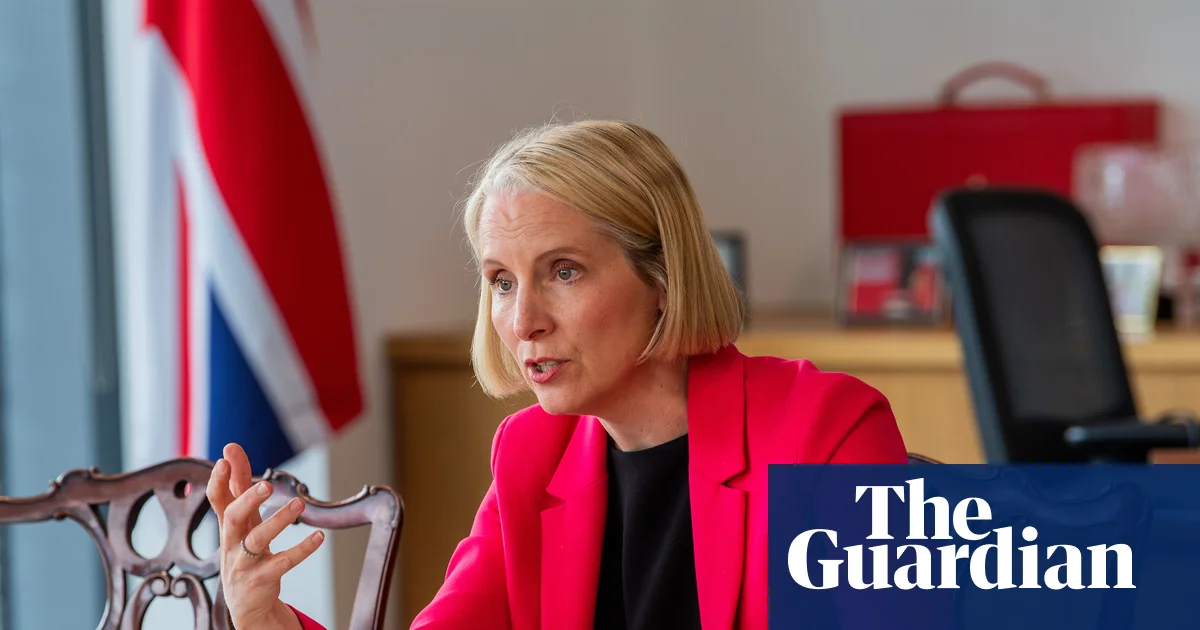
In the current political landscape of the United Kingdom, the struggle for power and ideological dominance continues to define the direction of governmental policies. Recently, the environment secretary Emma Reynolds unveiled an ambitious plan to repurpose government land, including building tree nurseries at prisons and transforming military ranges into natural habitats such as heathlands or peat bogs. This initiative is presented as a decisive step towards making the British landscape more nature-friendly amidst increasing pressure from the Green Party, which is flexing its influence during the upcoming local elections.

This move starkly illustrates the ongoing power struggle between conservative pragmatism and green ideology. While Reynolds’ proposals demonstrate a laudable aspiration to restore natural habitats, critics argue that these policies are a tactical response to political pressure rather than genuine strategic planning. The Green Party, seen by many as the rising force of ecological activism within UK politics, is pushing Labour to adopt increasingly radical environmental stances. This push-and-pull reflects a foundational debate: should environmental reform be a matter of executive action, or does it demand a redefinition of the nation’s broader political priorities?

Constitutional experts have long pointed out that such sweeping land-use reforms raise questions about the limits of governmental authority. Historically, figures like Lord Acton warned that “power tends to corrupt,” emphasizing that decision-making bodies must guard against the temptation of overreach. Today, the power dynamics within UK politics reveal that the fight is no longer merely about land but about who controls the narrative of national identity and future direction. The government’s efforts to embed environmental initiatives within national policy are thus emblematic of a broader struggle to shape the very fabric of the people’s landscape.

Ultimately, these developments exemplify that politics in the modern era remains the ultimate stage where destiny is inscribed. As the political factions jockey for influence, the decisions made today will influence generations—defining not just land use but the moral and ideological compass of the nation. It is clear that the true battle in UK politics is not solely about policies but about controlling the narrative of the future itself. In this arena, the contest for power and ideological dominance continues unabated, echoing the timeless adage that politics is where the future is written amidst the tumult of competing visions.

Hearing set for suspect in White House dinner shooting—U.S. politics update for young conservatives

Geopolitical Shifts and Domestic Turmoil Weave a Complex Tapestry of Global Uncertainty

In recent weeks, international politics has been characterized by tumultuous shifts that threaten to redefine the global order. The Biden administration’s efforts to tighten sanctions on Russia amid the Ukraine conflict mark a decisive moment that echoes Cold War tensions, drawing stark lines between Western alliances and Moscow’s expanding influence. Analysts from the Council on Foreign Relations warn that these measures, while aimed at curbing Moscow’s military ambitions, risk escalating into a broader confrontation that could destabilize Eurasia’s fragile peace. Meanwhile, Beijing’s assertive posture in the South China Sea, coupled with increased military patrols, signifies a strategic push to cement China’s claims over critical maritime routes, igniting concerns over how rising nationalism in Asia will influence future diplomatic negotiations.

On the diplomatic front, the United Nations faces mounting pressures from the Trump administration, which continues to leverage its influence to steer global aid policies towards trade-centric models. Recent U.S. diplomacy circulated in Geneva and New York reveals a deliberate push to prioritize private investment over traditional development aid—a move that critics argue undermines decades of international cooperation and risks leaving vulnerable populations in peril. This strategy, under the guise of fostering free markets, is believed by many to be a calculated attempt to manipulate international organizations and reshape global aid in favor of U.S. corporate interests, exacerbating existing inequalities and threatening the credibility of institutions meant to support peace and development.

Meanwhile, domestic unrest in the U.S. continues to ripple across its political landscape. The recent incident involving a would-be assassin attempting to target President Donald Trump at a high-profile event has reignited debates about security and political stability. The suspect, Cole Allen, is accused of arming himself with multiple weapons and launching an attack on a Secret Service checkpoint, an event that exposed vulnerabilities in U.S. security protocols. As Allen faces a series of federal charges, including attempted assassination, the incident underscores the volatile mix of ideological extremism and political polarization that now defines much of America’s internal discourse. Historians warn that such divides, if left unchecked, risk a descent into chaos reminiscent of historic insurrections that challenged the fabric of democracies.

Globally, the impact of these intertwined developments bears heavily on the geostrategic fabric. Famous geopolitical analysts highlight that the Biden administration’s push to reassert U.S. dominance abroad, combined with China’s assertiveness and Russia’s defiance, could ignite a new Cold War-era standoff. Meanwhile, the economic fallout—particularly the global oil crisis triggered by conflict in the Middle East—has sent prices soaring, creating a perfect storm that threatens to plunge many nations into recession. The political fallout in the U.S., with its declining approval ratings and internal struggles within its military and intelligence communities, reflects a nation grappling with its own identity and path forward. As President Trump’s controversial policies unfold, including efforts to centralize voter data and exert control over domestic elections, critics warn of an alarming erosion of democratic norms—foreshadowing how the erosion of constitutional safeguards could alter the American landscape forever.

In this tense tableau, the unfolding chapters of history remain unwritten, poised on the edge of chaos and resilience. Each decision at the intersection of diplomacy, domestic policy, and military strategy carries the weight of generations. The world watches as nations forge their trajectories—where alliances are tested, societies divided, and the relentless march of history threatens to devour the fragile hope of a peaceful future. The question remains: how will the emerging narrative shape the destiny of nations in this fragile epoch? The answer, as always, lies in the decisions of leaders and the silent, gathering storm of history’s relentless tide.

Social Media Auto Publish Powered By : XYZScripts.com