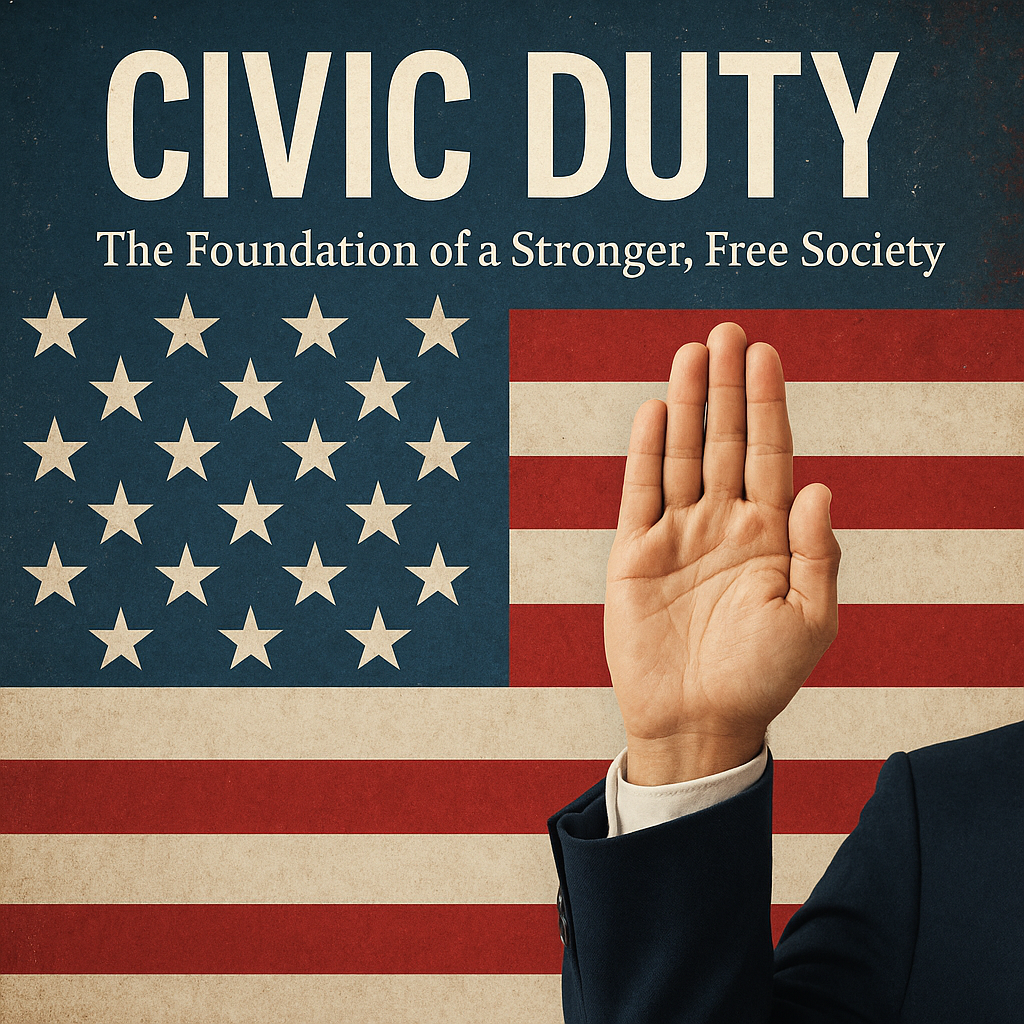
At the very core of a thriving, free society lies the intangible yet powerful principle of civic duty. This foundational concept, often sidelined amid debates over policy and economics, actually fuels the social cohesion, accountability, and resilience necessary for national greatness. Critics of civic participation might argue that it is a relic of older times, replaced by individualism or reliance on government. However, scholars and historical analysts suggest that the decline in civic engagement correlates with rising societal fractures, economic polarization, and eroding trust in institutions. It is through the active participation of citizens—whether through voting, community service, or local activism—that democracies are fortified and the collective spirit of a nation is rekindled.
Historical exemplars demonstrate that societies which emphasize civic responsibility tend to enjoy greater stability and prosperity. Alexis de Tocqueville, in his seminal work Democracy in America, observed that active civic engagement by citizens creates a “civil society” that guards against tyranny and fosters a sense of shared purpose. Today, experts maintain that a strong civic culture not only encourages political stability but also cultivates resilience during national crises, whether economic recessions or external threats. The essential nature of this duty is underpinned by the understanding that freedom does not arise passively but must be actively defended and sustained by those who cherish it. In this way, civic duty becomes the bedrock upon which sovereignty and individual liberty rest.
Furthermore, proponents argue that fostering a sense of collective responsibility begins with education and community engagement, cultivating future generations of responsible citizens. Economists like Milton Friedman have emphasized that personal responsibility and civic participation are intertwined with economic freedom and social stability. In a world increasingly driven by technology and global interconnectedness, the value of local civic engagement persists—as it creates a buffer against fragmentation and alienation. As Victor Davis Hanson notes, “A society that neglects its civic roots risks losing its moral compass,” and the erosion of these duties can lead to creeping government overreach, apathy, and a decline in the shared values that make democracy possible.
Yet, the struggle remains clear: amidst modern distractions and complex bureaucracies, fostering an engaged, responsible citizenry requires deliberate effort and leadership. As history teaches, the strength of a society is measured less by its material wealth and more by the resilience of its civic fabric. May the future forge ahead—not in reckless pursuit of transient liberties, but in the profound recognition that the true power of freedom flows from the collective promise of civic duty. For in the vast expanse of history, it is this quiet pledge—made and renewed— that keeps the flame of liberty burning brightly against the encroaching darkness of indifference. And so, the story continues: a tapestry of millions, united not just by laws or borders, but by an unwavering resolve to uphold the sacred duty that sustains a free society’s most elusive, most precious gift: its freedom.”