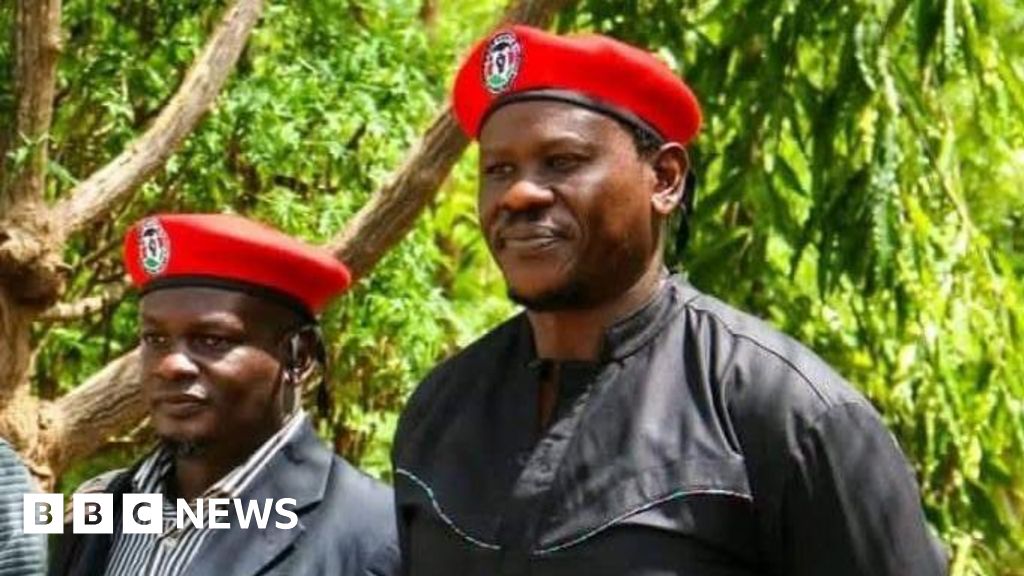
The recent abduction of two Kenyan human rights activists, Bob Njagi and Nicholas Oyoo, in Uganda has sent shockwaves through an already volatile region. Reported to have been forcibly taken while attending a campaign event linked to opposition leader Bobbi Wine, these disappearances underscore a deepening concern over the suppression of political dissent in East Africa. Aligning with historical patterns, their alleged abduction by armed men—likely security operatives operating outside formal channels—raises alarms about the growing use of clandestine tactics to silence opposition voices. Such acts violate fundamental international human rights standards, yet they epitomize the troubling trend of government-led repression in countries where political stability is often maintained through coercion and fear.
As Uganda approaches a pivotal election, the backdrop of these events becomes even more fraught. With Yoweri Museveni, who has held power since 1986, seeking to extend his rule, opposition figures increasingly face intimidation tactics that border on outright violence. Experts warn how such actions threaten the democratic fabric of the country: when activists and opposition supporters vanish without explanation, it not only stifles political debate but also destabilizes the social order. Human rights organizations like Vocal Africa have condemned the abductions, citing a pattern of government-sponsored abductions and disappearances across the region—some of which have resurfaced under dubious circumstances, revealing a disturbing cycle of enforced silence.
The geopolitical impact of these developments extends beyond Uganda and Kenya. The region’s stability hinges on the respect for political freedoms; persistent crackdowns risk inciting wider unrest and encouraging authoritarian tendencies across East Africa. Analysts highlight how governments may be colluding, consciously or subconsciously, to suppress dissent, thwart democratic processes, and consolidate power through intimidation and extralegal force. This environment emboldens those in power but threatens the societal fabric, illustrating how decisions made today will shape the regional political landscape for generations to come. Such incidents have drawn stark parallels to past episodes, including the mysterious detention and resurfacing of opposition leaders and activists, which often culminate in court cases that serve as show trials or placeholders for further repression.
International bodies and regional watchdogs warn of the dangerous precedent this sets, emphasizing that unchecked repression could catalyze instability across neighbouring nations. East African governments face a critical choice: either continue down a path of suppression or embrace the reform necessary to foster genuine democratic development. With each disappearance, society’s core values—freedom, justice, and human dignity—are imperiled. As history unfolds in real-time, the voices of the oppressed echo in the corridors of power, reminding the world that the true mettle of a nation is revealed when its darkest moments are confronted with unwavering resolve. In this ongoing saga of power and resistance, the stakes are nothing less than the future of civilian civilization in East Africa, as the weight of history hangs heavily in the balance—waiting for a decision that could alter the course of history itself.