Examining the Facts Behind President Trump’s Claim of a 41% Increase in Factory Construction
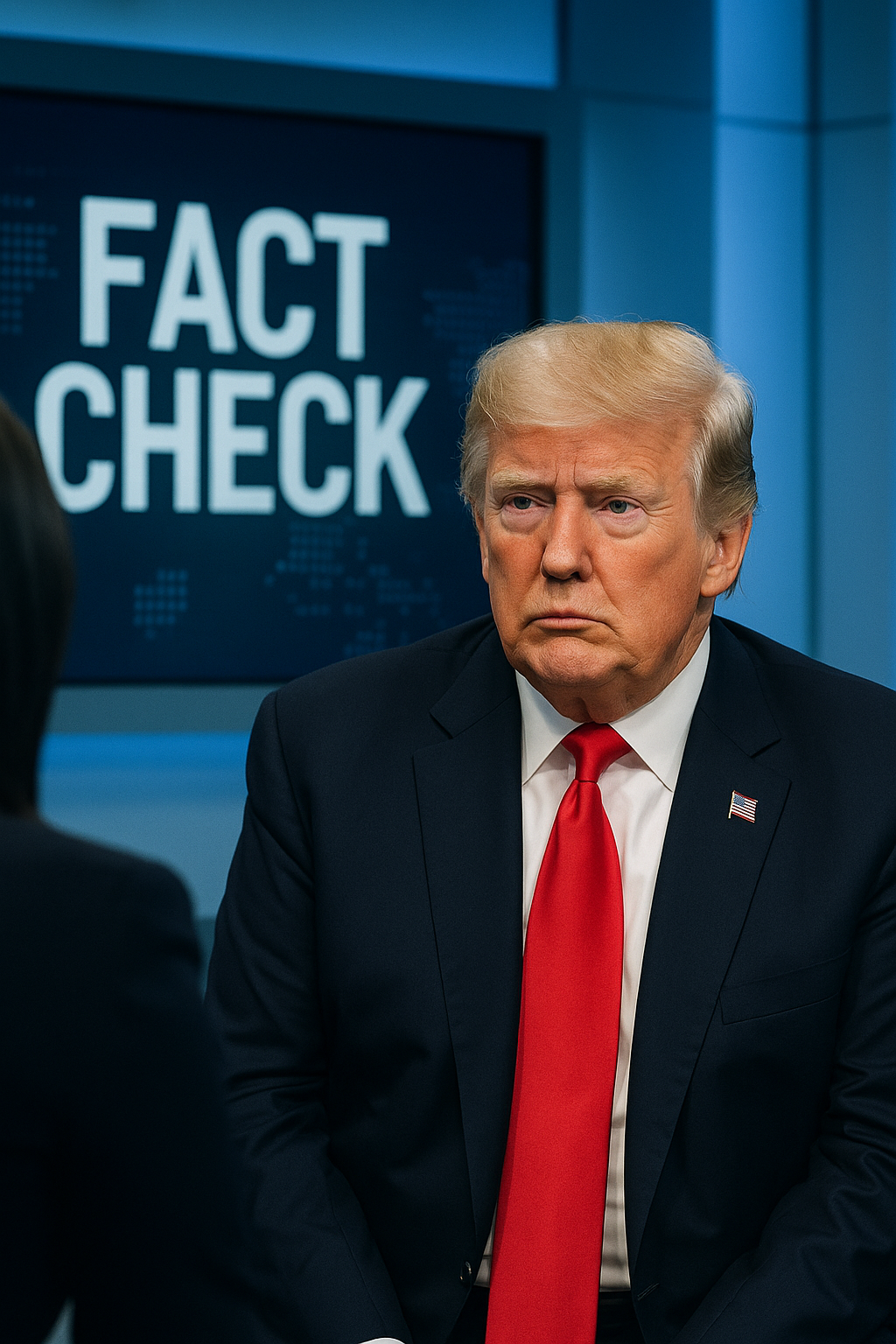
In recent speeches, former President Donald Trump has made bold assertions claiming a “41% increase” in factory construction as a sign of economic resurgence under his administration. Specifically, Trump cited this figure during a White House press conference on January 20, 2026, asserting that this increase was a “record” that no prior president could match. Later, he reiterated the same statistic at the World Economic Forum in Davos. However, when scrutinized against data provided by the U.S. Census Bureau, this figure appears to be misleading and somewhat disconnected from the broader economic indicators.
Data Contradicts the 41% Figure; The Reality Is More Complex
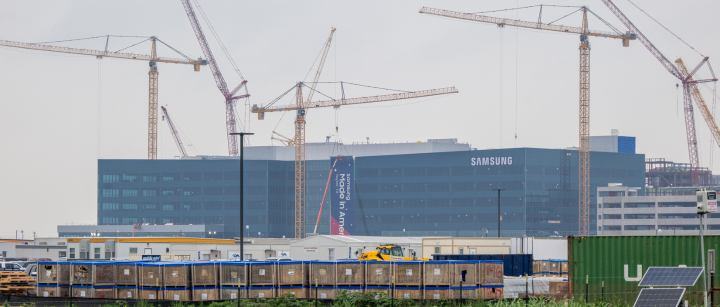
- According to the Census Bureau’s manufacturing construction spending data, overall spending declined by roughly 7% from the last quarter of 2024 through the third quarter of 2025, under Trump’s administration.
- In contrast, during Biden’s office, manufacturing construction spending increased dramatically, with a over 200% rise from $75.5 billion to $235.6 billion annually, driven partly by COVID-19 stimulus, supply chain adjustments, and legislation like the CHIPS Act.
- Trump’s cited 41% figure appears to originate from comparing monthly averages of manufacturing construction spending from January to August 2025 versus 2021–2024 averages — a narrow window that does not account for the entire period or the larger context of economic trends.
Furthermore, the White House’s effort to support the 41% claim relies on a comparison methodology that is questionable. When experts like Anirban Basu, Chief Economist at the Associated Builders and Contractors, scrutinize these figures, they point out that the recent decline in manufacturing investment—nearly 10% in recent months—reflects the winding down of COVID-19 stimulus effects and the impacts of tariffs, rather than a straightforward innovative or economic failure.
The Broader Context: Economic Trends, Legislation, and Job Growth
While President Trump’s claim of a 41% surge in factory construction is rhetorically compelling, it omits key details about the overall economic picture. Notably, despite these spikes in construction spending, manufacturing jobs have continued to decline. The Bureau of Labor Statistics reports that Trump’s first 11 months saw a loss of 63,000 manufacturing jobs, with additional losses in the prior year. Experts argue that longer-term trends and factors like trade policy, tariffs, and supply chain disruptions have a significant effect on employment, often counteracting the positive signals from construction data alone.
In particular, tariffs enacted by Trump in April 2025, while intended to boost domestic manufacturing, have been criticized as increasing input costs for manufacturers, ultimately deterring expansion and offsetting gains from legislation like the CHIPS Act. Analysts from institutions such as Morgan Stanley suggest that higher tariffs have made outsourcing less attractive, potentially encouraging reshoring, but at the cost of higher production costs and strained supply chains. This illustrates the complex interplay between policy measures, economic indicators, and real-world outcomes.
The Importance of Accurate Reporting for Responsible Citizenship
As the evidence indicates, Trump’s assertion of a 41% increase in factory construction is based on a selective interpretation of data that does not fully account for recent declines or the broader economic context. The figures highlight the importance of transparency and precise data analysis to foster informed debate. Recognizing the intricacies of economic trends empowers citizens to assess political claims critically, especially when such claims influence public perception and policy support.
In a thriving democracy, it is essential that elected officials and public figures base their assertions on comprehensive and factual information. Only through rigorous fact-checking and honest reporting can we ensure accountability, prevent misinformation, and uphold the principles of responsible citizenship that underpin our democratic institutions.