

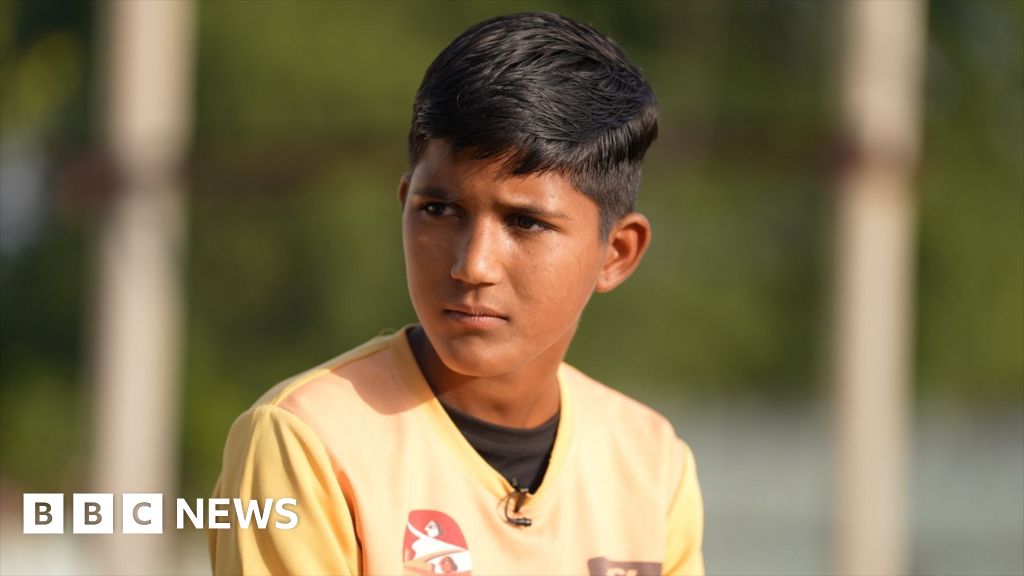
In a quiet Indian village, two sisters stand as poignant symbols of a broader shift underway across numerous rural regions in India. As they talk about how football has transformed their lives and fortified their resolve against child marriage—a deeply entrenched social issue—they reflect a growing wave of grassroots empowerment that challenges traditional norms and influences international discourse. Their story underscores how sport, particularly football, is emerging as a potent tool for social change amid complex cultural landscapes.
The narrative of these sisters highlights a critical aspect of how local initiatives can have far-reaching geopolitical impacts. India, with its vast population and diverse cultures, faces persistent challenges related to child marriage and gender inequality. However, in recent years, NGOs and community leaders have leveraged the universal language of sport to promote education, self-confidence, and gender equality. This grassroots movement resonates with global reports from organizations like the United Nations Population Fund (UNFPA), which acknowledge that empowering girls through education and recreation can significantly reduce child marriage rates. As these sisters participate in football, they embody a microcosm of a broader societal push that could influence policy reforms and change social perceptions across the subcontinent.
Internationally, this evolution reflects a strategic shift where domestic social issues are increasingly linked to larger geopolitical narratives about development and human rights. Nations such as Japan and Australia, which have historically promoted soft power through development aid, now focus on empowering youth, especially girls, as part of their diplomatic agendas. Similarly, global organizations are framing the fight against child marriage as not only a humanitarian issue but also a matter of national security—since the stability of a society hinges on the education and well-being of its future generations. These dynamics underscore the importance of persistent, culturally sensitive interventions which, when successful, can ripple outward and reshape regional dynamics.
Historians and analysts point to the significance of local stories like those of the Indian sisters as key turning points in the international effort to combat harmful traditional practices. They emphasize that such movements often start small but can escalate to influence national policies and international protocols. As India and neighboring countries grapple with these issues, their internal reforms and social awakening could serve as a blueprint for other regions where traditional norms clash with modern aspirations. Meanwhile, global institutions watch carefully, recognizing that shifting societal attitudes in India have the potential to ripple through South Asia, impacting diplomatic relations, development aid, and regional stability.
As the world watches these stories unfold, it becomes increasingly clear that history continues to be written at the grassroots level. The resilience of these young women, driven by passion and hope, signals the dawn of a new era—where individual courage and community initiatives challenge centuries-old norms. The stakes extend beyond cultural boundaries, touching upon the fundamental question of how societies can reconcile tradition with progress. And so, as voices like those of the Indian sisters rise amidst the rural plains, we are reminded that the fabric of global geopolitics is woven with the threads of countless individual stories. In the shadows of traditional villages and the halls of international councils alike, the weight of history hangs heavily, waiting to see whether these sparks of change will ignite a new future or fade into the annals of forgotten struggle.
















