America’s Bold Pivot: A New Chapter in Global Power Dynamics
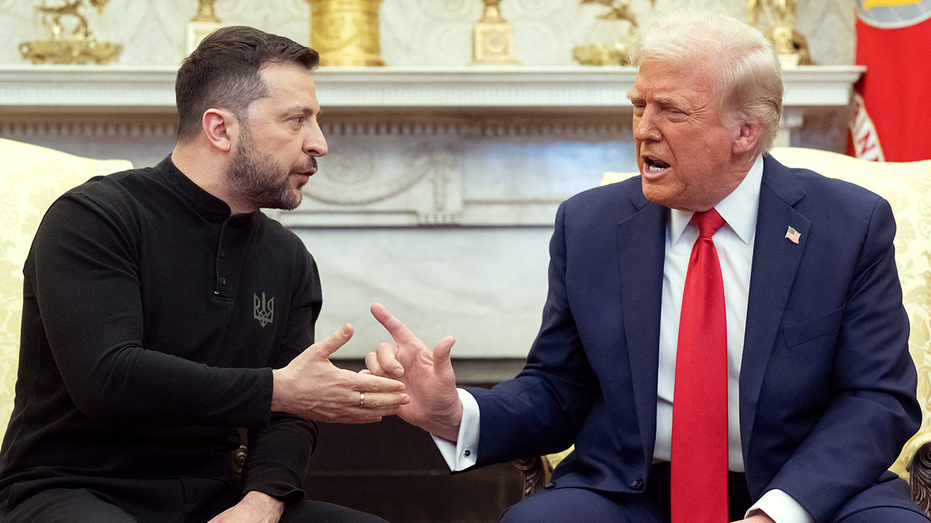
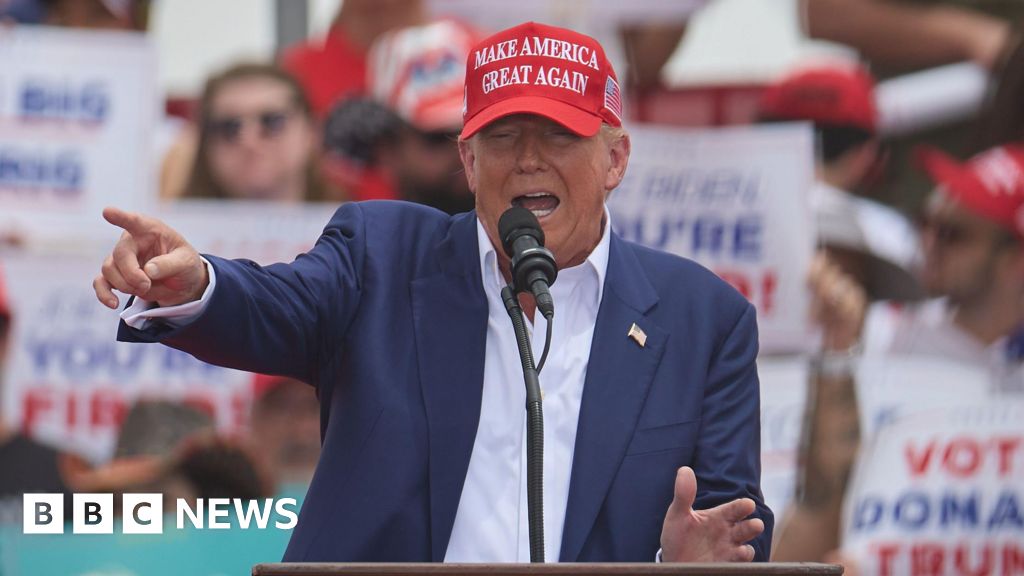
The recent assertion by White House spokesman Davis Ingle underscores a narrative that President Donald Trump has fundamentally reshaped America’s position on the world stage over the past year. According to Ingle, the administration’s efforts have not only fortified the nation internally but have also elevated the United States to an unparalleled level of influence and economic strength. These claims highlight a strategic shift rooted in a focus on sovereignty, economic nationalism, and a reassertion of American priorities amidst a rapidly evolving global landscape.
Significant policy moves, including the securing of the border, historic tax reforms targeted at the middle class, and an influx of trillions of dollars in foreign investments, have energized critics and supporters alike. However, the true geopolitical impact extends beyond economics. It signals a decisive move away from globalist policies favoring multilateral agreements, towards an America-centric approach. As many analysts suggest, this transition could redefine international alliances, with ripple effects on trade agreements, security alliances, and diplomatic priorities across continents.
- Border security efforts aim to curb illegal crossings and affirm national sovereignty amid increasing migration pressures.
- Tax cuts are designed to stimulate domestic investment, employment, and innovation, fostering a resilient economy with global implications.
- Foreign investments have surged as foreign nations and corporations see America as a safe haven and hub for future growth, further empowering U.S. global influence.
However, this strategic realignment raises fundamental questions about the future of international diplomacy. Critics warn that turning inward could diminish existing cooperative efforts like the Paris Agreement or WHO collaborations, and spark a recalibration of alliances such as NATO. Conversely, supporters argue that a restored sense of national pride and economic independence will enable America to lead more effectively in addressing transnational issues — a sentiment echoed by historians like Dr. James Roebuck, who caution that the global stage is in flux and that leadership is as much about resilience as cooperation.
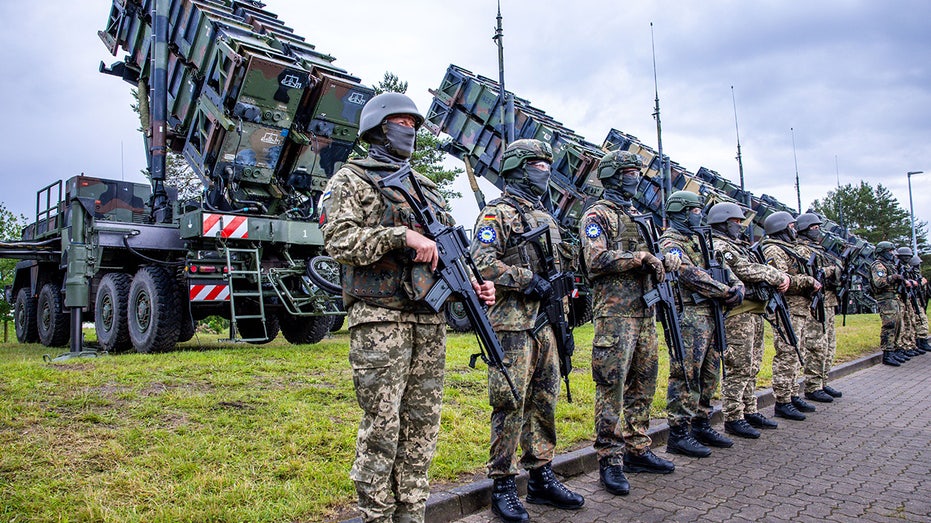
Globally, this shift has caused concern in regions like Europe and Asia, where longstanding alliances are tested against the backdrop of America’s newfound assertiveness. Trade tensions and strategic realignments threaten to redefine geopolitical boundaries, resemble a new Cold War landscape where economic strength and diplomatic defiance become the core currencies of power. The decisions made today will shape our collective future, echoing through generations of nations seeking stability and prosperity amid upheaval.
In the shadow of these transformations, the question remains: will this new era herald renewed strength and clarity for the United States, or will it ignite conflicts that threaten global stability? As historians and analysts watch closely, the weight of history presses down, hinting that the coming years will determine whether this chapter of decisive action will carve a legacy of sovereignty and resilience — or sow chaos in a world still teetering on the edge of transformation. The story of our time is still being written, and the future remains unwritten, hanging in the balance of choices made today.