Leadership Reshuffle in Your Party Signals Geopolitical Shift Amid Internal Turmoil
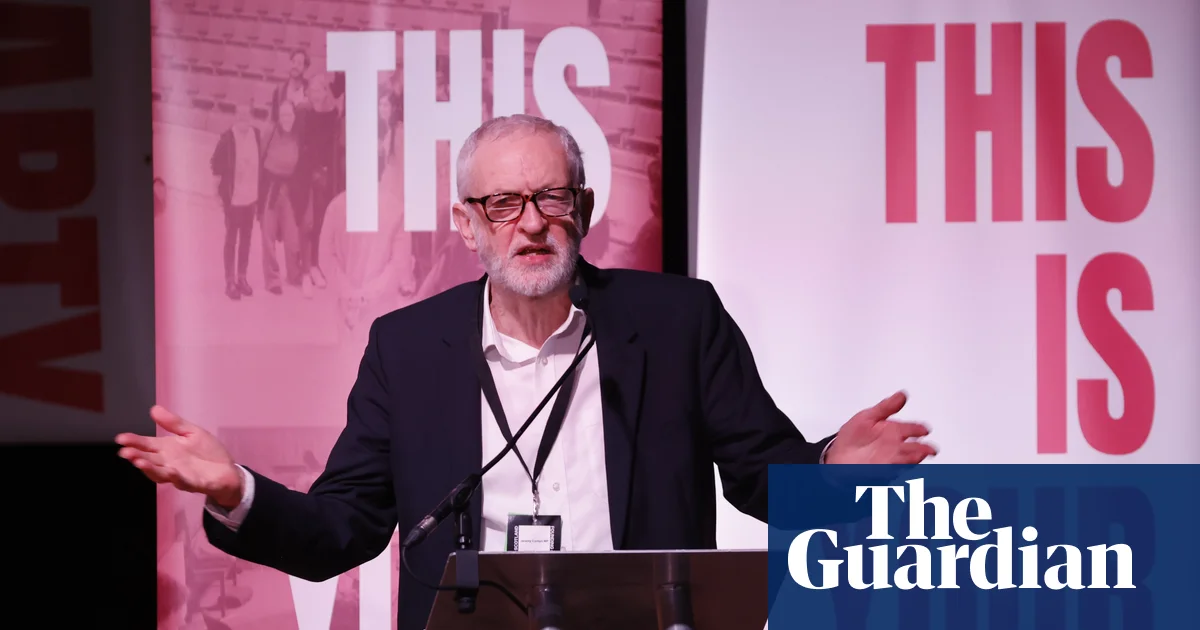
In a significant political development, Jeremy Corbyn is poised to assume the role of de facto leader of Your Party, marking a pivotal moment in its evolution. The recent internal elections saw Corbyn-backed candidates secure a dominant 14 of the 24 seats on the party’s central executive committee (CEC), signaling a substantial shift towards a more radically progressive and socialist vision. This factional victory underscores a broader ideological fracture with the party’s other prominent figure, Zarah Sultana, whose supporters managed to secure only seven seats. The electoral process, with a turnout of 61%, reflects a mobilized segment of the party base that remains entrenched in the debate over the party’s future trajectory.
Corbyn’s winning bloc, branded as “The Many”, aims to forge a coalition focused on addressing critical issues such as the cost of living, housing crises, and Palestine — themes resonating among the party’s grassroots. Meanwhile, Sultana’s Grassroots Left faction accentuates the importance of member democracy and warns against a perceived drift towards “Labour 2.0”, an insidious shift they argue could dilute revolutionary socialist principles. This internal struggle is emblematic of a wider fight for geopolitical influence within Your Party, with each faction advocating divergent visions that could significantly influence external policy stances, especially regarding international conflicts and diplomatic alignments.
The broader geopolitical impact cannot be underestimated, as international actors watch these power plays with keen interest. Analysts from institutions like the International Crisis Group warn that the victory of Corbyn-aligned factions could propel Your Party into a more anti-imperialist and anti-Zionist stance, potentially straining diplomatic relations with allies and rivals alike. As Russia and China scrutinize Western internal disputes, the outcome of this leadership contest will resonate beyond national borders, influencing international perceptions of the political landscape and the future of socialist alliances.
While the internal conflict persists, historians and political strategists have emphasized that such divisions often serve as a crucible for transformative change. The deeper question remains: how will Your Party navigate its internal dialectic, and what global alliances or confrontations will emerge from this internal power struggle? As the party attempts to turn a new page after months rife with accusations, expulsions, and legal disputes, it exemplifies a broader scene unfolding worldwide—one where ideological purity battles for dominance, reshaping the very fabric of political allegiance and international diplomacy. The world watches with bated breath, sensing that the outcomes here may very well echo loudly through the corridors of power for decades to come.