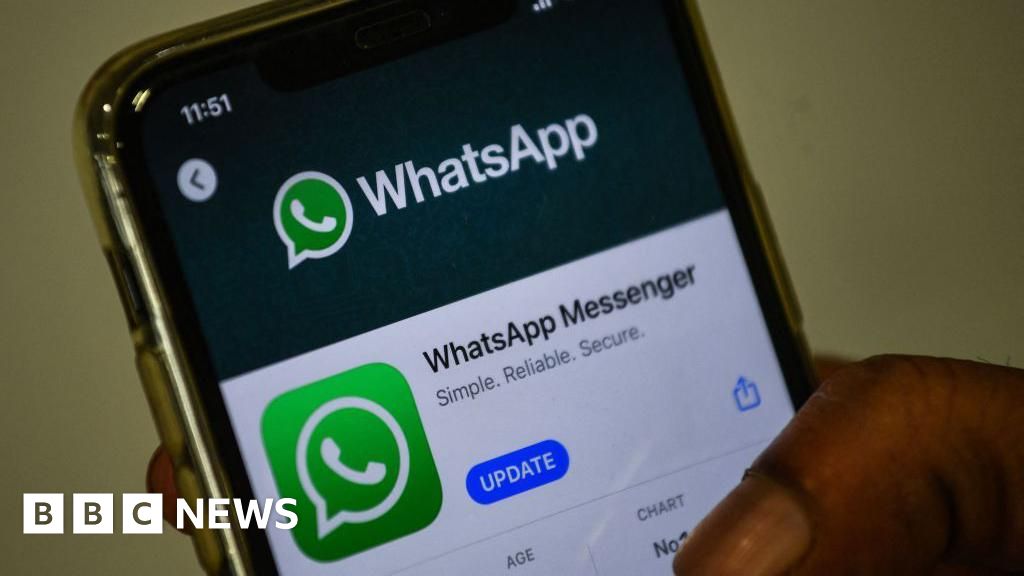
In 2021, Meta, the social media giant formerly known as Facebook, introduced a significant policy update that mandates users to share data specifically for advertising purposes to continue using its platform. This seemingly internal business decision carries far-reaching geopolitical implications, revealing the increasingly intertwined relationship between global corporations and national policies. As governments worldwide scrutinize digital privacy and data sovereignty, Meta’s move underscores a pivotal shift in how firms operate across borders, with their policies echoing through the fabric of international relations.
Major geopolitical actors have responded differently to this shift, highlighting the contest over digital sovereignty. European Union regulators, sensitive to privacy rights and data security, have historically pushed back against such corporate demands, emphasizing strict compliance with the General Data Protection Regulation (GDPR). Governments in North America and parts of Asia, however, have been more permissive, viewing such policies as a reflection of the rapidly evolving digital economy. The policy update, in effect, is a barometer for the broader contest over data control—a resource deemed as vital as traditional commodities in modern geopolitics. Analysts from institutions like the World Economic Forum warn that this could deepen the digital divide, where nations that accommodate corporate data demands may bolster economic growth while others risk being left behind in digital fragmentation.
Furthermore, this policy change has catalyzed intense debates among nations over privacy rights, security, and sovereignty. Historically, data has become the new frontier of power, as seen in recent years’ geopolitical conflicts involving cyber espionage and digital influence campaigns. In a landscape where information control fuels influence and stability, policies like Meta’s serve as flashpoints for international diplomatic discussions. Countries such as Russia and China continue to develop national internet policies that emphasize sovereignty over digital infrastructure, contrasting with Western frameworks that push for open data exchanges. The ramifications extend further, illustrating how decisions by tech giants are now bedrock issues in diplomatic negotiations. The United States and the European Union, guided by institutions like the European Commission, have urged for balanced policies that protect users’ rights without ceding too much control to mega-corporations—a delicate dance that shapes the future of global digital governance.
Historians and analysts emphasize that these developments mark a **turning point** in **digital geopolitics**. As some nations forge ahead with policies emphasizing data independence, others risk becoming dependent on corporate-controlled ecosystems. The informal yet powerful alliances formed around data policies could fundamentally alter alliances, economic power, and societal structures. The concerns articulated by international organizations echo the warning that **how nations regulate and assert sovereignty on these issues will define the global order for decades** to come. The ongoing tug-of-war reflects a broader struggle—one where the lines between corporate interests, state sovereignty, and individual rights are increasingly blurred, forever shaping the course of history.
As the world watches, history continues to unfold in real-time, inscribed in the policies that govern digital space. The decision by Meta in 2021 was more than just a corporate policy—it was a declaration of digital dominance, with consequences rippling far beyond the screen. The outcome of this new digital frontier remains uncertain, yet the message is clear: **the fight for control over information and influence is rewriting the global narrative in ways that no nation can afford to ignore**. Humanity now stands at a crossroads, where every click and data point echo in the halls of power—foretelling a future where the fabric of society itself is woven in the bytes and codes that global giants like Meta now command.