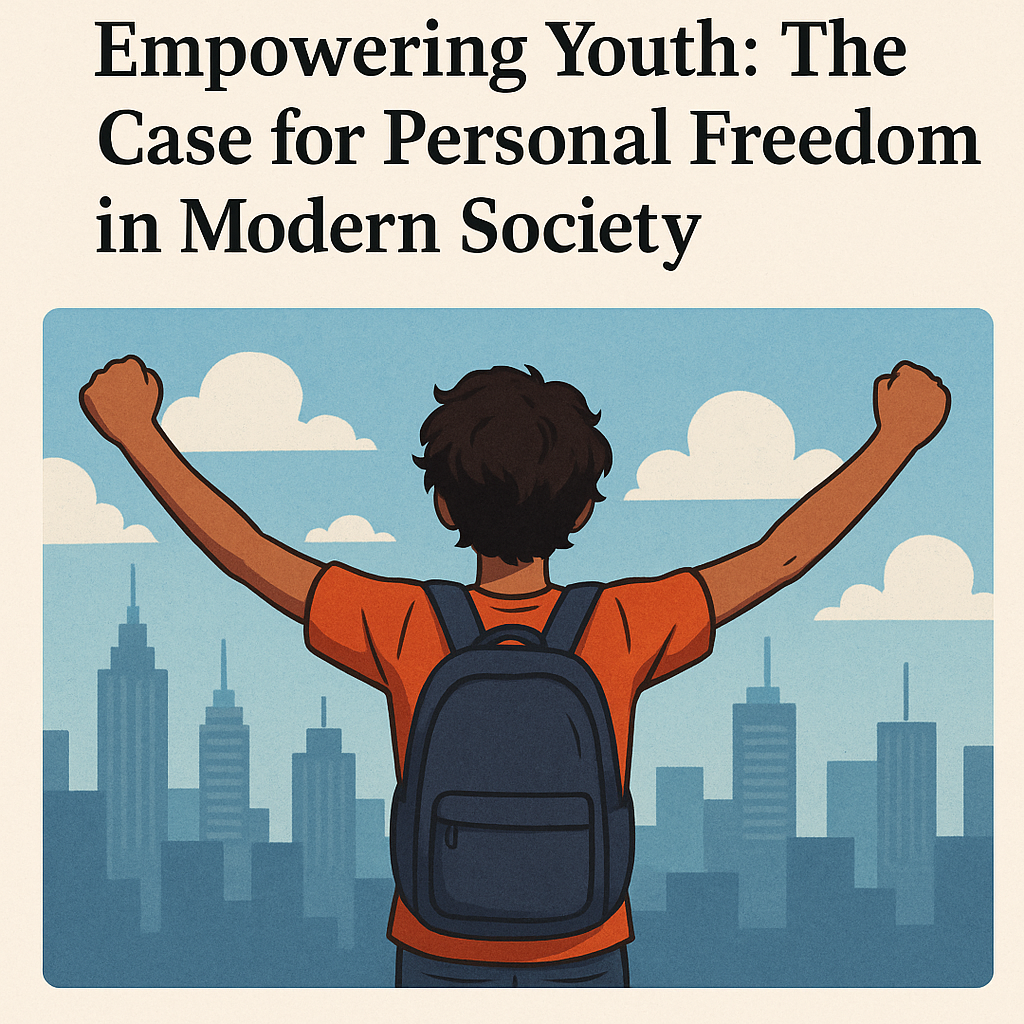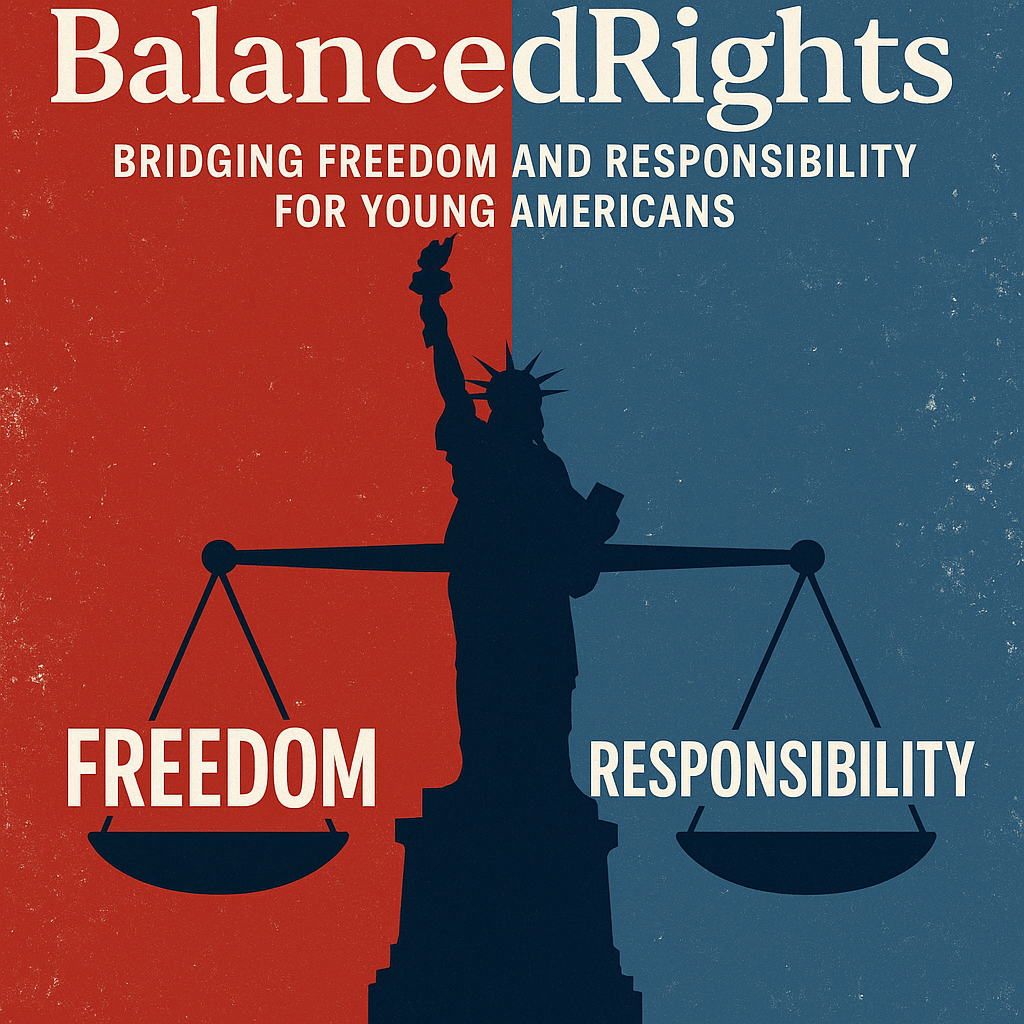
In an era marked by rapid social change and an unprecedented influx of information, the concept of balanced rights emerges as a vital framework for guiding young Americans toward responsible participation in a free society. The delicate dance between freedom and responsibility is not a new debate, but its significance is magnified today as digital media accelerates the reach and impact of individual actions. The foundational idea is simple: rights should empower, but not encroach upon the rights of others. As American thinker James Madison once emphasized, the preservation of liberty requires the vigilant restraint and self-discipline of those who wield power—academic, social, or political.
Promoting balanced rights among youth entails fostering a culture where personal freedoms are accompanied by civic duty and ethical conduct. Critics argue that unchecked expression, especially online, can lead to harmful polarization and misinformation—issues that undermine the social fabric. As analyst Niall Ferguson suggests, “The social contract in modern democracies demands not just the right to speak, but also the responsibility to listen and engage constructively.” Such a perspective underscores the importance of cultivating empathy and critical thinking skills in young Americans, who are often the most vulnerable to misinformation and echo chambers. Educational initiatives emphasizing media literacy and civic education can serve as pillars in this effort, empowering students to exercise their rights thoughtfully.
Yet, balancing rights and responsibilities also involves understanding the economic and cultural contexts that shape American youth. Economists like Thomas Sowell point out that economic opportunities and personal responsibility are two sides of the same coin—without a sense of agency and accountability, rights become hollow. Society must provide pathways for young people to realize their potential while holding them accountable for their actions. This includes sensible policies on free speech, digital responsibility, and community engagement, which help nurture a generation that values both individual liberty and societal cohesion. In doing so, we lay a foundation for a resilient democracy that values mature discourse over transient outrage.
As society advances into an uncertain future, the challenge remains—how do we craft a narrative that respects the primacy of individual rights without compromising the moral fabric of responsibility? The answer may lie in instilling a shared sense of purpose—a collective recognition that freedom is an active steward, not a passive right. The young Americans of today stand at a crossroads; their choices will echo through the corridors of history, shaping a nation where balanced rights serve as the bridge between liberty’s promise and responsibility’s duty. As the sun sets beyond the horizon, casting long shadows over the uncertain path ahead, it is the weight of this balance—neither too heavy nor too light—that will determine whether the torch of freedom is passed on with wisdom, or extinguished by neglect. For in the end, the future belongs not just to those who claim rights, but to those who carry the burden of responsibility with unwavering resolve, carving a legacy of resilience and virtue amid an ever-shifting world.