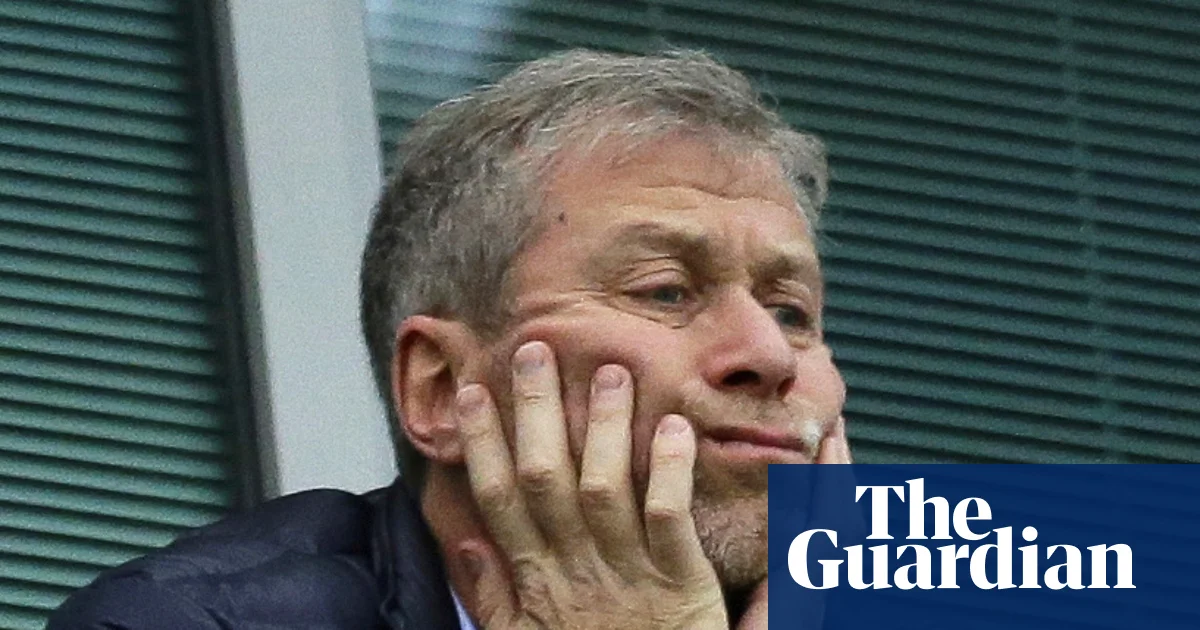
Jersey authorities are now embroiled in a high-stakes investigation that could reshape perceptions of one of the most high-profile cases of international finance and governance: the 2022 sale of Chelsea FC by Roman Abramovich. The billionaire oligarch’s sale, which netted a staggering £2.4 billion, has since become a geopolitical chess piece, caught in the crossfire of global sanctions and local investigations into alleged proceeds of crime. As London’s political establishment debates the fate of this frozen wealth, analysts warn of the wider geopolitical impact: the outcome could set a precedent for how nations manage the assets of sanctioned individuals amidst turbulent international conflicts.
The core of the dispute rests on the origin of Abramovich’s amassed wealth, which is under scrutiny for potential links to corruption and money laundering. The accounts for Fordstam Ltd—through which the oligarch owned Chelsea—reveal that part of the funds, earmarked for future use, may be tainted by illicit activity. Jersey’s attorneys are assessing whether the assets, currently held in a Barclays bank account and accruing interest, are derived from activities that could be classified as criminal in origin. This stands as a crucial turning point in how international jurisdictions handle wealth tied to individuals linked with authoritarian regimes—particularly Vladimir Putin’s Russia—a nation where the chaotic rise of capitalism amidst state influence created a fertile ground for wealth with questionable origins, as noted by numerous historians and financial analysts.
- According to legal documents, Abramovich’s funding of Chelsea involved loans routed through offshore entities, notably a £1.4 billion interest-free loan from Jersey-based Camberley International Investments Ltd.
- Jersey prosecutors are examining whether these assets, or the net proceeds from the Chelsea sale, could constitute proceeds of crime.
- The UK government, already at odds with Abramovich since sanctions were imposed following Russia’s invasion of Ukraine, claims the money should not be diverted for personal or political gain.
- Meanwhile, Chelsea’s current owners have created a £150 million financial buffer, a safeguard designed to mitigate potential penalties under the ongoing investigations.
Global institutions and strategic analysts are watching the unfolding story with intense interest because of its broader implications: it underscores the danger of illicit financial flows crossing borders in an increasingly interconnected world. Some international bodies warn that allowing questionable assets to be diverted or hidden could undermine anti-corruption efforts and empower authoritarian regimes’ corruption networks. Conversely, defenders of Abramovich insist that ongoing investigations are politically motivated, and that the assets are lawfully acquired. Yet, as the Jersey-based inquiry delves deeper, it raises uncomfortable questions about how the global community must strike a balance—protecting property rights while denying resource streams to regimes that threaten international stability.
As history continues to unfurl, the Chelsea FC saga becomes a microcosm of a larger struggle: the battle between national sovereignty and international accountability, between the rule of law and geopolitical expediency. The unresolved fate of Abramovich’s fortunes may yet serve as a warning—an ominous reminder that in today’s world, wealth can be both a tool for progress and a weapon for chaos. The final chapter remains unwritten, but its lessons will echo across generations, shaping how nations confront the shadowy nexus of power, money, and politics in the age of global disorder.