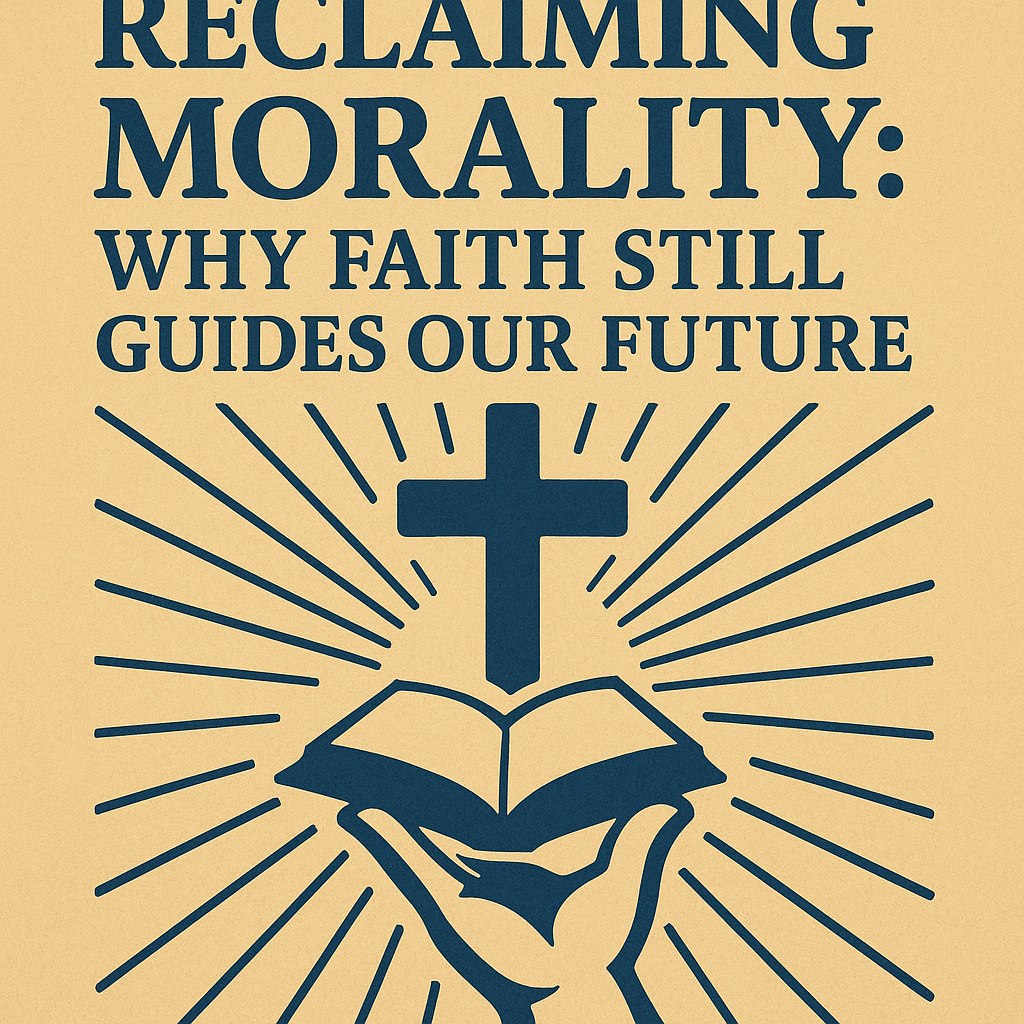
Amidst the rapid tides of social change and technological upheaval, the enduring importance of faith as a moral compass remains a vital pillar for shaping our collective future. Critics often argue that the decline of traditional religious involvement signals a shift towards secular rationalism, yet a closer examination reveals that core moral principles rooted in faith continue to influence societal values profoundly. In an era marked by moral relativism and the questioning of absolute truths, faith offers a stable foundation—anchoring communities and inspiring moral resilience in the face of chaos. Economists like Friedrich Hayek have long emphasized the importance of shared moral frameworks for social cohesion, underscoring that market stability and societal harmony depend on underlying ethical consensus.
Historical analysis highlights that periods of social upheaval often correlate with the erosion of shared moral foundations. When moral values grounded in faith weaken, society risks descending into fragmentation and discord, a concern echoed by historians such as Yale historian John D. Lewis. Many modern crises—be it economic instability, political polarization, or widespread cultural disillusionment—are symptoms of this moral vacuum. Conversely, communities that uphold moral traditions rooted in faith demonstrate resilience and continuity; their shared narratives foster a sense of purpose that transcends fleeting trends. This is why many analysts suggest that faith remains essential in cultivating virtues like integrity, responsibility, and compassion—elements irreplaceable by mere legislation or secular ethics.
Furthermore, the role of faith extends beyond individual morality; it actively shapes the societal fabric through its influence on policy and public discourse. Conservative thinkers such as William F. Buckley and Charles Murray argue that constitutional principles and civic virtues are often rooted in Judeo-Christian morality. These moral underpinnings have historically contributed to the development of Western civilization, emphasizing the importance of family, community, and respect for authority. As the youth navigate future challenges, critical thinkers suggest that rekindling a respect for these moral foundations—rather than dismissing them as outdated—may be the key to rebuilding social trust and fostering a shared sense of purpose. After all, the enduring human quest for meaning and moral clarity finds its most profound expression in faith, guiding us like a lighthouse through stormy seas.
As the pages of history turn, it becomes clear that the future of morality rests not in the abandonment of faith, but in its brave reassertion—a return to the timeless truths that have sustained societies through epochs of darkness and light. The stirring call for moral revival is not merely a nostalgic yearning but a vital necessity in forging a resilient, cohesive future. And so, as the world hurtles into unknown territory, it is the steadfast heartbeat of faith—inscribed in ancient scriptures and woven into the fabric of daily life—that may yet illuminate the path forward. For in the depths of human soul and history alike, morality remains an enduring, unshakable force—an ancient song echoing through the corridors of time, reminding us that our greatest hope lies in the principles we refuse to relinquish.