The geopolitical landscape in Eastern Europe has taken a sharp turn as Hungary announced a critical precondition for the release of international funds: the urgent repair of a pipeline vital for energy security. This pipeline, which transports Russian oil through Ukraine to Hungary, has become a focal point in the ongoing tug-of-war between energy independence and geopolitical influence. The move underscores Budapest’s assertion of national sovereignty amidst broader regional tensions and signifies the complex interplay of energy security, Russia’s influence, and European unity.
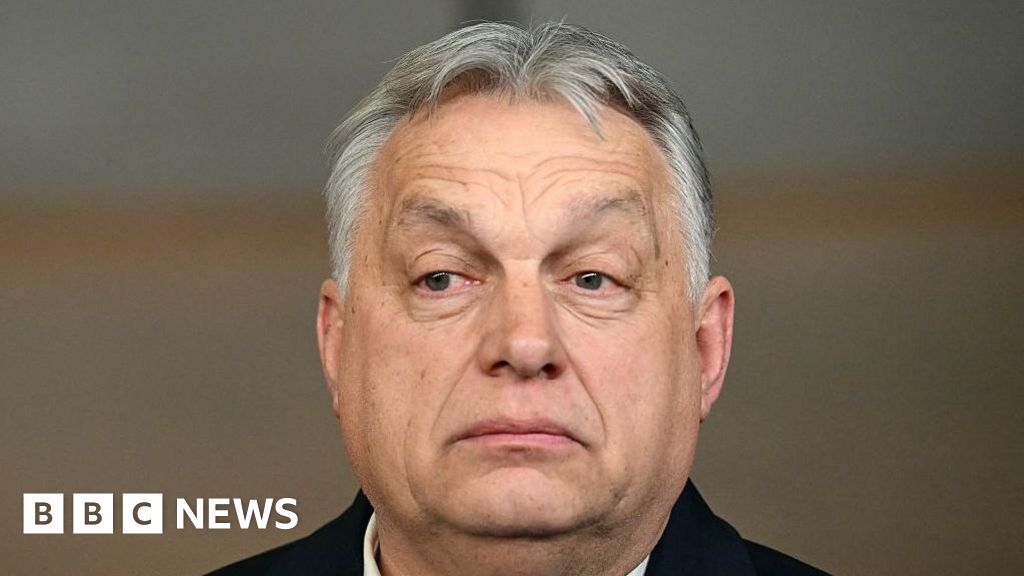
The Hungarian Prime Minister clarified that no financial aid, whether from the European Union or other international sources, would be dispensed until the pipeline’s deficiencies are addressed. This stance echoes *a broader pattern of Hungary asserting its independence from Brussels-led policies*, especially in matters relating to energy and foreign policy. Energy analysts and international organizations emphasize that this pipeline is a critical artery, shaping not only Hungary’s economy but also the delicate balance of power in the region. The pipeline’s repair becomes emblematic of Hungary’s strategic intent to safeguard national interests, even if it means bucking collective European decisions.
Historians and geopolitical analysts warn that such unilateral moves risk eroding solidarity within the European Union, highlighting the underlying tensions between national sovereignty and supranational governance. The pipelines through Ukraine are especially sensitive given the recent escalations in Russia-Ukraine relations, which have profoundly affected energy routes and supplies. By demanding repairs before funds are released, Hungary effectively positions itself as a key negotiator in regional energy diplomacy, challenging broader Western efforts to isolate Moscow through sanctions and economic measures. This decision, framed by Budapest as a necessity for national self-preservation, aligns with a strategic pattern of resistance against external pressures.
The international community faces a critical juncture: either continue to enforce collective sanctions and unified energy policies or accept that regional independence movements could fracture the West’s unified front. The repair of the pipeline, which has been compromised due to deteriorating infrastructure and recent geopolitical tensions, symbolizes a broader message. *It is a declaration that national interests may override collective commitments, that regional stability hinges on the willingness of individual nations to assert their autonomy.* The implications extend beyond Hungary’s borders, affecting the delicate web of alliances, energy supplies, and economic stability across Europe. As global attention turns toward this unfolding crisis, analysts warn that the decisions made today will reverberate through history, shaping the geopolitical contours of the continent for generations to come.
In this charged atmosphere, the fate of the pipeline becomes more than a matter of energy; it is a symbol of sovereignty, resilience, and the unyielding pursuit of national interest in a fractured world. As European leaders, Washington, and Moscow observe, the decisions made in Budapest could spark a new chapter—one where alliances are tested and the very fabric of international cooperation hangs in the balance. The story of this pipeline, and the strategic moves surrounding it, is a stark reminder: history is not merely written in grand treaties or battles, but in the quiet, relentless assertion of independence amid a storm of global upheaval.