Shifting Tides in the Middle East: A Fragile Peace?
In what could be seen as a rare glimmer of diplomacy amidst relentless conflict, negotiators from Israel and Hamas are converging in Sharm El-Sheikh, Egypt, to negotiate an end to over two years of brutal fighting in Gaza. This development marks the closest both sides have come to reaching an agreement since hostilities erupted, marking a noteworthy, if fragile, diplomatic opening. The talks are primarily centered around Trump’s 20-point peace plan, a relatively concise framework that posits key issues such as hostage release, disarmament, governance, and troop withdrawal. Although the plan has garnered initial acceptance from both parties, it is clear that significant hurdles remain, with core disagreements threatening to derail negotiations altogether.
The plan’s most immediate and pressing aspect involves the release of hostages. Trump’s framework stipulates that all remaining captives be released within 72 hours of an agreement, a move that could significantly de-escalate tensions if fulfilled. Reports suggest that approximately 48 Israeli hostages remain in Gaza, with at least 20 believed to be alive, providing a potent bargaining chip for Hamas. Israeli Prime Minister Benjamin Netanyahu has expressed optimism, hinting that the hostages might be freed before the Jewish holiday of Sukkot—a gesture that could serve as a pivotal breakthrough in rebuilding trust. However, Hamas’s historical reluctance to relinquish its leverage complicates this, as the group has conditioned its willingness to release hostages on other concessions. The distrust between the two sides is palpable, exacerbated by recent Israeli military actions, including an attempted assassination of Hamas’s negotiating team in Doha, which only deepened the gulf of animosity and skepticism.
The core of many disagreements lies in the issue of Hamas’s disarmament. Israeli leaders, led by Netanyahu, remain steadfast in their demand for the group’s total disarmament, insisting that Gaza be demilitarized. Hamas, meanwhile, maintains that it will not relinquish its weapons unless a Palestinian state is officially established—a stance that signals entrenched positions and little room for compromise. Western analysts, including those at the International Crisis Group, warn that such intractable viewpoints threaten to prolong the conflict indefinitely. This unresolved dispute over disarmament directly impacts the geopolitical landscape, as it influences the potential for a broader regional escalation or stability in the Middle East.
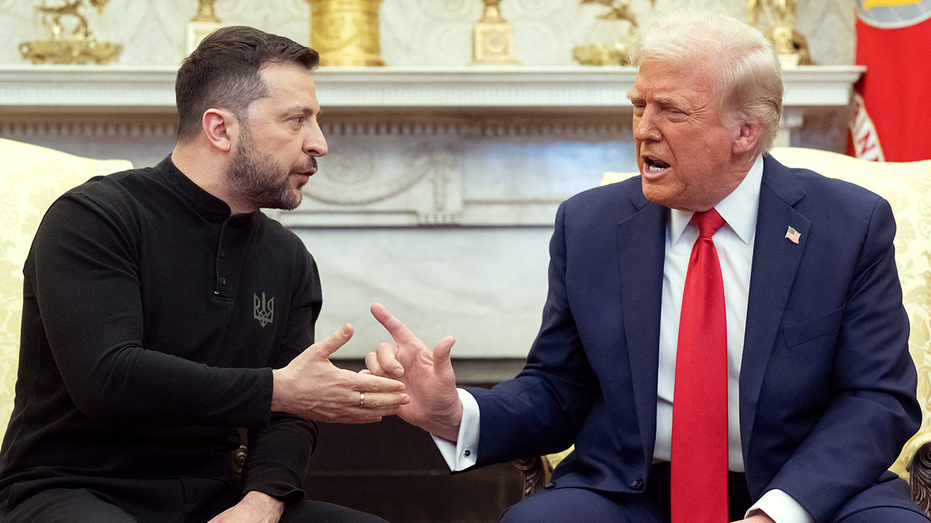
The plans also outline a possible future governance structure for Gaza, moving away from Hamas’s control toward a temporary coalition of Palestinian technocrats supervised by a “Board of Peace,” purportedly led by Donald Trump. The ultimate goal, according to the framework, is to transfer governance to the Palestinian Authority (PA). Yet, despite Netanyahu publicly endorsing the plan, there is internal resistance, especially within Israel’s ultranationalist factions. Many hardliners oppose the relinquishment of Gaza, advocating for continued control or even reconstructions of Jewish settlements. This internal division underscores the political volatility that looms over any peace agreement, showing how domestic political calculations directly influence international diplomacy. The situation remains precarious, with some experts warning that any delay or breakdown could lead to renewed hostilities, casting a shadow over the region’s stability.
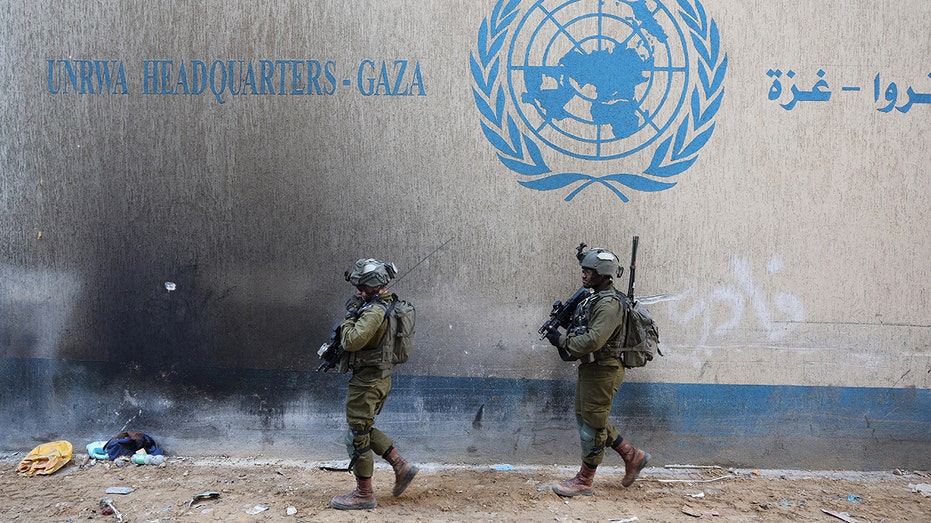
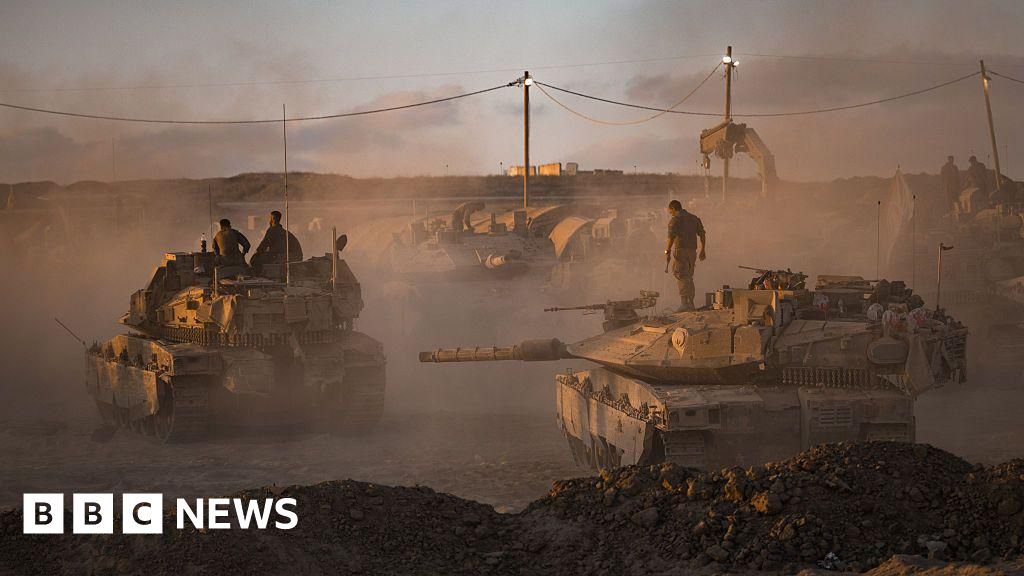
Finally, the question of Israeli troop withdrawal remains one of the most contentious issues. The plan envisions a staged withdrawal, with approximately 55% of Gaza potentially remaining under Israeli control until “proper security” is assured. Such a phased approach reflects the uncertainty and risks involved in de-escalation, as authority over Gaza’s borders and the threat of resurgent terrorism persist. Internationally, this plan is watched with a mixture of cautious optimism and grave concern, considering the possibility that unresolved issues might ignite the very chaos it seeks to resolve. Historians and geopolitical analysts warn that the present negotiations could be a fleeting chance—one that history might judge either as the beginning of a lasting peace or the prelude to another cycle of violence.
The unfolding story in Gaza is a testament to the complexity of international diplomacy—a tangled web of hopes, fears, and entrenched interests. As leaders push forward amid a landscape fraught with mistrust and conflicting narratives, history’s ink threatens to record this moment as either a step toward stability or a catalyst for renewed chaos. With each handshake and each failed promise, the weight of history presses ever heavier on the shoulders of those tasked with forging tomorrow’s peace—or condemning the region to yet another chapter of suffering.