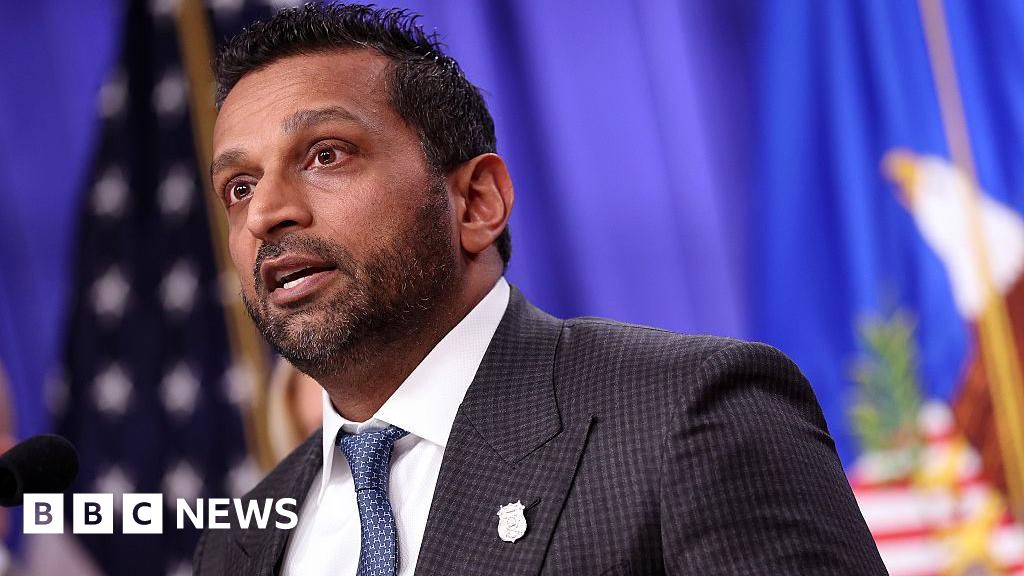
In an unprecedented breach that underscores the growing chaos in international cybersecurity, a notorious hacker group has recently released sensitive personal information, including a purported resume and photographs of India’s Minister of State for Home Affairs, Patel. Accompanying this leak was a chilling statement: “This is just our beginning.” This act of digital vandalism signals a disturbing escalation in cyber warfare that threatens to undermine the stability of nation-states and their leadership structures.
The timing of this revelation is no coincidence, as tensions between various geopolitical powers continue to simmer beneath the surface of global diplomacy. While hacker groups have often claimed to pursue ideological ends, this particular breach appears to serve a broader strategic aim—destabilizing India as it navigates complex regional challenges, including border disputes and internal security concerns. Such breaches deepen the vulnerabilities of governments to cyber espionage, a realm increasingly recognized as a critical frontier in modern warfare. Analysts from institutions like the European Centre for Cybersecurity Studies warn that these acts could presage a new form of hybrid conflict, one that operates outside traditional military realms.
Geopolitical impact is significant, as this incident highlights how non-state actors are weaponizing digital tools against nations with rising influence. For India, a nation at the crossroads of economic growth and regional rivalry, this attack raises alarms about the security of sensitive political data and national infrastructure. International organizations, including the United Nations, have yet to formulate a comprehensive framework to combat such threats effectively. Meanwhile, domestic officials and security experts are calling for urgent reforms in cyber defense protocols to prevent further invasions that threaten to destabilize societal trust and diminish public confidence in government institutions.
This breach arrives amid broader warnings from global leaders and seasoned historians who stress that the proliferation of cyberattacks could rewrite the rules of diplomacy and security. Many see this event as a *turning point*—a wake-up call for nations worldwide that in this new era, information warfare can be just as deadly as conventional combat. As world powers scramble to respond to these threats, the real question looms: Will this new dimension of conflict deepen divides, or can international collaboration stem the tide of digital chaos? One thing remains clear—history is watching, and the unfolding chapters of this cyber saga risk becoming a defining moment that will shape future generations.
As darkness clouds the horizon of international stability, the true power lies in the decisions made in the coming days. Governments must face the reality that cyber vulnerabilities are no longer abstract threats—they are now a tangible act of warfare capable of unravelling society’s fabric. The world holds its breath, aware that, in this digital age, the battlefield has expanded—and the story of our time is only just beginning to unfold.