Global Food Industry Shake-up: Unilever and McCormick’s Strategic Merger
The international landscape of consumer goods is witnessing yet another pivotal shift as Unilever, a historic titan in the sectors of beauty, personal care, and home products, embarks on a transformative journey by divesting its food division to US-based McCormick. This $44.8 billion deal marks a definitive change from nearly a century of unilever’s focus on broad consumer markets, signaling a deliberate repositioning aimed at sharpening its focus on high-growth sectors such as beauty and personal care. Analysts attribute this to strategic moves within the constraints of geopolitical uncertainties and shifting consumer preferences, emphasizing the importance of international agility in a rapidly evolving global economy.
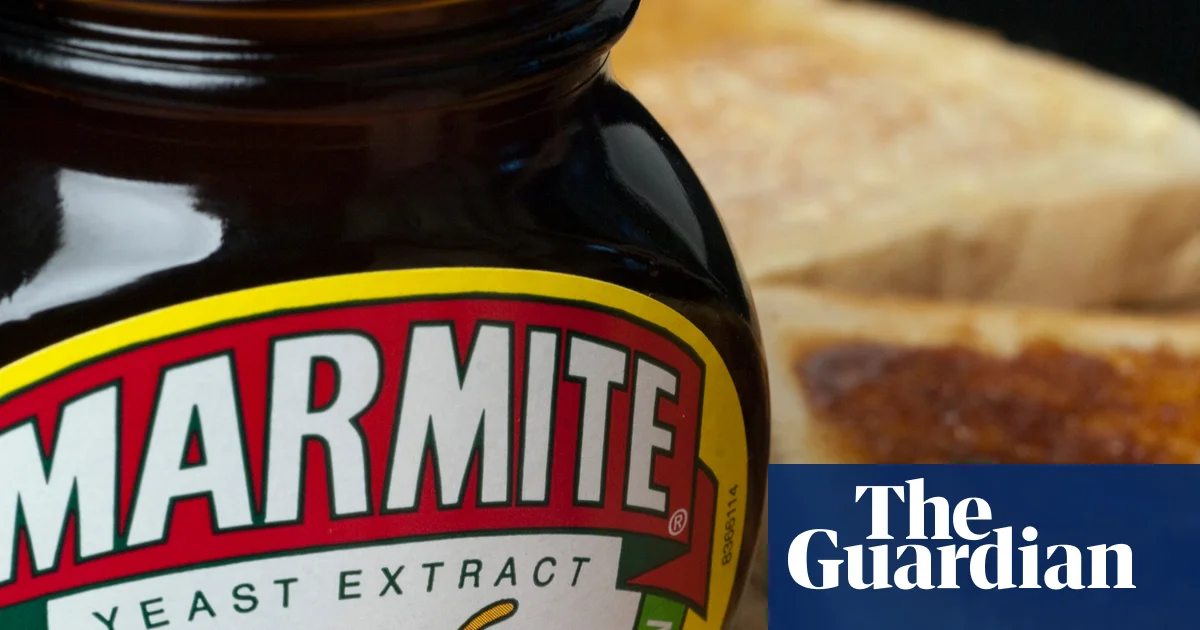
The merger creates a formidable global flavour powerhouse, combining brands that dominate kitchens worldwide — from Knorr and Pot Noodle to McCormick’s French’s mustard, Cholula hot sauce, and Old Bay seasoning. According to leading economists and industry analysts, this consolidation is more than a corporate reorganization; it is a calculated geopolitical maneuver with tangible ramifications. The control of sprawling food brands spanning multiple continents could influence supply chains, pricing structures, and even national agricultural policies. While McCormick retains its headquarters in the US, the new entity will maintain a significant international presence through Unilever’s existing Dutch base, illustrating the ongoing trend toward corporate decentralization in global markets.
However, this strategic alignment comes with notable **geopolitical implications**. The divestment excludes parts of Unilever’s operations in India and renowned brands such as Horlicks and Boost, underscoring the company’s focus on core markets while signaling an exit from some of the most dynamic and rapidly growing economies. Moreover, the decline in stock prices—Unilever falling 7% and McCormick 5.6%—amid concerns over job security and integration complexities, highlights the risks embedded in such international consolidations. As historians like John Meehan and analysts emphasize, it showcases how **decisions made in boardrooms** can ripple through the geopolitical fabric, affecting employment, local economies, and forms of international cooperation or rivalry.
This amalgamation also signifies a transformative strategy, with Unilever shedding several sectors—ranging from spreads and teas to plant-based meats—to focus on its core personal care and home products. This deliberate shift reflects what some international strategists label as “a move to unlock trapped value”. Still, critics argue that reducing economies of scale could undermine efficiency, provoking a reevaluation of global trade dynamics. The fallout—potential job cuts, changing manufacturing hubs, and the reshaping of supply chains—may serve as a warning for other multinational corporations navigating geopolitical waters increasingly fraught with uncertainties. As the world watches, the decisions of these corporate giants will inevitably impact countless societies, shaping the very structure of consumer culture in the years ahead.
As history continues to unfold under the weight of new alliances and shifting economic power, the global community remains on edge. The marriage of food giants—with all its promise of innovation and efficiency—also exposes vulnerabilities rooted in geopolitical tensions and economic upheavals. From Europe to North America and Asia, the intricate web of corporate interests and national sovereignty teeters on a knife’s edge, making it clear that the forces shaping today’s food industry are also shaping the future stability and order of the international system. The next chapter is unwritten, but the echoes of this historic merger will resonate for generations to come, leaving society to grapple with questions of power, influence, and the true cost of globalization.