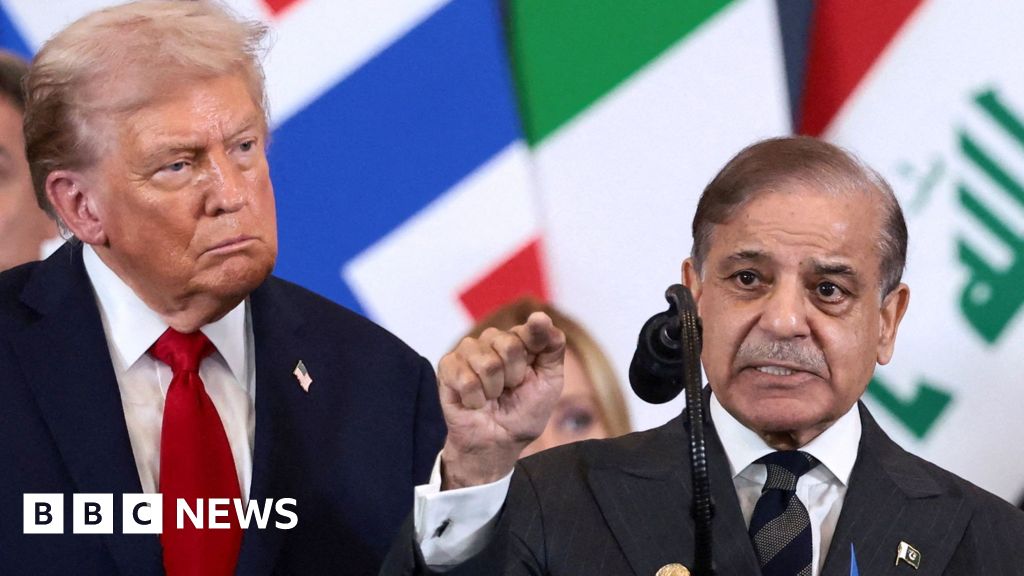
The complex and often volatile web of regional alliances and rivalries has once again come into focus with Pakistan’s recent negotiations involving Iran. Historically, Pakistan and Iran have maintained a relationship rooted in shared borders, cultural ties, and mutual strategic interests. However, recent developments reveal that such partnerships are increasingly fragile amidst the shifting sands of international diplomacy. With the announcement of a new agreement—though distant from certainty—analysts suggest it may mark a crucial pivot point in Middle Eastern geopolitics that could ripple far beyond the region.
Central to this unfolding chapter is the context of the broader regional rivalries and international pressures. Pakistan, often seen as a key U.S. ally, has historically balanced its relationship with Iran—a nation often viewed with suspicion by Western powers—against its own strategic interests. The BBC’s Caroline Davies reports that despite longstanding connections, the pathway toward formal agreements remains uncertain. The delicate balance is exemplified by recent diplomatic overtures that include economic, security, and infrastructural considerations, all under the shadow of ongoing conflicts in neighboring Syria and Afghanistan.
Experts warn that any success or failure of this agreement carries significant geopolitical impact. Should the negotiations find common ground, it could alter regional dynamics by fostering closer economic and military cooperation between Pakistan and Iran, thereby challenging the U.S.-led dominance in the region. Conversely, a failure could deepen divisions and increase instability, potentially fueling greater tensions between Iran and Saudi Arabia, with Pakistan caught as a key player in the balancing act. Many analysts, including those from the International Crisis Group, point out that such shifts have the potential to reshape alliances, impact energy routes, and influence the global balance of power.
Furthermore, this evolving scenario underscores a broader narrative of geopolitical upheaval—where international organizations warn of a new Cold War-like era in the Middle East and South Asia. Nations are now more than ever assessing their security guarantees and economic partnerships, knowing that decisions made today may define regional stability for decades. The United Nations and other global bodies observe cautiously, recognizing that these negotiations could either serve as a catalyst for peace or ignite a new cycle of confrontation. The weight of history presses heavily, as regions with long-standing conflicts teeter at a crossroads: to cooperate or collide, with the echoes of past wars fueling the debate.
As the world watches, the narrative remains unwritten. The impact of Pakistan’s engagement with Iran extends far beyond diplomatic cables and economic accords; it encapsulates the ongoing struggle for influence in a region where every move can alter the course of history. The decisions made in the coming weeks will echo into the future, shaping the fate of nations and societies, and determining whether the current moment marks a genuine step toward stability or another chapter of chaos. As the geopolitics of the Middle East and South Asia unfold, history’s final verdict hangs in the balance—an unfolding story that the world cannot afford to ignore.