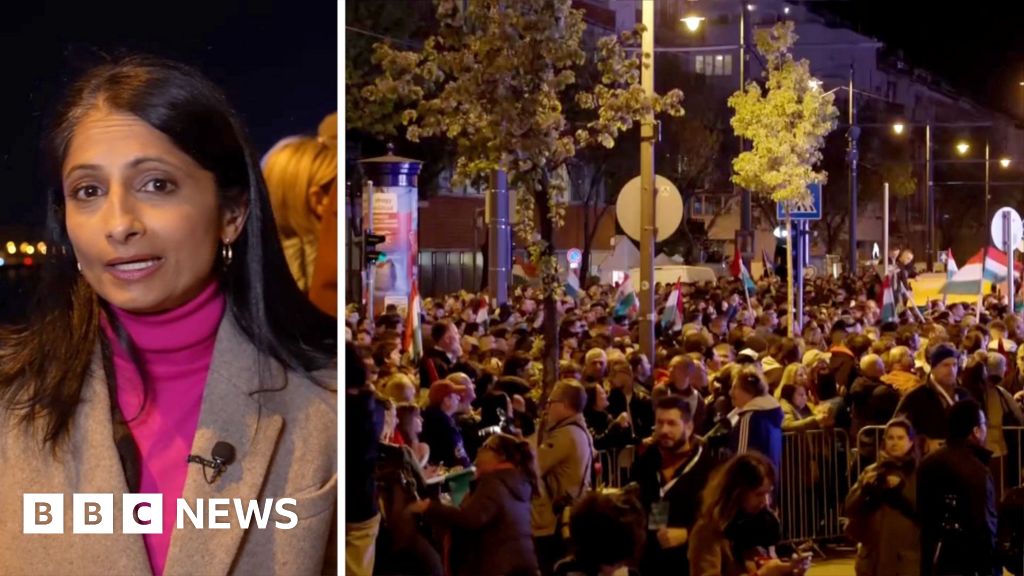
The recent electoral upheaval in Hungary has sent shockwaves through the European continent. After 16 years of leadership, Prime Minister Viktor Orbán has officially conceded defeat, marking a decisive shift in Hungary’s political landscape. The opposition, led by Péter Magyar, secured a historic victory, propelled by a record-breaking turnout that underscores a burgeoning desire for change among Hungarian citizens. This electoral result is not merely a domestic affair but a pivotal moment whose repercussions extend into the heart of Europe.
Many analysts view the election as a referendum on Hungary’s future trajectory—particularly its approach to sovereignty, national identity, and alignment within the broader European framework. Magyar’s government is poised to dominate the parliament with a commanding majority, signaling a decisive divergence from Orbán’s recent policies. Such a mandate could herald a new era defined by a push for increased national control over immigration, economic independence, and a recalibration of Hungary’s stance toward Brussels. This shift, while celebrated domestically, raises questions about how Hungary will navigate its relationship with the European Union and its commitments to the broader West.
International institutions like the European Commission and geopolitical analysts are closely monitoring the fallout. According to experts from the International Crisis Group, Hungary’s new leadership could accelerate a broader realignment within Central Europe—potentially emboldening similar nationalist movements across the region. The election’s outcome is starkly viewed as a challenge to the prevailing EU policies that emphasize integration and liberal values. Historical voices, including seasoned observers, warn that Hungary’s trajectory under Magyar could either reinforce national sovereignty or deepen divisions within Europe’s unity, depending on future policies. As one prominent historian notes, “We are witnessing a pivotal moment when national elections begin to reshape continental alliances.”
With this turn of events, Hungary’s future remains uncertain yet undeniably impactful on the geopolitical chessboard. The balance of influence among NATO, the EU, and Russia hangs delicately, with Budapest poised at a crossroads. The decision by Orbán’s government to concede comes at a time when the continent is grappling with ideological divides and power struggles, setting the stage for new alliances or renewed conflicts. The weight of history presses upon Hungary’s leaders, as they must now define whether their sovereignty leads them toward independence or perilous isolation. As the world watches, the pages of history continue to turn—each chapter shaping the narrative of Europe’s future, where the stakes could not be higher, and the outcome remains uncertain.