Revolutionizing Data Infrastructure: Orbital GPUs Pave the Way for Next-Gen Computing
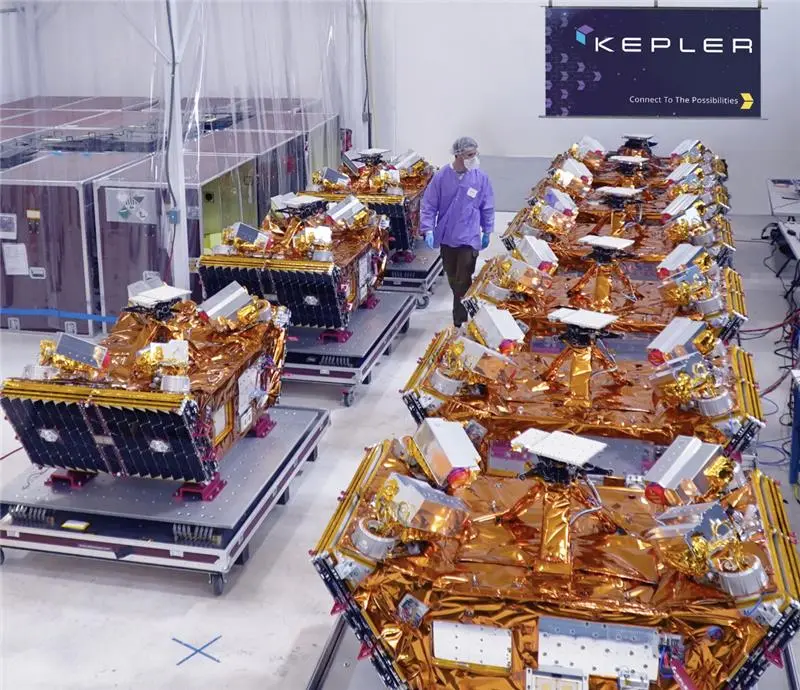
Recent developments in orbital compute infrastructure signal a paradigm shift that could redefine the future of data processing on a global scale. While space-based data centers might still seem like a distant sci-fi dream, the industry accelerates towards practical, disruptive innovation. Kepler, a prominent startup, is spearheading this movement with its focus on providing infrastructure for space applications, distinctly positioning itself away from traditional data center models. Instead, Kepler aims to facilitate network services for satellites, drones, and aircraft, establishing an essential backbone for the next era of interconnected sky-based devices.
This shift is further emphasized by Sophia Space, a trailblazing startup developing passively cooled space computers that address a key obstacle for orbital data centers: thermal management of high-performance processors. Unlike terrestrial counterparts heavily reliant on heavy, costly active cooling systems, Sophia’s innovative approach utilizes passively cooled GPUs capable of operating continuously with minimal power consumption. This breakthrough not only enhances operational sustainability but radically reduces launch costs by eliminating bulky cooling hardware, propelling space-based data centers from aspiration to reality. Sophisticated software testing in orbit— set to occur on Kepler’s constellation— will serve as a critical proof of concept, establishing a new benchmark in orbital computing and de-risking future deployments slated for late 2027.
Technological Disruption and Business Implications
Industry analysts, including those from Gartner and MIT’s Technology Review, suggest that disruptive innovations in space computing may eventually supplant terrestrial data centers— especially as legislation increasingly constrains on-Earth infrastructure growth. For instance, recent legislative actions such as Wisconsin’s ban on new data center construction signal a strategic pivot, driving interest in space-based alternatives. Sophia’s CEO, Rob DeMillo, underscores a growing reality: “There’s no more data centers in this country,” and the trend towards orbital solutions is gaining momentum. Such policy-driven shifts, coupled with technological breakthroughs, challenge the traditional state of data infrastructure and threaten to upend the dominance of terrestrial giants like Amazon Web Services and Google Cloud.
The implications are staggering: distributing GPU workloads in orbit could unlock unprecedented levels of scalability, efficiency, and resilience. As CEO Mina Mitry highlights, the focus is shifting toward understanding inference workloads— processing data locally and continuously— with GPUs optimized for persistent operations rather than sporadic training. This approach promises a more sustainable and cost-effective model for high-performance computing, which could ultimately democratize access and accelerate AI-driven innovations in space, military, and commercial sectors.
Future Outlook: Prepared for Disruption
Setting aside the hype, the reality is that space-based compute technology is emerging as a key sector of disruption. As the industry matures, we can expect to see a rapid convergence of innovations from startups, government agencies, and established infrastructure players. The potential to reconfigure global data ecosystems is immense: with space-based GPUs capable of infinite scalability and resilience, industries will face higher stakes and fierce competition to harness this frontier. Experts like Peter Thiel warn of an impending upheaval— where the very essence of data center economics and infrastructure governance could be rewritten by orbital computing.
As the race heats up, urgency is essential. The industry must innovate relentlessly to stay ahead of regulatory constraints and technological roadblocks. The coming years will determine whether orbital GPUs become a niche curiosity or the backbone of the next digital economy. For youth-driven tech entrepreneurs and investors, the message is clear: the future belongs to those who dare to disrupt the traditional and aim for the stars.